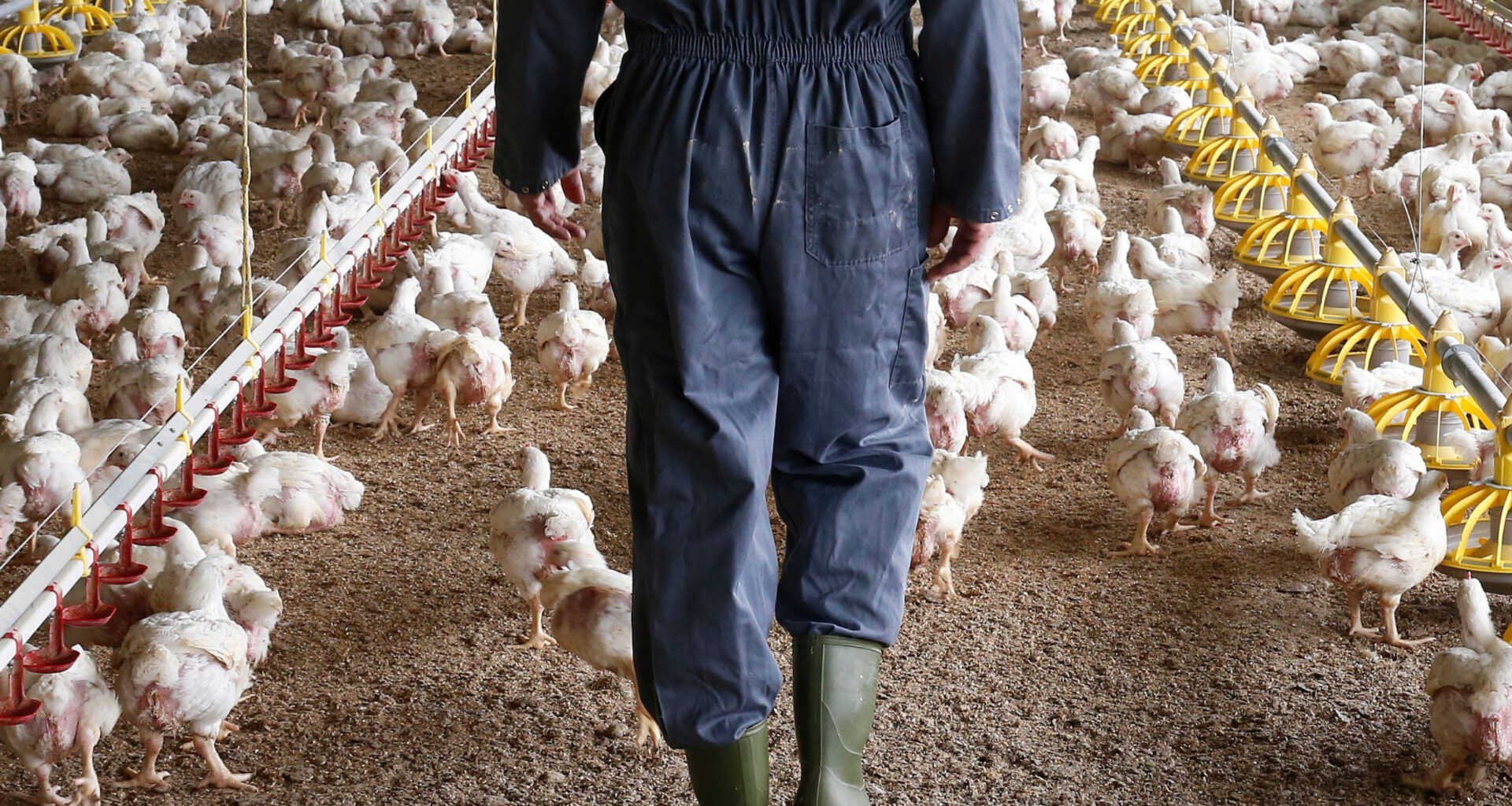
 Vaccinating exposed professionals against seasonal flu is recommended and paid for by the French health insurance scheme, Anses says in a statement. Photo: Hans Prinsen
In France, those who may be exposed to highly pathogenic avian influenza, including poultry farmers, veterinarians, animal inspection officers, and wild animal surveillance workers, have been advised to get vaccinated against seasonal human flu.
This advice comes from the French departments of agriculture and health, the Directorate General for Public Health, and the Agency for Food, Environmental and Occupational Health & Safety (Anses).
Limiting the risk of co-infection
Vaccinating exposed professionals against seasonal flu is strongly recommended and paid for by the French health insurance scheme, Anses says in a statement, adding: “This protects professionals against the seasonal flu virus. Then, in the event of exposure to an avian virus, the risk of co-infection is limited, which helps reduce the risk of emergence of a new influenza virus, of avian origin, but that has acquired characteristics from the seasonal flu virus that facilitate human infection or human-to-human transmission.”
Cases of avian influenza rapidly increasing
Despite massive vaccination campaigns over the last 2 years, France, too, has been hit by a rapidly increasing number of avian influenza cases at professional poultry farms. As of 5 December, the department of agriculture has registered 89 such cases, mostly in the western region of the country. This situation has led the French departments of agriculture and health, the Directorate General for Public Health, and Anses to “step up their cooperation in the prevention, surveillance and control of highly pathogenic avian influenza viruses, and to assess the risks to human health”.
ALSO READ:
Person dies from H5N5 avian influenza in the US
Avian influenza crisis deepens across EU
Time to reevaluate avian influenza trade restrictions
Transmission to humans
Avian influenza viruses can occasionally be transmitted to humans. Several hundred such cases have been reported around the world in recent years, but none as yet have been identified in France. Moreover, no cases of human-to-human transmission have been observed anywhere in the world.
Mammals also infected
Avian influenza has reached higher levels than those observed over the same period in the last 2 years. Migratory birds represent a major risk for the spread of the virus. These viruses can also infect mammals. In France, 4 foxes and an otter were recently found to be infected. The high rate of circulation of highly pathogenic avian influenza viruses in several different animal species in France has led to a greater risk of human exposure, making protective measures essential, the authorities concluded.
Join 31,000+ subscribers Subscribe to our newsletter to stay updated about all the need-to-know content in the poultry sector, three times a week.
“*” indicates required fields