 India’s royal families, far from fading, are thriving empires of luxury hospitality and smart businesses. Dynasties like Jodhpur and Jaipur, with fortunes in thousands of crores, leverage their historic palaces and vast estates for tourism and exclusive experiences, proving royalty today is about wealth management and preserving opulent legacies. India’s royal families are like living history books, grand tales of palaces, jewels, and unique stories that refuse to fade even today.A blog post from Tring.co lists the richest Indian royal families even today. Even without thrones, these dynasties have turned their legacies into empires of luxury hotels, art collections, and smart businesses, combining old-world glamour with a modern makeover.From Rajasthan’s desert kings to Mysore’s silk royals, they own sprawling estates bigger than Buckingham Palace, and these places attract crores through tourism and trusts.Although they no longer rule subjects, they remain influential in culture, politics, and high-end hospitality. These families show that royalty is no longer about crowns; it is about wealth management and nostalgia tourism that keeps the opulence alive.Here are the richest royal families of India according to the blog post by Tring.co: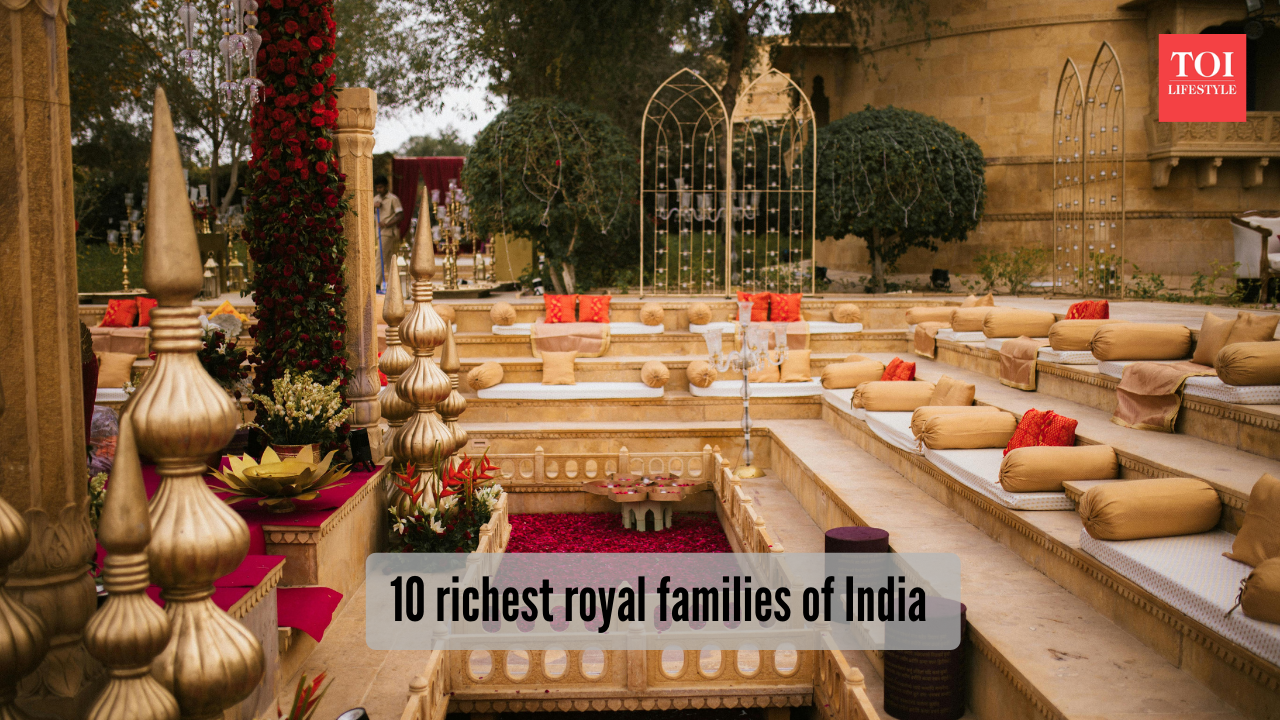
10 richest royal families of India
Royal Family of Jodhpur
Topping the list at INR 22,400 crores, Jodhpur’s royals own the majestic Umaid Bhawan Palace, part of which operates as a Taj luxury hotel. They earn from tourism, museum tickets, vast real estate, and hosting elite events. This Marwar dynasty maintains its blue-city heritage through smart preservation, turning forts into revenue streams while upholding Rajput traditions.With INR 20,000 crores, Jaipur’s royals earn through City Palace stays via Airbnb and Taj’s Rambagh Palace. Income flows from polo sponsorships, tourism, and bespoke royal experiences. The Kachwaha clan keeps Pink City vibes alive, blending history with hospitality to draw global visitors to their Amber Fort legacy.
Gaekwads of Baroda
Baroda’s Gaekwads hold INR 20,000 crores, boasting Laxmi Vilas Palace, four times the size of Buckingham Palace. Their wealth stems from massive land banks, temple trusts, and priceless art collections. This Gujarati dynasty invests in culture and philanthropy, safeguarding Gaekwad grandeur amid Vadodara’s modern growth.
Royals of Mewar
Mewar’s royals are valued at INR 10,000 crores through HRH Group Hotels like Fateh Prakash Palace and the City Palace Museum. Tourism, cultural festivals, and foundation grants fuel their empire. Udaipur’s Sisodia lineage preserves lake-palace splendour, making Mewar a romantic heritage hub for travellers worldwide.
Wadiyar Dynasty (Mysore)
The Wadiyars’ INR 10,000 crores come from palace tourism, iconic Mysore silk, temple trusts, and Karnataka real estate rentals. This southern dynasty shines especially during Dasara celebrations.
Alsisar Royal Family
The Alsisar royals have INR 3,000 crores and run Alsisar Mahal as a heritage hotel. They also host the Magnetic Fields music festival, while tourism partnerships and cultural events keep their Rajasthan legacy thriving.
Royal House of Bourbon
With INR 1,900 crores, this Indo-French family focuses on heritage conservation, international trusts, and private investments. They own royal artefacts and historic properties, blending European roots with Indian history.
Royal Family of Jamnagar
Jamnagar’s royals hold INR 1,450 crores from the Nawanagar state’s inheritance. Income flows from real estate, trust funds, and memorabilia tied to cricketer Ajay Jadeja’s famous lineage.
Nawabs of Pataudi
The Pataudi Nawabs have a total net worth of INR 800 crores through inherited palaces and assets. Their wealth grows through Bollywood (Saif Ali Khan), endorsements, and property rentals in modern India.
Bhonsale Dynasty
The Bhonsales’ INR 500 crores are linked to Maharashtra estates, temple trusts, and cultural holdings. Generations preserve Maratha traditions through the careful management of historic properties.