Russia’s First Oil Export to Afghanistan Via the Iranian Railways: a Closer Look
In a short time frame, the Khaf-Herat railroad received a flurry of Russian and Iranian oil shipments.
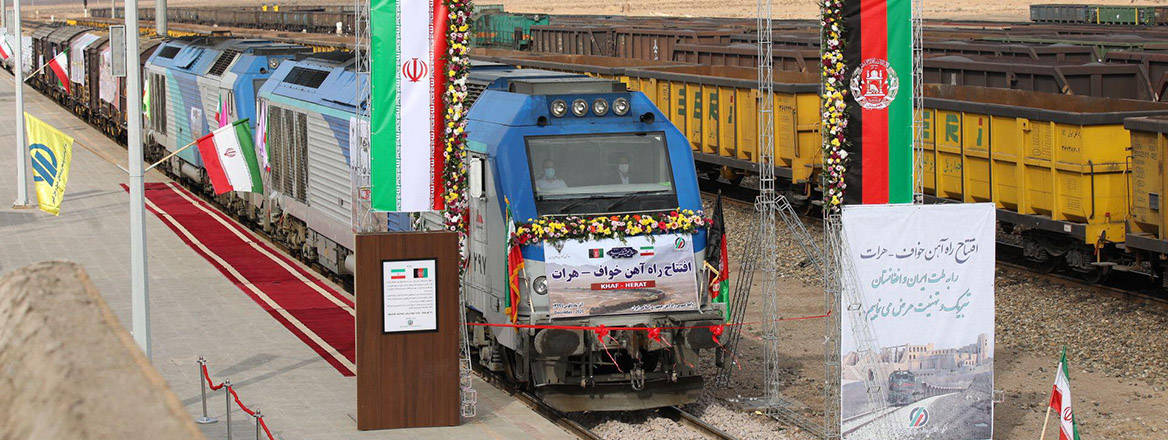
Russia reportedly exported 5,000 tonnes of diesel fuel by rail for the first time to Afghanistan via the semi-built Khaf-Herat railway in the first weeks of November 2025. A few days prior, construction had begun on an oil depot at the Roznak railway station in Herat province to facilitate the storage and distribution of petroleum products. Around the same time, a private consignment of 1,120 tonnes of Iranian diesel was also sent to Afghanistan via the Khaf-Herat railroad.
These developments give off a well-planned tactical PR stunt by the Kremlin, Taliban and Tehran. Indeed, the oil on rail to Afghanistan looked pre-baked. It illustrated an image of shared determination between Iran, Russia and Afghanistan, forging their own path outside of Western markets. It would give them much to talk about and champion ahead of two key transport conferences: the first International Conference of Governors of the Caspian Littoral States, which will be held on 18-19 November 2025, in the northern Iranian city of Rasht; and the 3rd Astrakhan International Forum in Russia, which will be held from 26-28 November 2025. In both, the Russia-backed International North-South corridor, otherwise known as the Iranian route, a 7,200 km corridor that connects India with Russia via Iran, is the central theme.
It is tempting to see these developments as an achievement in Moscow and Tehran’s quest to craft a new supply chain architecture away from the West. Yet the deeper structure of logistics, the current state of Afghan politics, and the timing of these oil trade runs ahead of two key transport corridor conferences organised by Moscow and Tehran, indicate that the fundamentals challenging the viability of this railway route endure. Still, the larger picture tells us two things: one of growing Iranian and Russian influence among certain factions of the Taliban leadership. And a rising but bounded Taliban agency, in which the leadership can sometimes resist, broker or concede key projects.
Click here for the full press release