
Mass culls to stop the spread of lumpy skin disease have sparked clashes between farmers and police in France – the UK government has brought in a ban on cheeses to stop the virus crossing the Channel
Benedict Tetzlaff-Deas News Reporter
20:26, 16 Dec 2025Updated 20:47, 16 Dec 2025
 (Image: AFP via Getty Images)
The Government has said it will keep bans on French cheeses ‘under review’ after a horror disease outbreak continued to sweep across Europe.
Clashes between farmers and police broke out in the Ariège region of southern France last week as authorities attempted to cull livestock at sites with potential cases of lumpy skin disease (LSD), with more protests planned in the weeks ahead.
Usually spread by fly-bites, lumpy skin disease causes fever, mucus build-up and large, painful bumps on the skin of infected animals, having first arrived in Europe from Africa around 10 years ago.
New outbreaks this year have prompted a wave of emergency checks on livestock across the continent, with cases confirmed in Italy and France in June, and Spain in October.
Britain has never had a recorded case of LSD – and this summer, the government announced a temporary ban on certain types of imported cheeses and dairy products to prevent it spreading here.
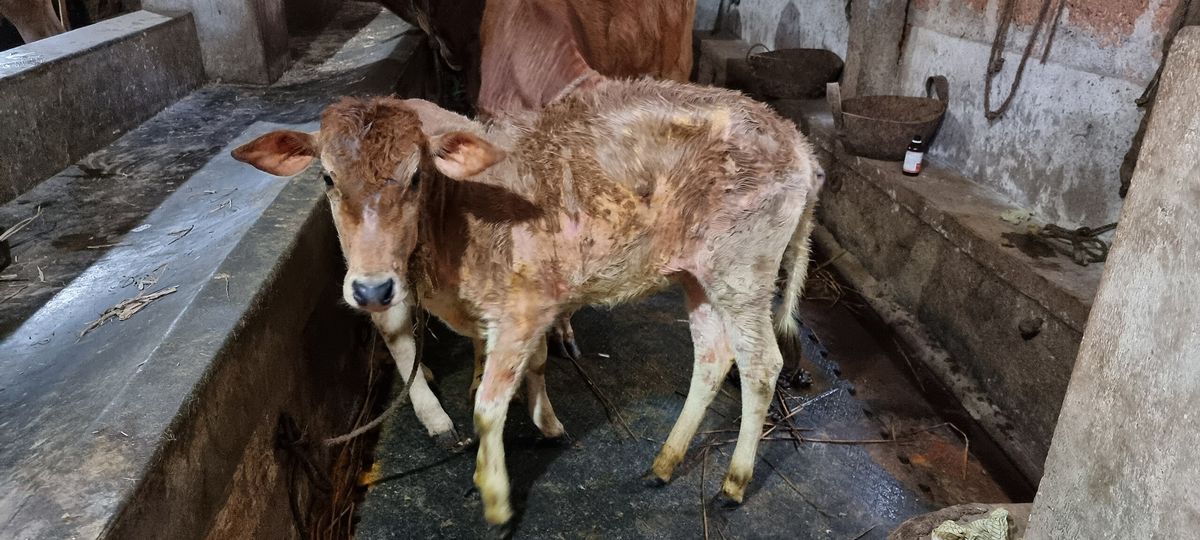 Lumpy skin disease causes fever, painful skin nodules and swollen lymph nodes in animalsWhat does the ban cover?
In England, Scotland and Wales, the following cattle products from Italy, France and Spain are currently banned:
- Live cattle
- Germplasm
- Offal
- Raw milk and raw dairy products, including cheeses
- Certain animal by-products (including hides and skins) unless processed to mitigate the risk of lumpy skin disease
The restrictions do not apply to Northern Ireland.
A Defra spokesperson told the Mirror tonight that the existing restrictions will be “kept under review”, adding that the government would do “whatever it takes to protect British farmers and their herds from disease”.
 Cases have been spreading across Europe – but French farmers claim measures to tackle the disease are heavy-handed(Image: AFP via Getty Images)Which cheeses are banned?
The ban in Great Britain specifically targets unpasteurised (raw milk) soft cheeses and dairy products that have not undergone sufficient heat treatment or aging.
Defra says this aims to prevent lumpy skin disease from entering the UK, as it can be transmitted through infected cow products.
Banned products include raw milk cheeses and fresh dairy products that are treated at lower-than-pasteurisation temperatures.
 Farmers formed a blockade on the A61 motorway towards Toulouse to protest against the cull(Image: AFP via Getty Images)Is there any risk to humans?
There is no risk to humans from lumpy skin disease, as the infection is not zoonotic – meaning it cannot be spread from humans to animals.
The current import restrictions are designed to stop the infection spreading to cattle, as the consequences could be devastating for the British farming industry.
Over 6.5 million farm animals were culled during the foot and mouth outbreak back in 2001, with regulations requiring all animals to be killed within a two-mile radius if one case of the disease was detected. Massive ‘fire pits’ were set up to burn the carcasses of culled livestock.
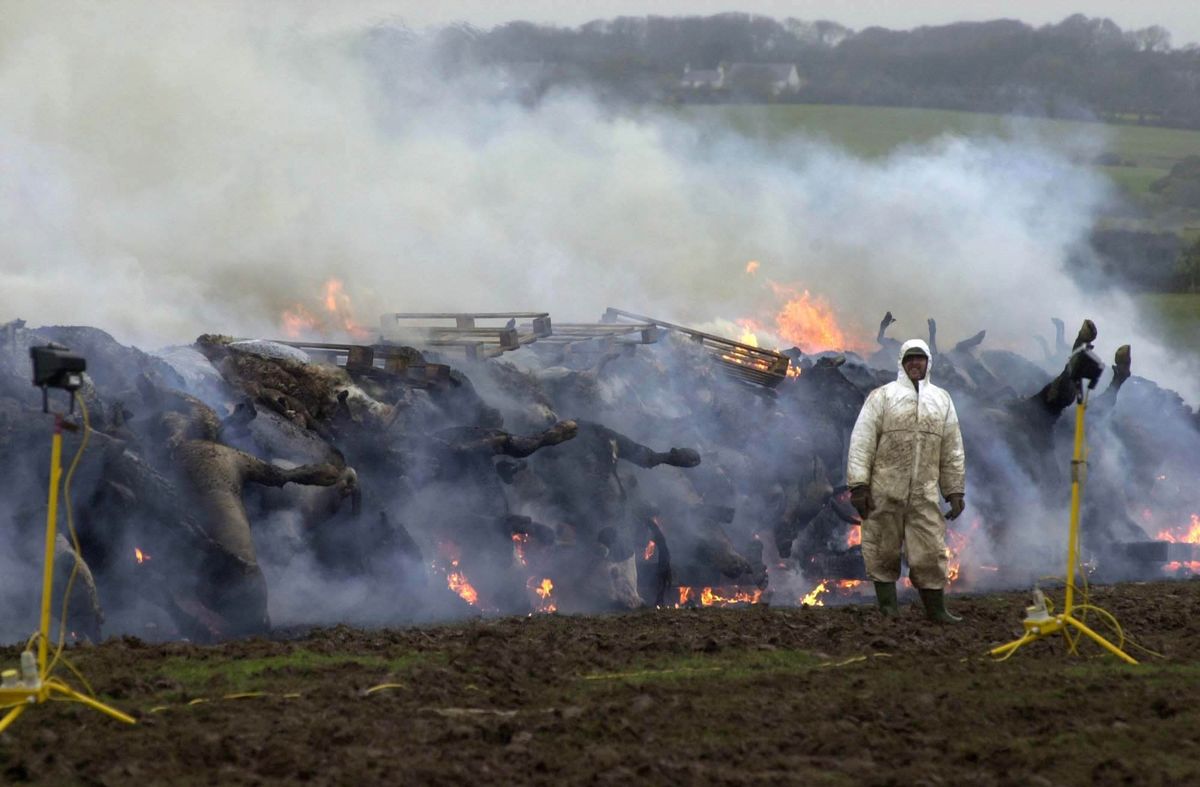 Over 6.5 million farm animals were culled in Britain during the 2001 foot and mouth outbreak (Image: Daily Post Wales)What has the government said about lumpy skin disease?
A Defra spokesperson told the Mirror: “This government will do whatever it takes to protect British farmers and their herds from disease.
“Following outbreaks of lumpy skin disease across Europe, we have strengthened protections by introducing temporary restrictions on a small amount of imports, including some cheeses.
“The remaining restrictions will be kept under review and will continue to apply until it is determined that imports of these products no longer pose an unacceptable risk of introducing lumpy skin disease into Great Britain.”