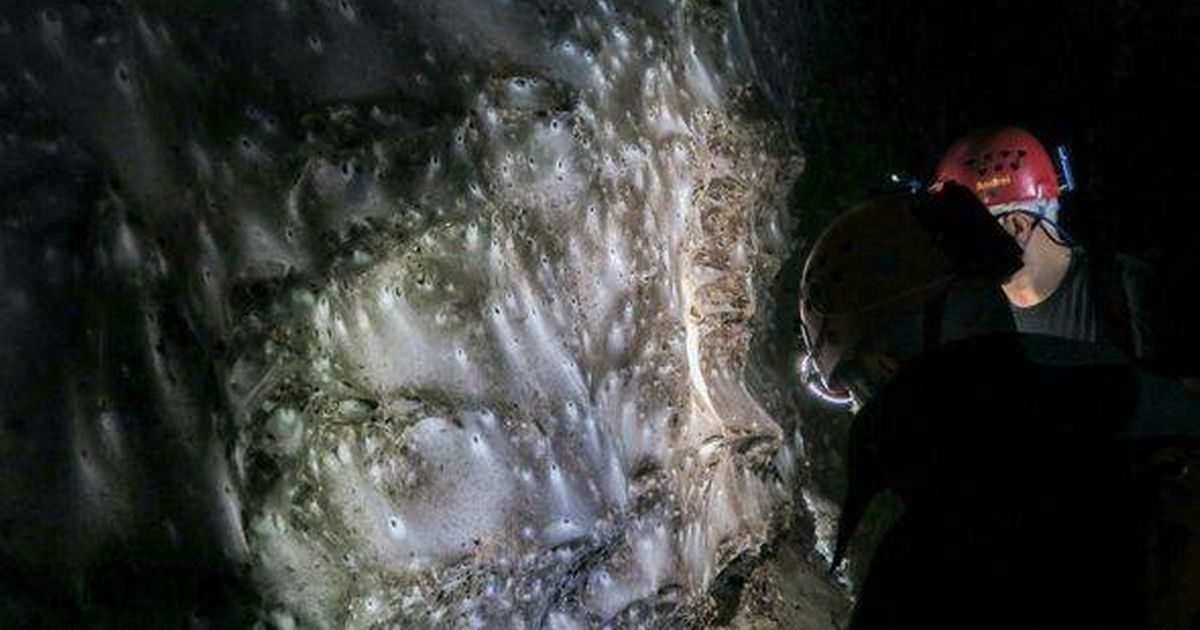
Scientists discovered a colossal 106-square-metre web in Sulfur Cave on the Albania-Greece border, home to 69,000 barn funnel weavers and 42,000 sheet weaver spiders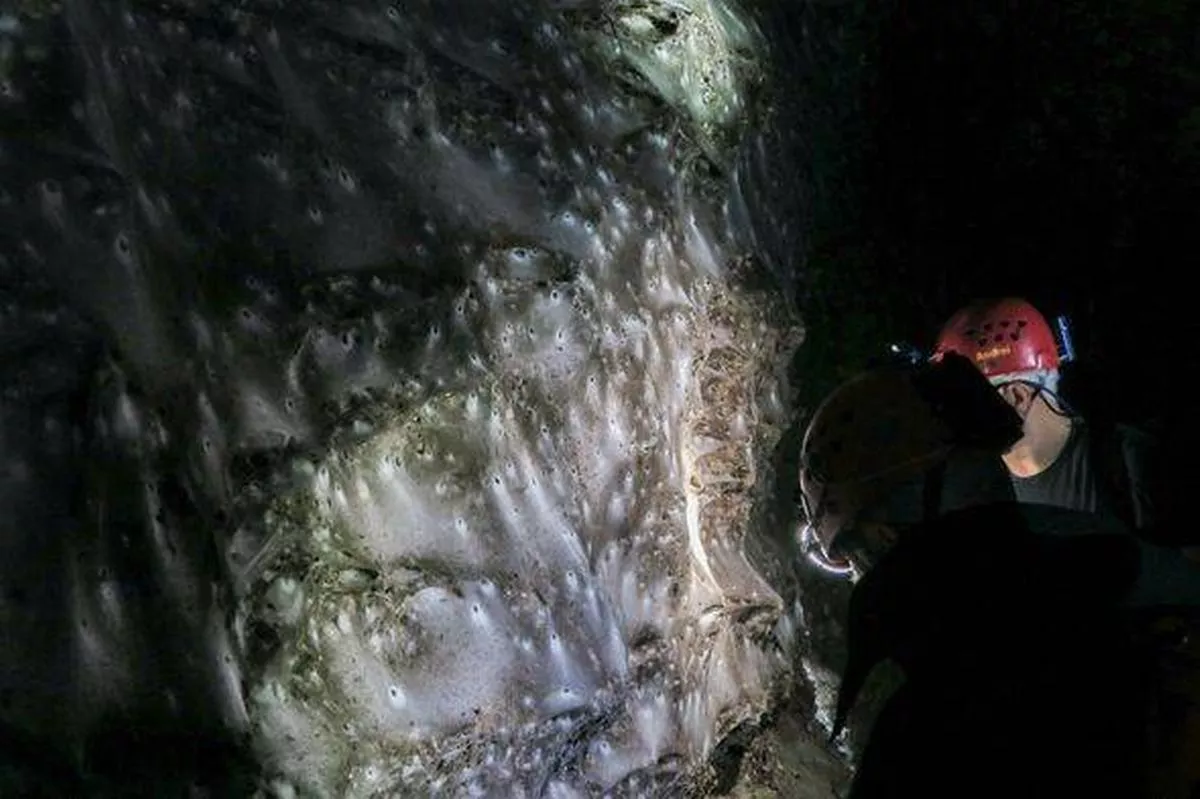 Scientists have discovered a colossal spider web thought to be the largest in the world(Image: UNIVERSITE LIBRE DE BRUXELLES/AF)
Scientists have uncovered what’s believed to be the world’s largest spider web, home to more than 100,000 eight-legged residents. In images guaranteed to send shivers down the spine of anyone with arachnophobia, an enormous shared web blankets the wall of Sulfur Cave, which straddles the Albania–Greece border.
Discovered in 2022 by cavers from the Czech Speleological Society and subsequently examined by scientists, the web measures a staggering 106 square metres and houses two different species of spider: 69,000 domestic spiders (T. domestica, barn funnel weaver) and 42,000 Prinerigone vagans (a type of sheet weaver spider), according to Discover Wildlife.
Situated in sulphur caves formed by sulphuric acid as part of a process that involves hydrogen sulphide reacting with oxygen, the web’s location is within a cave system that has an entrance in Greece but crosses into Albanian territory.
However, the sheer scale isn’t the only remarkable feature of this find; it’s also proven to be the first documented instance of a web created by multiple species.
The barn funnel weaver typically preys on smaller spiders, which include the sheet weaver mentioned above, making this discovery particularly extraordinary.
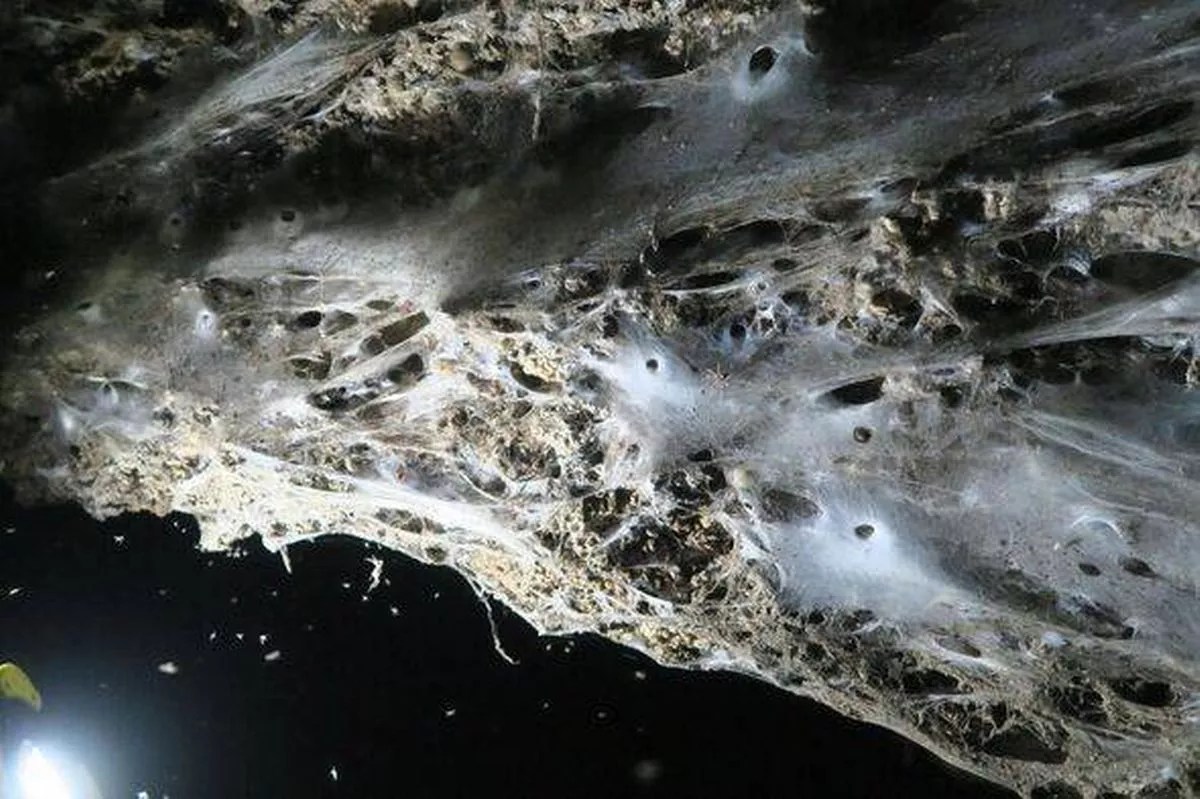 The vast communal web is located in a cave on the border between Albania and Greece(Image: UNIVERSITE LIBRE DE BRUXELLES/AF)
Chatting with As It Happens’ Nil Köksal, as reported by CBC, scientist Serban Sarbu explained: “To find so many spiders in one spot in a cave, that was the first surprise. So [then], you ask yourself the question, ‘Why are they there? What’s, in fact, keeping them alive?'”
It’s also thought that the lack of light and the supply of midges or flies for both species to feed on meant the two spider species had no reason to venture outside the cave, the BBC reports.
Writing in the journal Subterranean Biology, the researchers explained: “The colonisation of Sulfur Cave by T. domestica was most likely driven by abundant food resources represented by the dense swarm of chironomids [midges] thriving in the cave.”
The cave hosts a raft of other creatures as well, including scorpions, centipedes, bats, beetles, and chironomid fly larvae, which reportedly get caught in the webs once they reach maturity.
Sarbu explained: “They become trapped there and then the spiders get out of their little funnel holes and catch the flies and eat them.”
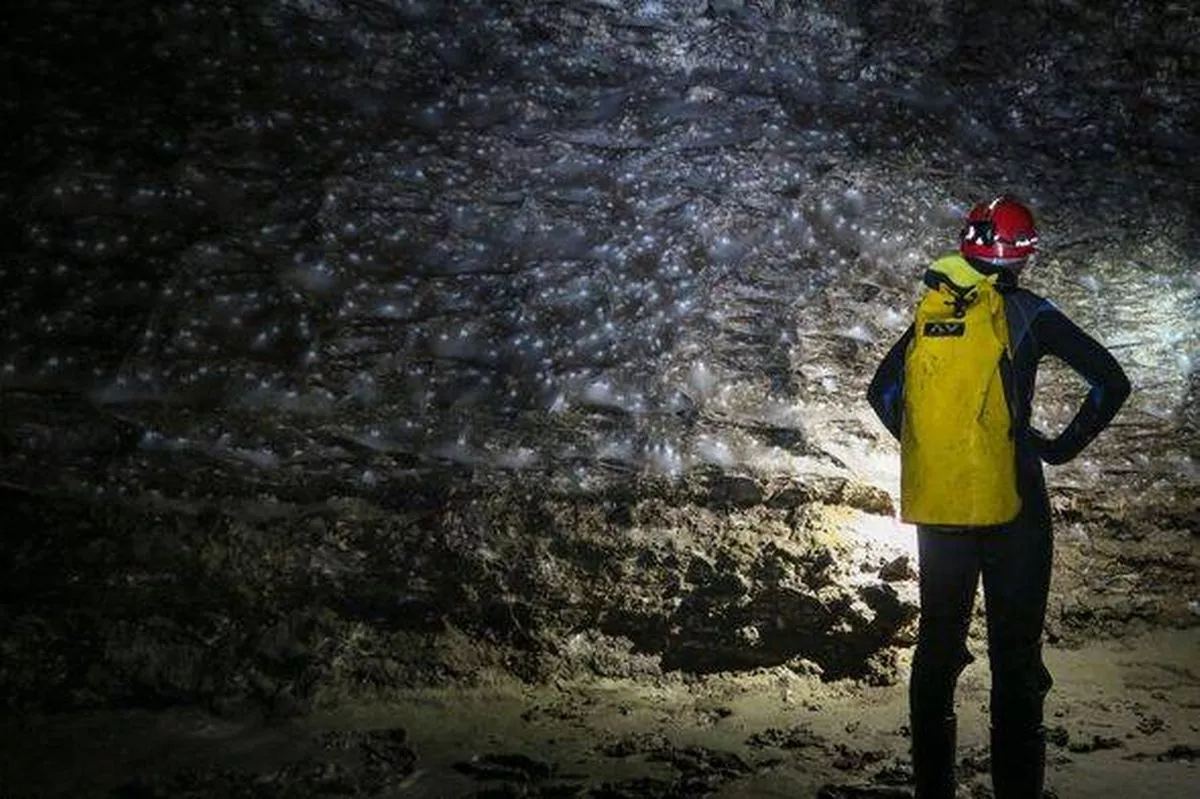 The communal web plays host to more than 100,000 creepy crawlies(Image: UNIVERSITE LIBRE DE BRUXELLES/AF)
In related news from October, the BBC reported that an endangered species of spider, known as Aulonia albimana (a type of wolf spider), was rediscovered on the Isle of Wight, marking 40 years since it was last documented.
The discovery was made at the National Trust’s Newtown nature reserve, with Mark Telfer, part of the search team, calling it an “unforgettable” moment.
He added: “To find a species thought lost for 40 years is thrilling — and testament to how the right habitat management, combined with curiosity and collaboration, can deliver remarkable results.”