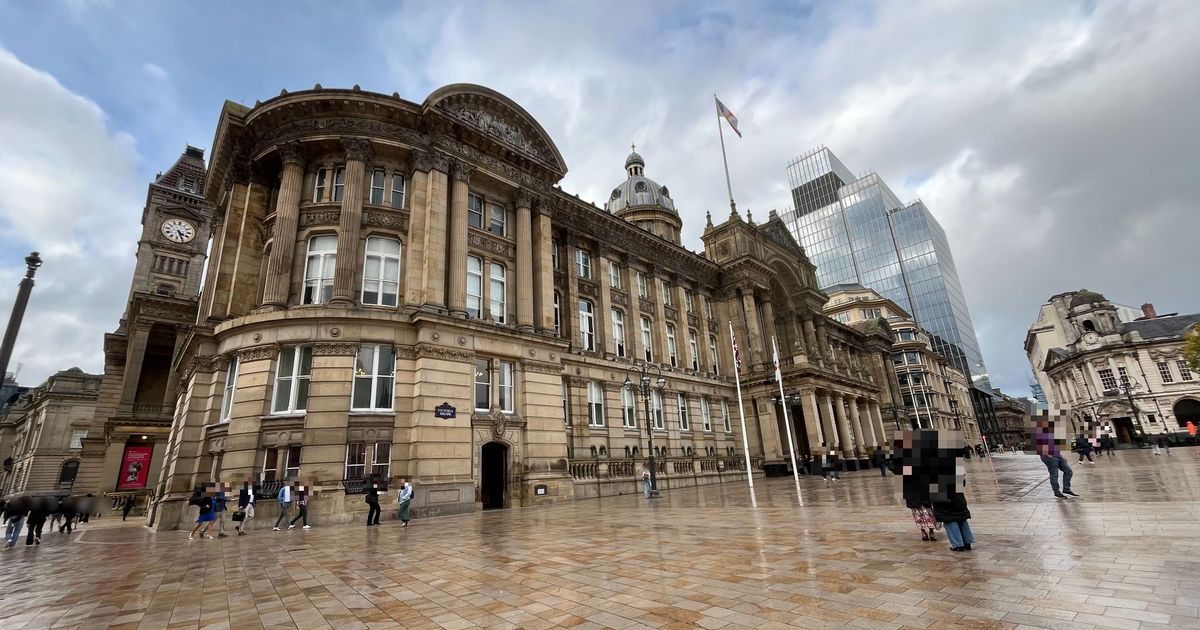
Birmingham City Council and other councils in the most deprived areas receive funding boost from the government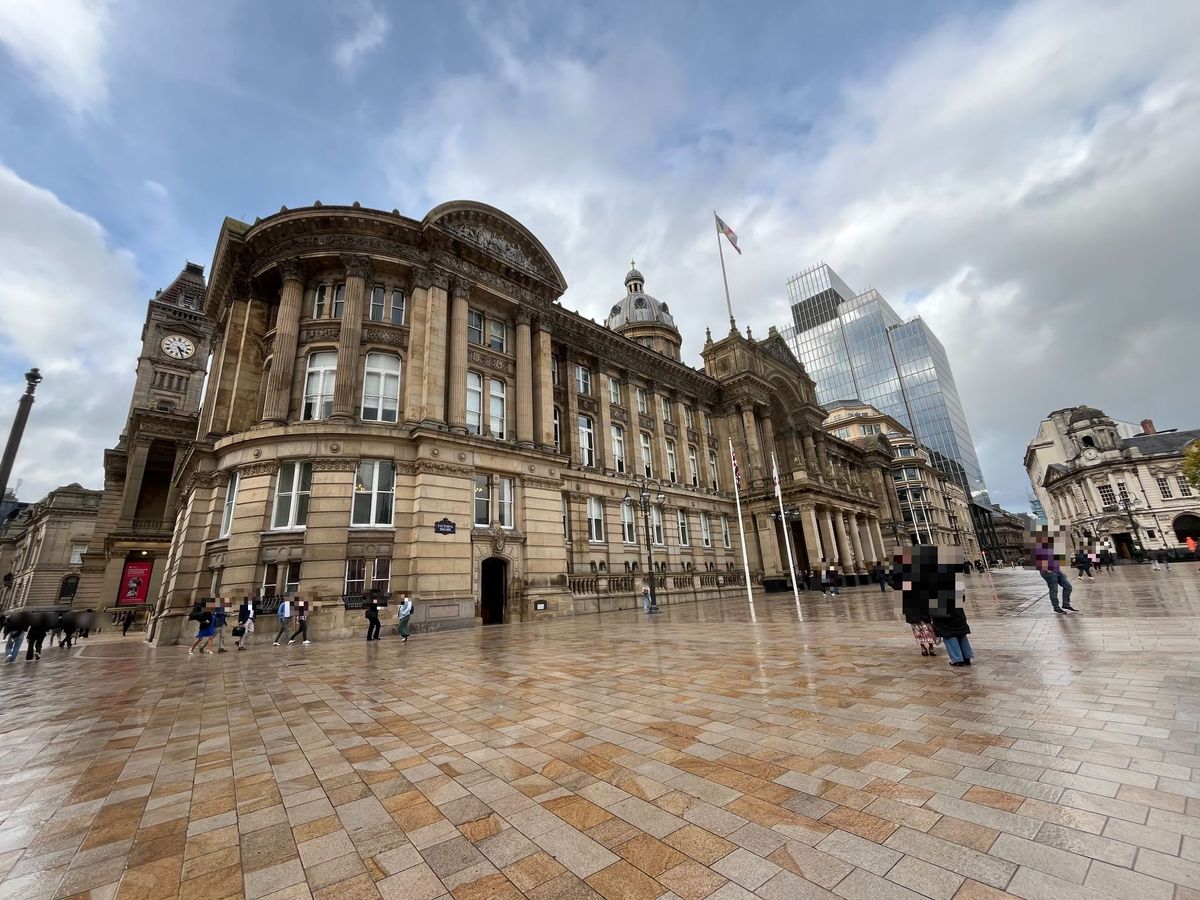 Birmingham City Council’s Council House in Victoria Square
Birmingham has emerged as a major winner after the Government announced it was to give more spending money to councils in the most deprived parts of the country.
The city council is to get millions of extra funding to help it deliver essential services as part of the multi year settlement announced in the House of Commons today, Wednesday December 17.
The move was hailed as a massive fillip to the beleaguered council, still in recovery after declaring its de facto bankruptcy two years ago.
READ MORE: Anger over ‘intimidating’ threat to hold bin strike protests outside councillors’ homes
The announcement was part of a deal announced to pump a total of £78 billion funding into local authorities across England over three years, heavily weighted to support areas of the greatest deprivation over more affluent parts of England.
Council leader Cllr John Cotton hailed the settlement. It will mean by 2029 the council will have seen its funding increase by 45% in five years, the equivalent of £651.5 million.
He said: “This is the end of councils living hand-to-mouth.
“After 14 long years of Conservatives cutting our funding, we’ve now got a Labour government that is investing hundreds of millions of pounds in Birmingham, not just this year but for the years ahead, meaning that we can properly fund the services that make a difference in our communities.
“Whether that’s keeping the streets clean, or investing in our libraries, this settlement means that we can deliver on what’s most important for the people of Birmingham.”
It is the first multi year settlement announced in a decade.
Under the reformed funding formula, almost half of councils (43%) will see their funding fall in real terms over the next three years. This includes the majority of shire districts (70%) and inner London boroughs (67%).
Far fewer major city councils, outer London boroughs and shire counties lose out while Birmingham is one of the big overall winners.
In the coming year it will receive £1.103 billion as its fair funding settlement for 2026-27, including £1.019 bn in baseline funding, £427.1m in tariff/top up funding, and better care funding of £83.8m. The settlement assumes the council will additionally impose the top permitted council tax raise of 4.99%.
Those two elements together make up a big chunk of the spending power available to the council.
Birmingham city council had to declare its financial distress in 2023 because of multiple issues including rising demand for services, a failed and costly IT Oracle project, loss making investment schemes and the spectre of equal pay.
Its officers are currently putting together a budget plan for the year ahead, with the draft plan set to be unveiled next month. Today’s announcement provides much needed breathing space as the council seeks to deliver a legal, balanced budget.
Birmingham Edgbaston MP Preet Kaur Gill welcomed the funding announcement, saying it was vital for Birmingham after 14 years of austerity cuts.
While Home Secretary Shabana Mahmood, MP for Birmingham Ladywood, said that austerity had ‘decimated public services in our city.’
“Today is a good day for Birmingham, and I will never stop fighting for our city and my home.”
Other parts of the region are also set to benefit, including Sandwell, now the fifth most deprived borough in the country. Antonia Bance, MP for Tipton and Wednesbury, said it was vital to ‘finally see deprived areas getting back what we are due.’
Local Government Secretary Steve Reed said: “This is a chance to turn the page on a decade of cuts, and for local leaders to invest in getting back what has been lost, to bring back libraries, youth services, clean streets and community hubs.
“Today we’re making sure every community has the funding they need to succeed.”
Local government and homelessness minister Alison McGovern said: “Deprivation doesn’t happen by accident, it’s the result of years of broken systems and wrong priorities. “This settlement tackles that head on by directing funding where it’s needed most.
“By fixing the link between funding and deprivation, we’re giving local areas the tools to create opportunities, support families and rebuild the services that hold communities together.”
The settlement also includes other changes, including letting councils keep all additional council tax from new homes to encourage local growth and home ownership. The £600 million Recovery Grant introduced last year will continue throughout the three-year settlement, which aims to help areas hit hardest by underfunding.
In the Commons, chairwoman of the Housing, Communities and Local Government Committee Florence Eshalomi pressed the Government to conduct “whole-scale reform” of council tax. “It’s the most regressive form of taxation,” the Labour MP for Vauxhall and Camberwell Green added.
Shadow local government minister David Simmonds said the “undertaker Prime Minister is ushering many councils towards their financial doom”. He added: “This is a tax-raising, job-destroying, housing-hobbling, rate-raising, service-slashing, community-crippling, election-cancelling settlement that fails even on its intended purpose of shunting resources to politically favoured areas.”
In her statement to MPs earlier, Ms McGovern said: “Local high streets are always changing, but deprived towns saw more empty shops, more vape shops, more pawnbrokers than other places, and their councils didn’t have the resources to do anything about it.
“The last decade and a half of austerity impacted every community, but the very worst effects were felt by people living in the most deprived areas, and that was a choice.
“By breaking the link between funding and deprivation, the Tories punished poorer councils.” The minister said that under the old system, deprivation could only account for 25% variation in capital funding allocation. Under this settlement, it is up to 75%, with factors such as coastline, miles of road and visitor numbers also considered.
Several MPs representing rural parts of England shared their fears the new formula failed to take into account the cost of providing services in the countryside.