Long-standing opposition from France, Poland and Italy, where farming constituencies are influential, has turned the deal into a test of Brussels’ ability to rally allies abroad while holding together a deeply divided bloc.
“Mercosur plays a central role in our trade agreements,” said European Commission President Ursula von der Leyen on her way into the leaders summit on Thursday morning, adding it was “of enormous importance we get the green light.”
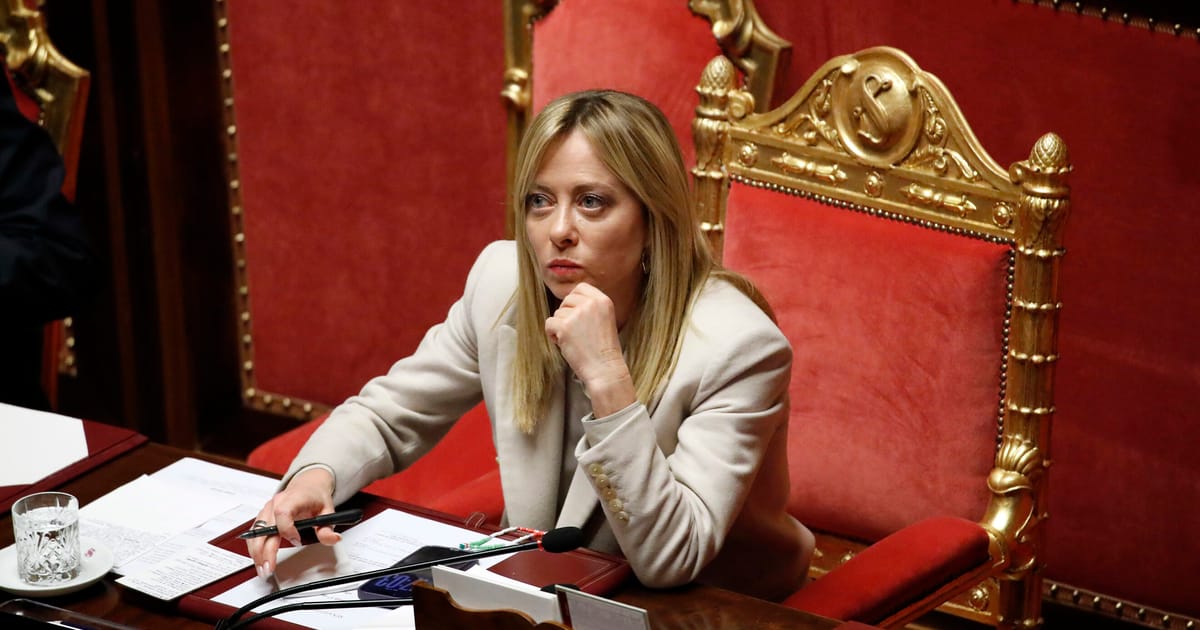
Yet Meloni derailed the carefully laid plan.
Brazil’s President Luiz Inácio Lula da Silva said the Italian leader promised him on a call Thursday that she would support the deal as soon as she secured the backing of Italy’s farmers. Despite heaping pressure on Europeans in recent days, Lula ended up accepting the delay, the diplomats said.
Meloni’s pushback meant there was not enough backing from EU countries for von der Leyen to fly to Brazil this weekend to sign the deal as planned — despite the huge political capital invested on each side in trying to finalize it by the end before Christmas.
Even if Rome and Paris come around, the agreement’s troubles are far from over: The deal must still pass through the European Parliament, where opposition is mounting across the political spectrum.