
Joan Alexander was diagnosed with ADHD in her 50s after being misdiagnosed with other conditions for decades. She is just one of many neurodivergent women who face late-in-life diagnosis.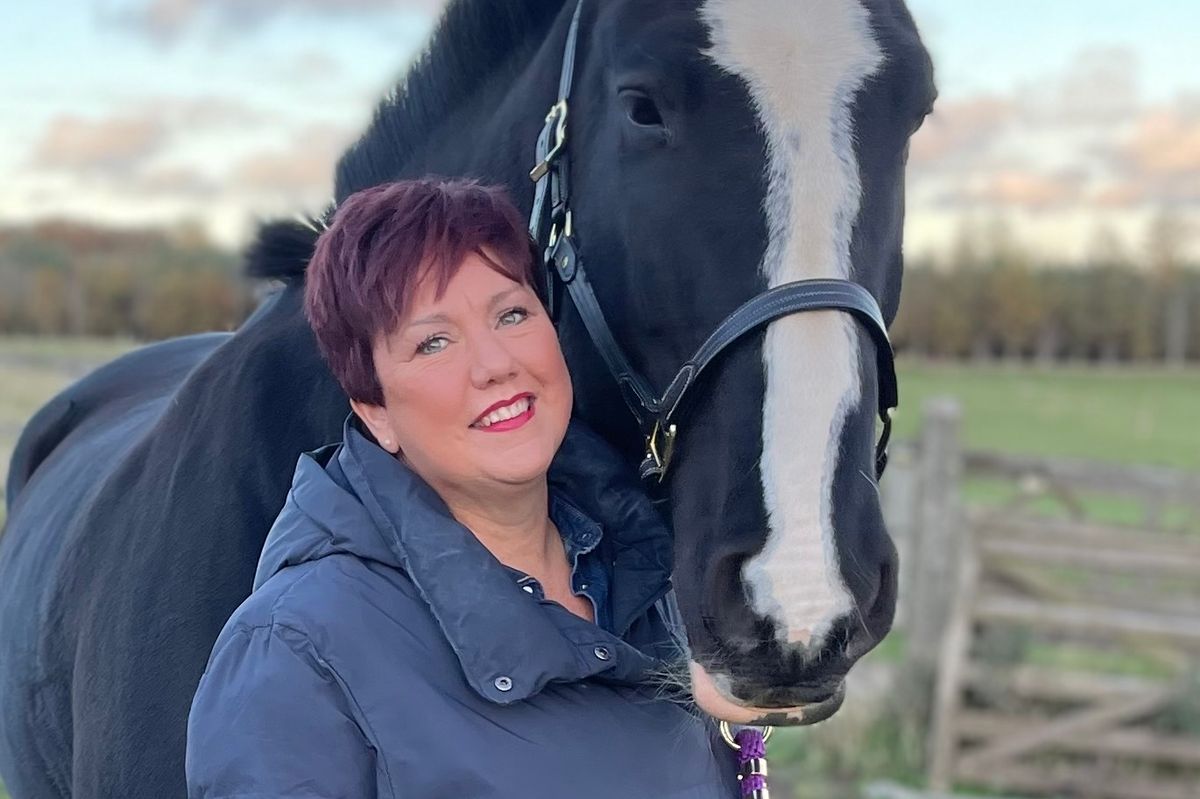 Joan Alexander(Image: Supplied)
An Edinburgh mum with a “debilitating” condition has finally found support after facing decades of misdiagnosis.
Joan Alexander was diagnosed with ADHD three years ago but only learned the truth in her mid-50s, years after crucial support was needed.
Now 57, Joan has told of being incorrectly diagnosed with depression, anxiety, and an eating disorder.
She told Edinburgh Live: “I think my whole life would have been different. I think I could have gone to university with the right help and support.”
Nearly 80 per cent of females with autism are misdiagnosed, according to data, often with conditions like borderline personality disorder, eating disorders, bipolar disorder, depression, and anxiety. And women with ADHD are less likely to be diagnosed in childhood than are their male counterparts, says studies.
Too often, professionals dismiss autism or ADHD as “anxiety”, delaying necessary support and leaving women feeling “stupid” or “lazy”. Years of such treatment can lead to feelings of confusion and even depression, according to the University of Durham, as well as the delay of much-needed support.
Growing up, Joan never though going to unviersity was even an option for her. Her symptoms make it difficult to focus on tasks and grasp new concepts. She also grapples with rejection sensitivity, a “debilitating” condition that causes intense emotional pain from perceived or actual criticism and rejection, which leaves her with constant “inner turmoil”.
She said: “It’s very debilitating and it’s a daily battle. It can be a look, a comment, something that’s perceived, it can be nothing at all, but you’re having to deal with this inner turmoil. I’d say as a child that was incredibly difficult to manage.
“My head is like a box of frogs and it’s constantly jumping about. Even on quiet times my head has got 150 record players playing the same tune at different speeds and different times.”
In her 30s Joan was diagnosed with depression and anxiety, a verdict that left her skeptical. Soon after, she gained “a lot of weight” and was diagnosed with an eating disorder – a symptom she now knows is linked to her ADHD.
Research indicates ADHD symptoms may be related to a deficiency of dopamine, a chemical that regulates pleasure and motivation. People with ADHD may over eat while chasing a “dopamine high”, which might account for eating disorder diagnoses in women with ADHD.
Joan always felt different and wonders how her life might have changed had she been offered support from childhood.
She said: If it was diagnosed as a young person now, there would be so much support given to me so I could achieve. Back in the day, there wasn’t that level of understanding for people. I never saw myself as being clever or academic or having the ability. I absolutely never even gave [university] a consideration because I never thought I could ever achieve it.”
Even now, Joan’s diagnosis affords her support at her job as well as peace of mind.
She continued: – It’s a really pivotal thing. [Now I know] I’m not mad, I’m not stupid, I can’t help the fact I’m overweight and it’s a daily battle with food.
“Something happened at work and I got into a lot of trouble and it was 100 per cent connected to my ADHD. I’m really glad my work had that diagnosis at the time because that helped a lot.”
If you have a similar experience with ADHD, autism, or misdiagnosis, consult your GP. If you would like to share your story to raise awareness, please email nicholas.malizia@reachplc.com.