Hospitals face being plunged into chaos while at their busiest after junior doctors announced a four-day winter strike.
Union BMA Scotland has accused the Nationalist government of backtracking on previous promises over pay.
Scotland has so far avoided the disruptive strikes seen elsewhere in the country, but now the NHS looks set to be hit with a wave of hugely disruptive strike action.
Junior doctors – who are now known as resident doctors and are paid as much as £71,549 – backed the strike which will see them walk out next month.
But BMA Scotland, who have previously backed strikes only to relent at the last minute after a deal was agreed, said action was avoidable if they were given a ‘credible offer’.
Health Secretary Neil Gray and First Minister John Swinney were last night urged to stop the strike which could have ‘catastrophic’ consequences and see the NHS ‘collapse’.
Dr Sandesh Gulhane, Scottish Conservative health spokesman, said: ‘This is a terrifying development that risks pushing our broken NHS over the edge.
‘John Swinney and Neil Gray have pushed our health service to breaking point, with waiting lists spiralling out of control, vulnerable patients being treated in rammed corridors and a flu wave ripping through the country.
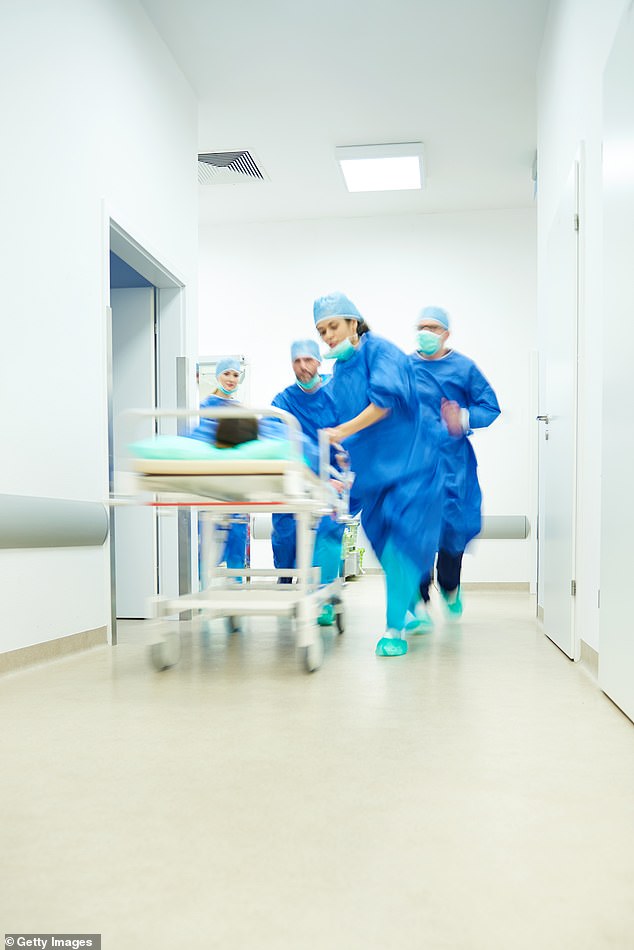
Scotland’s NHS is already feeling the pressure this winter – a strike by resident doctors will compound the misery
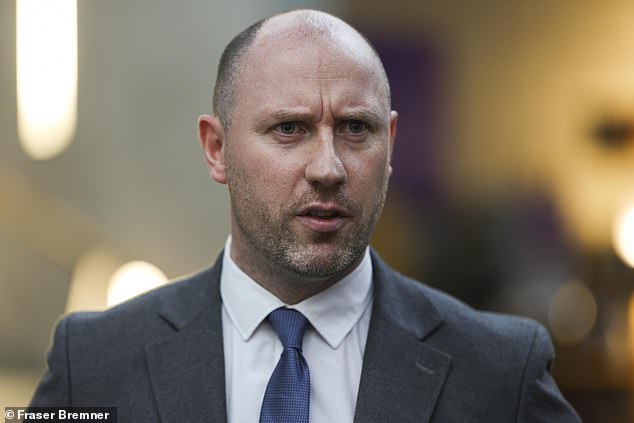
Health Secretary Neil Gray said he was ‘disappointed’ by the vote – but critics said he and First Minister John Swinney had pushed the service to ‘breaking point’
‘They need to do everything in their power to stop this strike action from going ahead. If doctors down tools at the height of winter, the consequences will be catastrophic.
‘The SNP leader has repeatedly gloated that Scotland’s NHS is free from strike action, while our health service crept towards the brink, due to his government’s mismanagement.
‘Excuses won’t cut it this time. If John Swinney fails to stop this strike, our NHS will collapse and Scots won’t forgive him.’
In England, where junior doctors have walked out in protest over pay, thousands of operations and procedures have been cancelled.
The ongoing strike south of the border – which will continue until Monday – has been condemned as ‘dangerous and utterly irresponsible’ by Prime Minister Sir Keir Starmer.
And there are now fears an already overstretched Scottish NHS could be put under even greater pressure by striking medics.
Dr Chris Smith, chair of the BMA’s Scottish Resident Doctor Committee, said: ‘The result of this ballot shows that resident doctors in Scotland are united in anger over the Scottish Government breaking the deal they agreed over pay just two years ago.
‘This is not where we wanted to be.
‘However, we have sent a message loud and clear – the Government cannot brazenly renege on its commitments without expecting to be held to account.
‘Instead of negotiating with resident doctors to make credible progress towards pay restoration, as they agreed to do, they have imposed a pay uplift that is the lowest average award received by resident doctors anywhere in the UK.’
He said that with the Scottish Government ‘turning their backs’ on the deal they had they were ‘knowingly putting the NHS in Scotland at risk of disruptive strike action’.
Winter is the busiest time for the health service and junior doctors, who make up almost half the medical workforce in Scotland, announced they would walk out of Scottish hospitals at 7am on January 13 and not return until the same time on January 17.
Out of the 5,185 entitled to vote in the strike ballot, some 58 per cent voted.
Of the 3,008 ballots returned the overwhelming majority, some 92 per cent, backed the walkout with just 8 per cent voting against.
Junior doctors range from those who are newly qualified to those with as many as 10 years experience.
Foundation doctors have a starting salary of £34,500, and resident doctors are paid a maximum of £71,549.
Health Secretary Neil Gray said he was ‘disappointed’ they had voted for strike action and said he would meet with the union on Monday.
The SNP MSP said: ‘Resident doctors in Scotland have received a 4.25 per cent pay uplift this year – as part of a two-year deal – the same accepted by nurses and other NHS staff.
‘This means by 2027 we will have delivered a cumulative pay rise of 35 per cent in four years.
‘Our top priority for our patients and the workforce is to improve waiting times, access to the NHS and positive outcomes.
‘Industrial action will put all that progress at risk.’