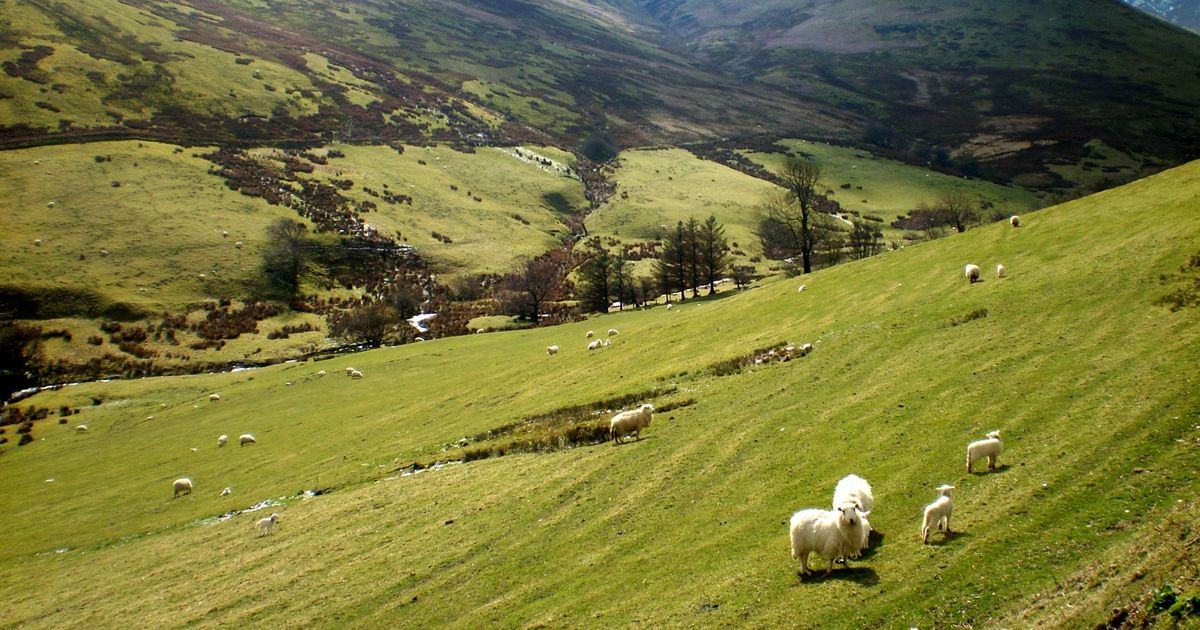
‘It would be It would be misleading to suggest that the balance of views was tipped in favour of designation only by respondents from outside the boundary’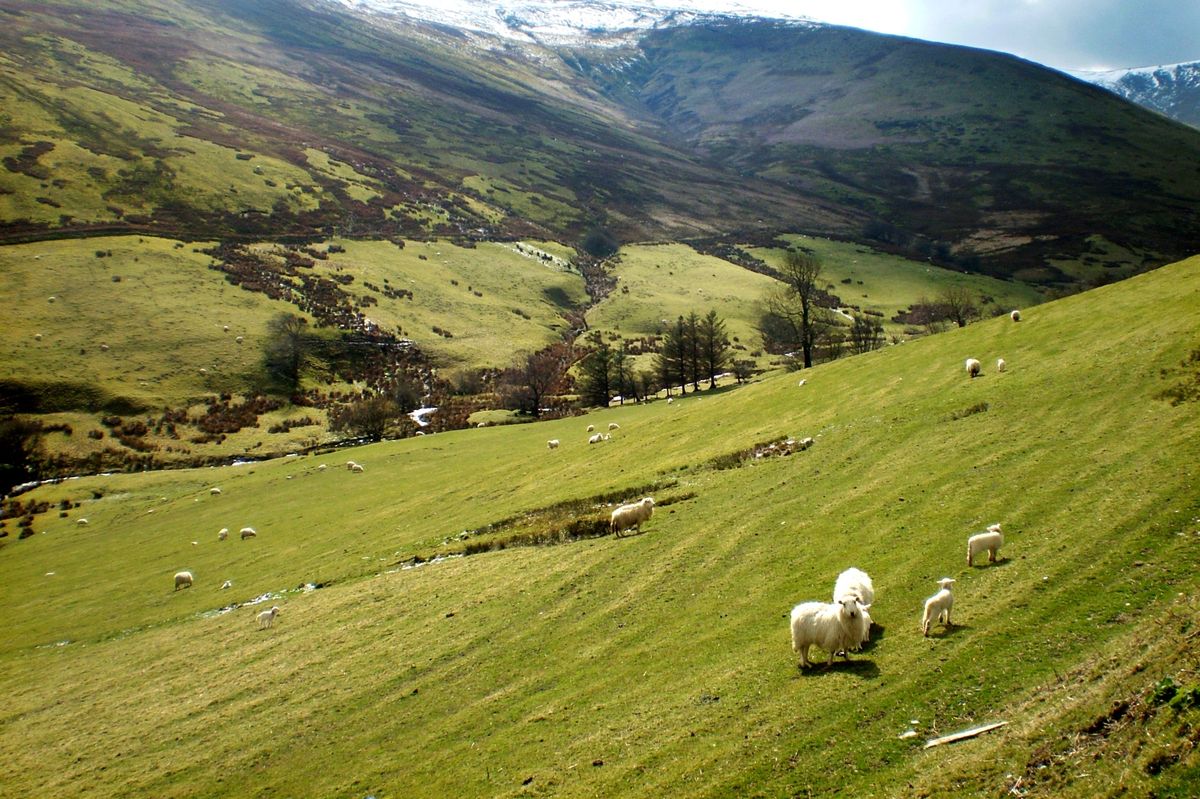 Farming unions have voiced disquiet about the proposed national park(Image: Glyn Jones)
Calls are being made for local views to be give special emphasis when considering a new national park in northeast Wales. It follows claims that public feedback is being distorted by people outside the proposed boundaries who will not be directed affected by the proposed designation.
Natural Resources Wales (NRW) has begun analysing responses to its latest consultation on the planned Glyndŵr National Park. By expanding on the current Dee Valley AONB, this could extend from the coast in Prestatyn, Denbighshire, through Flintshire, Wrexham and northern Powys.
In recent months, online opposition to the proposals has been gathering pace, claiming negative impacts on housing, farming, road congestion and local services. Supporters have been less vocal but feedback gathered by NRW suggest they are in a majority.
Taking issue with this is Machynlleth farmer Nick Fenwick, a former policy director at the Farmers’ Union of Wales. He’s been frustrated by NRW responses to Freedom of Information requests seeking clarification of the degree of public support and opposition within the proposed park itself.
Depending on how consultation feedback data is interpreted, he claimed it was possible that “well over half of local respondents” opposed the park’s creation.
He added: “While a consultation is not a referendum, you’d have to have complete disregard for local residents to fail to assess what the feelings of respondents from within the proposed park area were: That should be at the top of the ‘to do’ list in such a consultation.”
Following a 2024 consultation, NRW concluded that 42% of respondents supported the national park plan and a further 10% backed it but wanted modifications to the boundary. Some 44% were against it and 4% said they “don’t know”. Join the North Wales Live Whatsapp community now
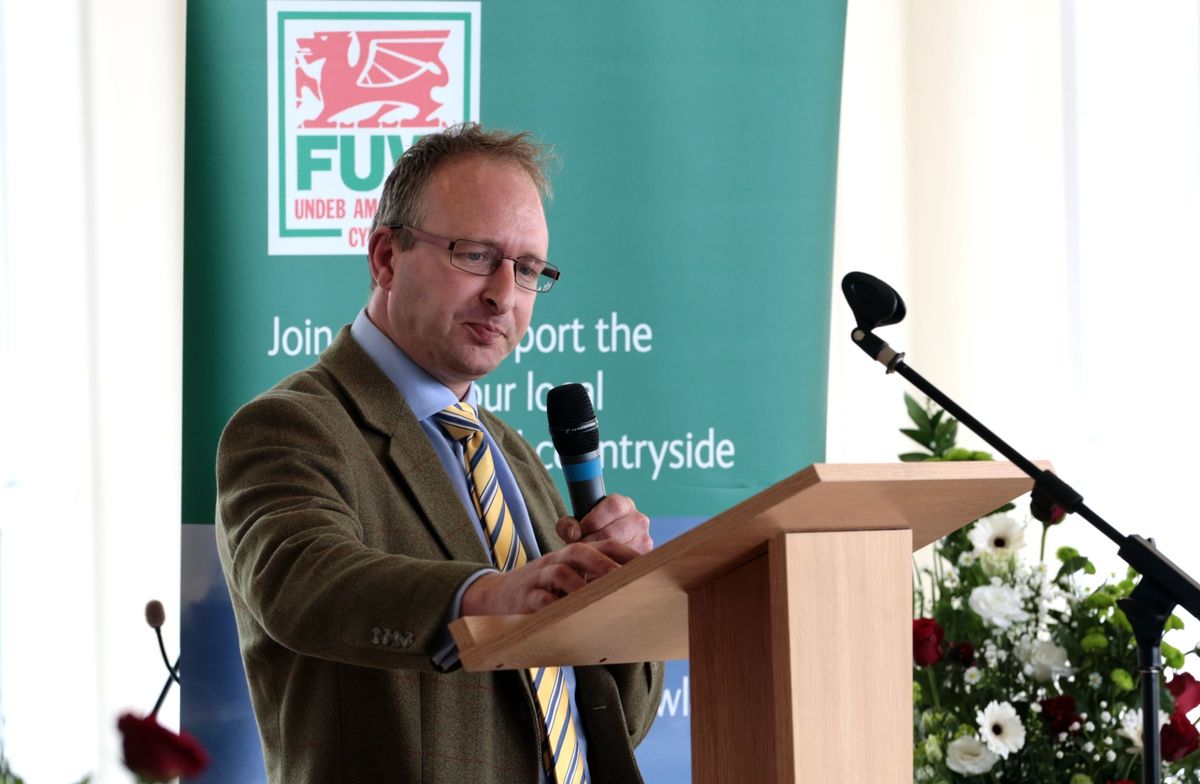 Nick Fenwick during his time at the Farmers Union of Wales(Image: FUW)
At the time, NRW acknowledged that responses were “received from all across Britain, from the north-west of Scotland and Northern Ireland, to Kent, Portsmouth and Plymouth”. However it stressed the “majority were received from Wales, and more specifically from in and around the new National Park’s proposed draft boundary”.
Going further, NRW noted that 82.4% of the responses came from post code areas covered by the National Park’s proposed draft boundary. Ash Pearce, team leader of NRW’s Designated Landscapes Programme, said. “It would be It would be misleading to suggest that the balance of views was tipped in favour of designation only by respondents from outside the boundary.”
Seeking to drill down into feedback data, Mr Fenwick submitted an FoI request asking for a breakdown of the actual number and proportion of respondents from postcode areas in the proposed draft boundary. In response, NRW said it “does not hold this information” – the consultation did not directly assess the number of supporters, backers and “don’t knows” within the national park area.
Mr Pearce said this was because postcode areas did not directly align with the proposed boundary. “As a result, it is not possible to distinguish between those inside or outside the boundary from postcodes that overlap the boundary,” he said.
A heat map of responses compiled by NRW showed these were concentrated in the southern half of the proposed park. Adjusted for local population size, the greatest proportion were from Llandudno (LL) postcode areas, encompassing 37.3% of the responses received which identified a postcode.
This was followed by Shrewsbury (SY) postcodes, which cover the south of the proposed park (34.1%), and Chester (CH) postcodes, which covers the north east of the proposed park (11%).
The heat map also confirms responses were received from elsewhere Wales and across England and Scotland.
Of the 1,911 people who responded to the questionnaire, 43 respondents did not provide a postcode and four provided only the first three digits. Of the respondents, 94.4% responded as an individual, and 1.3% on behalf of a group or community. Some 3.5% were on behalf of an organisation, mainly the environmental and agricultural sectors.
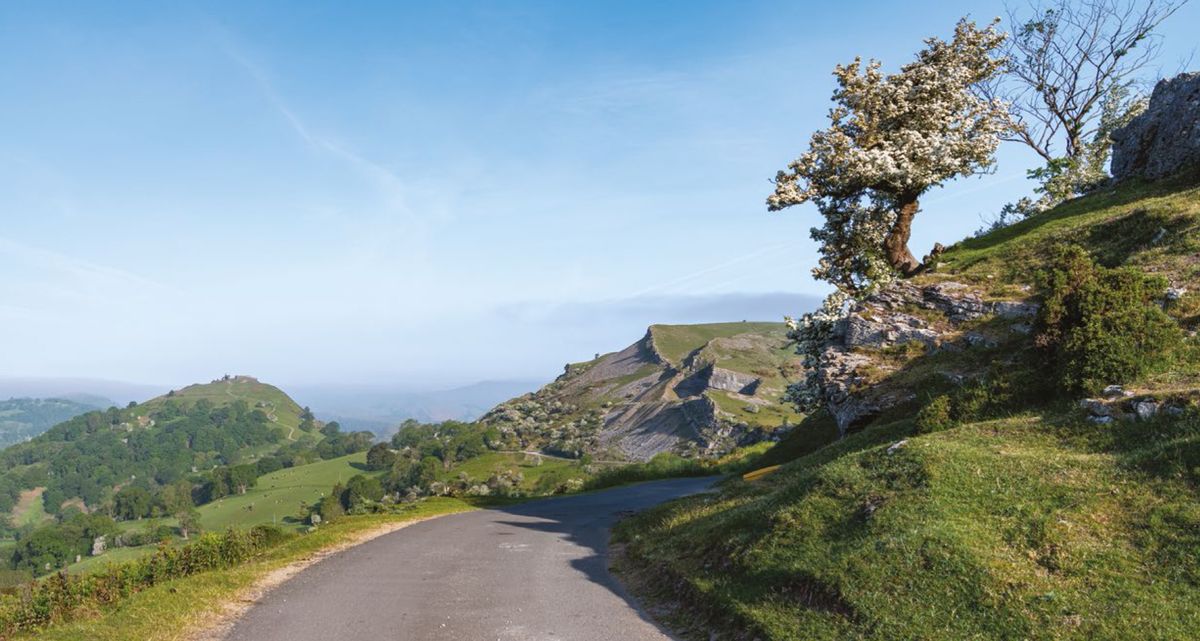 The Dee Valley, already designated an AONB/National Landscape, is among the areas being considered for the new national park(Image: Natural Resources Wales)
Mr Fenwick argues all this data still fails to accurately reflect local sentiment, under-mining the claimed consensus. He said: “Potentially diluting local views by mixing them with those of people who live hundreds of miles away, or even in Scotland, Northern Ireland and Kent etc, shows complete disdain for those locals who would be impacted most by the creation of a new National Park.”
He pointed to a 2019 submission to an FoI tribunal at which the Welsh Government stated that, “the request for geographic information suggests that there is a need to distinguish the views of people from within and outside Wales”.
Mr Fenwick added: “Such distinction is a pretty basic need in a modern democratic society, especially when consultation responses can be sent by people, campaign groups or even robots on the other side of the world.
“NRW needs to recognise this when analysing and publishing the responses to their latest consultation, however inconvenient the views of local people are to the Welsh Government’s narrative.”
Rejecting this claim, Mr Ash said the consultation’s purpose was to “assess the content and rationale provided in responses”, particularly in relation to the criteria for designation.
He added: “The consultation was not a poll or referendum on designation. Such a poll would have required a randomised response to be meaningful, including respondents from outside the boundary.” Sign up for the North Wales Live newsletter sent twice daily to your inbox
Find out what’s happening near you