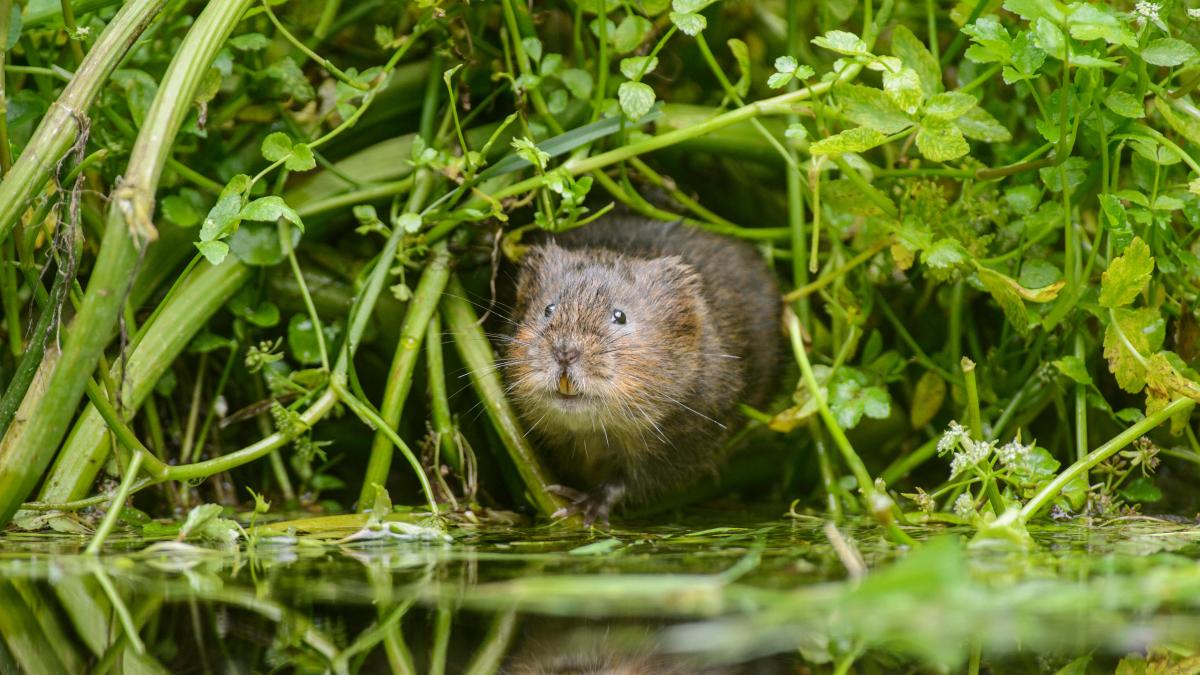
Tina Cruise’s advice for handling water voles is to get a pack of Pringles. One empty tube is the perfect vessel for moving the endangered species, she said as she walked alongside the willow and reed-filled banks of Crane Park Island.
More than 130 of the rodents were released here last summer to swell a small existing community. As Cruise and other London Wildlife Trust volunteers used the crisp cans for transporting the animals from cages to the park’s waterways, one paused before heading out. “I realised it was the first time they had ever seen water. They were captive-bred,” Cruise said.
The hesitant vole may soon be joined by many more in London. Reintroduction programmes are being drawn up for several of the city’s rivers and it can be revealed that the native species’ most prolific predator has been wiped out across Greater London.
Before 1900, there were about eight million water voles in Britain, common enough to warrant a slot as “Ratty” alongside toads, moles and badgers in Kenneth Grahame’s 1908 novel, The Wind in the Willows. Today, their numbers have plummeted to an estimated 132,000 nationally.

Tina Cruise at Crane Park Island
TIMES PHOTOGRAPHER RICHARD POHLE
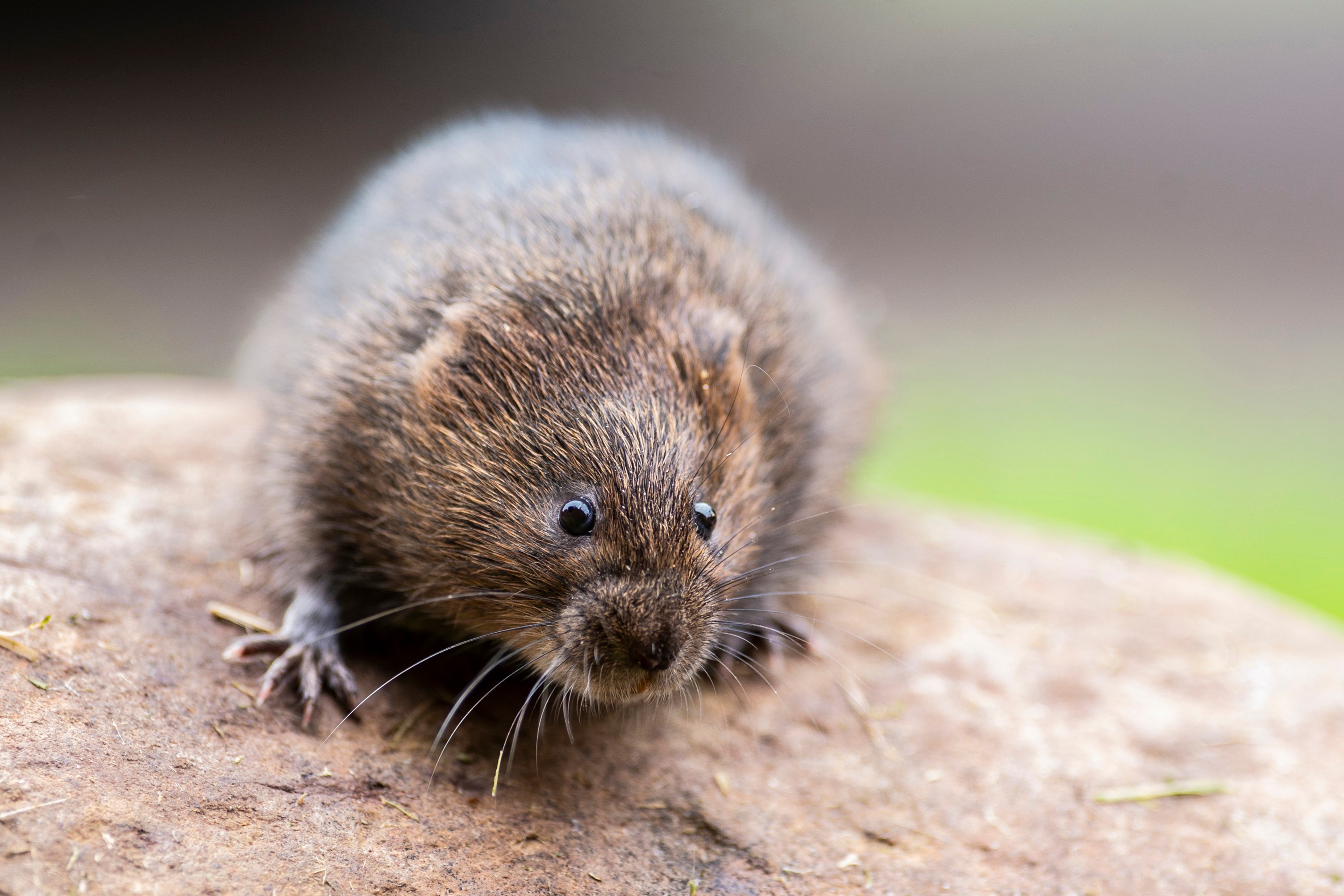
STEVE HAYWOOD/NATIONAL TRUST/PA
The main reason for the decline has been the American mink. The invasive species, which escaped from fur farms in the middle of the last century, bred in the wild and began decimating vole populations.
• Beavers, voles and wiggly rivers: rewilding is coming to London
Water voles can hide from storks and foxes in their burrows, but female and young mink are small enough to enter too. Once inside, experts said, they were like a fox in a henhouse, often killing every animal even if they could not eat them. “It’s a juicy morsel and defenceless,” said Rob Martin, south London project officer at the Waterlife Recovery Trust.
However, the mink is now believed to have been eradicated across Greater London. Martin’s charity, which is run by the man who led the eradication of rats on the British Overseas Territory of South Georgia to save its penguins, albatrosses and other seabirds, thinks it has caught the capital’s last mink.
• I’m eager for beavers but know they’ll bring chaos
A total of 14 were trapped in one of the charity’s custom-built floating cages in London last year, lured by the pungent scent of secretions from the anal glands of previously captured mink. This year there were just two, despite a greater number of cages.
Once captured, the mink are humanely dispatched with an air rifle. Their carcasses are frozen and then sent to Cambridge for analysis. Their teeth can determine their age and DNA samples reveal maternal bloodlines, enabling researchers to map how the invasive species is spreading across Britain.
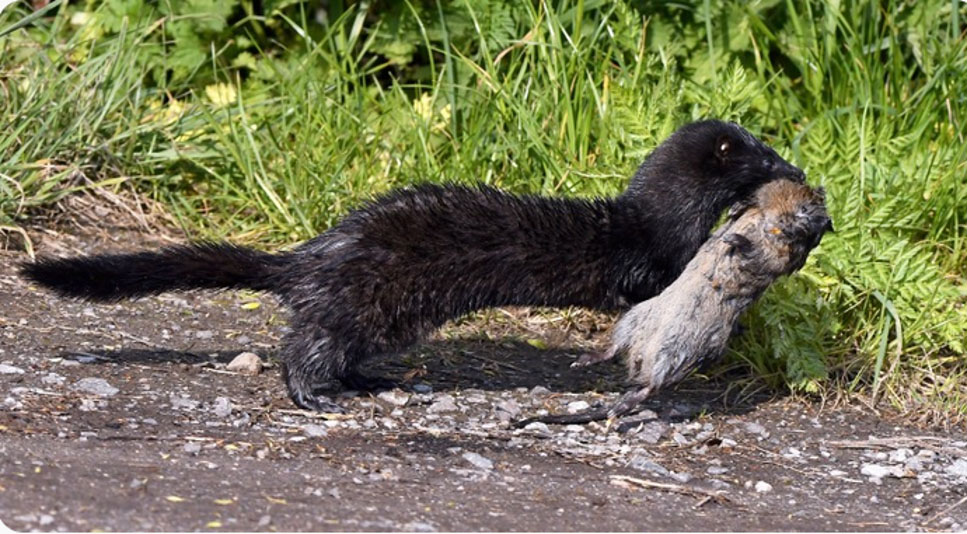
An American mink carrying a water vole
WATERLIFE RECOVERY TRUST
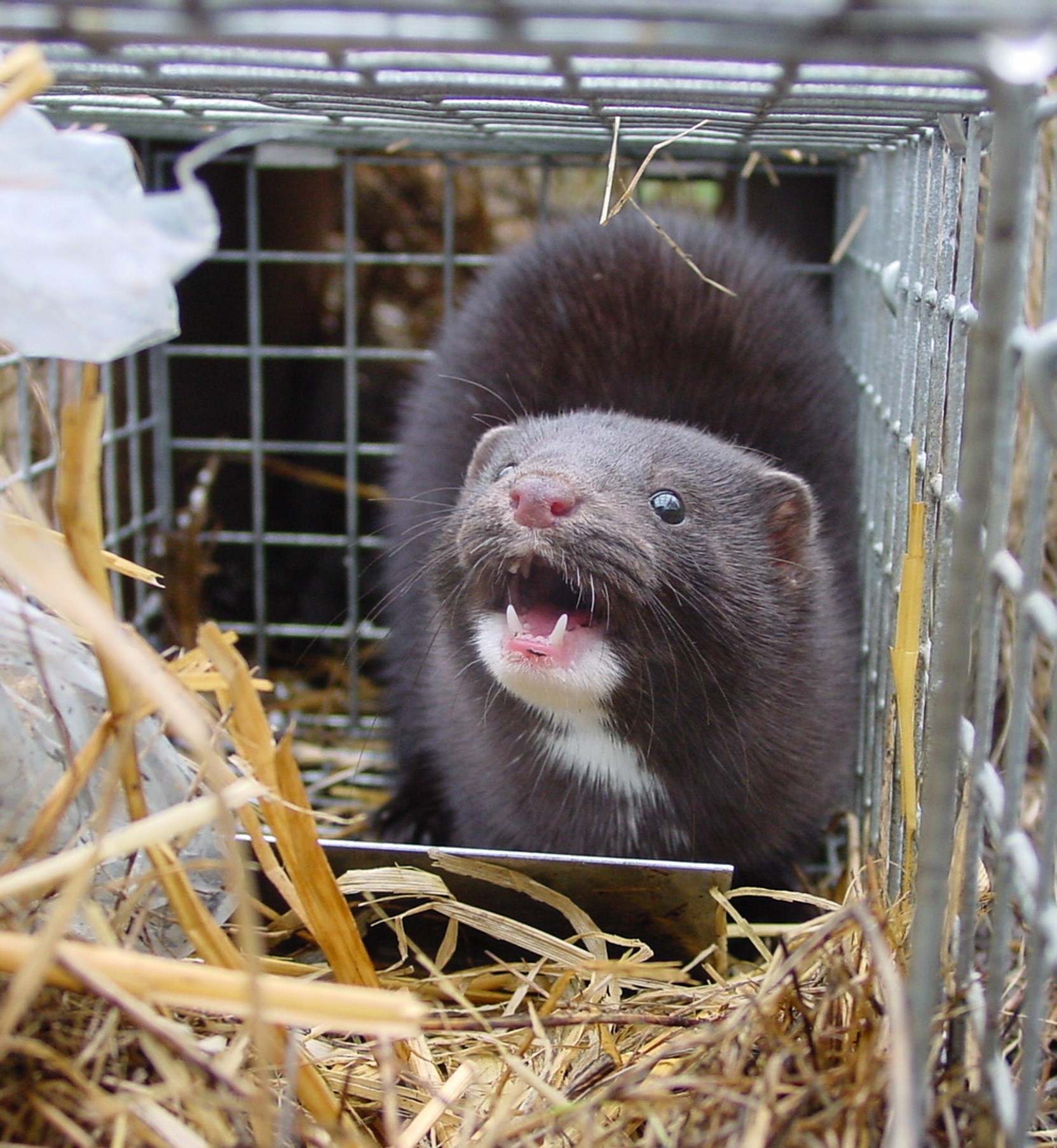
A mink in a trap
ROB MARTIN/WATERLIFE RECOVERY TRUST
Their eradication in the capital is a relief for Sam Facey. As estuaries and wetlands project manager at the Zoological Society of London, he has been working with volunteers, conservation groups and councils to usher in the city’s water vole renaissance.
“They’re a prey species for a number of predators, quite often at the bottom of the food chain,” said Facey. They ideally need a lot of vegetation cover on riverbanks and a slow-flowing river. In return, voles promote a richness of flora by eating up to 227 different plant species. “They’ll stop one plant species from becoming overly dominant. So you get greater biodiversity,” Facey said.
• Boars belong but mink must be exterminated
Water voles can be found today in London rivers including the Cray, Rom, Ingrebourne, Lea, Crane and Hogsmill. They are also found in Rainham Marshes and Crossness nature reserve.
At Crane Park Island, they are elusive but there are signs of their presence. Cruise has heard the distinctive “plop” as they dive into the water. They are tracked with “latrines”, floating wooden boards where the animals mark their patch. Despite their reputation for eating a wide variety of plants, the reserve’s voles have mostly munched just mint, rosehips and, to Cruise’s frustration, “had it in for” water lilies.

London Wildlife Trust volunteers Jon Burden and Robin Reid look for evidence of voles returning to Crane Park Island
TIMES PHOTOGRAPHER RICHARD POHLE
Some of the city’s rivers, such as the Ravensbourne, are just too fragmented and urban for the water vole to colonise. But Facey is hopeful the river Brent, the Wandle and Beverley Brook could soon be blessed with the sound of plopping voles thanks to reintroductions. “We want a natural self-sustaining and resilient water vole population across catchments,” he said.
Could the rest of the country follow suit? Mink were eradicated from East Anglia about two years ago, with about 3,000 cages deployed. Martin estimates that, with enough funding, the voracious predator could be wiped out nationally within five years.
There are so many water voles in East Anglia now that the team are having to adapt the mink cages to stop voles accidentally getting trapped in them. They’ve come back to the region in “astonishing numbers”, said Martin. London could be next.