Home » Latest Travel News of Europe » Italy Follows Spain and Greece to Conquer the Overtourism Crisis as The Battle for Europe’s Cultural Identity and Future Starts Now! This is Why This Matters for You!
Published on
December 20, 2025

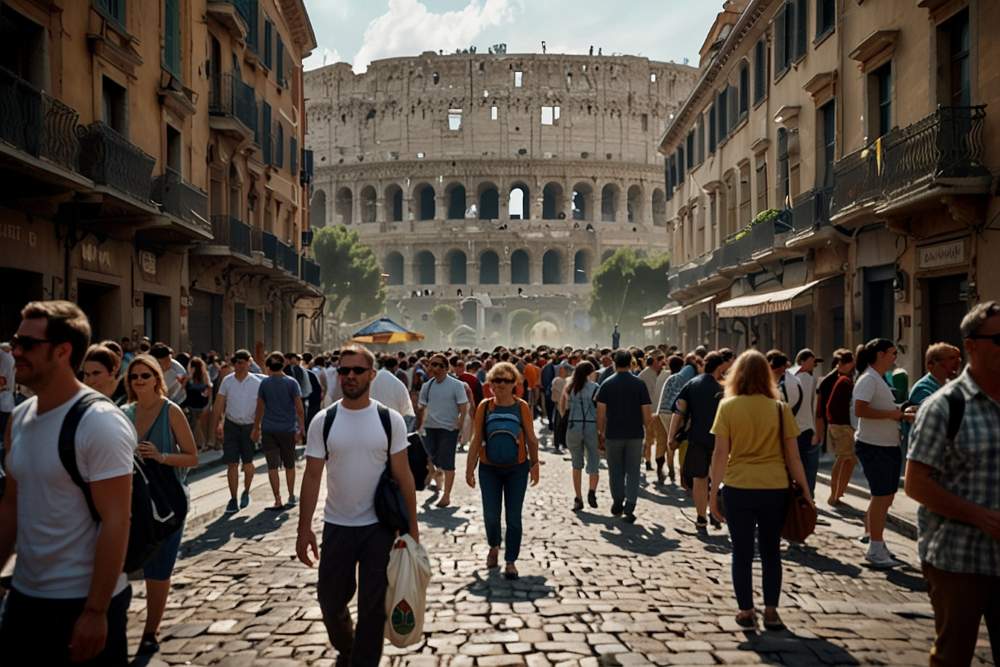
Italy follows Spain and Greece unite to conquer the overtourism crisis that is threatening the very fabric of Europe. The battle for Europe’s cultural identity and future has never been more urgent. From the iconic streets of Barcelona to the ancient ruins of Athens, overcrowding and environmental damage have pushed these cities to their breaking point. The cultural richness of these destinations is at risk as mass tourism continues to flood their streets, straining resources and displacing local communities. This is why this matters for you. The future of tourism in Europe, and the preservation of its historical treasures, depends on whether these countries can find a balance between welcoming visitors and protecting their heritage. Spain leads the charge, setting a precedent for other nations to follow, as Italy and Greece step up in solidarity. This fight will shape the future of travel for generations to come.
What Are the Root Causes of Anti-Tourism Sentiment?
The reasons behind these protests are multifaceted, but they all stem from the pressure of overtourism. Let’s look at the main factors driving these protests.
Overcrowding and Strain on Infrastructure
One of the main grievances is overcrowding. In cities like Barcelona, Venice, and Lisbon, tourist numbers far exceed the capacity of local infrastructure. Local public transport systems are overwhelmed, popular attractions are packed, and it is difficult for residents to go about their daily lives without encountering tourists at every corner.
In Venice, for instance, the sheer volume of cruise ships docking in the city has sparked intense anger. Cruise tourism, in particular, has been blamed for contributing to the city’s environmental decline and overcrowding. The famous Piazza San Marco is often packed with thousands of visitors, making it nearly impossible for residents to enjoy their own city.
Housing Affordability Crisis
Another major issue is the impact of tourism on the local housing market. As more short-term rental platforms like Airbnb take hold, many properties that could be rented out to local residents are being turned into tourist accommodations. This has led to a housing crisis in cities like Barcelona and Lisbon, where locals are finding it increasingly difficult to afford rent.
In Barcelona, it is estimated that around 30% of the city’s available apartments have been converted into short-term rentals for tourists. This has driven up rental prices and forced many residents to move out of the city centre. In Venice, the situation is even more extreme, with the city’s population plummeting over the years as locals are pushed out by rising rents.
Environmental Degradation
Tourism is also taking a toll on the environment. Popular tourist destinations like Barcelona and Venice are struggling to cope with the waste, pollution, and degradation of their natural and cultural heritage. In Venice, the influx of tourists has caused significant damage to the city’s ancient buildings and canals. The wear and tear on these sites, coupled with the environmental impact of mass tourism, is a major source of frustration for residents.
Moreover, the carbon footprint of international tourism is also a growing concern. Air travel, in particular, contributes significantly to global emissions, and many local residents feel that the benefits of tourism are not worth the environmental costs.
Cultural Identity and Social Issues
For some residents, the growth of tourism has led to a dilution of the city’s cultural identity. In places like Milan and Naples, locals feel that their traditions and way of life are being overshadowed by the demands of the tourist industry. The influx of visitors has also led to the rise of tourist-focused businesses, often at the expense of local establishments.
Some residents argue that they are losing their sense of community as their cities become more commercialised and less focused on the needs of the local population. In Lisbon, the increasing number of tourist-oriented businesses has pushed out local shops, restaurants, and cultural venues, replacing them with international chains that cater specifically to tourists.
The Role of Governments and Local Authorities
Governments across Europe are facing growing pressure to address the issues raised by anti-tourism protests. In response to mounting public dissatisfaction, some cities are introducing measures to curb the negative effects of overtourism.
Sustainable Tourism Policies in Spain
Spain, one of Europe’s most visited countries, has started implementing policies to manage tourism more responsibly. In Barcelona, the local government has introduced restrictions on the number of short-term rental licences available, and there are plans to reduce the number of visitors to certain popular attractions. The city has also introduced a tourism tax on visitors, with the revenue being reinvested in public infrastructure and services.
In the Balearic Islands, including Mallorca, the regional government has committed to reducing the number of hotel beds available and introducing more sustainable tourism practices. This includes limiting the number of cruise ships that can dock in the islands’ ports and promoting eco-friendly tourism options.
Venice’s Struggle with Mass Tourism
In Venice, the local government has implemented a tourism tax for visitors arriving by cruise ship, as well as plans to introduce a booking system for day visitors to limit the number of people entering the city. The city has also placed restrictions on the size of cruise ships allowed to dock, aiming to reduce the environmental impact of tourism.
However, critics argue that these measures are not enough to address the root causes of overtourism. Many residents feel that Venice’s government has been slow to respond to the crisis, and that the city’s reliance on tourism continues to overshadow the needs of the local community.
Italy and Portugal’s Measures to Curb Overtourism
In Italy, cities like Venice and Rome have implemented similar measures, including entrance fees for popular attractions and stricter regulations on short-term rentals. Rome, for example, has introduced a tourist tax for visitors staying in the city’s hotels, which is used to fund local services and preserve historical sites.
Portugal has also started to tackle the issue, particularly in Lisbon. The city has introduced regulations to limit the number of short-term rentals and has called for more investment in sustainable tourism projects. The government is also working to promote less-visited regions in Portugal, encouraging tourists to explore beyond the major cities.
What Needs to Be Done: A Shift Toward Sustainable Tourism
While governments have taken some steps to address the challenges posed by overtourism, more needs to be done. Experts argue that Europe needs to adopt a more sustainable model of tourism that takes into account the well-being of local residents, the environment, and cultural heritage.
One solution is the development of “slow tourism”, which focuses on smaller, more intimate experiences that allow tourists to engage with local cultures in a meaningful way. This could include promoting visits to lesser-known destinations, encouraging off-peak travel, and fostering sustainable practices in the hospitality industry.
Additionally, tourism taxes and visitor caps should be considered as tools to reduce the negative effects of tourism on local communities. These funds should be reinvested in community development, infrastructure, and environmental protection.
The Future of European Tourism
The rise in anti-tourism protests across Europe is a wake-up call for the travel industry. Cities like Barcelona, Venice, and Lisbon are struggling to balance the economic benefits of tourism with the quality of life for their residents. The growing frustration among locals highlights the urgent need for more sustainable tourism practices that protect both local communities and the environment.
Governments must act now to address the root causes of overtourism, including overcrowding, housing affordability, and environmental degradation. Only by adopting a more responsible and sustainable approach to tourism can Europe’s most iconic cities ensure that both locals and visitors can continue to enjoy their cultural treasures for generations to come.
As Europe grapples with the challenges of overtourism, the future of tourism will depend on how cities adapt to the needs of both locals and visitors. Sustainable tourism is not just a choice—it’s a necessity for the survival of Europe’s cultural identity and the well-being of its residents.
By focusing on responsible tourism, European cities can restore balance between the benefits of tourism and the well-being of their communities. Only time will tell if these changes are enough to quiet the growing protests, but it is clear that the future of tourism in Europe must be reimagined.
