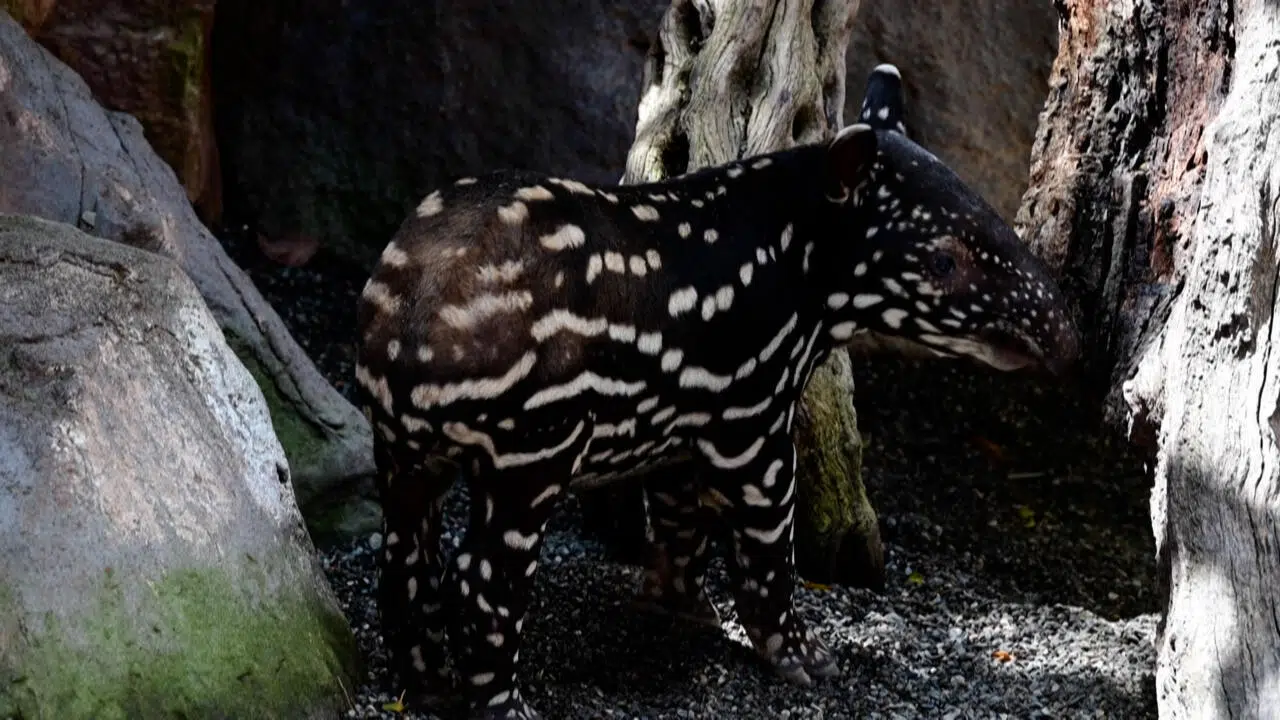
Spain has made history with the first birth of a Malayan tapir (Tapirus indicus) in the country, an event that renews hope for one of the most threatened species in Southeast Asia.
The event took place at the Bioparc Fuengirola, a Malaga zoo entirely dedicated to the conservation of tropical and jungle species from Asia, Africa, and the Indo-Pacific.
A critically endangered species
The Malayan tapir is a mammal in danger of extinction, with a wild population not exceeding 2,500 individuals worldwide. Its distribution is concentrated in the Malay Peninsula, some areas of Malaysia, and the island of Sumatra (Indonesia), although it has become extinct in much of its historical range.
It belongs to the Tapiridae family, related to current horses and rhinoceroses. These are primitive herbivores that play a key role in jungle ecosystems by dispersing seeds and maintaining vegetation balance.
The birth after two decades of work
The calf, which weighed around 10 kilos, is the result of the pairing of Rawa and Mekong, two specimens integrated into the Endangered Species Program of the European Association of Zoos and Aquaria (EAZA).
The process was not easy: compatibility between the adults presented difficulties for years. The arrival of Mekong from Sweden in 2023 was decisive in achieving this historic step. After intensive monitoring and a 13-month gestation, the birth occurred under strict in-person surveillance and through cameras, with weekly checks and ultrasounds.
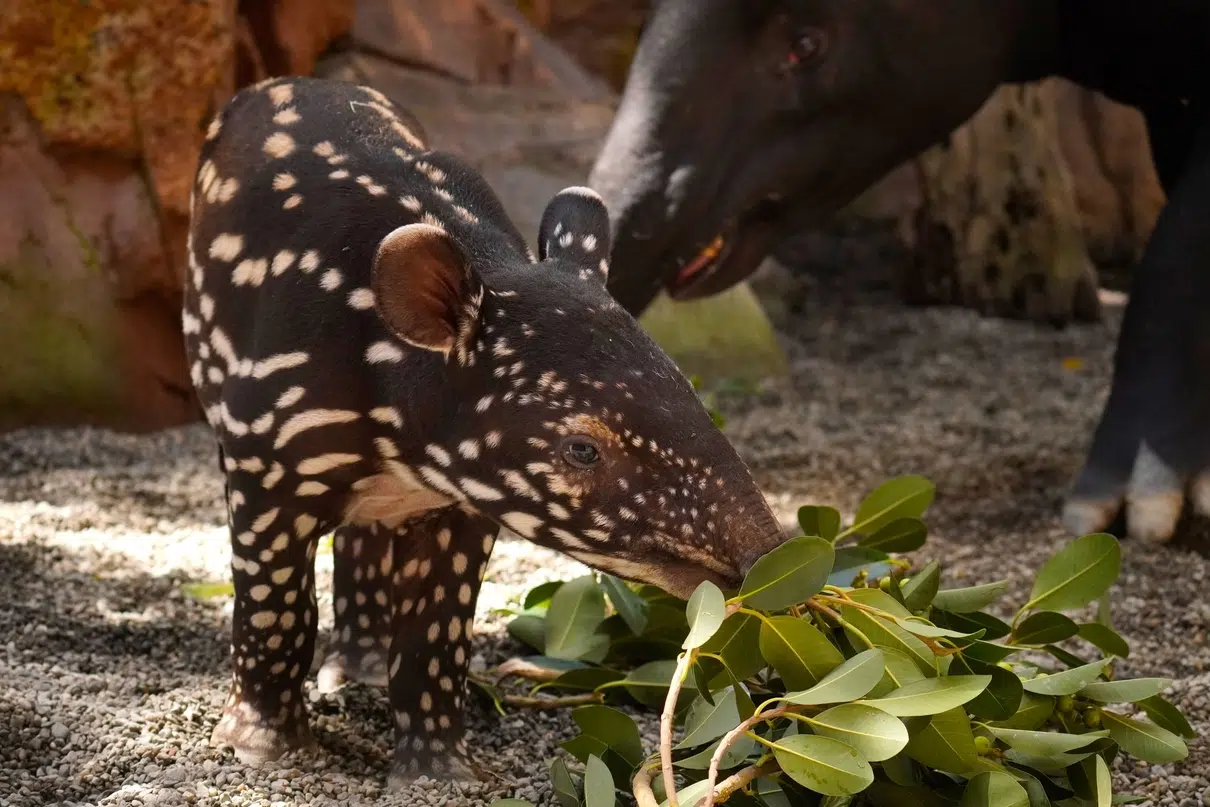 A milestone in conservation after more than 20 years of efforts.
International conservation and protection
The survival of the Malayan tapir depends on the preservation of parks like the Bioparc and protected natural areas in its original habitat. The Malaysian government has made significant efforts to prevent the illegal trade of the animal and curb habitat loss.
This birth marks a fundamental advance after years of research and planning, and reflects the commitment of park professionals alongside international experts.
“We had been trying for many years and finally it has been possible. We are thrilled, it’s incredible,” celebrated Javier Vicent, head of the Bioparc Fuengirola team.
Well-being and monitoring of the calf
The park has reinforced actions to ensure the newborn’s well-being:
- Surveillance cameras monitor the evolution of the calf and its mother in real-time 24 hours a day.
- Periodic health checks will be conducted, monitoring weight and behavior.
- Programs to raise awareness among visitors are being promoted, highlighting the situation of the Malayan tapir and other threatened species.
The veterinary team anticipates that, when the specimen is ready, it will be sent to another European zoo to ensure the genetic diversity of the species.
A symbol of hope for biodiversity
The birth of the Malayan tapir in Spain is more than a zoological achievement: it is a symbol of hope for global conservation.
In a context of environmental crisis and accelerated species loss, this event demonstrates that international cooperation, science, and perseverance can reverse negative trends.
The Bioparc Fuengirola has become a conservation reference with this historic birth. After more than 20 years of efforts, Spain contributes a decisive step in the protection of the Malayan tapir, reminding us that every action counts in preserving the planet’s biodiversity.