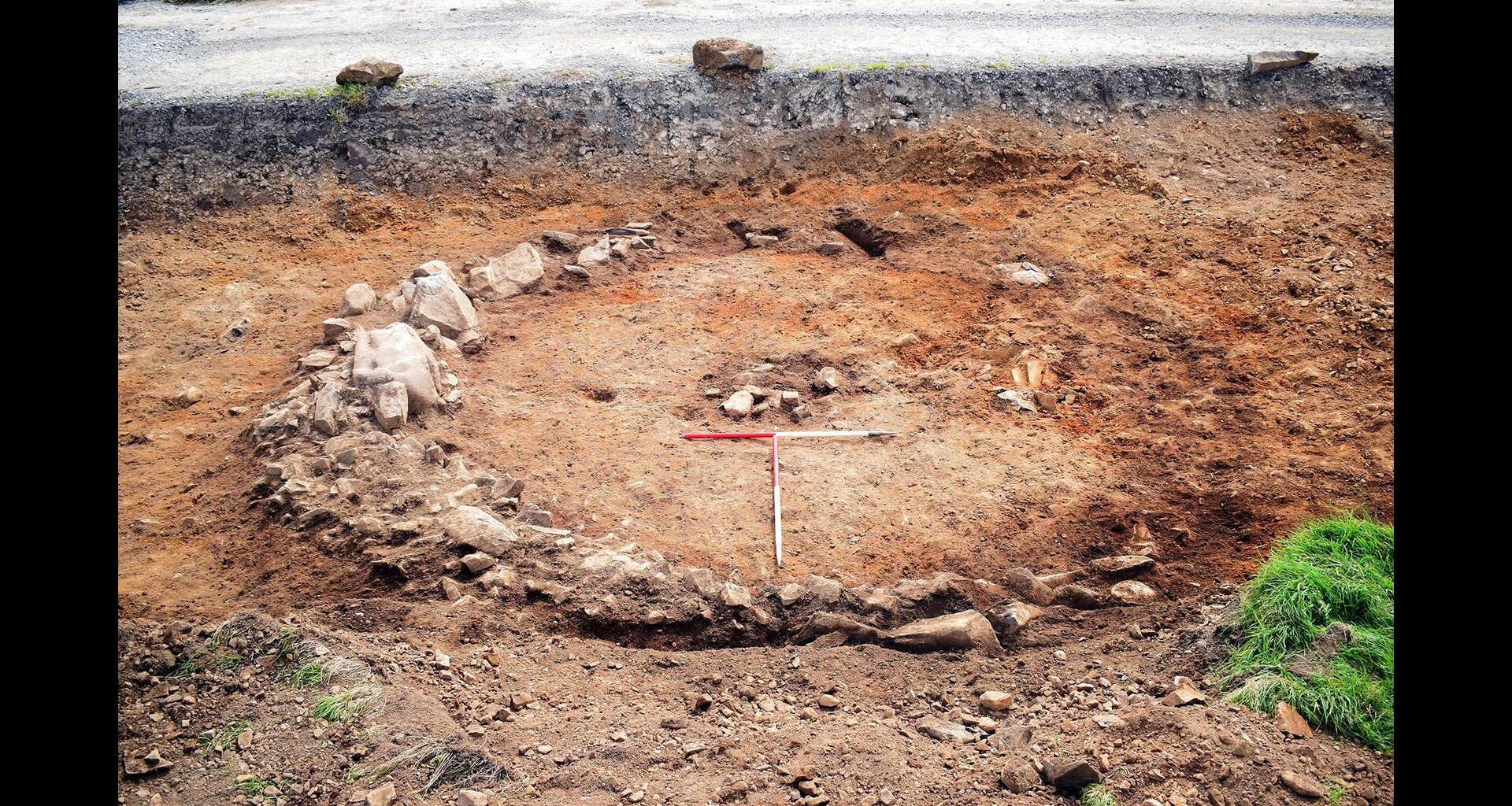
Ahead of a new road construction project in Scotland, archaeologists excavating open terrain uncovered a startling discovery: a single mass burial offering an unprecedented look at Sanquhar’s prehistoric origins.
Near the town of Sanquhar, a southwestern Scottish community nestled in verdant countryside, researchers stumbled upon a Bronze Age barrow—the first find of its kind in the area.
This ancient burial mound, constructed of earth and stone, is considered unique because almost no evidence of prehistoric activity had previously been documented in the region.
The “Twentyshilling Hill fieldwork” yielded a circular monument in a remote location, featuring a central pit containing eight closely packed urns. Further north, teams also excavated a cluster of late Neolithic pits dating between 2867 and 2504 BCE. Taken together, these discoveries may fundamentally rewrite local history.
A snapshot of the past surfaces
Findings at Twentyshilling suggest the area was “sparsely inhabited by Neolithic people” who maintained a mysterious, ingrained attachment to the land. While Neolithic traces are scattered throughout the region, this specific barrow points to “a more settled occupation of the area during the Bronze Age,” according to a press release.
As is standard with archaeological breakthroughs, experts are now linking the site to the broader cultural landscape. The builders of this grave followed a shared cultural tradition, interring both an adult and a juvenile within each urn. Without a doubt, these inhabitants were Scottish.
Now, researchers face a more pressing mystery: why were eight individuals buried here simultaneously?
A mass burial, but why?
Inside the central pit, archaeologists identified five urns containing the remains of at least eight people. Forensic analysis revealed the group was buried at the same time in a single mass event, raising the question of why.
The mystery deepened as researchers noted the deceased had not been left to decay, a departure from the patterns seen in other Scottish Bronze Age barrows. Typically, remains were exposed prior to cremation, and individual burials were staggered over time.
Current theories are now being tested.
“What is significant about the Twentyshilling remains is that they were cremated and then buried almost immediately,” Thomas Muir, lead archaeologist, told the BBC.
Experts suspect the group may have been members of the same family. However, this raises the question of why the community bypassed their traditional, lengthier burial rites.
By surveying the surrounding environment, archaeologists found evidence suggesting these people may have endured “a horrible event,” as per the BBC. Local indicators of famine and abandonment may explain why the group was disposed of quickly and all at once.
While these enigmas remain, the Twentyshilling Hill fieldwork stands as an unprecedented discovery. Much like a vital puzzle piece, the find clarifies a historical picture of the landscape that was previously blank.
Archaeologists can now conclude that a tragedy struck this community. Furthermore, they now have definitive evidence of Bronze Age life in southwest Scotland—a region once thought to be largely uninhabited during that era.