Google’s latest smartwatch platform has already launched and is actively rolling out to supported devices. Unlike earlier speculation, Wear OS 6 is not an upcoming update but a live software version powering several new smartwatches today. The update represents Google’s most polished wearable operating system yet, focusing on usability, efficiency, and long-term platform stability.
Now that the Wear OS 6 release date is behind us, attention has shifted to rollout progress and device support. Most major Wear OS brands have already moved forward, while only a small number of watches are still waiting. This update marks a clear turning point for Android smartwatches, bringing them closer than ever to a refined, consistent experience across brands.
Wear OS 6 Release Date: Already Here, Not Upcoming
The Wear OS 6 release date officially arrived earlier this year, with Google confirming the platform alongside its latest smartwatch lineup. Several watches launched directly with Wear OS 6 preinstalled, while others received the update shortly after through over-the-air upgrades.
Unlike previous versions that took months to stabilize, Wear OS 6 launched in a more mature state. This allowed manufacturers to push the software faster than usual. As a result, most users with recent flagship Wear OS watches are already using the new version today.
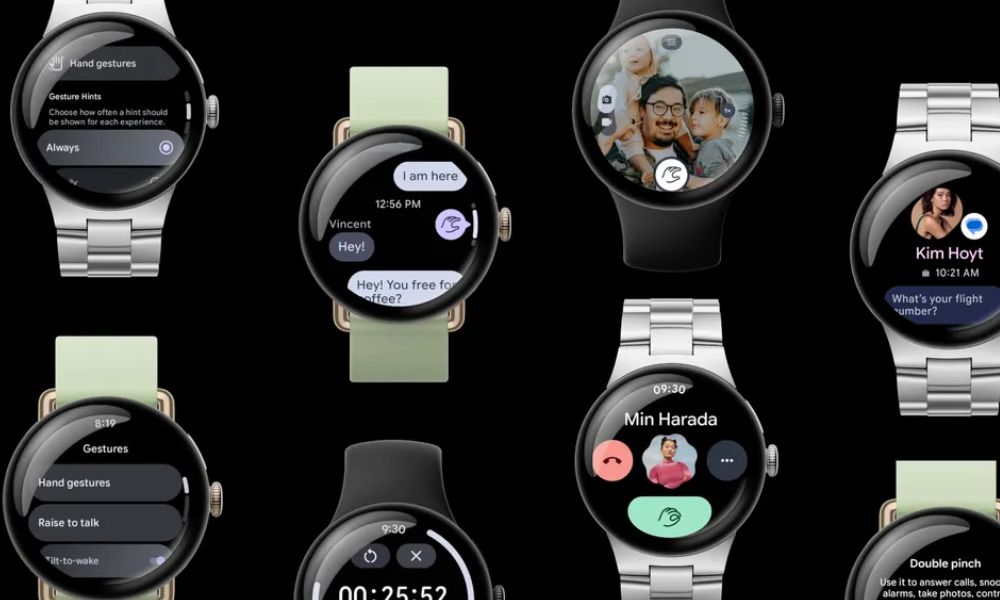 Image: Google blog
Importantly, the Wear OS 6 release date applies globally, though rollout timing still depends on each manufacturer’s update schedule. This has created a mixed experience where many users are upgraded, while a few are still waiting despite having capable hardware.
Wear OS 6 Features Focus on Polish and Performance
The biggest strength of Wear OS 6 features is refinement. Instead of radical redesigns, Google focused on smoothing animations, reducing lag, and improving overall system responsiveness. Everyday actions like opening apps, scrolling notifications, or switching tiles now feel faster and more fluid.
Battery efficiency has also improved. Through smarter background task management, Wear OS 6 features reduce unnecessary power drain, allowing watches to last longer without sacrificing health tracking or notifications. While battery life gains vary by device, many users report noticeable improvements.
Another key upgrade is deeper AI integration. Voice commands are more natural, responses are quicker, and contextual understanding has improved. Combined with a cleaner interface and better typography, Wear OS 6 features make smartwatches feel more purposeful rather than cluttered.
Wear OS 6 Update and Upgrade Experience
For supported devices, the Wear OS 6 update is delivered wirelessly and installs much like previous versions. Users receive a notification once the update is available, and installation typically takes under an hour. No data loss is expected, though a full charge is recommended before upgrading.
The Wear OS 6 upgrade is completely free. Google has not introduced any paid software tiers or subscriptions tied to the operating system itself. This ensures that users benefit from platform improvements without additional cost.
Wear OS 6 Compatible Devices: Almost Everyone Is Onboard
Most recent smartwatches are already listed among Wear OS 6 compatible devices. Google’s Pixel Watch lineup and Samsung’s Galaxy Watch series were among the first to adopt the new platform, either through preinstallation or rapid updates.
Several other manufacturers have also pushed the Wear OS 6 update to their latest models, signaling stronger platform alignment than in past years. This broader compatibility shows Google’s renewed focus on long-term support and ecosystem consistency.
At the moment, the only notable exceptions are the OnePlus Watch 2 and OnePlus Watch 3. Despite running modern hardware, both devices have not yet received the Wear OS 6 upgrade, with updates expected later than other brands.
Why Wear OS 6 Matters Going Forward
The update stands as a statement of intent from Google. Instead of chasing novelty, the platform focuses on reliability, efficiency, and real-world usability. This shift could finally stabilize the Wear OS ecosystem after years of uneven progress.
For users already upgraded, Wear OS 6 delivers a noticeably better daily experience. For those still waiting, the update promises meaningful improvements once it arrives. Either way, Wear OS 6 sets a new baseline for Android smartwatches built on consistency rather than experimentation.