The new scheme is set to be rolled out across the country Greater Manchester Police is one of three forces in the country to be given the new powers(Image: Manchester Evening News)
A man calls 999. He tells the operator he’s been assaulted with a bottle and chased down the street. The perpetrator is his partner. He does not want her to be locked up – he just wants to be left alone.
If this had happened almost anywhere else in the country, or just a few months earlier, that might have been the end of the story. But it happened in Greater Manchester within the last 12 months which made all the difference.
Last year, Greater Manchester Police became one of the first forces in the UK to be given new powers to protect victims of domestic abuse. Domestic Abuse Protection Orders (DAPOs), which were first launched in Bury last November, have now been rolled out across all but two boroughs in Greater Manchester as part of a national trial.
This new type of protective order allows police to intervene in domestic abuse cases like never before. It means that they can take matters out of victims’ hands by applying for court orders that ban their abusers from contacting them.
And in the case of the man who called 999 but did not want his partner to be prosecuted, it meant police could still do something to protect him. When GMP put its case to the courts, a judge granted a six-month DAPO – the first for a woman in Greater Manchester.
She was among around 1,000 people across the country to receive such an order in the last year with more than half having been issued in Greater Manchester. GMP is one of three forces across the UK involved in the two-year pilot which began in Bury last year.
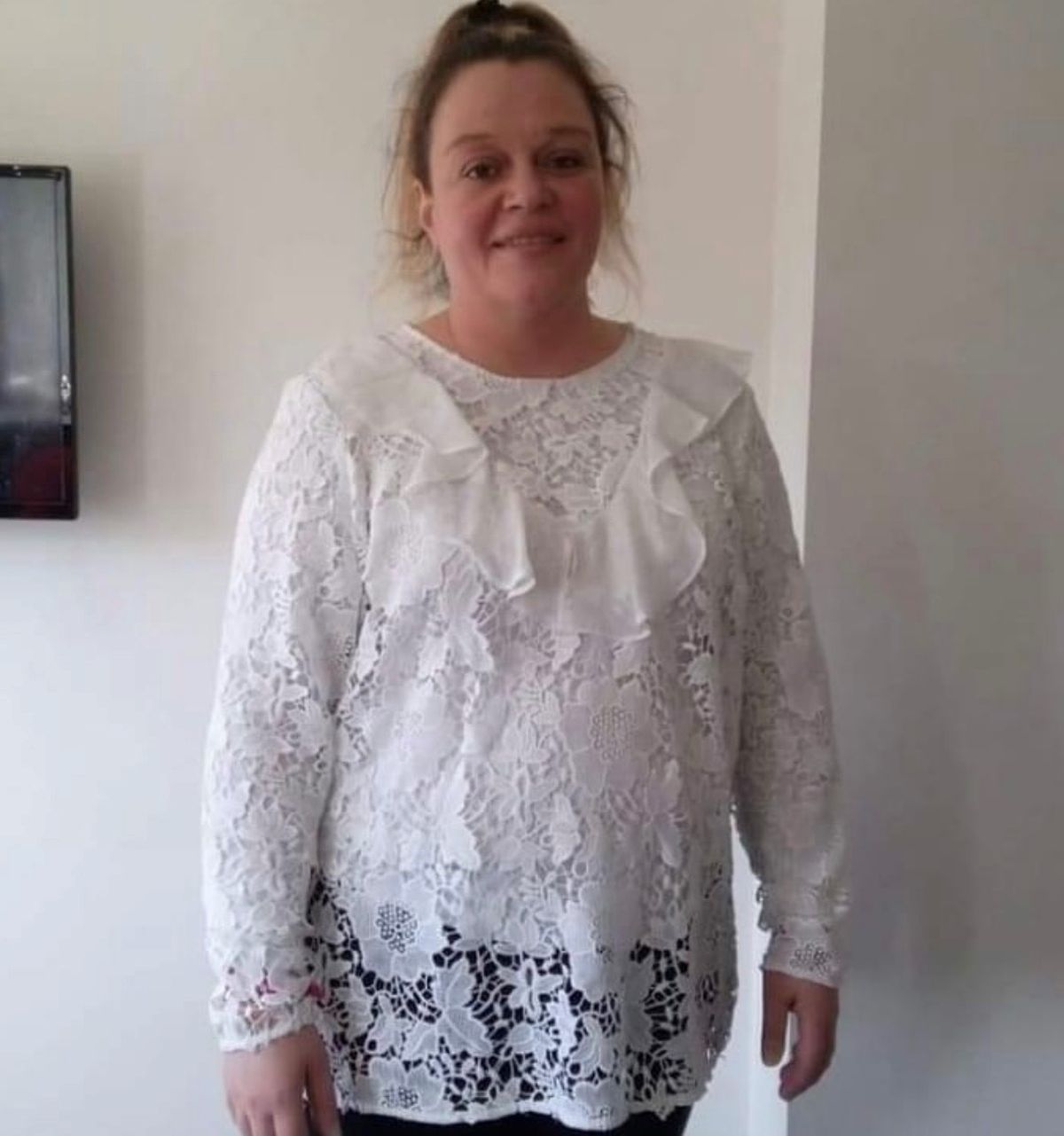 Caroline Gore was killed by her abusive ex-partner(Image: GMP/Family)
It started soon after the Manchester Evening News launched a campaign in memory of Caroline Gore from Wigan whose abusive ex-partner was spared jail for breaching his restraining order again, less than four weeks before murdering her in October 2023. The M.E.N. has been calling for a mandatory minimum prison sentence for breaches of protective orders and better monitoring of perpetrators.
There is no minimum jail term for breaching a DAPO which is a criminal offence punishable by up to five years in prison, but there are signs that the police – and the courts – are taking them seriously with some perpetrators sentenced to several years behind bars. Hundreds of arrests have been made for breaches with more than 100 resulting in custodial sentences, fines or community orders.
The new regime replaces Domestic Violence Protection Orders which are limited to 28 days and can only be applied to violent offences, whereas DAPOs can last a lifetime and can be used in cases of controlling or coercive behaviour and other types of abuse. And it’s not just police who can apply for the court order – social services, victims or any third parties supporting them can apply too.
Judges can also impose other conditions as part of the DAPO, such as an electronic tag to monitor the perpetrator’s whereabouts. Unlike other protective orders, DAPOs can also include ‘positive requirements’ such as taking part in a perpetrator programme.
Last month, the M.E.N. spoke to a man who took part in one of these behaviour change programmes which have a ‘strong role’ to play in tackling domestic abuse, GMP says. The problem is, under the DAPO, perpetrators cannot be forced to take part in these courses.
Currently, perpetrators must consent to taking part in these programmes. And for those who are willing to do it, a triage process must take place first to make sure they are suitable for the course before the court order is issued which delays putting the DAPO in place.
 GMP’s Domestic Abuse Lead Detective Superintendent Jen Tattersall(Image: Greater Manchester Police)
GMP is now asking the Home Office to introduce interim orders which can be put in place while an assessment takes place. It’s not the first problem the force has encountered with the DAPO pilot which is being administered by a centralised team of just four officers.
This small team receives referrals of cases from each district before preparing lengthy legal bundles to present to the court the next day. Lack of capacity in the courts has also been an issue, but a new dedicated court set up earlier this year has been a ‘gamechanger’.
So how effective have the DAPOs been? According to the latest data, in the last year, domestic abuse cases have fallen 13.5 pc faster in Greater Manchester compared to the national average, with 3,500 fewer offences recorded in the city-region in the last 12 months.
This cannot be put down to the DAPOs alone. But according to Detective Superintendent Jen Tattersall, they have certainly helped.
“There has been a shift in our focus towards domestic abuse,” she says of GMP. “But with all types of crime generally, we arrest more people now, we take more positive action now, we charge more people, our solved-outcome rate is significantly improved, our performance framework has completely changed where we scrutinise this daily, weekly, monthly in various different forms.
“We’ve massively changed as an organisation generally in relation to everything, domestic abuse being one of them and that shows in qualitative and quantitative metrics but also hopefully from victim accounts as well.”
DAPOs are set to be rolled out in Oldham and Salford in the new year as part of the pilot. Ahead of the launch of Labour’s strategy to tackle violence against women and girls, the government has confirmed that the scheme will be rolled out across England and Wales.