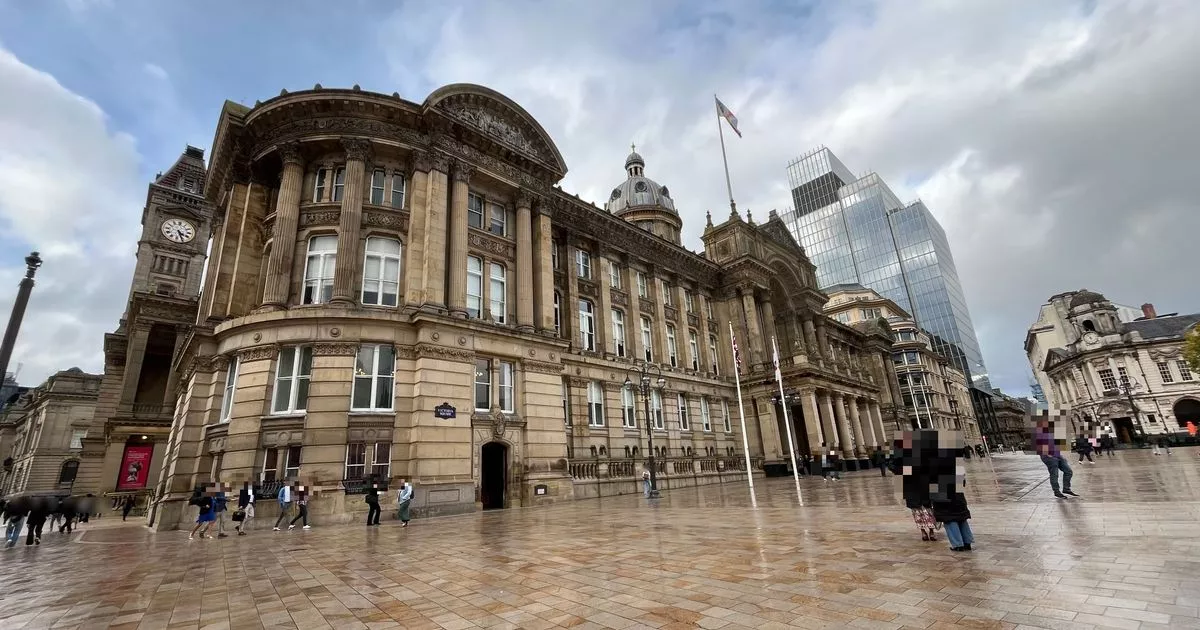
Commissioners will still be overseeing council affairs in Birmingham after elections in May 2026 – which means any new leaders won’t have ‘autonomy’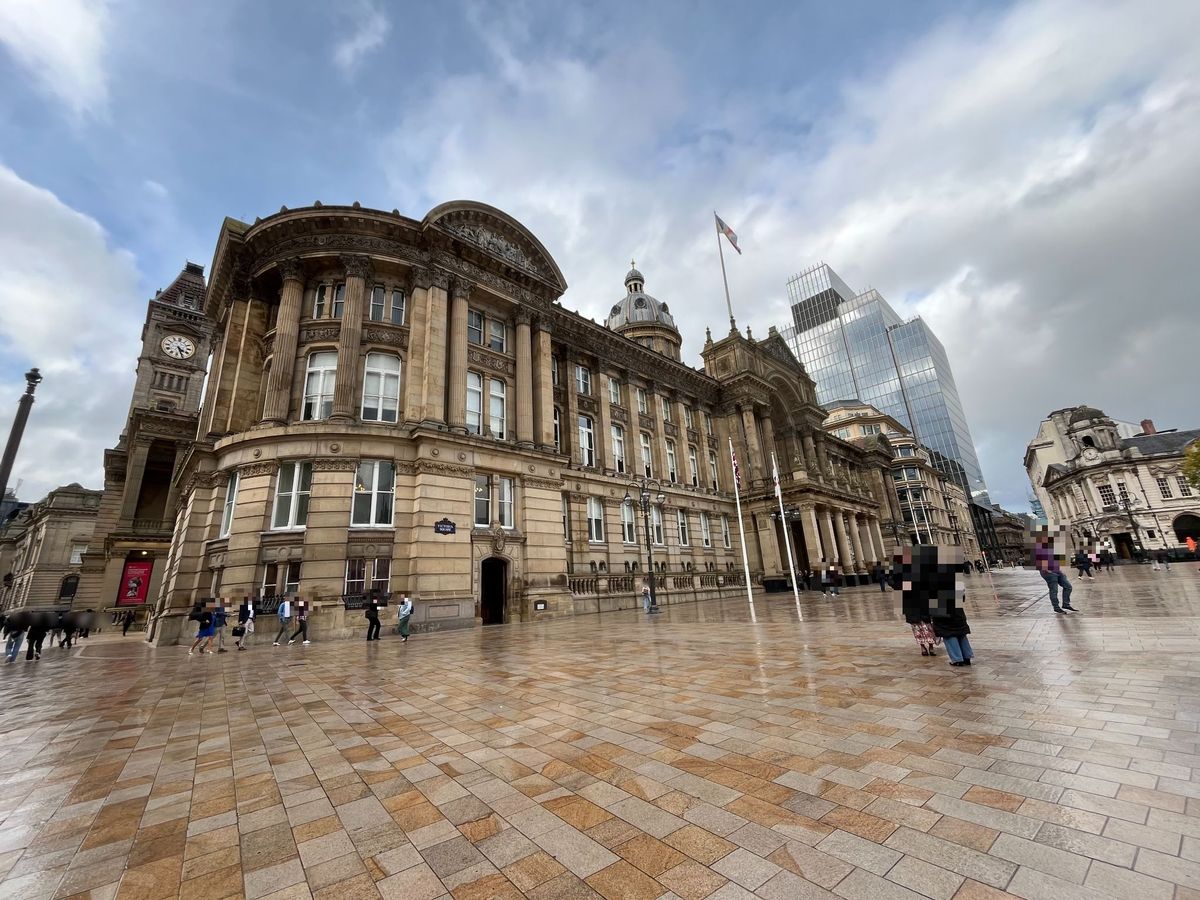 Birmingham City Council’s Council House in Victoria Square
The political leaders who end up running Birmingham City Council next year will have to follow a detailed ‘action plan’ set out by government-appointed commissioners that will restrict their freedom to act, it has been revealed.
The city goes to the polls in May, with the prospect that the existing Labour administration could be removed after 14 years in charge.
New parties including Reform, an Independent Alliance and other community candidates intend to vie for the 101 seats, alongside Labour, Conservatives, Lib Dems and Greens.
READ MORE: Government fixers could stay at Birmingham council until 2028 to break ‘that’ll do’ attitude
But whoever ends up in overall charge will have to abide by a set of rules and missives laid out by the independent commissioners who currently oversee council affairs and answer to the government.
That was the reality check issued by new lead commissioner Tony McArdle ahead of election campaigns which will ramp up in the new year.
A plan drawn up by the commissioners is due to be published next month, January, setting out the road map to their departure.
It will include a clear list of expectations and actions required of the council over the next two years. Commissioners will only recommend that intervention ends if the action plan is fulfilled.
The plan is currently being worked on, with input from senior council officers. They hope it will get the approval of the current Labour leadership but it will be imposed even if they do not back it, said Mr McArdle, in conversation with BirminghamLive.
He now heads up the team of seven commissioners, who were sent in to oversee affairs after the council ran into financial distress and effectively went ‘bankrupt’ two years ago.
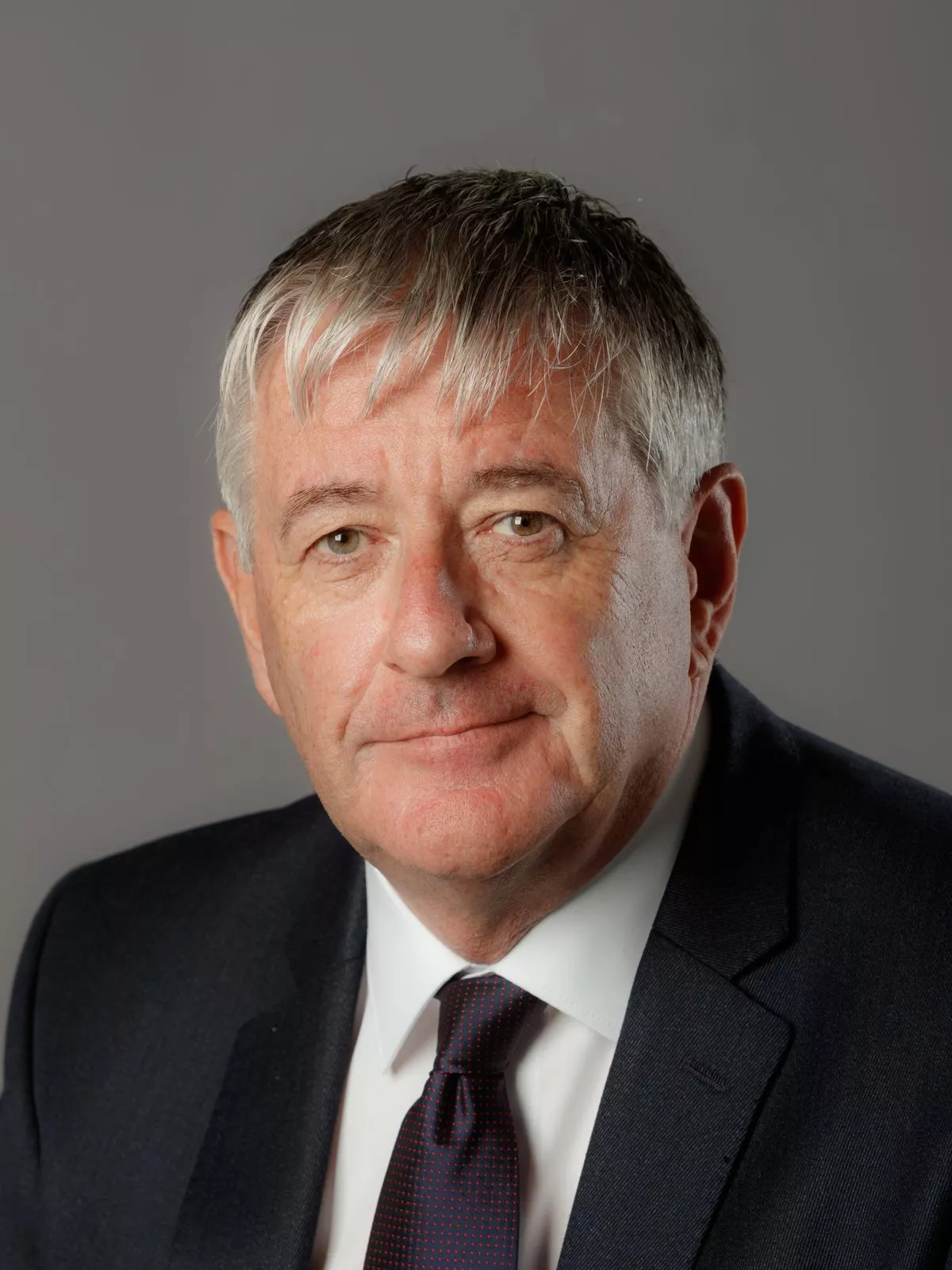 Tony McArdle, new lead commissioner at Birmingham City Council
Asked for a preview of what would be in the plan, Mr McArdle said it would be in part about continuing to fix the council’s finances and ensure it was giving best value to residents, getting a new version of the ‘Oracle’ IT and finance project up and running, and concluding equal pay settlements for good.
It would also set out how the council needs to recruit more competent senior staff, especially in finance, modernise some service areas that are currently operating in ‘old fashioned’ ways, and build back the resilience of the organisation to budget and deliver to budget, he said.
It will also focus on embedding change in the way the council is governed and scrutinised. The council needs to work on ensuring it better consider its options, analyses risk and quantifies costs before going ahead with projects, he added.
Asked about whether a change of political leadership in May would hamper recovery, Mr McArdle said that was not something that commissioners needed to consider.
READ MORE: Birmingham council leader answers your questions on bin strikes as reader says ‘just sack them’
READ MORE: Third Birmingham Bin Strike ‘megapicket’ planned to kick off 2026
“This council is subject to government intervention. As commissioners we are empowered to do things (no matter who is in charge politically).
“Our intention is to ensure that, as quickly as we can, we return the council to having the full autonomy that every local authority has the right to expect and which has been lost here. We want to move towards that.
“When 101 councillors are before us in May (after the election), that will be the number one message we give to them – that our work and everything we do is geared towards giving them again the full opportunity to act as councillors do everywhere else.”
He said there would be certain immovable realities that any new administration would have to fulfil. Balancing the books was the top one.
“It will not be open to any new administration coming in here to say ‘we’re not going to worry about balancing the books, we’re just going to do this and that’.
“We won’t want to constrain people from doing something that they want to do but they must demonstrate they can afford to do it.
“But it’s not our intention to to lock people into unreasonable things, or things that have been decided by a previous (Labour) administration. It is our intent to lock them into to ensuring they can pay for whatever it is they want to do.”
Asked if, for example, an incoming political leadership could decide they don’t want to introduce fortnightly bin collections in the city and want to revert to weekly collections, Mr McArdle had this to say: “A waste transformation plan has been agreed (and is due to go live in June).
“It will be the expectation that it’s going to be delivered as planned.
“But if the new administration doesn’t want to do it, then the conversation we’ll have with them will be ‘fine, okay, but if what you want to do (instead) is going of cost a lot of money, that’s okay, that’s your political choice, your democratic choice, but where’s that money found? It isn’t going to come out of thin air’.”
He added: “We are not going to be telling them what they can and cannot do any more than we absolutely have to. But we may have to do so to make sure that the basic legal duties of the authority, which have not been met for some time, are being met.”
Asked if the council’s senior management or the commissioners would favour retaining the status quo, given they had expressed support for the current political leadership’s role in the recovery so far, he added: “We’re all, mostly, long serving local government officers who have all worked through changes of political control.
“When 101 people fetch up here at the beginning of May after the election,, and present themselves to us as the new administration, we want to give them every opportunity, whoever they might be, every opportunity to deliver for the city what they have aspired to do and were elected to do.
“The only constraint we’re going to put on them is because the council got itself into a mess, and it’s not out of it yet, it’s going to have to (work within and towards) some of these very basic, fundamental things which will serve that new administration well, once they’re done.
“These things will provide the firm platform Birmingham has not had for decades to build a proper, ambitious plan.
“It’s great having ambitions to do things for society and take the city forward, and we want to see that. To succeed in doing it involves first righting the things that have been wrong for far too long in the city.”
But he sounded a note of real optimism for whoever leads the city in 2026 and beyond.
“None of the things that were posted as the reasons for the intervention (in 2023) have yet been resolved. We are optimistic that they will be in the coming year. Others that have emerged, such as the waste dispute, which have yet to be addressed., but I remain optimistic.
“So there is nothing that I can see here which should prevent this city being exactly what it wants to be in the long term, to fulfil its ambitions and to be England’s second city in every possible respect. There is a lot of work to do, but I am optimistic that the understanding and the ambition and the intent is there.”