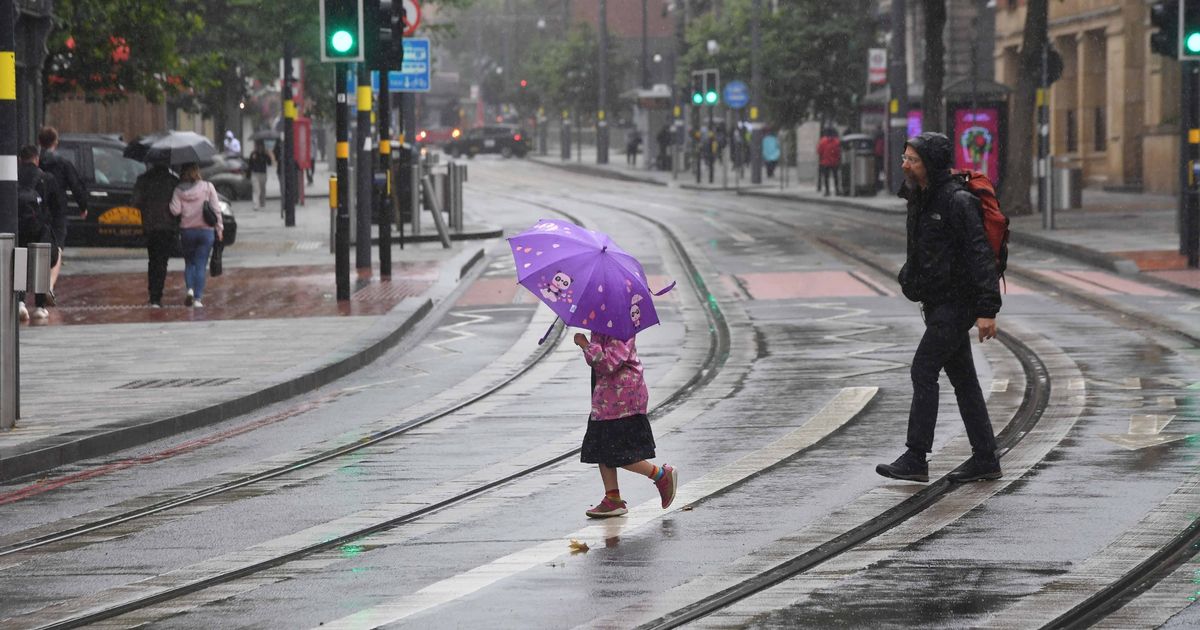
Warning to drivers who were previously getting away with breaking the rules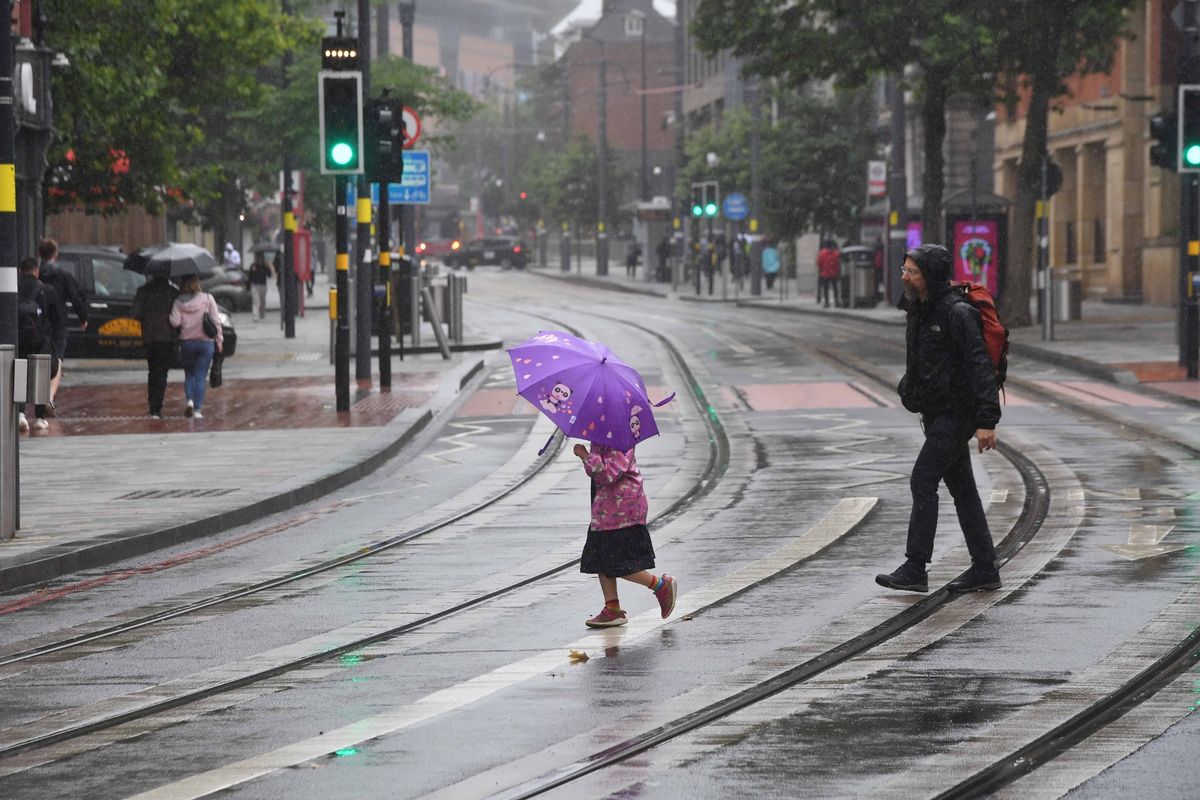 Bus lane cameras now operate along Broad Street.(Image: Darren Quinton/Birmingham Live)
New bus lane cameras on Birmingham’s famous Broad Street caught thousands more drivers in the later part of this year after their position was moved.
A number of cameras went live along the nightlife strip as enforcement began at the end of last year, resulting in thousands of drivers being punished at bus and tram-only sections.
At one section, council bosses decided the cameras needed shifting as motorists were evading detection, BirminghamLive has learned.
READ MORE: Every Birmingham road which will have average speed cameras as new ones added
Get the latest court and crime news direct via our WhatsApp community here
This is at Berkley Street, outbound, near the Library of Birmingham end of Broad Street.
The city council said the ‘region of interest’ on the camera – meaning the section of road it monitors – was switched following a review.
And the impact has been stark.
Recorded offences went from up from roughly a few hundred each month to 5,508 in September and 3,557 in October, data obtained by BirminghamLive showed.
Get all the latest motoring news sent to your inbox by signing up to our new newsletter here
Bosses said the surge was a result of the camera switch rather than any change in driver behaviour and cameras were now more accurate, meaning many were getting away with it before then.
Cameras have been installed along Broad Street in a bid to combat flouting of the bus and tram-only zone by car drivers.
In the first year since enforcement began, almost 25,000 motorists have broken the rules and been sent fines.
Those who drift into bus lanes are hit with £30 fines, doubling to £60 if not paid within 14 days.
A Birmingham City Council spokesperson said: “The increase in bus lane enforcement at Broad Street (Berkley Street outbound) during September and October followed a scheduled review of the new camera system.
“As part of this review, the region of interest (ROI) on the camera was adjusted to ensure it was accurately capturing all vehicles contravening the restrictions in place.
“This technical adjustment resulted in a higher number of recorded offences, reflecting more accurate enforcement rather than a change in driver behaviour.”