By Lenny Osler, News Reporter
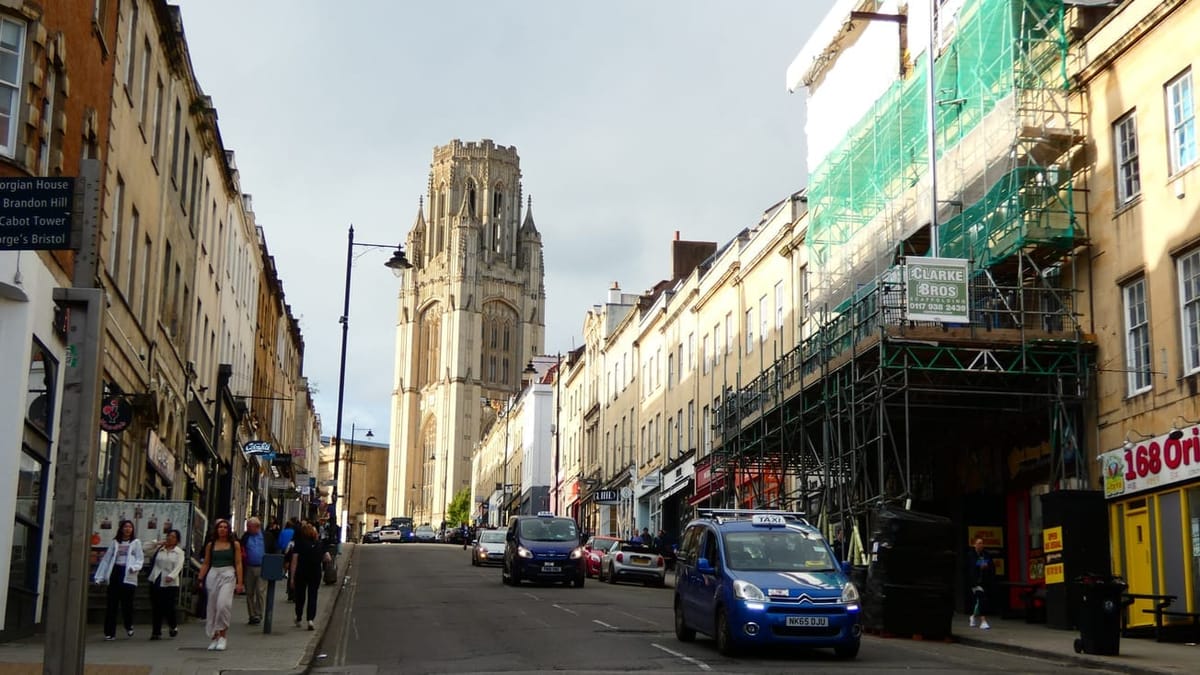
In October, protesters critical of Professor Alice Sullivan’s views on gender gathered outside the building where she delivered a seminar entitled ‘The Gender Wars and Academic Freedom.’
The context to this is that in May 2020, Sullivan published an article arguing that data collection was undermined by conflating sex, gender and gender identity.
In the article, Sullivan claimed census authorities stopped collecting data of sex due to influence from ‘genderist organisations.’ She also described the ideas that non-binary individuals were neither male nor female, or that there are more than two sexes, as ‘postmodern fallacies.’
The study commonly known as the Sullivan Review was published in March this year, commissioned by Michelle Donelan MP, former Secretary of State for Science, Innovation and Technology.
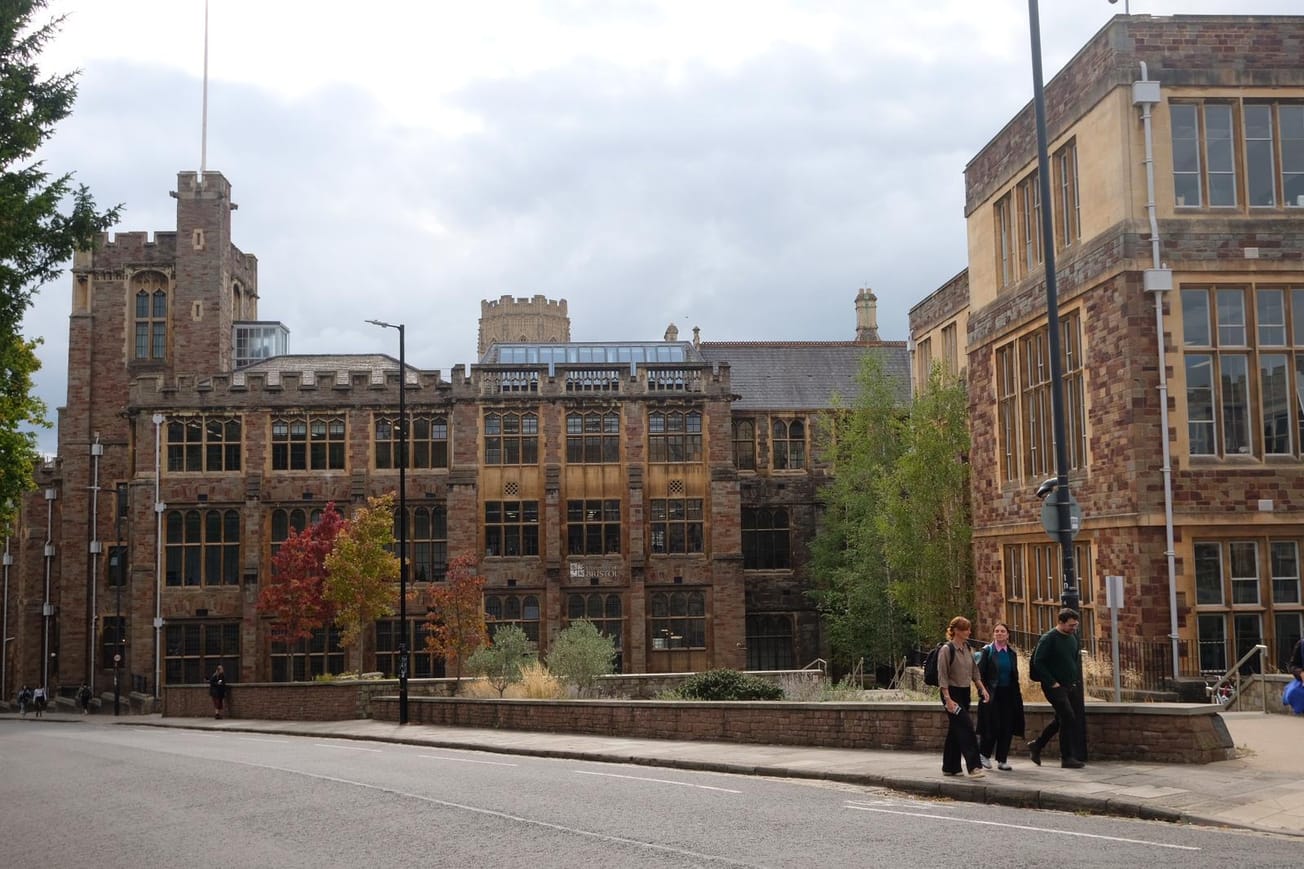 Epigram / Sophie Maclaren
The review recommended that the government and other data-owners ‘should collect data on both sex and transgender identities.’ The transgender advocacy group TransActual argued that implementing the review’s recommendations would breach transgender people’s right to privacy.
TransActual described the review as biased, given Sullivan’s position on the advisory group of Sex Matters, an anti-trans lobby organisation.
Sullivan’s lawyers have written a letter to the University of Bristol, claiming her freedom of speech was unfairly restricted by them during her talk in October. As examples, they cite the limited attendance of 60 staff, postgraduates and members of the public, closing the event to undergraduates, limiting advertising, and failing to prevent disruption by protesters.
Mountain search resumes for University of Bristol student missing in Transylvania
18-year-old George Smyth has been missing for 10 days in Romania, last heard of near Bran Castle, the fictional home of Count Dracula.
The letter also blamed the University for locating the talk in an area vulnerable to disruption from protesters. Speaking to the Office for Students (OfS), Sullivan claimed that ‘gender ideology’ had influenced the University’s ‘actions to frustrate and disrupt’ the talk.
Sullivan, speaking to the BBC, described the protest as a ‘zombie apocalypse’, with cries of ‘shame on you’ directed towards her as she left. The University has since condemned the behaviour of protesters as ‘intimidating’ and ‘unacceptable.’
In August of this year, a law came into force strengthening universities’ obligations to protect freedom of speech. The OfS published guidelines, among which was the expectation for universities to support academics who express views that could trigger protest from students.
 Epigram / Sophie Maclaren
Sullivan’s threat of legal action is based on the allegation that the University failed to uphold these standards for freedom of speech, something which the University refutes.
This dispute follows a fine of £585,000 issued by the OfS to the University of Sussex, which came after the resignation of Prof. Kathleen Stock after students protested her gender-critical stances. The OfS claimed, ‘Sussex’s Trans and Non-Binary Equality Policy Statement failed to uphold the freedom of speech and academic freedom’ laid out in the OfS regulatory framework.
After this, the University of Bristol rolled back a similar policy obliging staff to remove transphobic and anti-trans material from campus.
Two motions passed, but Associate Membership still dominates at Student Council
An ‘Expression of Dissatisfaction’ was passed over the Board of Trustee’s unprecedented move to overturn a motion regarding Associate Membership at the last Student Council.

A University of Bristol spokesperson said to Epigram that:
‘Professor Sullivan’s seminar went ahead safely, in line with our strong commitment to upholding free speech. Although protestors caused unacceptable disruption, appropriate measures were in place to enable the event to continue and to protect the speaker and attendees.
‘Professor Sullivan expressed her gratitude to our security team for their support and subsequently met with our Vice-Chancellor to discuss what happened. We refute claims that we failed to protect her freedom of speech; every action we took was in support of this and the restrictions she outlines were all necessary for public safety.
‘Our stance is clear – free speech must be lawful. There is no protection within the law for abusive speech that incites violence, harassment or discrimination. Clearly the intimidating behaviour of protestors was not peaceful and we have condemned their unacceptable behaviour. We will take disciplinary action if anyone from the university community is identified as being involved.’
Featured image: Epigram / Dan Hutton