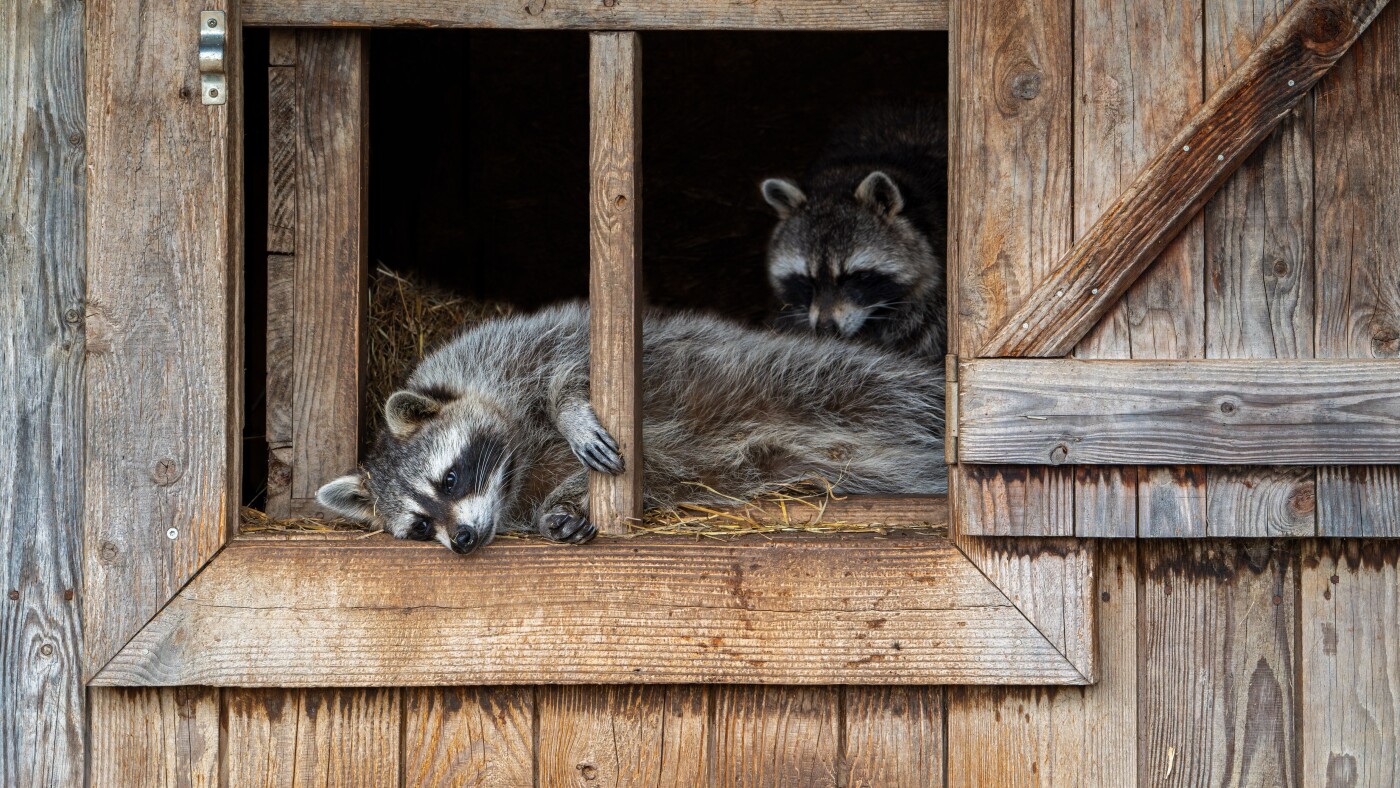
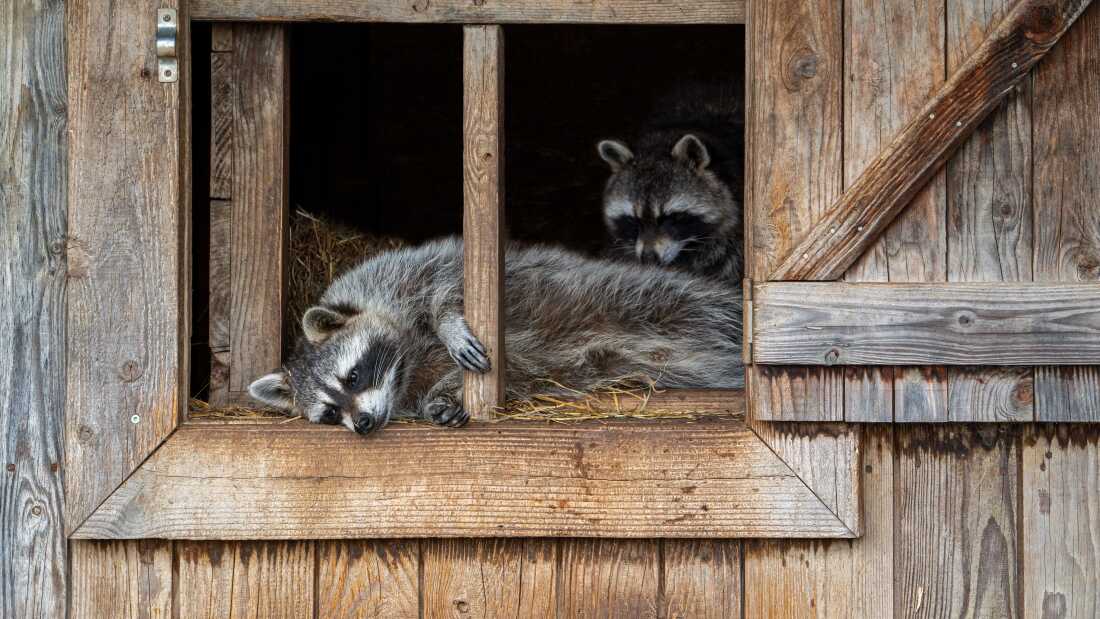
The common raccoon is ubiquitous in North America, found anywhere from isolated forests to city parks. And in urban areas, scientists say, they might be showing the first signs of domestication.
Arterra/Philippe Clement/Universal Images Group via Getty Images
hide caption
toggle caption
Arterra/Philippe Clement/Universal Images Group via Getty Images
Dogs are man’s best friend. And it’s no secret that we at Short Wave love cats (Regina has four)! Both of these iconic pets have been domesticated – evolved and adapted to live alongside humans – for millennia. And a recent study suggests that the common raccoon may be on its first steps towards joining them. So how do scientists look for signs of domestication and what do those signs mean? And could you have a litter box trained raccoon in your lifetime? We talk to the study’s lead author, Raffaela Lesch, to find out.
Interested in more animal science stories? Email us your question at shortwave@npr.org.
Listen to every episode of Short Wave sponsor-free and support our work at NPR by signing up for Short Wave+ at plus.npr.org/shortwave.