 Leeds Museums

The imperishable Army biscuit was perfect for surviving the postal service
They were the unappetising biscuits meant to sustain soldiers in the trenches during World War One. But for some these basic emergency rations were used for something far more poignant – a way to send messages of love and hope back home. More than a century later, surviving examples of these fragile snacks can be viewed in Leeds.
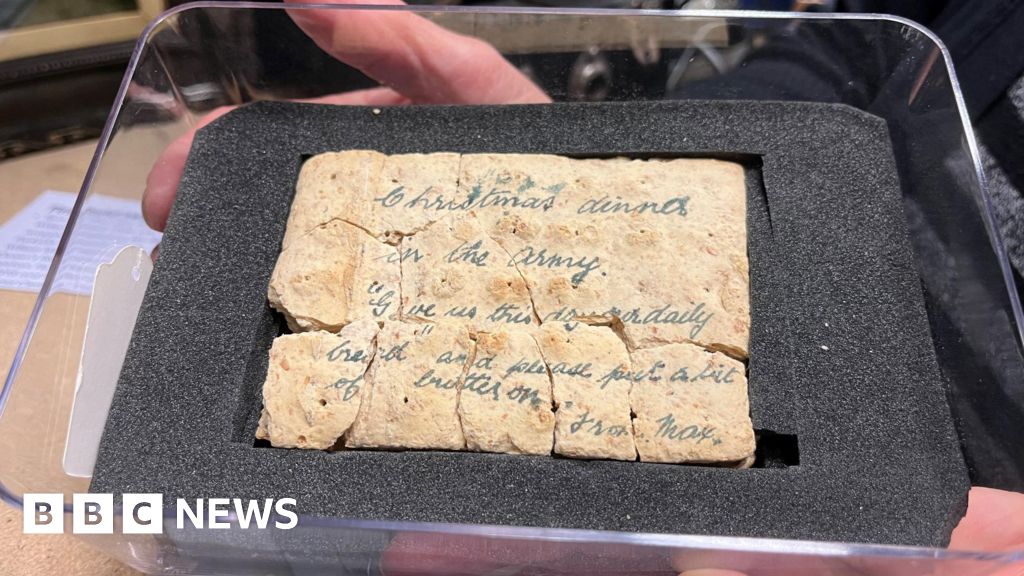
Inscribing what may have been his final words, Pte William Maxwell, a soldier with the 9th Queen’s Royal Lancers, carved a personal message on the surface of his Army biscuit.
Dating from 1914 and still tucked in its original wrapper, it was addressed to his mother, Margaret Maxwell, of Meanwood in Leeds. On it, he wrote: “Christmas dinner in the Army. Give us this day our daily bread and please put a bit of butter on. From Max.”
Several months later, in May 1915, Pte Maxwell – the son of of GE and Margaret Maxwell – was killed, with his body buried in Hazebrouck Communal Cemetery in northern France.
 Getty
Getty
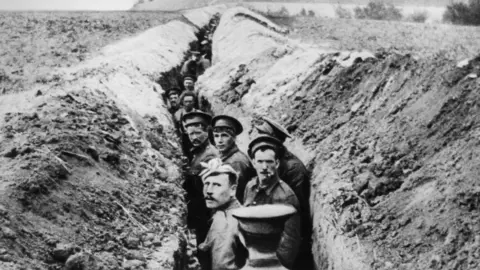
The biscuits were a staple for soldiers on the front line – and offered a way of communication with loved ones back home
Records show his younger brother Arthur Maxwell also died serving his country during the first month of combat, on 30 August 1914.
Pte Maxwell was not the only soldier to refashion the trench biscuit into makeshift stationery.
Made out of whole wheat flour with no sugar, the hard, dry biscuits could survive long journeys and military campaigns without moulding or disintegrating.
 Leeds Musuems
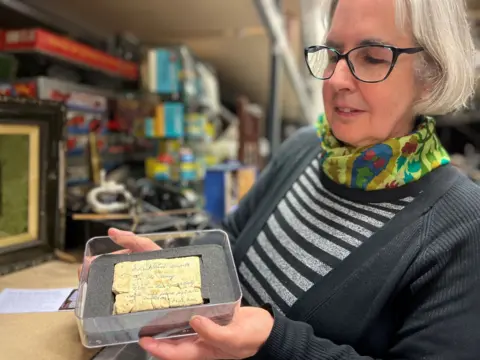
The Discovery Centre in Leeds has carefully preserved the festive messages
According to the Imperial War Museum (IWM), the British Army-issue biscuit was a key component of a soldier’s rations.
They were produced under government contract by Huntley & Palmers, which in 1914 was the world’s largest biscuit manufacturer.
In its description, the IWM said: “The notoriously hard biscuits could crack teeth if not first soaked in tea or water.”
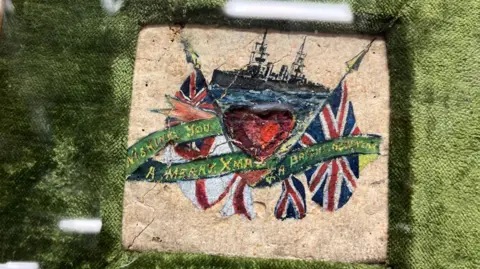
Preserved at the Leeds Discovery Centre is another more elaborately decorated biscuit.
Also from 1914, it features an image of a battleship and carries an inscription that reads, “Wishing you a Merry Christmas and a bright new year”.
 Leeds Museums
The decorated biscuits are available for visitors to view
Kitty Ross, Leeds Museums and Galleries’ curator of social history, said the biscuits sent home from the front line gave a “very real and thought-provoking insight into life in the trenches of the First World War.”
She added: “That they would seemingly rather have used these biscuits to share a joke with their loved ones than eat them speaks volumes about both the quality of the food and how much they must have wanted to stay in touch at a time of year when they would doubtless have felt the distance between them more keenly than ever.”
Ms Ross said visitors were able to view the biscuit messages at the centre on request.
Councillor Salma Arif, Leeds City Council’s executive member for adult social care, active lifestyles and culture, said: “It’s fascinating to see these different generations and their experiences of the festive season represented in our collection.”