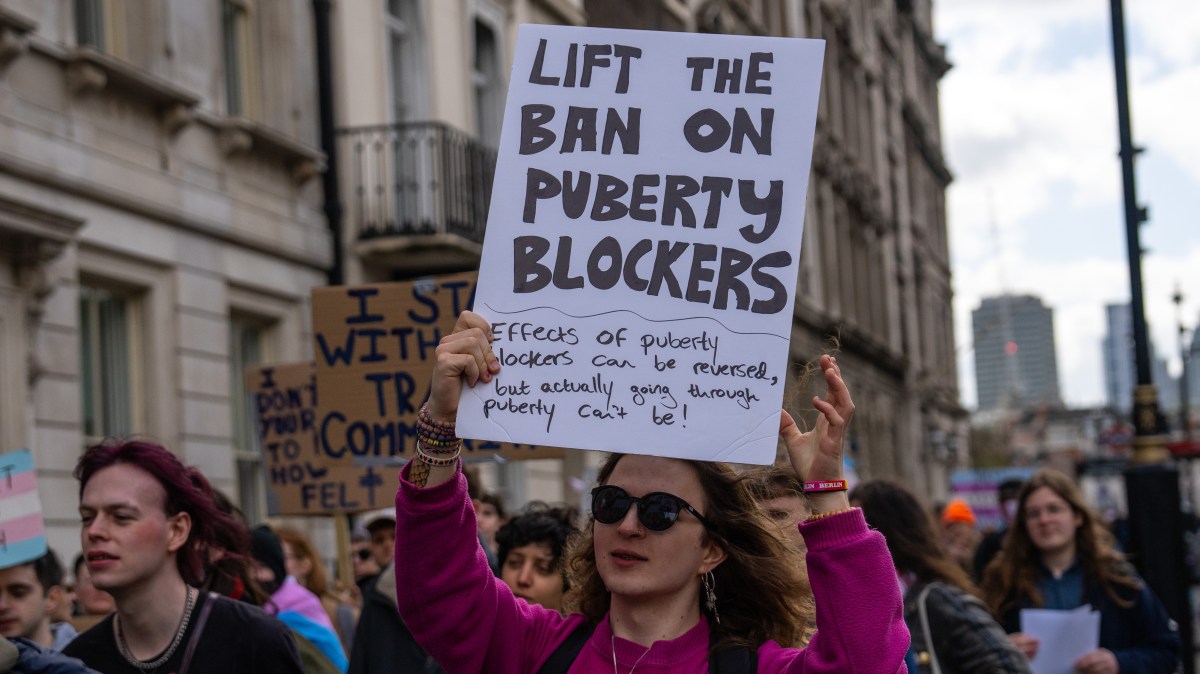
A group of peers have urged Wes Streeting to halt an NHS-backed puberty blocker trial, saying that it will put children on a pathway of “lifelong medical support”.
About 250 girls and boys aged between 10 and 16 will be recruited to a trial of hormone-suppressing drugs from the new year, run by King’s College London.
But 11 cross-party members of the Lords have written a letter to The Times urging the health secretary to intervene and get the trial halted.
They said: “Most children with concerns about gender grow out of it. But once placed on puberty blockers, the majority proceed to cross sex hormones — and then to the Wild West of our adult gender clinics. We know the resultant harms: reduced bone density, possible impact on brain development, loss of fertility, sexual dysfunction, a requirement for lifelong medical support, often serious pain and medical complications.
“How can anyone justify placing a further cohort of vulnerable children on a pathway to this future?”
The letter was signed by 11 members of the House of Lords, including the Conservative peer Baroness Jenkin of Kennington and the Labour peer Lord Glasman.

Lord Glasman
TIMES PHOTOGRAPHER RICHARD POHLE
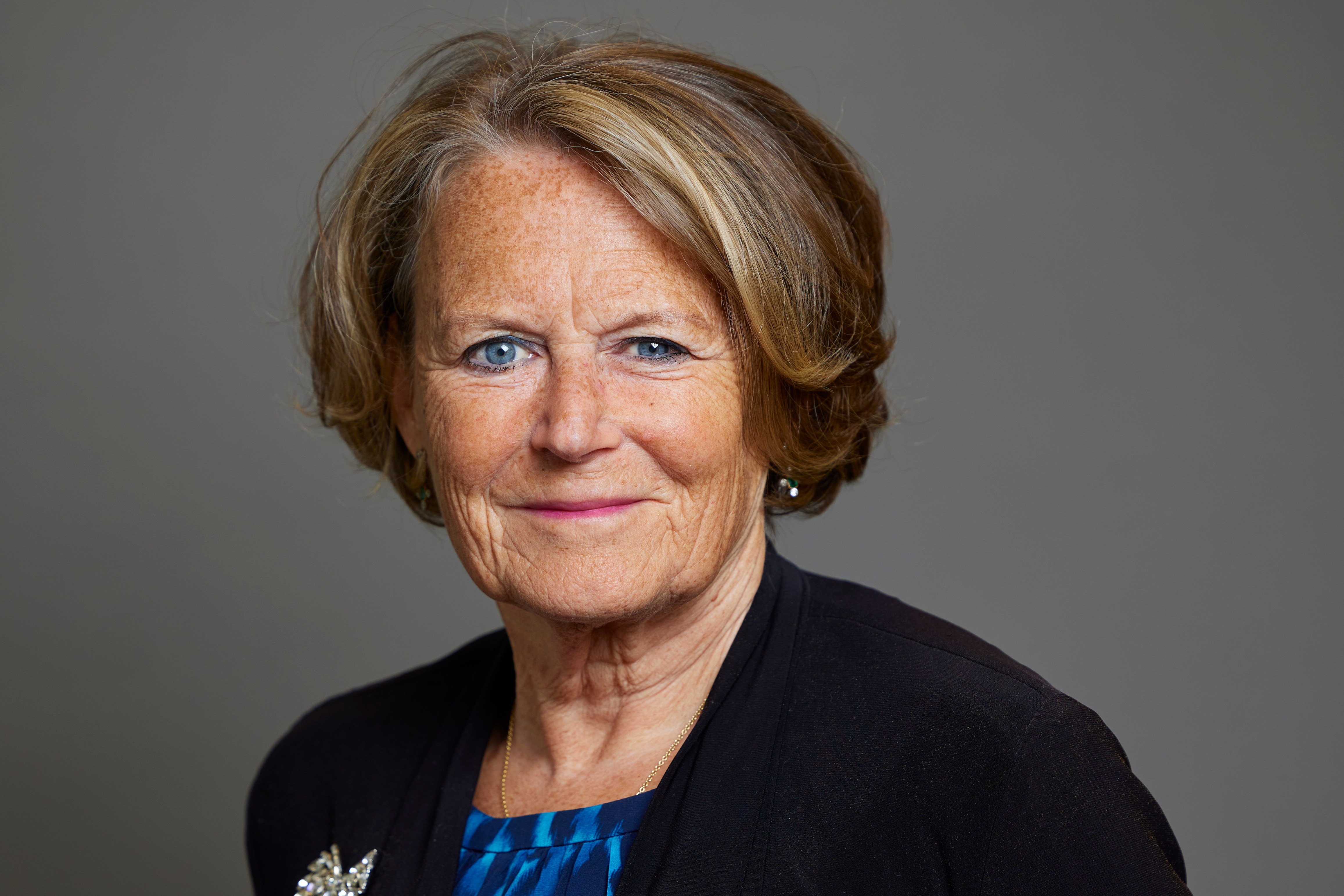
Baroness Jenkin of Kennington
ROGER HARRIS PHOTOGRAPHY
They argue that the new trial of puberty blockers should not begin until existing NHS gender clinics for adults comply with a request to provide data that shows the outcomes of patients who have previously had puberty blockers.
• The Times View: Puberty blockers trial must not go ahead
“Until this work is complete and the results known, the puberty blockers trial should be halted,” they wrote.
Ethical concerns about the trial have mounted as it emerged that children taking part would be asked if they wanted to freeze their sperm or eggs.
The Pathways trial protocol says that all those participating must be advised about fertility preservation options before starting on the drugs, as the hormone blockers may affect their ability to have children in future.
Female participants will also have regular pregnancy tests and be warned not to get pregnant, as the medication used in the trial is not safe for use during pregnancy.
Puberty blockers are a type of medication called gonadotrophin-releasing hormone analogues (GnRHa), which pause the physical changes of puberty such as breasts, periods or facial hair.
The trial document says children taking part “will be encouraged to ask questions and explore fertility preservation options” before commencing the drugs.
It says: “The risks to long-term fertility will be discussed with each CYP [child or young person] considering GnRHa by a clinician in or attached to their gender service who has specific training and knowledge about fertility risks and options available to them … The information will include options around sperm donation and egg retrieval.”
The protocol says children wishing to freeze their eggs or sperm will be referred to fertility clinics from the NHS gender service, “either directly by paediatric endocrinologists or by their GP”.
Girls wanting to safeguard their fertility would have to go through egg freezing, which involves daily injections for about two weeks to help stimulate eggs to mature, then a procedure to collect the eggs, which are then stored in a freezer and can be used in IVF cycles in the future.
Research suggests that puberty blockers alone generally do not cause permanent infertility, but they do pause reproductive development, meaning sperm or egg production stops temporarily. Most children who begin on puberty blockers also go on to take cross-sex hormones as adults, which suppress reproduction and lead to infertility.
Puberty blockers have been banned for use treating gender dysphoria in the UK since last year, due to fears they harm bone and brain development.
The Pathways trial was recommended in last year’s Cass Review, as a way to fill an “evidence gap” about how best to treat gender dysphoria in children. However, campaigners have called for the trial to be halted, saying there is already sufficient evidence that puberty blockers are harmful.
Kemi Badenoch, the Conservative leader, wrote to Wes Streeting, the health secretary, last month and told him that the trial “is borne of the discredited, yet still seemingly entrenched, belief in some quarters that a child can be ‘born in the wrong body’ or go through the ‘wrong’ puberty, and that a normal puberty can be ‘paused’ without causing irreparable harm to children”.

Kemi Badenoch
JORDAN PETTITT/PA
Streeting said this month he was “uncomfortable” with the trial, but he had similar feelings about the permanent ban on the supply of puberty blockers to children experiencing gender incongruence or dysphoria.
Claire Coutinho, the shadow equalities minister, told the Daily Mail: “No eight-year-old child can make decisions about their future fertility. Asking them to do so is completely unethical.
“This document shows that giving children these powerful drugs has clear, irreversible risks to their brain development and bone density. The NHS is choosing to expose children to lifelong harm.
These are physically healthy children being put on a medical pathway to permanent chemical castration whilst they are still in primary school. No child can consent to that, and no adult should ask or enable them to.”
Helen Joyce, from the charity Sex Matters, said: “Of all the horrors hidden in the guide for participants in the puberty blockers trial, the approach to their future fertility is perhaps the worst.
“Children who may be as young as ten are sold a fantasy that they can preserve their fertility, even as they embark on a treatment pathway that will block their normal development into adulthood and is likely to end up destroying their ability to have children naturally.
“Some of the participants in this trial will be so young they still believe in Santa Claus. Some may not even be clear on the facts of life. This guide envisages conversations they will not be mature enough for, and which are totally inappropriate for their age group.”