Home » Airlines News of United States » Germany Celebrates Aviation Heritage as Lufthansa Receives First Centennial Boeing 787 Dreamliner Linking Europe and the United States
Published on
December 24, 2025

A major milestone in European aviation history has been reached as Lufthansa Airlines, the flag carrier of Germany, has taken delivery of its first centennial-themed aircraft, a state-of-the-art Boeing 787-9 Dreamliner. The arrival of this aircraft at Frankfurt Airport represents far more than a routine fleet expansion, as it marks the beginning of a year-long celebration leading up to the airline centenary in 2026. Delivered from Everett, Washington in the United States, the aircraft stands as a powerful symbol of transatlantic cooperation, innovation, and the enduring appeal of air travel for global tourism. With international travel steadily regaining momentum, the introduction of this specially liveried Dreamliner highlights the growing importance of modern, fuel-efficient aircraft in shaping the future of long-haul journeys. As Lufthansa prepares to connect travelers across continents with renewed purpose, this anniversary aircraft has been positioned as a flying tribute to the airline past while simultaneously reinforcing its role in the evolving global tourism landscape. Through thoughtful design, strategic fleet planning, and a clear focus on passenger experience, the centennial Dreamliner has been presented as a bridge between history and the future of travel.
Arrival of the First Centennial Dreamliner in Germany
The Boeing 787-9 Dreamliner arrived at Frankfurt Airport after completing its delivery flight from the Boeing production facility in Everett, Washington. The journey itself underscored the strong aviation ties between Germany and the United States, a relationship that has long supported global tourism and international business travel. Upon arrival, significant public attention was drawn, with aviation enthusiasts, airport staff, and travelers gathering to observe the landing of the distinctive aircraft.
The aircraft, registered as D-ABPU and named Berlin, has been positioned as the lead aircraft of a planned anniversary fleet. Its entry into the Lufthansa fleet has been described as a symbolic moment, reflecting both national pride and international connectivity. Frankfurt Airport, one of Europes busiest aviation hubs, served as a fitting stage for the debut of this milestone aircraft.
A Design Blending Heritage and Modern Identity
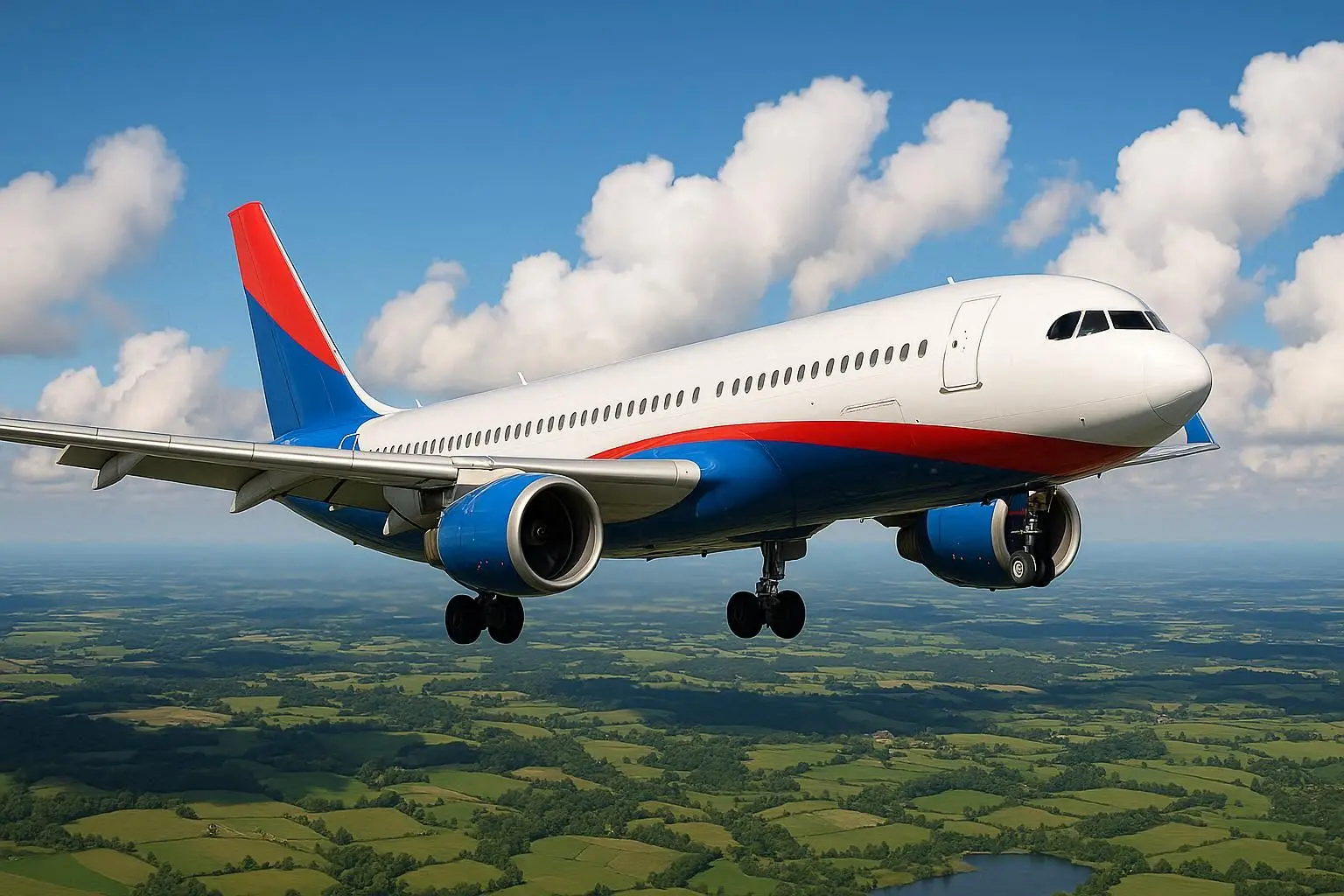
The centennial livery applied to the Boeing 787-9 has been carefully crafted to balance tradition with contemporary aesthetics. The deep blue fuselage has been adorned with an oversized white crane, a symbol that has been closely associated with Lufthansa identity for decades. The design allows the cranes wings to visually extend toward the aircraft wings, creating a seamless and dynamic appearance.
Additional markings have been incorporated to clearly communicate the centennial theme. A prominent 100 has been placed on the left side of the fuselage, while the years 1926 | 2026 have been displayed on the right side. Another 100 marking has been positioned on the underside of the aircraft, ensuring visibility from the ground and reinforcing the celebratory message during flight operations. Through these elements, the aircraft has been transformed into a flying ambassador for German aviation heritage and global tourism.
Leadership Presence and Symbolic Importance
The arrival of the aircraft was personally acknowledged by Lufthansa Airlines Chief Executive Officer Jens Ritter, highlighting the importance attached to this delivery. While new aircraft deliveries are a regular occurrence for major airlines, this particular Dreamliner has been recognized as carrying exceptional symbolic value.
As Lufthansa approaches its 100th anniversary, moments such as this have been framed as opportunities to reflect on the airline long journey while maintaining a forward-looking strategy. The presence of senior leadership during the arrival reinforced the significance of the event for employees, partners, and travelers alike.
Lufthansa Origins and a Century of Air Travel
Lufthansa origins have been traced back to January 6, 1926, with the first official flight taking place on April 6 of the same year. Over the decades, the airline has played a central role in shaping European and global air travel, connecting Germany to destinations across Europe, the Americas, Asia, and beyond.
As international tourism expanded throughout the twentieth century, Lufthansa emerged as a key facilitator of cultural exchange and economic development. The centennial celebration planned for 2026 has been designed to honor this legacy while acknowledging the profound changes that have occurred in aviation technology, sustainability, and passenger expectations.
The Six Aircraft Anniversary Fleet Plan
To commemorate the centenary, Lufthansa has announced plans to introduce a six aircraft anniversary fleet during 2026. In addition to the Boeing 787-9, the fleet will include an Airbus A380, an Airbus A350-1000, an Airbus A350-900, an Airbus A320, and a Boeing 747-8. Each aircraft type represents a different segment of Lufthansa operations, from short-haul European routes to long-haul intercontinental services.
The centennial livery is scheduled to be applied gradually across these aircraft, with completion expected by fall 2026. This approach ensures sustained visibility of the anniversary theme across multiple markets and destinations, enhancing the travel experience for passengers while promoting German aviation heritage worldwide.
Entry Into Commercial Passenger Service
The newly delivered Boeing 787-9 has been scheduled to begin regular passenger operations in the coming weeks. Once deployed, travelers will be able to experience the centennial design as part of their everyday journeys, whether flying within Europe or on long-haul routes connecting Germany with global destinations.
The Boeing 787-9 Dreamliner has been widely recognized for its fuel efficiency, reduced emissions, and enhanced passenger comfort. These attributes align closely with modern tourism trends, where sustainability and comfort have become increasingly important considerations for travelers.
Strengthening Travel Between Europe and the World
The introduction of the centennial Dreamliner has also been viewed as a strategic move within Lufthansa broader fleet modernization program. By investing in advanced aircraft, the airline has positioned itself to meet growing demand for international travel while reducing environmental impact.
Routes connecting Germany with the United States, Asia, and other regions are expected to benefit from the capabilities of the Boeing 787-9. For tourism markets, this means improved connectivity, greater capacity, and a more comfortable travel experience for passengers exploring new destinations.
A Tribute to the Past and Vision for the Future
As Lufthansa moves steadily toward its 100th anniversary, the delivery of this Boeing 787-9 Dreamliner has been recognized as both a tribute to its origins and a statement of intent for the future. The aircraft embodies a century of progress in aviation while signaling continued commitment to innovation, sustainability, and global tourism.
Through thoughtful design, careful planning, and a clear focus on passenger experience, the centennial aircraft has been positioned as a symbol of continuity and renewal. For travelers flying to and from Germany, the anniversary Dreamliner offers not only a journey through the skies but also a connection to a rich aviation legacy that continues to shape the future of international travel.
