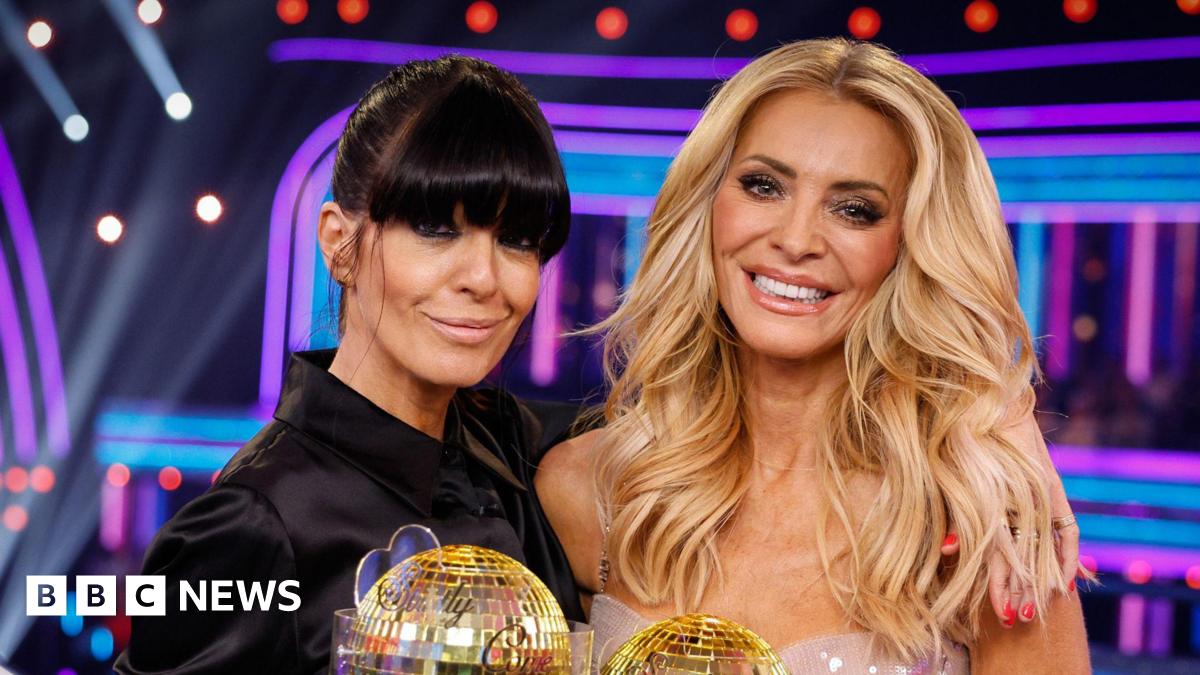
The current Strictly series, which began in September, was seen in media circles as something of a reboot for the long-running hit BBC show.
It follows last year’s controversies relating to the behaviour of some professional dancers, and in August, the launch of a BBC investigation into alleged drug use by two of the show’s stars, and an unnamed star being arrested on suspicion of rape (it is understood the development was not related to the current series).
BBC bosses were keen for fans and the media to return to talking about the show itself.
But the scandals have not stopped. In October, a second unnamed star from the show was arrested on suspicion of rape. That development, which was reported in November, is also understood not to be linked to the current series.
Bullimore says it is “difficult to know” whether the various scandals played into Daly and Winkleman’s decision to leave.
But she also said despite the controversies, hosting it would remain “very attractive” to any presenter.
There has been speculation that the format might be paused for a year, to reset after the scandals. But Bullimore said she did not think that was likely.
“Strictly is still really, really important for the BBC,” she said.
“You would need to find something to fill that gap in the schedules. And that’s a hard thing to do.”
Culture journalist Natalie Jamieson said she would miss the show if it took a break.
“Strictly’s a cross-generational watch in my household – my daughter messages her grandma every week as the dances are happening – and I’d be sad if that cycle was disrupted for a year,” she said.
But she added that if it was rested, even only for a year, “it could also open up opportunities to showcase other inspirational and aspirational aspects of culture and the arts through a potentially new TV show format, and that would be exciting”.
The BBC has said plans for what the show will look like in 2026 will be revealed in due course.