Intelligence sources said that battlefield co-operation between London and Kyiv, combined with heightened tensions with Moscow, have raised concerns
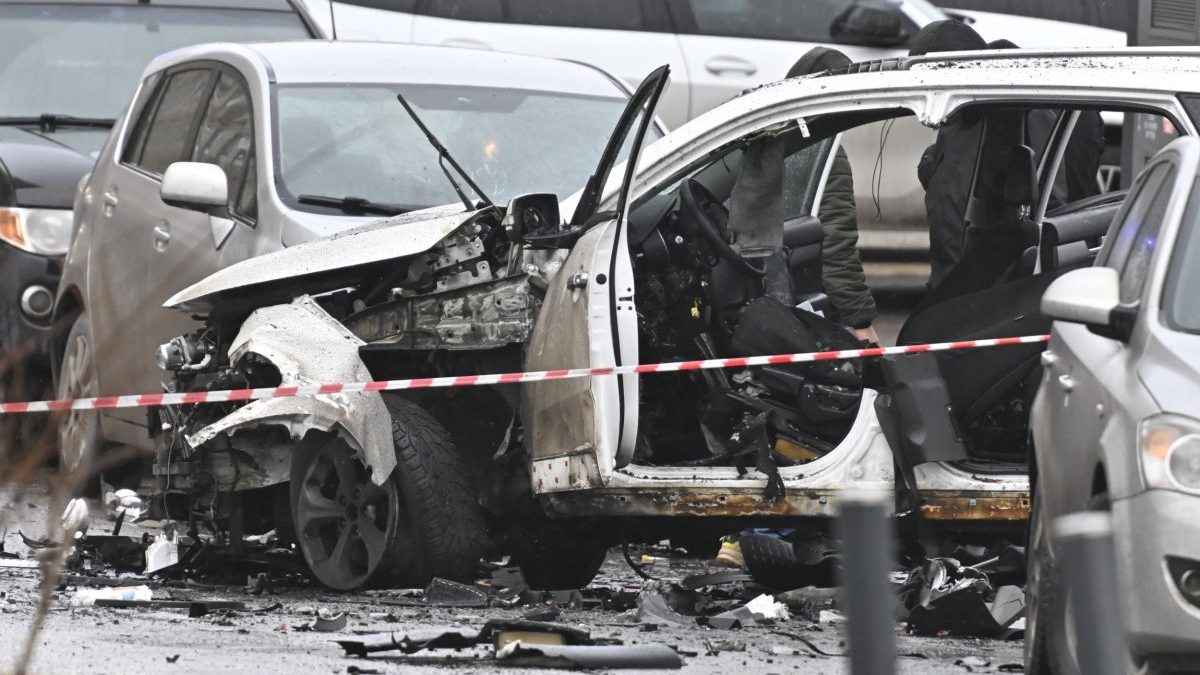
On Wednesday night, two police officers in southern Moscow were drawn to a suspicious individual loitering near a patrol car. As they approached, an explosive device was detonated, killing three people.
The blast was the second of its kind this week to reverberate through the Russian capital. On Monday, Lt Gen Fanil Sarvarov, a senior Russian military figure, was killed when a device planted beneath his car exploded in a similar attack.
While Ukraine has remained silent on the attacks, Russian authorities have accused the country’s SBU intelligence agency of being behind the bombings. It is not known if the two incidents are linked.
Security officials and experts say the explosions, which come as peace talks continue between Kyiv, Moscow and Washington, are part of Ukraine’s clandestine operations inside Russia’s borders, designed to “undermine confidence” in President Putin’s ability to keep his countrymen safe.
While Ukraine is more than capable of carrying out such attacks independently, intelligence sources have told The i Paper that years of battlefield co-operation between London and Kyiv, combined with heightened tensions with Moscow, have raised concerns the UK could still face repercussions.
They told The i Paper that Putin will feel compelled to “send a message back to Ukraine” if clandestine strikes against Russian officials continue. Any retaliation, they added, “would have to be significant”.
A UK intelligence source warned that while there is no suggestion of British involvement, any suspicion in Moscow of British assistance could see Russia extend its response beyond Ukraine, escalating psychological and information warfare against the West.
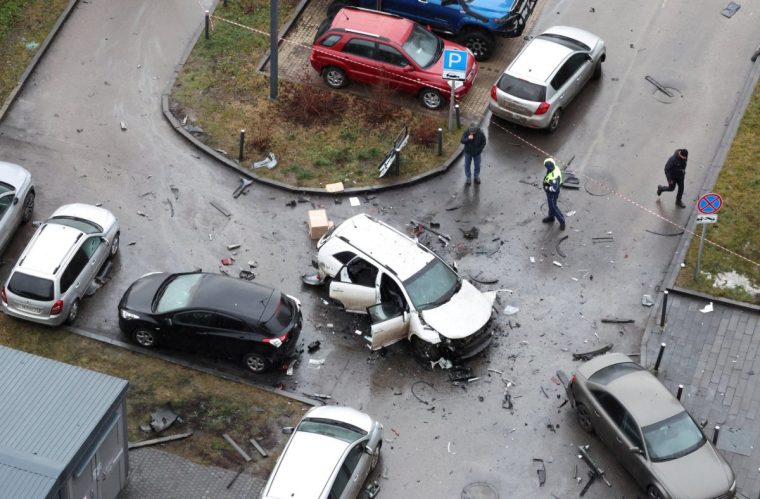 A view of the scene of a car explosion in southern Moscow, Russia that killed senior Russian general on 22 December (Photo: Anastasia Barashkova)
James Everard, former Nato chief, said the attacks could increase a “shadow war” that was already well under way. Putin’s aim, he said, was to demonstrate “the inability of governments to maintain control”.
Bringing the war to Putin’s door
The attacks follow a pattern of targeted operations inside Russia intended to bring the realities of the war closer to the Kremlin. Since Russia’s full-scale invasion of Ukraine in 2022, at least three senior military figures and pro-Kremlin officials have been killed or targeted in suspected assassinations.
In April, Yaroslav Moskalik, a Russian lieutenant general, was killed in a car bombing near Moscow, while Igor Kirillov, the country’s head of Chemical, Biological and Nuclear Defences, died in December 2024 when a booby-trapped electric scooter exploded.
While the perpetrators for this week’s attacks against police officers and Moskalik are still unconfirmed, Ukraine’s SBU security service claimed the killing of Kirillov as “a legitimate target” and alleged he had carried out war crimes.
Dr Dan Lomas, a security and intelligence expert at Nottingham University, said the attacks were “carefully calibrated” to bring the war home to “everyday Russians”.
“Unlike Russia, which continues to attack civilian targets, we’re seeing Ukraine engage in attacks against the Russian military,” he told The i Paper. “Russia remains vulnerable, and it shows flaws in Russia’s domestic service, the FSB, in trying to protect Moscow.”
A Nato official, who asked not to be named, said the attacks would sow doubt among the Russian public, and harm the morale of Russian military units by telling them that there was a “price to pay” for their actions in Ukraine.
The implication from Kyiv was clear, they said: “If you slaughter civilians, we are coming for you.”
Death amid negotiations
The latest killing comes as Ukraine and the US hammer out the details of an updated peace plan that opens the door for discussions of a demilitarised zone on the east of the country. The US delegation has been locked in talks with Volodymyr Zelensky over the weekend, with the withdrawal of Ukrainian troops from the area proving the main sticking point.
Asked whether the assassinations would hamper peace talks, a US intelligence source was unmoved.
“Russia isn’t changing their approach to this war and neither is Ukraine,” they said. “No matter what is being said at the negotiating table.”
But a British intelligence source disagreed, arguing that the latest attack had been carried out with “optimal timing” to put pressure on Putin at home, which could push him towards more meaningful negotiations.
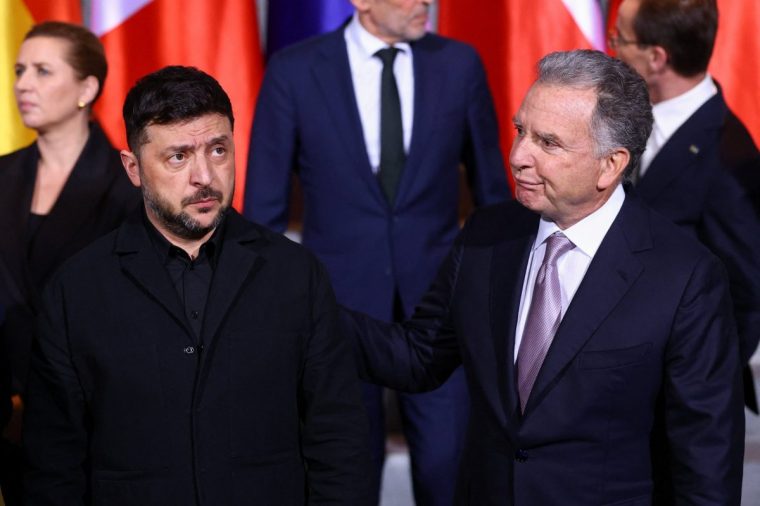 Ukraine’s President Volodymyr Zelenskyy and US Special Envoy Steve Witkoff have been central to negotiations towards peace in Ukraine (Photo: Lisi Niesner)
John Foreman, the UK’s former defence attaché to Moscow, said the killings exposed Russia’s security “incompetence”, and warned the Kremlin would be quick to blame the UK for its role in the attacks.
He said Britain’s special services plays an “outsized role” in the minds of the Kremlin, with whom the UK is experiencing a fraught relationship.
Your next read
“To lose one general may be regarded as a misfortune; to lose two looks like carelessness. To lose three in a year is incompetence,” he said.
By chipping away at the Kremlin’s illusion of control and reminding Russians that distance doesn’t guarantee safety, Ukraine’s campaign inside Russia is aimed at shifting psychology rather than territory.
The effect is increased with each strike, but so too is the threat of Putin’s retaliation. As ever, events to the east of Europe will be closely monitored by UK intelligence agencies, already wise to the cyber attacks, disinformation, and sabotage the Kremlin is increasingly capable of carrying out.