From 999 call handlers to hospital staff keeping little ones company on the wards at Christmas, these are the incredible people keeping our festive season a safe and happy one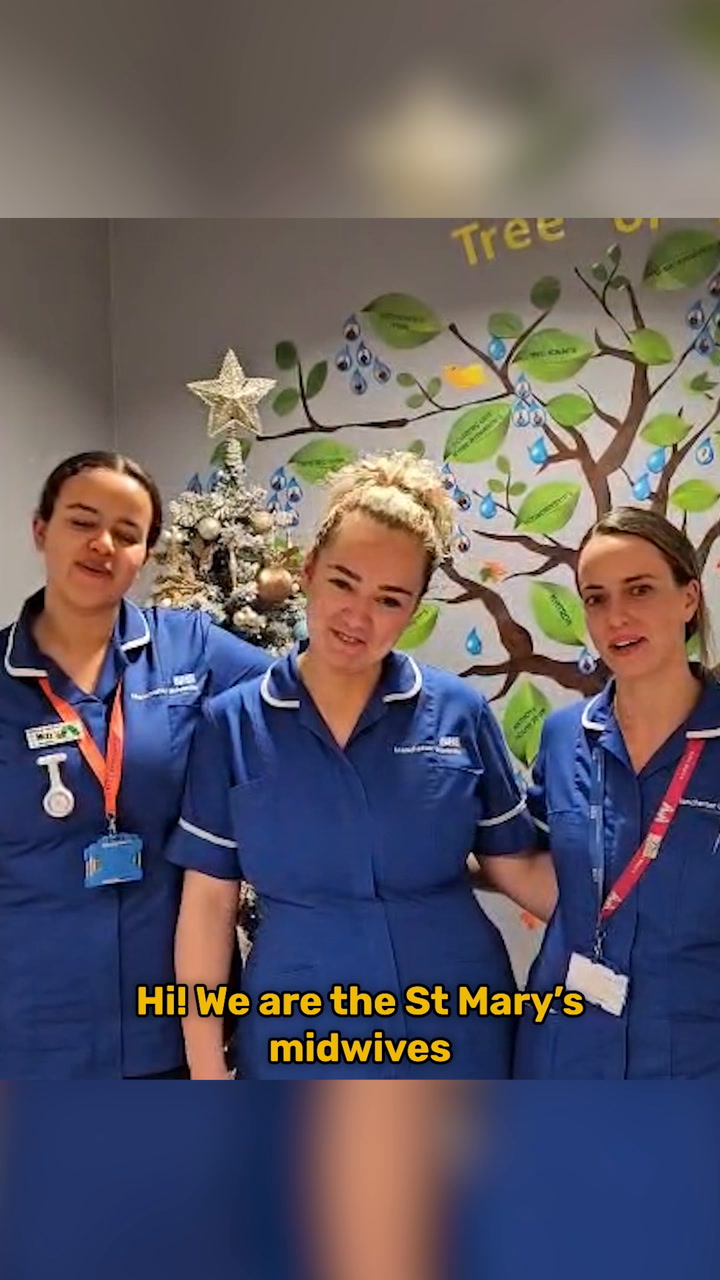 The amazing midwives delivering babies this Christmas
‘Christmas is family time,’ says Festus Omeike, fondly sharing how he’ll be celebrating with his four children and wife. But those celebrations on Christmas Day will be over the phone, on video calls, during his breaks.
Because cardiac nurse Festus, like so many people across the country, will be giving up time with their loved ones to keep lifesaving services going when people need them most.
While you’re poring over the Christmas edition of the Radio Times, meticulously scheduling when you’ll watch Wallace and Gromit, they’re meticulously planning to give more than 100 homeless people a Christmas dinner, or tirelessly patrolling to keep our streets safe.
One 999 call handler made a plea to the public this Christmas, saying: “We have a lot of repeat callers taking up our time. If it’s not an emergency, 101 or live chat are the options to use. Once they call, we have to spend our time to make sure there’s no crime and that has to be escalated.
“It affects us and our supervisors and takes our time away from looking at severe cases. It doesn’t just end with us; it impacts everybody else.”
So, today, we’re celebrating Greater Manchester’s selfless Christmas heroes. Here, we’ve put the spotlight on just a few of the amazing people who give up their Christmas Day in the service of others.
As nurse Festus says: “Even though we’re supposed to be with our own families, it’s our pleasure to work on Christmas Day and make a difference in our community at people’s most vulnerable times.”
These are their stories…
The NHS cardiac nurse
Festus Omeike, who lives in Moston, is one of thousands of NHS staff working on Christmas Day in this country.
The dad-of-four started out as a support worker in 2017 before qualifying as a nurse in 2021. He now works at the Acute Cardiac Centre in Manchester Royal Infirmary, treating people who come in with cardiac arrests and heart attacks.
It can be a scary experience for patients and their families, and heart attacks make no exception for Christmas time.
“Heart attacks don’t know about Christmas. Heart attacks don’t take days off – even at Christmas,” he told the Manchester Evening News. “From my years of experience, it’s probably one of the days we are busiest!
“Sometimes the excitement, alcohol, food makes it more likely people might have a cardiac arrest. We take them straight from the ambulance to a procedure, and then down to the ward for monitoring.”
Festus explained that a lot of patients don’t know what to expect, and believe they’re going to die. “Heart attacks and cardiac arrests are one of the most frightening situations people can face,” he continued.
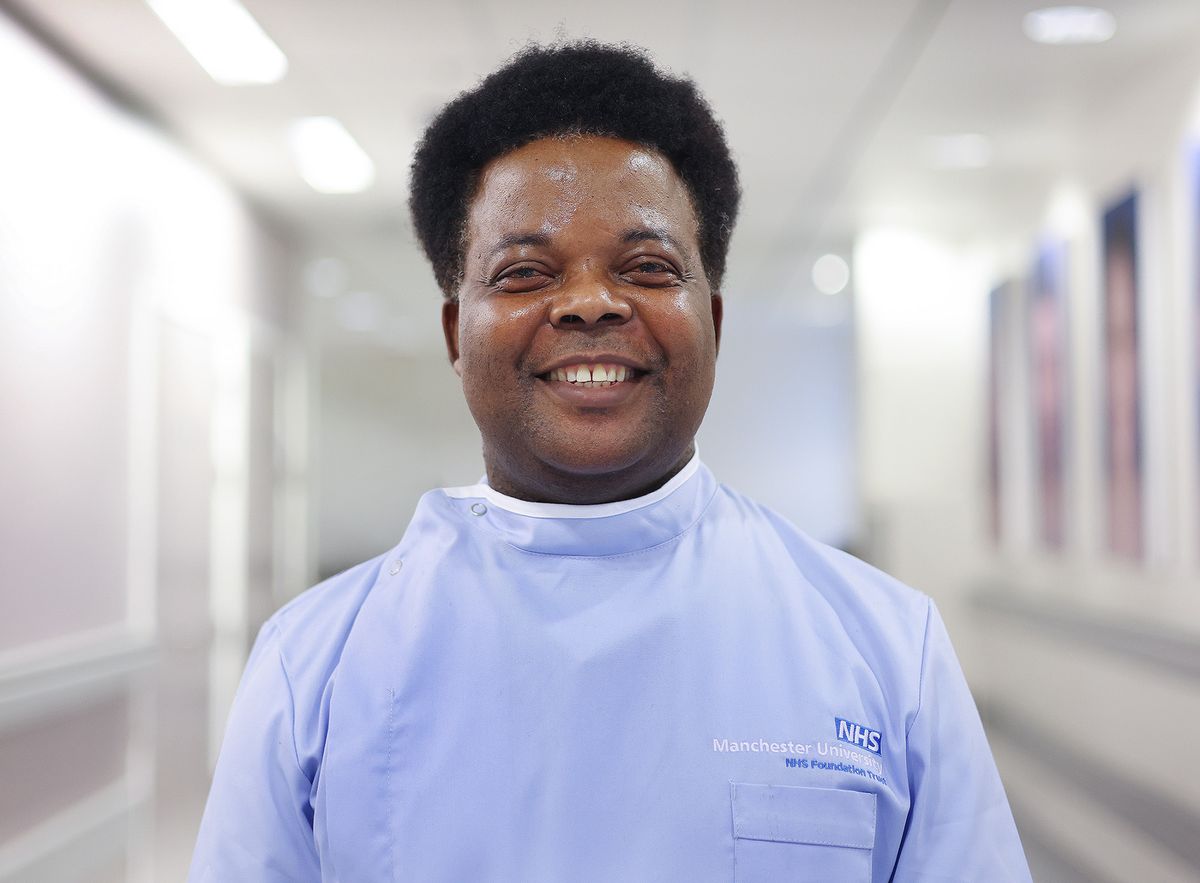 Festus Omeike will be working Christmas Day at Manchester Royal Infirmary (Image: Manchester Evening News)
“Some people might not even know they have an illness and their heart attack comes completely unexpectedly. A lot of the time it can be the most shocking thing that’s ever happened to you, especially if it comes during Christmas time.
“It’s supposed to be family time when families are supposed to be together, but have to be separated because the patient finds themselves in hospital in critical condition.
“We’re there to support and tell them that heart attacks happen, it can be part of life – and if you follow the advice and treatment, you can live a very normal life depending on the damage done to your heart.”
Festus shared that the centre finds its own ways of celebrating Christmas for patients unable to spend it at home.
He said: “It’s also about reminding them that Christmas never finishes. You still hopefully have more to celebrate in the coming years now that you’re getting treatment for your condition.
“You might be missing out this year, but we’re just grateful you’ve made it, not everyone does.
“And there are plenty of ways we can celebrate on the wards and make it memorable for patients. We put up decorations, we make our own nativity out of things you’d find in a hospital.”
The CSI officer
A crime scene investigation officer, Mark Howarth is of the understanding that he is the last person people want at their doorstep on Christmas Day. Working with the North Manchester unit, his day will consist of opening presents with his young family before clocking in for the night shift to deal with a range of crime scenes.
With 18 years in the force, working on Christmas Day is ‘just another’ bank holiday to Mark, however, but he has never forgotten the important part of his job.
“If someone has been a victim, what we want is for them to get back to normal and get some sort of closure as quickly as possible,” he told the M.E.N. “We do that every day, but Christmas is a step up, so that’s where the sense of pride comes that we can hopefully achieve that for them.
“No-one wants me at their house anyway, but on that particular day especially.
On the reality of being away from his family on Christmas, he added: “I’ve got a young family myself, so it is difficult having to come in.
“I’ll miss out on the Christmas lunch, but we have pot noodles somewhere around here. The flipside of that is the sense of pride of helping people, and my family understand that.”
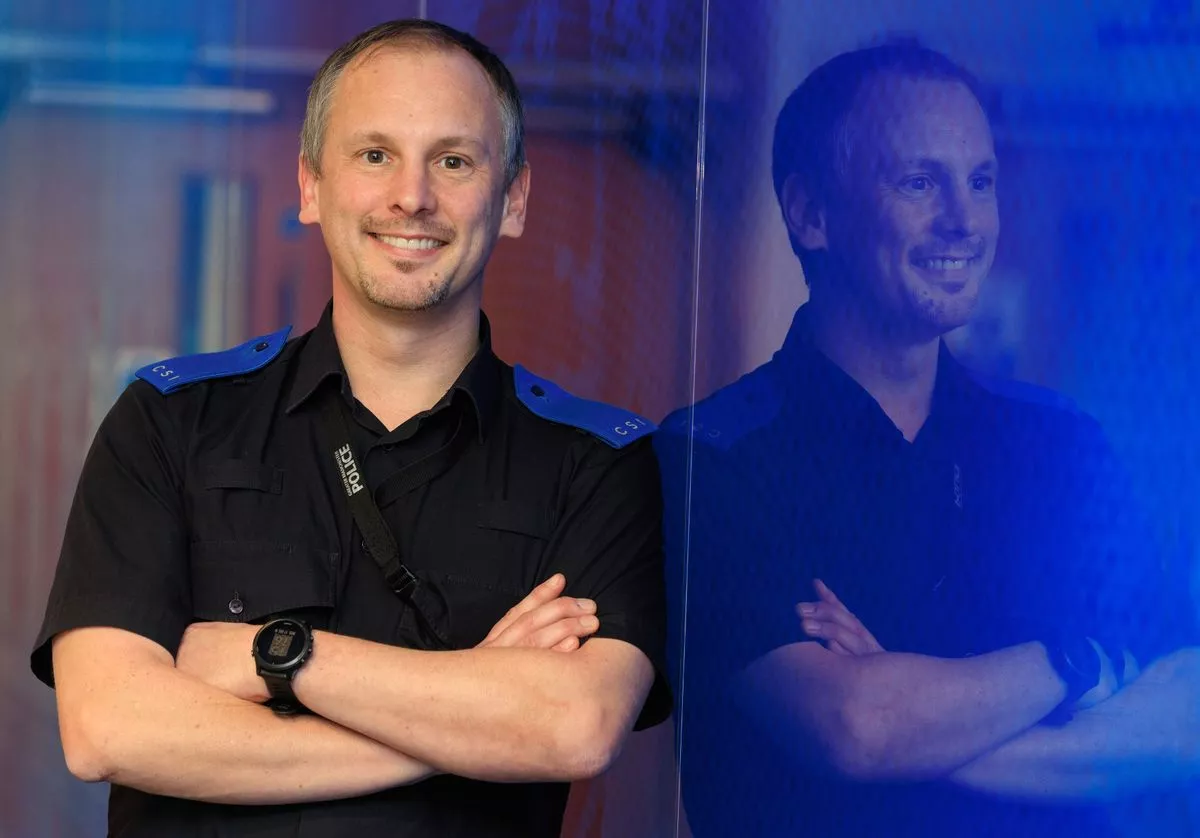 Mark Howarth is a CSI officer working Christmas Day(Image: GMP)The children’s ward play specialist
Lydia Hill is a play specialist on the children’s ward at the Royal Bolton Hospital, and will spend Christmas Day helping children who are too unwell to leave hospital to perhaps have a brighter day.
Play specialists work all year round, but December can be their busiest and most meaningful time. They work with doctors, nurses and specialists to reduce anxiety and support children’s treatment.
They help make sure that only children who truly need hospital care over Christmas are on the ward on Christmas Day, as hospitals try and get as many children home for Christmas as they can. After 40 years in the NHS, this Christmas will be Lydia’s final Christmas Day working on the ward before retirement.
“No child should feel forgotten on Christmas Day,” Lydia says. “A small moment of joy can make a huge difference. We’re here to make hospital feel as safe and calm as possible,”
Thanks to the generosity of former patients, families and local Bolton companies, every child wakes on Christmas morning to a donated gift, with ones for visiting siblings too.
In December, the ward is transformed with decoration and festive activities but alongside the celebrations is the serious work of treating children who are unwell. Lydia helps them prepare for treatment and eases their anxieties with distraction and play.
She works with families from many cultures and backgrounds, recognising that Christmas can bring its own challenges, from stress to bereavement.
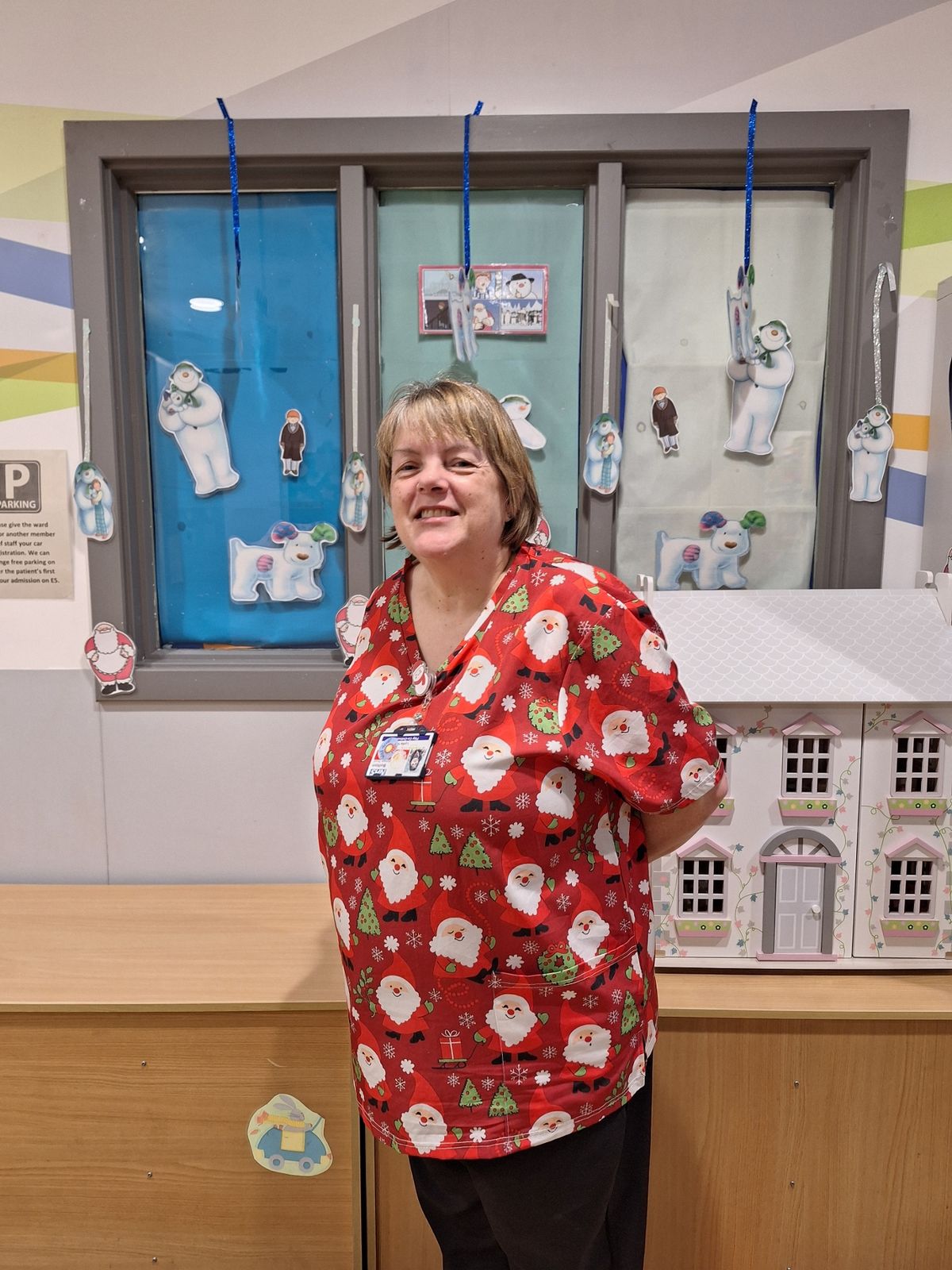 After 40 years in the NHS, this Christmas will be Lydia’s final Christmas Day working on the ward before retirement(Image: NHS GM)The homeless worker
Sheilagh Armstrong, is an advanced nurse practitioner with Mastercall, an NHS urgent care provider. She has spent the past ten years working three days a week at homelessness support charity, The Wellspring, in Stockport.
She provides walk-in healthcare for anyone who needs it, from treating wounds and infections to supporting people with a range of significant physical and mental health.
“Christmas Eve is a normal day for us,” Sheilagh told the M.E.N. “We do meals and, as people leave, we give them another packed meal that they can have later on.
“Then, all of The Wellspring volunteers cook a full Christmas dinner, box it all up into little tupperwares all in a tidy stack. We wrap presents, and then head out and deliver them out to people in hostels.
 The caring souls looking after our friends and family this Christmas
“Often, people are choosing between paying for somewhere to live and having electricity or putting the heating on. We also take them meals so they definitely have something to eat.
“Christmas Day is a party all day – we have about 100 people for Christmas lunch, give out presents that we’ve bought from donations or The Wellspring’s funds.
“Everyone gets that family feel. Christmas can be a really painful time. It can bring back memories of families they’ve lost or a life they’ve lost – whether those are sad or not.
“For a lot of youngsters, they might have memories of not very nice Christmases at home. We really make the effort to try and replace that with unconditional regard and kindness at Christmas time.
“And we always have a quiet space available if the celebrations in the main room get a bit much. There are people they can talk to, but it’s also fine if they just want to be quiet.
“They don’t have to explain anything to us – they can just be.”
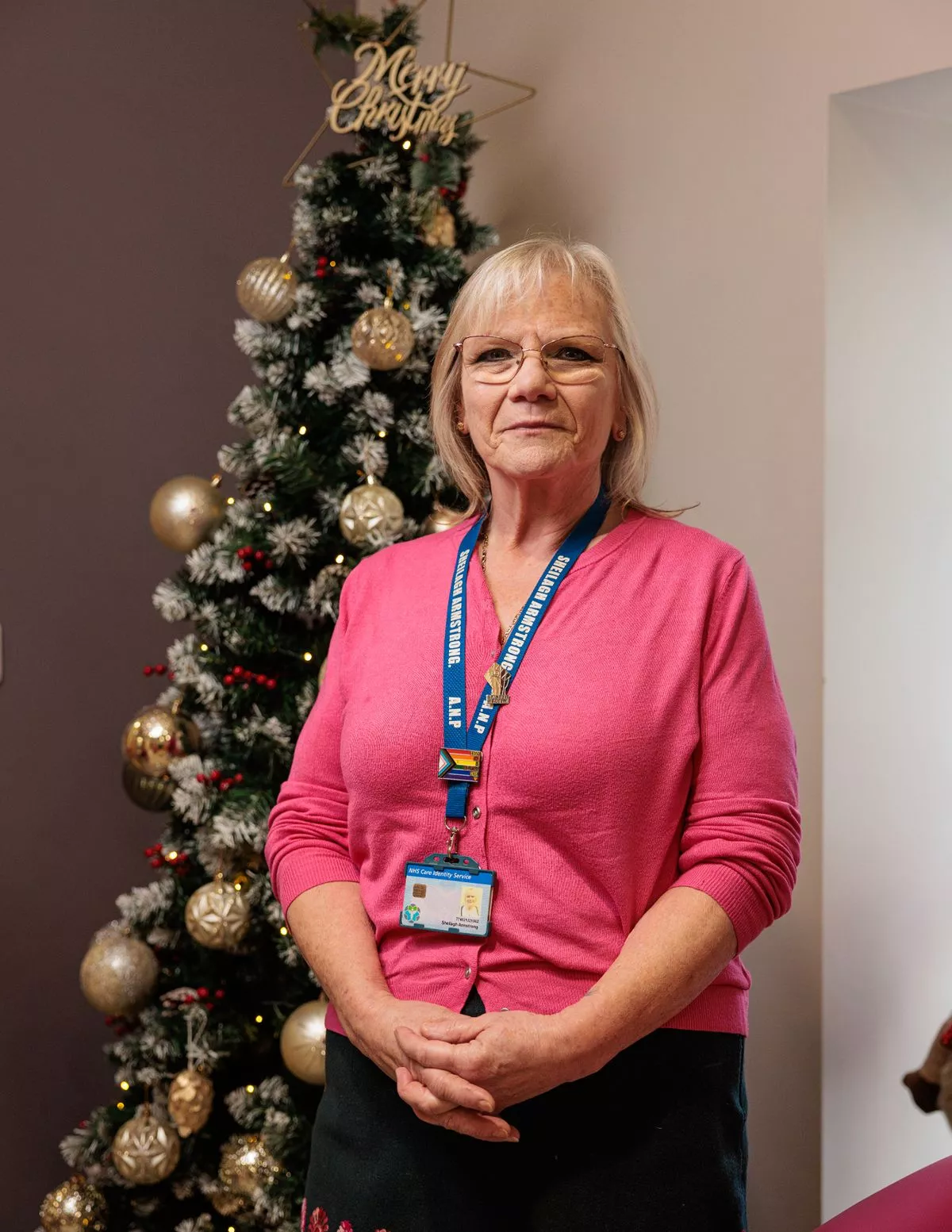 Advanced nurse practitioner Sheilagh Armstrong.(Image: Kenny Brown | Manchester Evening News)
The Wellspring provides somewhere to be warm, get a shower, have a cooked breakfast, and speak to people. She said: “It’s important that The Wellspring isn’t on skeleton staff, it’s not a step-down service on Christmas Day, there’s no diminished service, it’s not meagre – it’s a proper Christmas Day, and everyone really enjoys it. We make a big deal of being part of something, and always bring something extra.
“These people don’t get gifts. And on Christmas Day, they get presents that have been chosen with them in mind, a local florist comes in and does our table displays.
“Watching their faces makes it all worth it. They are rewarded with everything that everybody else would expect on Christmas Day.
“Quite often these people are invisible, people don’t want to look at them. Here, we treat people as human beings. It’s a little bit like the bar in Cheers – a place where everybody knows your name, says hello, says ‘see you tomorrow!’”
The falls specialist
Tackling another problem that doesn’t discriminate when it comes to Christmas time, Greater Manchester Falls Lifting Service staff will be working on Christmas Day. And they’ll be doing something crucial during the festive season – keeping people where they want to be, at home.
The service operates 8am to 8pm, seven days a week, from November to the end of March, lifting adults who, at the time of the call out, are not deemed to be injured.
Staff go into people’s homes over the winter season and help them back on their feet after a fall – making sure people can stay in their own homes, easing pressure on the ambulance service, and avoiding unnecessary A&E admission that can lead to people losing their mobility as they are stuck in a hospital bed, or contracting illnesses which spread through hospital like flu.
It’s perhaps a lesser-known service, but picking someone up in a timely fashion can ultimately save lives, as every hour spent on the ground multiplies the likelihood of injury. Falls are often classed as non-urgent by ambulance services dealing with life-threatening incidents, meaning people who have fallen can be waiting more than 12 hours for help from paramedics – posing a huge risk of deterioration.
But the Greater Manchester Falls Lifting Service usually responds in an hour.
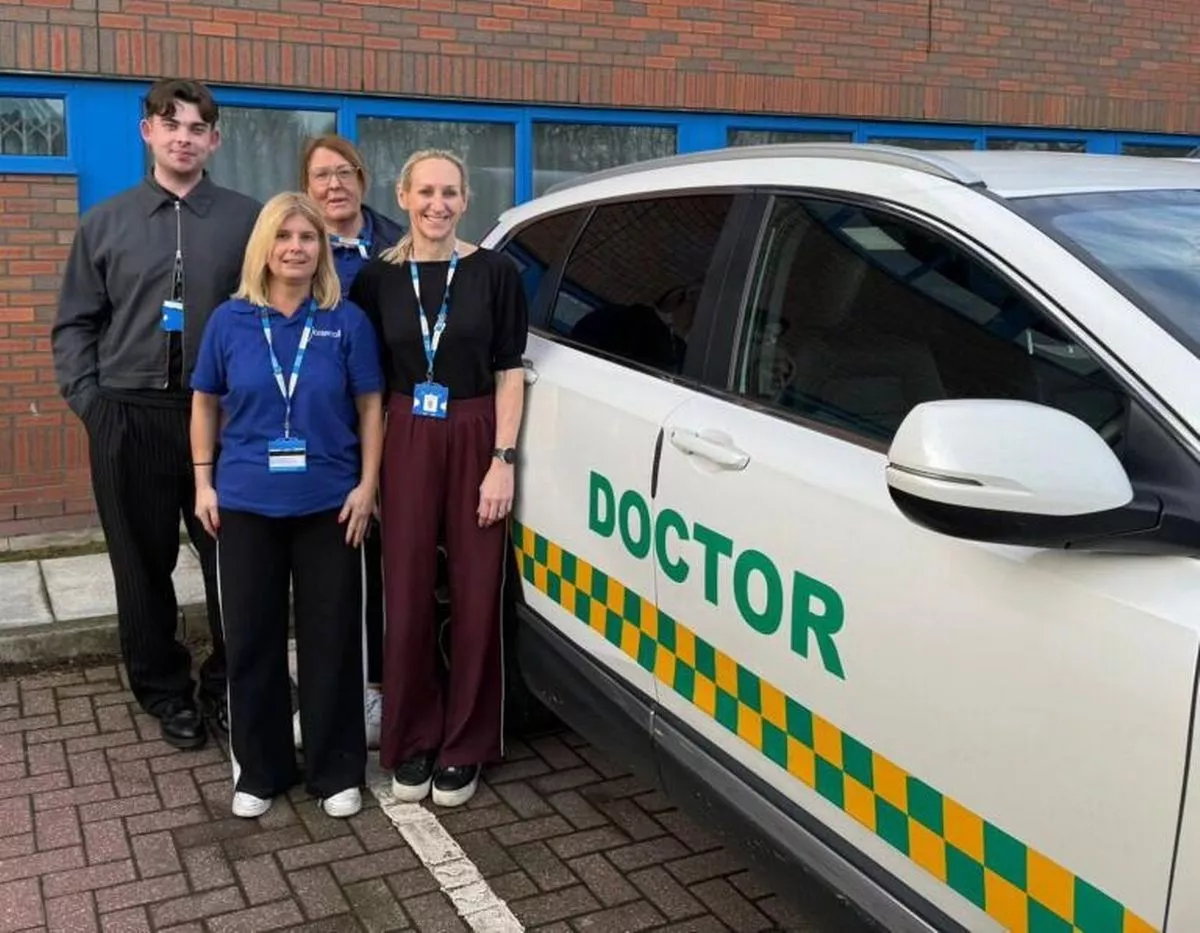 The team at Greater Manchester Falls Lifting Service staff will be working on Christmas Day(Image: UGC)
Rachael Ingram, who helps run the service told the M.E.N.: “We’ve dealt with 128 cases since November. Just 17 of those people have needed an onward referral after that. People only become patients when they’re not picked up in time – until that, they’re just a person who has fallen.
“Hours are critical in people’s muscle memory, it can be so detrimental to just put people in hospital beds when they don’t absolutely need to be, and they can get back on their feet quickly.”
The staff are trained to pick people up, assess them, and make observations. If there’s anything concerning, staff have access to doctors for medical decisions on what to do next, and help prescribing medications like antibiotics.
Every day, including Christmas Day, the service helps the elderly, but also anyone with limited mobility, wheelchair-users – people who ‘for whatever reason, can’t get up’.
Referrals come through 999 calls, GPs, care homes, and other health care professionals.
“We know that people can be embarrassed when they’ve fallen and an ambulance comes,” added Rachael. “For many people, falling can be a knock to their confidence, and ambulances are very big and visible.
“The feedback we get is that we’re really discreet – someone is able to come to their home within an hour, see them as a person, and keep them at home where they want to be.”
The outreach nurses
Karen Swift and Lynsey Philbin are taking NHS care beyond the GP surgery and onto the streets of Greater Manchester this Christmas, supporting people who are homeless, rough sleeping or at risk of homelessness.
Nurse Consultant Karen and Practice Business Manager Lynsey from Ribblesdale Medical Practice in Bury have been running a voluntary outreach clinic at The Red Door Centre, a community hub run by Caritas. The fortnightly clinic offers flu vaccinations, health checks and vital support to people who often can’t access traditional healthcare services.
For many of the patients they see, registering with a GP or attending appointments simply isn’t possible. “None of them would traditionally have walked through the doors of this health centre… It’s just broken down those barriers and created an opportunity for a discussion,” Lynsey said.
Karen’s consistent presence helps to build trust with patients. “She goes out and she’s the person that the patients there have got to know,” Lynsey said. “She’s established that trust with them. This is the vital thing – she’s that friendly face and non-judgemental.”
Ahead of Christmas, the team focused on flu vaccinations for people particularly vulnerable to cold weather and illness. “These patients are very vulnerable,” Lynsey said. “Some are rough sleeping, some are sofa surfing – they’re not looking after themselves well, so it makes them more susceptible to winter ailments anyway. And they are the very patients that are missing out on it.”
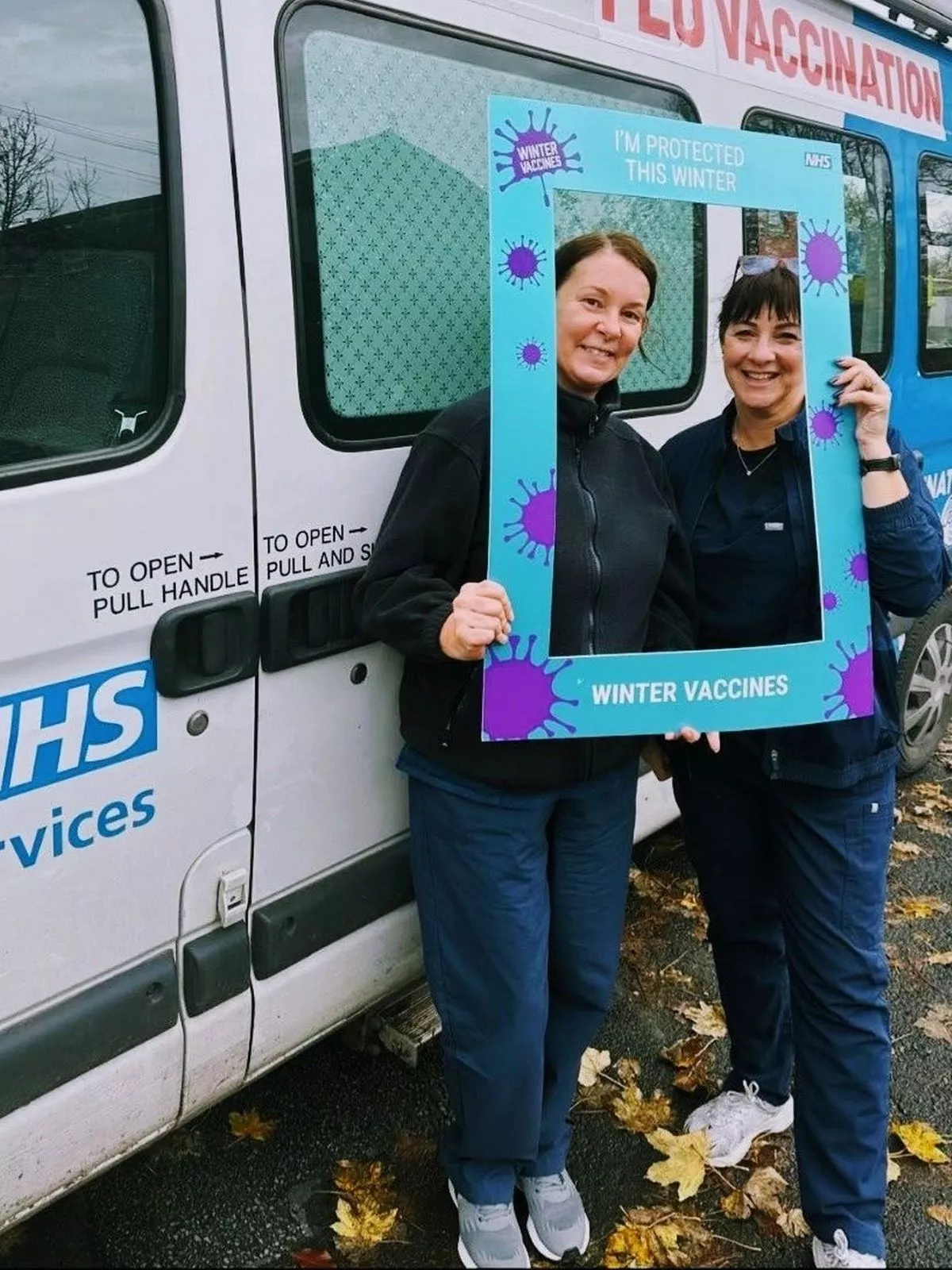 Karen Swift is a nurse consultant offering outreach flu vaccinations for people who are homeless or at risk, taking care directly to the streets(Image: NHS Greater Manchester)
The work is carried out without funding, alongside their usual GP practice roles. Karen has also taken vaccinations directly onto the streets. “I know where to find them and I know where to park the van and I know where to go looking for them,” she said. “It’s been really successful.”
The impact has been life-changing. Karen recalled one man who arrived at The Red Door after sleeping rough for a year. “He was cold, he was freezing, he was dirty, he was confused, he was upset, he was all of those things,” she said. On that day, the team helped get him washed, assessed, blood-tested and linked to housing support. “We found him to be diabetic,” Karen said. “And the other guys got him into accommodation within a week. That was massive.”
This Christmas, while many people enjoy warmth and security, Karen and Lynsey were quietly making sure that some of Greater Manchester’s most vulnerable residents are not forgotten.
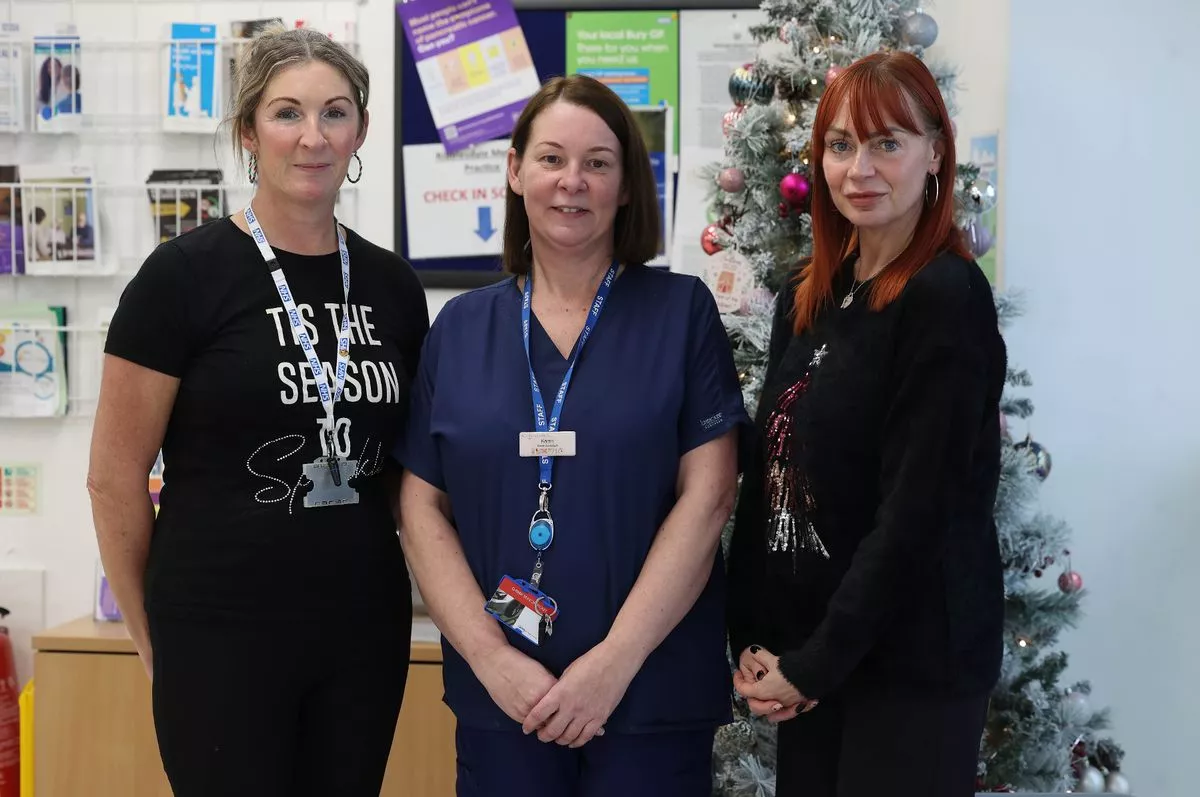 Karen (centre) seen here with the rest of her team, Jayne Chapman (left) and Lynsey Philbin(Image: Jason Roberts /Manchester Evening News)The young people’s mental health nurses
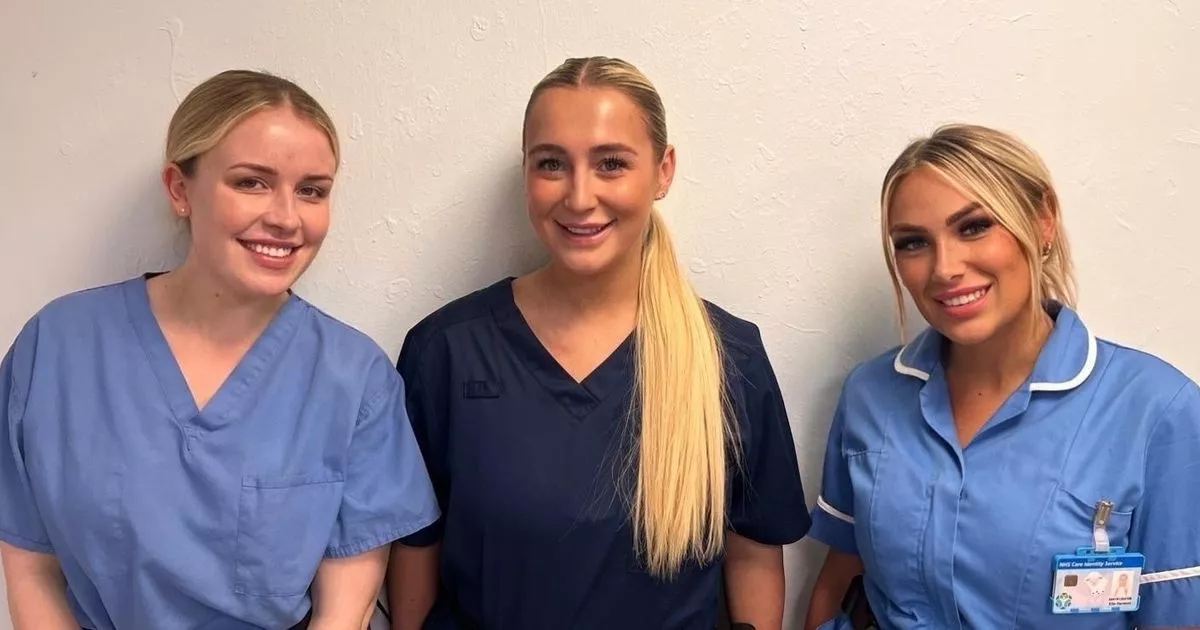
Emily Grant, Olivia Greer and Elle Hanson are young people’s mental health nurses at The Hope Unit, Fairfield General Hospital in Bury, who will be spending Christmas and New Year caring for teenagers with some of the most severe mental health needs.
The trio work on the Hope Unit, an inpatient CAMHS service supporting 13 to 18-year-olds experiencing serious mental health challenges. While many families will be celebrating together at home, Emily, Olivia and Elle will be on the ward, providing stability, kindness and consistency during a time of year that can be especially difficult for young people on the unit.
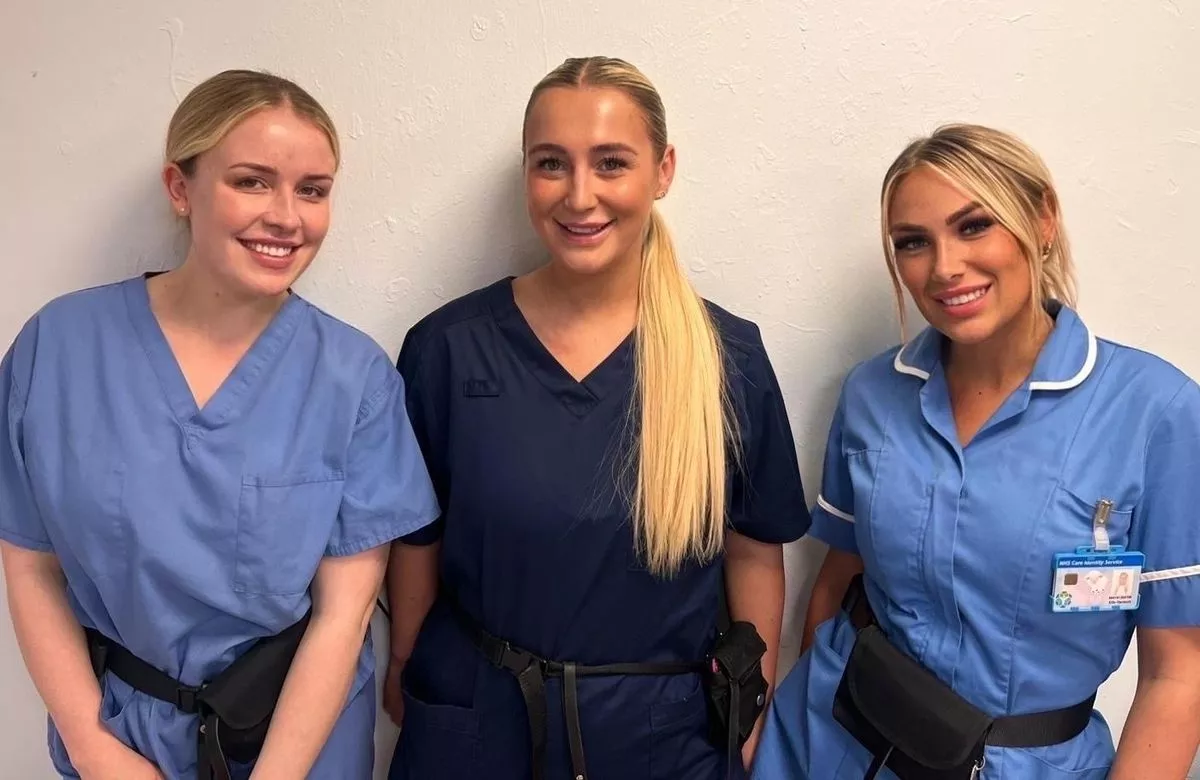 Emily Grant, Olivia Greer, Elle Hanson are young people’s mental health nurses who will be working on Christmas Day(Image: NHS Greater Manchester)
Emily Grant, 25, a registered mental health nurse, explained the realities of working Christmas Day on the unit. “Most patients on the unit are detained under the Mental Health Act. They’re there under a section and therefore they’re quite restricted and what they can do, particularly over the Christmas period.”
Emily said the team plans festive activities for those who remain on the ward on Christmas Day. “The unit provides gifts for them, we’ll do activities for them…and do a roast dinner with all the staff and the young people. We’ll do baking, arts and crafts – things to try and make it as normal as possible,” she added.
Families are also supported, with visits welcomed wherever possible. “We try and provide as much comfort to them as possible,” Emily said.
The 999 call handler
Before Mark can be deployed, colleagues like Carlton Caigar will raise the alarm. Carlton has been a GMP call handler for three years.
He anticipates his mammoth ten-hour shift to be relatively quiet, but experience tells him that he will mainly be dealing with very serious calls, nonetheless. “You get to know how severe a call is going to be in the first 30 seconds of that call,” he explained.
“You’ve got to be able to listen to several different sounds, are there any children? Any screaming and shouting? Can you hear things being thrown?
“Alcohol is a huge factor in what calls we get on Christmas Day. Domestic violence and abuse are something that we’re very, very serious about.
“It’s about how you handle it; you’ve got to be empathetic no matter what day it is. From a bank holiday to Christmas, to your average day. You’ve always got to show empathy to what that person is reporting.”
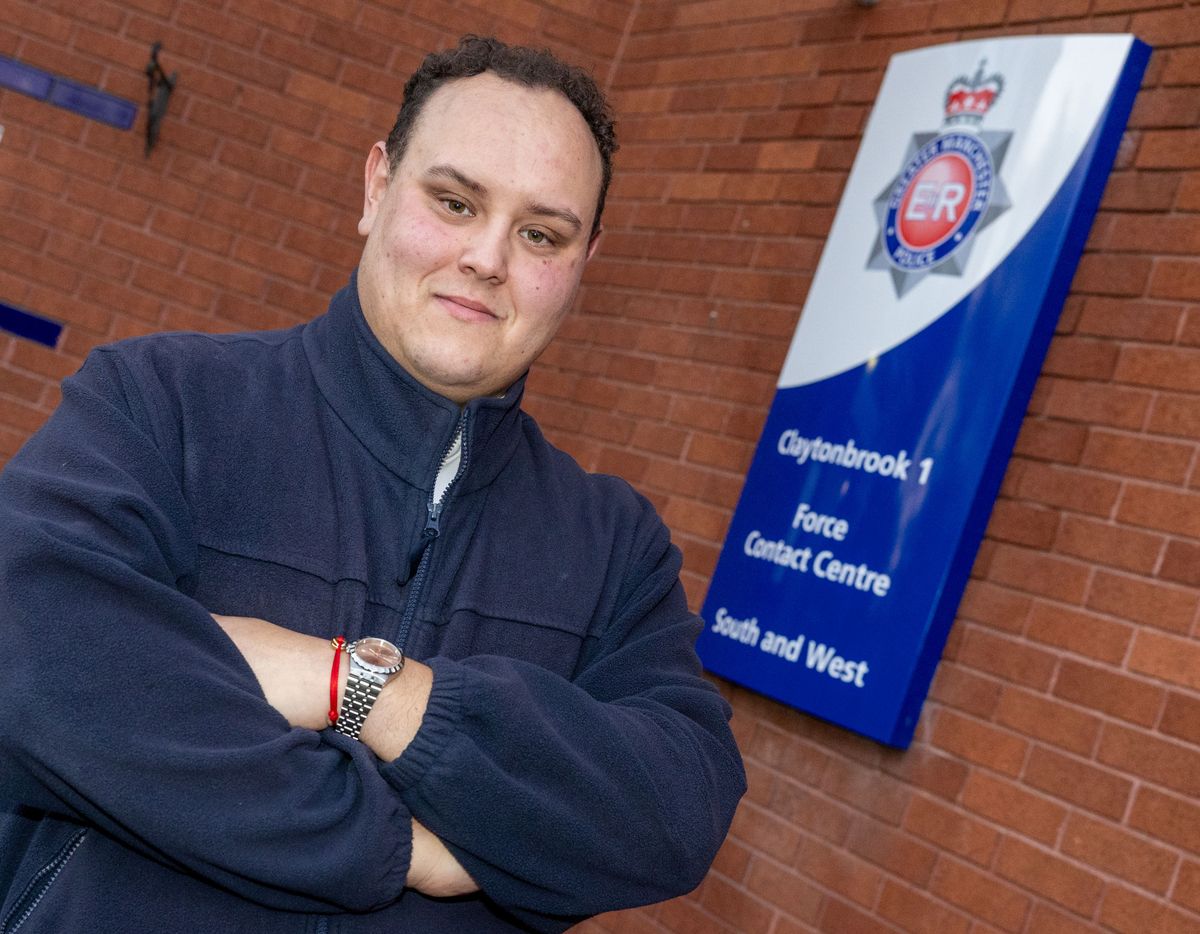 Carlton Caigar sent out a message to the public this Christmas(Image: GMP)
However, when speaking to the M.E.N., Carlton made an impassioned plea for the public to make sure they are wisely reporting crime.
He added: “We have a lot of repeat callers taking up our time. If it’s not an emergency, 101 or live chat are the options to use. Once they call, we have to spend our time to make sure there’s no crime and that has to be escalated.
“It affects us and our supervisors and takes our time away from looking at severe cases. It doesn’t just end with us; it impacts everybody else.”
The police chief inspector
Chief Inspector Rick Flanagan is the Neighbourhood Chief Inspector for the City of Manchester South division and has spent more than two decades serving Greater Manchester Police.
Out of the 22 Christmas Days since he joined the force in 2003, Rick has worked most of them. This year, he will be the on-duty senior leader for City of Manchester South, responsible for overseeing officers and managing incidents across the area.
Rick begins his Christmas Day shift at 6am, arriving early so the night shift can head home to spend time with their families. He is briefed on all critical incidents in the area, ensuring there are enough resources in place to keep the public safe.
“I have worked Christmas Day more times than I can remember over the years,” he tells the M.E.N.
“I’ll make sure to give my father a call, as he lives in the Middle East, and if everyone is well-behaved in south Manchester, I’ll be home by the evening to have Christmas dinner with my brother and his family.”
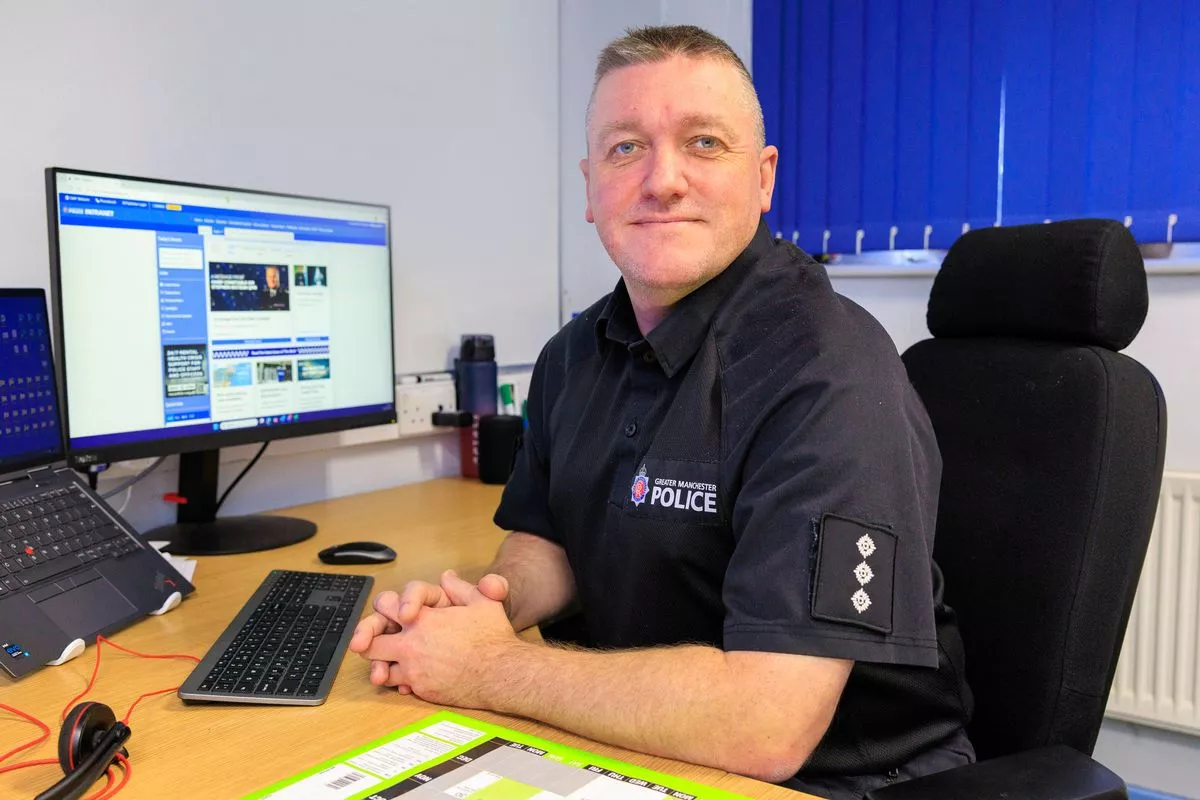 Chief Inspector Rick Flanagan(Image: Greater Manchester Police)
Rick says working on Christmas Day comes at a personal cost, but it is also a privilege.
“Public safety doesn’t take a holiday,” he says. “Being on duty at Christmas means making sure everyone in our community feels safe and supported during a time that should be joyful.
“While many people are celebrating with family, we’re here to respond when things go wrong and to prevent harm where we can.”
The response officers
Sergeant Amber McLeod and PC Olivia Brotherton are response officers based in the City of Manchester North division, working together to keep communities safe during one of the busiest and most challenging times of the year.
Both have been with Greater Manchester Police for just over three years and will spend Christmas Day and night doing what they do every day – responding to incidents as they happen, protecting vulnerable people and supporting those in crisis.
As a response sergeant, Amber oversees officers on shift and manages a constant flow of incoming incidents, known as logs, ensuring each one is assessed and dealt with without delay. This Christmas Day, she and her team are working the afternoon shift from 3pm until 11pm, before handing over to the night officers.
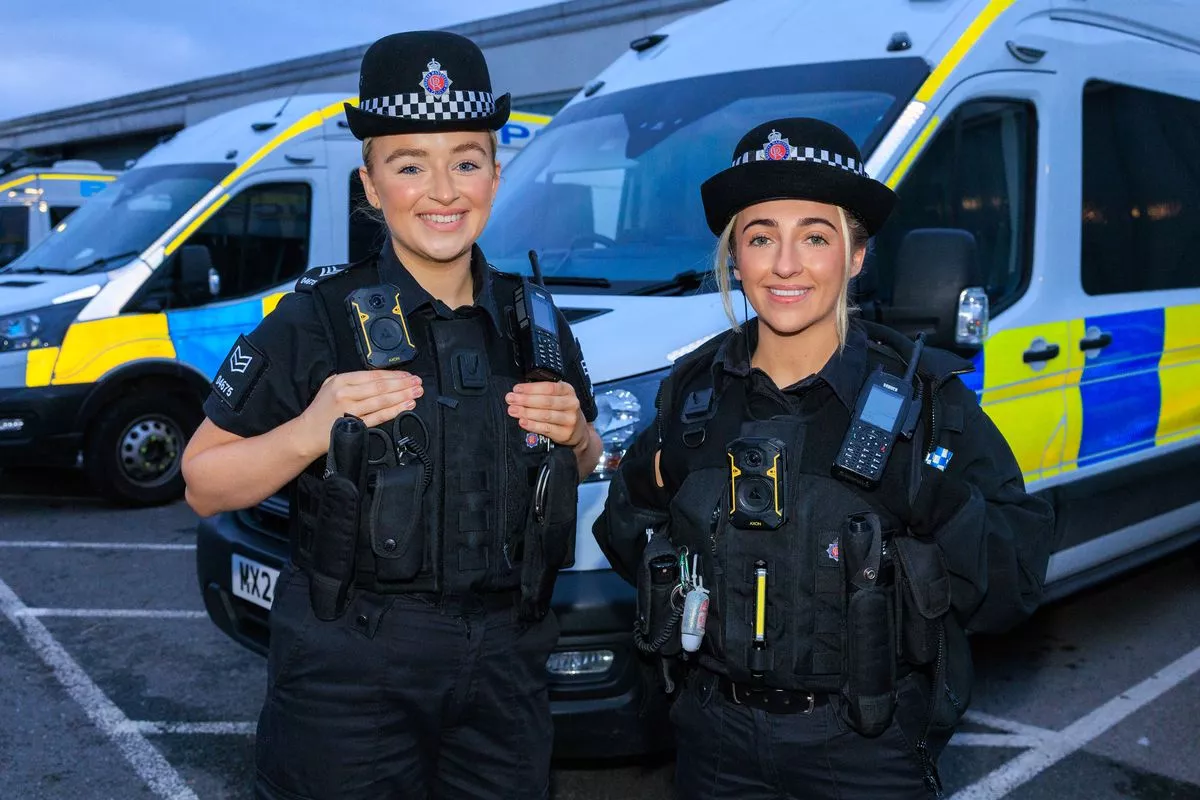 Sergeant Amber McLeod and PC Olivia Brotherton(Image: Greater Manchester Police)
She will still get to celebrate Christmas morning before heading into work, opening presents before putting on her uniform.
“We have a lot of people who go missing from home over Christmas, this is a top priority for the team, to find them, protect them and safeguard them,” she says. “Domestic incidents also increase around Christmas Day and Boxing Day – we have to be proactive and do everything we can to protect vulnerable people at what can be a really difficult time.”
PC Olivia Brotherton will take over later that evening, starting her shift at 10pm on Christmas Day and working through until 6am on Boxing Day. Before joining GMP, Olivia worked at Tesco, but says seeing people steal without consequence pushed her towards a career where she could make a difference.
“I’m glad I joined,” she says. “I don’t see myself doing anything else now.”
Overnight policing can involve anything from domestic incidents and suspicious circumstances to stabbings, family disputes or road traffic collisions. Olivia will be on the “early van” with her colleague, starting an hour before the rest of the night shift to help with handovers and prisoner transport.
Despite the antisocial hours, both officers say the work is worth it.
“I love my job, especially the freedom it offers. Within GMP, if you have a passion or interest, there’s endless opportunity to develop it. I want our communities to have a safe and happy Christmas – and will hopefully make that happen,” she says.