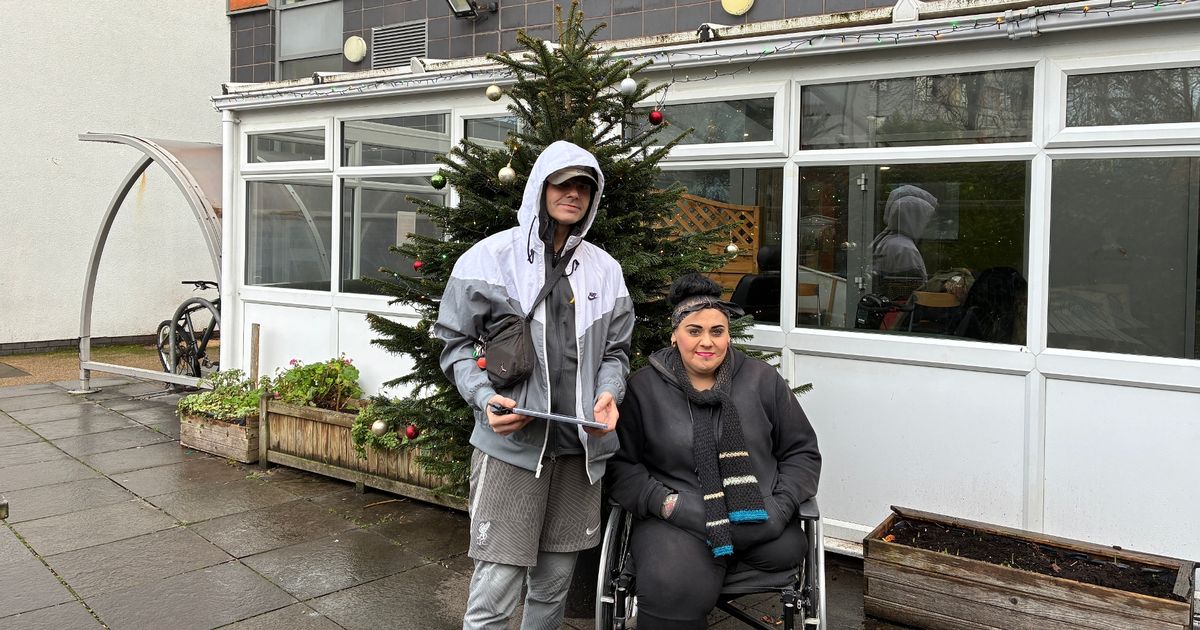
We visited one homeless shelter on Merseyside to find out how residents and staff will be spending Christmas Jamie Willingham, 50, and Nicky Povall, 41, at the YMCA Wirral, Birkenhead(Image: Liverpool Echo)
“I’m scared of being on my own at Christmas” says Jamie Willingham, 50. This will be his first since he became homeless. A Christmas tree glows with soft multi-coloured lights through the conservatory window.
Jamie has his grey hoodie pulled tight around him, his knees to his chest, his cap pulled firmly down over eyes fixed on an iPad. He seems younger than his years, and he’s full of hopes for the future. Last night, he starred in a production of A Christmas Carol put on by residents of YMCA Wirral, and he tells me he’s planning to go to uni next year for music production; to Liverpool, Leeds or London.
Jamie is one of 56 people who will spend Christmas Day at the YMCA off Borough Road in Birkenhead. The shelter was described by the charity’s CEO as having “all of our social problems in one place”, and its residents as “modern-day lepers — those no-one wants to touch.”
Christmas Day here will consist of a Christmas lunch followed by a buffet and games night in the evening. On Christmas Eve, hot chocolate was served during a film night, and in December there have been Christmas quizzes, cookie decorating sessions, bowling excursions, card and gift making workshops, a karaoke night and a trip to the Christmas market.
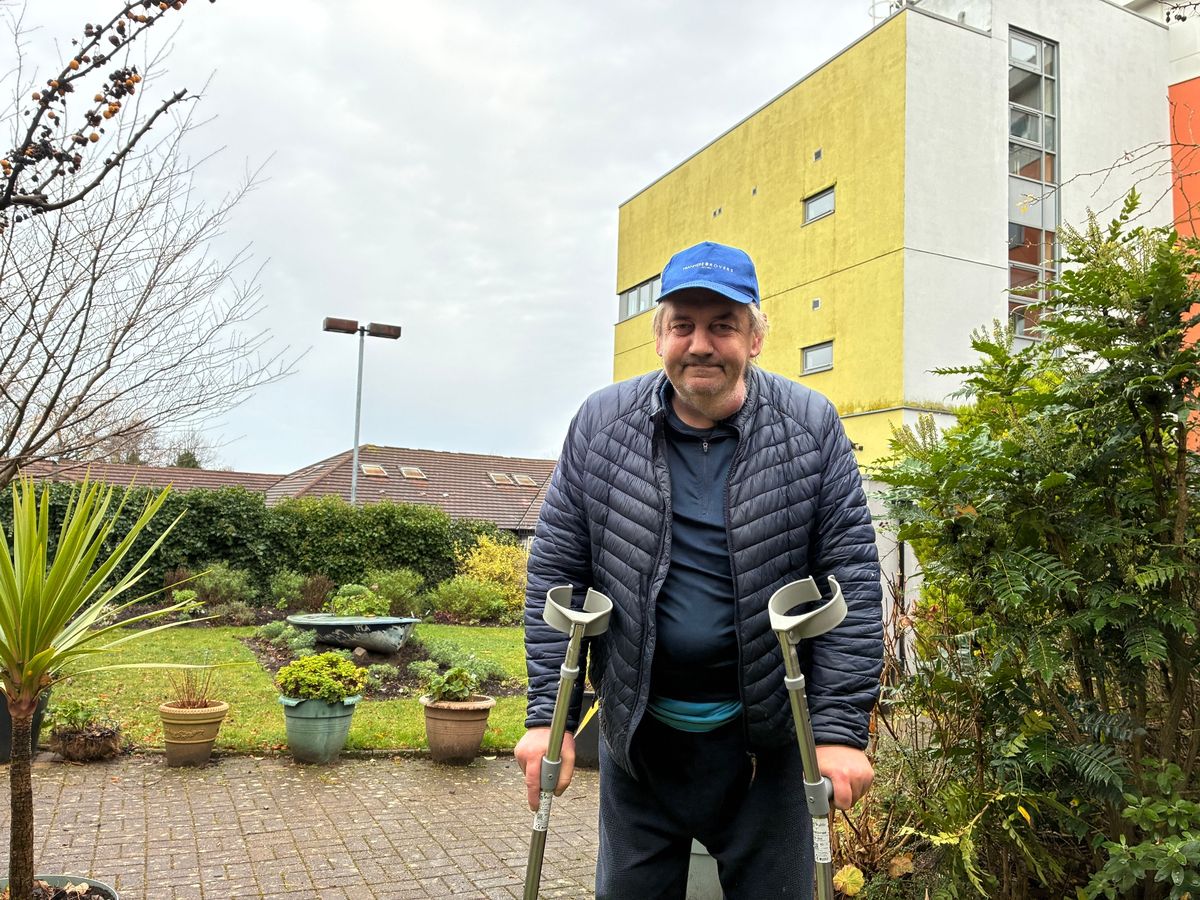 Matthew McDaid, 54, is spending his third Christmas at YMCA Wirral(Image: Liverpool Echo)
One resident, who asked not to be named, said: “It’s going to be nice having company around me for the first time in four years. They’re going to make us feel human again.”
Matthew McDaid, 54, is spending his third Christmas at the shelter. He said: “It’s okay. People whinge, but you’ve got a roof over your head and a lovely big Christmas dinner. You get a selection box and a goody bag.”
Nicky Povall, 41, who has lived at YMCA Birkenhead longer than any other resident, said: “The way they treat us is very nice. They make you feel special.”
Nicky lost her home and was on the street for six months before arriving at the YMCA. She has since lost a leg.
“Christmas at the YMCA is bittersweet,” said Annie Johnson, 27, substance misuse and criminal justice practitioner for YMCA Wirral. She said: “A lot of clients don’t have their family members, or it reminds them that they’re not living with their families.
 The winning Christmas card of the YMCA Wirral’s competition, designed by a resident(Image: Liverpool Echo)
“Drug and alcohol use can increase a lot in December and on into the New Year because of the reminder that they’re here for Christmas. They do love it here, but it’s not the same as being with family. The sweet side is that the staff get really involved with the clients, they look at different ways to keep them engaged, and they’re supported during the period.”
Annie described crack cocaine and Pregabalin — which she described as “Valium on steroids” — as the biggest issues currently facing the charity. The shelter sees waves of different drugs and dependencies, from alcohol to opiates to ketamine. Illicit tablets have been involved in deaths of alcohol-dependent former clients who had recently left the shelter.
Annie says dealers in the North West are selling Pregabalin for less than £1 per tablet. One client bought 150 Pregabalin for £20. She said: “In 2023 there were 8 million prescriptions dispensed for Pregabalin in the UK, but most people are buying them on the street or through black-market pharmacies.”
Opiates are still prevalent. Naloxone, a drug which reverses the effects of an opioid overdose, has been deployed six times in six months at the shelter.
Several residents have spent multiple Christmases at the YMCA. Support manager Katie Sherry, 34, said: “We have clients who, because of their mobility issues and specific needs, we’re struggling to move them forward. They may need adapted properties, and there are just none out there.
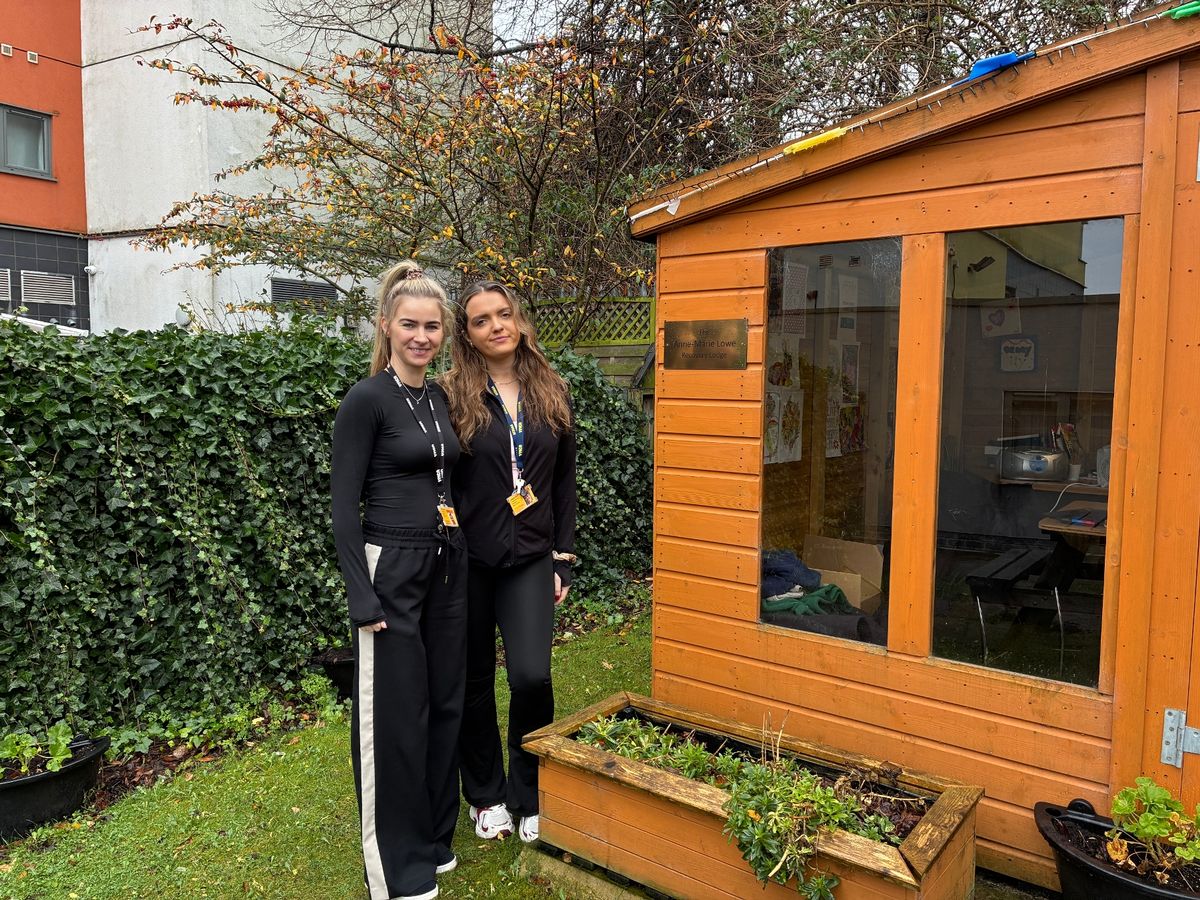 From left, Katie Sherry, 34, and Annie Johnson, 27, both work at YMCA Wirral(Image: Liverpool Echo)
“To get a property as a single male is very difficult, because they’re not a priority,” said CEO Nanette Mellor. “Unless there’s somewhere like the YMCA who can find it for you, if you’re in the general population and you’re relying on housing benefit, there isn’t anything, because private landlords will charge more than housing benefit will pay.”
Properties are listed on an online portal twice a week. Staff at the YMCA say residents are sometimes waiting in queues of 300, and sometimes no new properties are listed from week to week.
Nanette continued: “Single occupancy and small properties just aren’t there. So, you need these big hostels, which are institutional in their nature, and sometimes it is more harmful for people to be in here, but there is nowhere else for them to go. You are putting all of our social problems in one big place, instead of finding a stable, family-based set up.
“All the addictions and mental health issues wash up here, and it’s a very difficult place for anyone to live, despite how hard we try. I don’t think anyone would be there unless they absolutely had to.
“The service users are modern-day lepers. They’re the ones that nobody else wants to touch. We look after the people that nobody else will take in, because of their mental health issues, because of their substance abuse, and because of the stigma and blame attached.
“People will say that it’s these peoples’ own fault, and that ‘they don’t deserve help; let them rot’ — you see those comments on social media. I think that it’s unfair to them when they are born into a place where drugs are rife, and if they are in the wrong place at the wrong time it’s extremely difficult for them not to fall down, and they are blamed for that.
Nanette says that many residents face a “geographical disadvantage” after being born into a place where substance abuse is “rife”. She said: “Growing up in this area is intimidating. I’ve lived in lots of places around the country, and they’re not like this. There is a marked difference. It’s because of the port, and it’s because of transport links. It’s not Birkenhead’s fault; we just don’t have a cure for it yet.”
Nanette said many of the residents started using drugs when they were children. Some were as young as 11. Many are neuro-diverse. She said: “They are individuals who have had a difficult start, or who work differently and haven’t been protected properly. Most of them are children when they start, as young as eleven.”