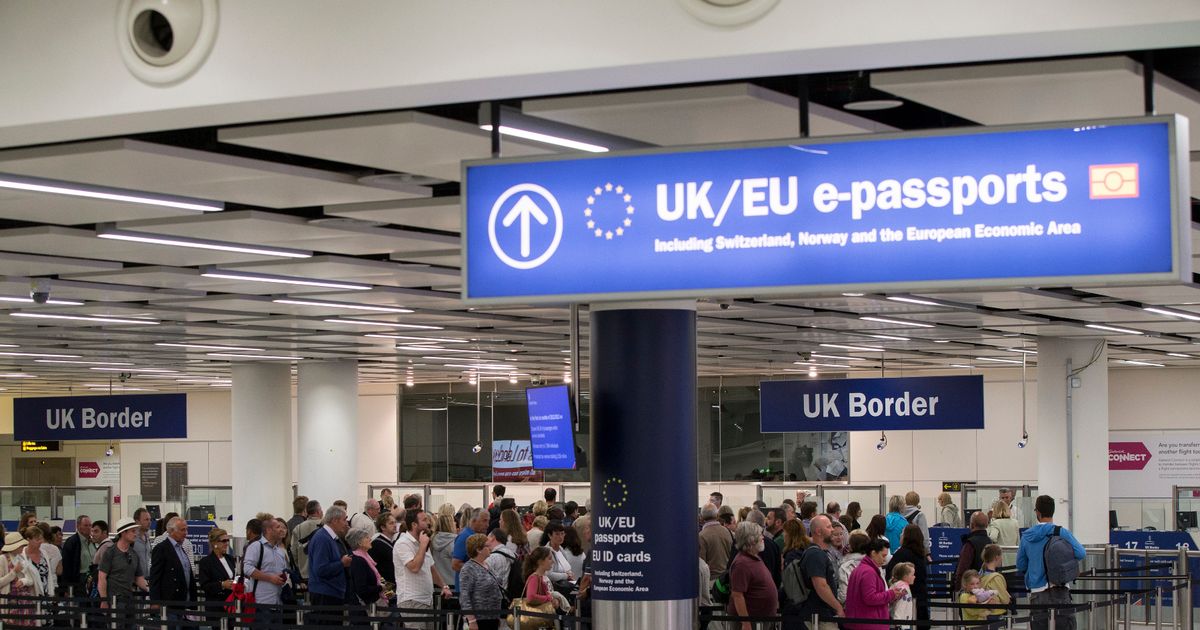
People who travel to EU countries including Spain, Greece, Portugal, France and Italy will need ETIAS travel authorisation when the system starts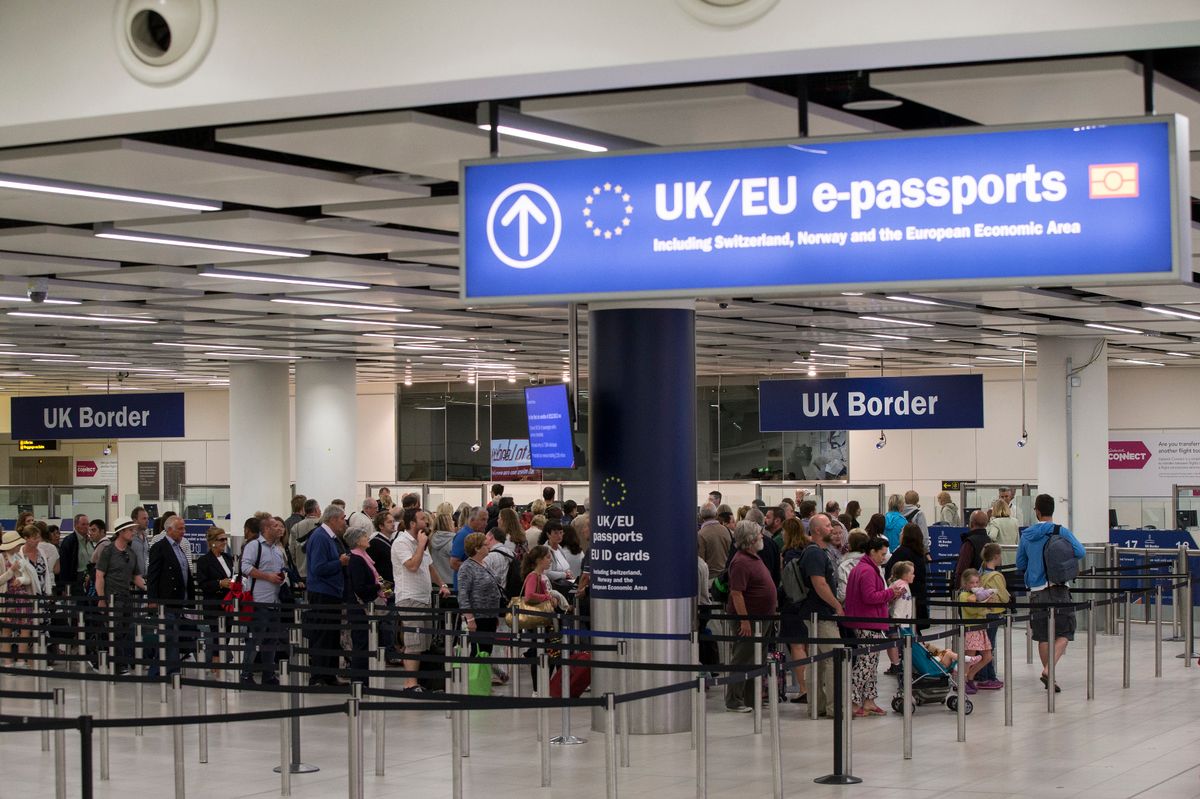 UK nationals will need an ETIAS permit to enter Europe(Image: Getty Images)
If you are planning to travel to Europe, there are some upcoming rules you need to know about. These will be starting in 2026.
And this will affect anyone who travels to popular holiday spots in the EU including Spain, Greece, Portugal, France and Italy. The new entry system to be aware of is called the European Travel Information and Authorisation System (ETIAS).
UK nationals will need to get an ETIAS travel authorisation before going to Europe. It will be required for entry into 30 European countries. This comes as ChronicleLive explained separate EU border rules that started in October and are being rolled out across European countries.
Here, we have listed 10 things you need to know about the ETIAS. Please note, this is different to the new Entry/Exit System (EES), which is already being implemented. More information about this is given below.
1. An ETIAS is not a visa
Just to make it clear, an ETIAS is not a visa. It is a travel authorisation – an entry requirement – for visa-exempt nationals, including UK nationals, travelling to one of 30 European countries for a short-term stay. It is more of a visa waiver, similar to the US ESTA system.
2. You’ll need to get an ETIAS to enter any one of these 30 countries
These 30 European countries will require visa-exempt travellers to have an ETIAS travel authorisation:
- Austria
- Belgium
- Bulgaria
- Croatia
- Cyprus
- Czechia
- Denmark
- Estonia
- Finland
- France
- Germany
- Greece
- Hungary
- Iceland
- Italy
- Latvia
- Liechtenstein
- Lithuania
- Luxembourg
- Malta
- Netherlands
- Norway
- Poland
- Portugal
- Romania
- Slovakia
- Slovenia
- Spain
- Sweden
- Switzerland
3. You won’t need to get a new ETIAS every time you travel
Your ETIAS travel authorisation is valid for three years or until your passport expires, whichever comes first. You can leave and return as many times as you wish, as long as you respect the overall limit of your authorised stay. With a valid ETIAS, you can stay for up to 90 days within any 180-day period.
4. It will start in 2026
ETIAS hasn’t started yet. But it will start operating in the last quarter of 2026, according to the official European Union website.
No action is required from travellers at this point. The European Union will share the specific date for the start of ETIAS several months prior to its launch.
5. The cost
It will cost 20 Euros. However, applicants who are under 18 or above 70 years of age are exempt from this payment. Also exempt are family members of EU citizens or of non-EU nationals who have the right to move freely throughout the European Union.
6. You can apply online
The process should be simple enough. You will be able to apply online. You can fill in the application form using either the official ETIAS website or the ETIAS mobile app.
7. How long it will take
Most applications should be processed within minutes. It is possible, however, that your application may take longer. If so, you will receive a decision within four days.
The website says: “Please note that this period could be extended by up to 14 days if you are requested to provide additional information or documentation, or up to 30 days if you are invited to an interview. This is why you should apply for an ETIAS travel authorisation well in advance of your planned journey.”
8. Your passport should have at least three months on it
To apply, you will need a valid passport. It should not expire in less than three months and it should not be older than 10 years. A passport which does not comply with international standards may be rejected during the application process.
9. You can’t include your family members in your application
An ETIAS is issued only to one person and is linked to your passport. Other persons, including family members, are required to have their own ETIAS travel authorisations.
10. ETIAS is separate from the Entry/Exit System (EES)
These are two different things and may be causing confusion. The ETIAS is a visa-waiver as explained above. However, the Entry/Exit System (EES), which has already started, is a new digital border control system for people entering the Schengen Area countries in Europe for short stays. It replaces manual passport stamping with electronic registration and means you need to be prepared to have your passports scanned and biometric data (a photo of your face and/or scan your fingerprints) taken at border control the first time you enter.
The EES started in October 2025. However, European countries using the EES are introducing the system gradually. Full implementation is expected by April 2026. Here are more details.