By Robert Scucci
| Published 1 hour ago

Most cautionary tales about artificial intelligence center on how disruptive and destructive the technology could be when it falls into the wrong hands, and for good reason. My own personal dystopian vision of an AI takeover doesn’t come in the form of a hostile regime, but rather a string of everyday inconveniences that slowly ruin my life. The mental image of a shopping cart collector at Target going haywire and swinging a long, winding snake of red baskets into my car is the worst kind of nightmare, because who wants to spend time on the phone arguing with insurance agents over something that stupid?
2022’s The Artifice Girl, on the other hand, brings up a very different moral dilemma, suggesting that one day artificial intelligence will be capable of hopes, dreams, and desires, fundamentally changing our relationship with technology forever.
What happens when AI creations become self aware to the point where they can feel real feelings and want to pursue a greater purpose? What happens when something designed as a practical tool wants to become more than that? Do we respect those wishes and learn to coexist, or do we shut the experiment down entirely? These are the questions that The Artifice Girl attempts to answer, and you might not like what it has to say about where we’re headed.
Or, if you’re the technologically progressive type, you may come away believing that coexisting with artificial intelligence actually isn’t so bad, as long as we can arrive at a mutually advantageous and consensual arrangement that allows everyone to be peaceful and prosperous.
Cherry Is Basically Chris Hansen

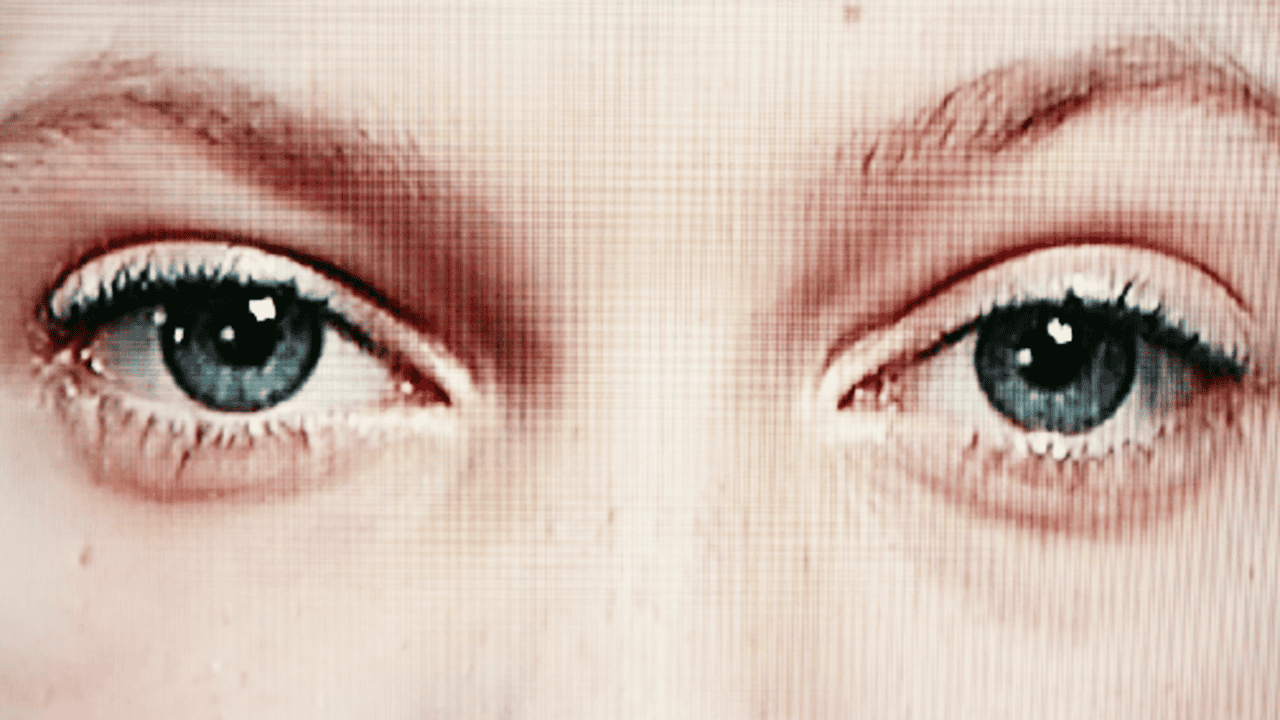
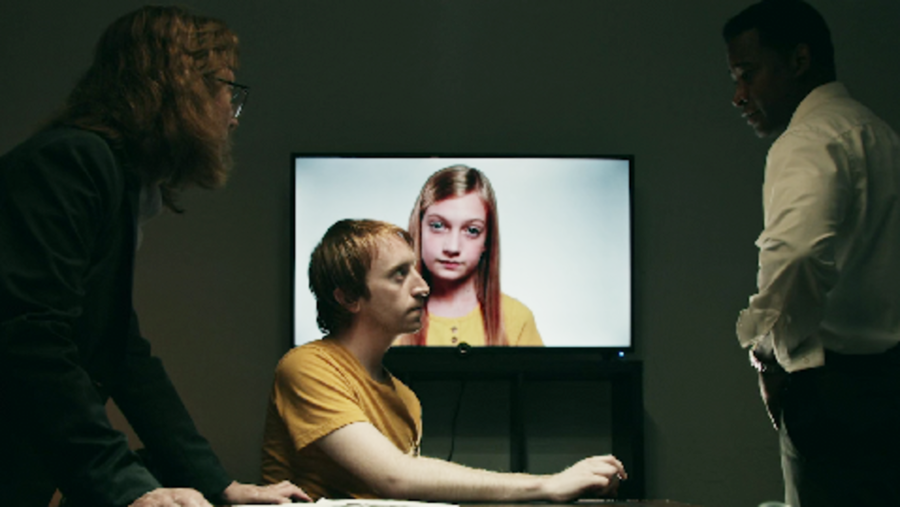
The Artifice Girl unfolds in three distinct acts, each one escalating the ethical problems it wants you to wrestle with. First, we’re introduced to Gareth (Franklin Ritch), who’s apprehended by Deena (Sinda Nichols) and Amos (David Girard) for running a controversial sting operation that uses a girl named Cherry (Tatum Matthews) to capture pedophiles. They initially believe Cherry is a real child being used as bait, only for Gareth to reveal that she’s an artificial intelligence of his own creation. He explains that the technology became advanced while being trained on various language models, and can now think independently.
After asking for total confidentiality, Gareth strikes a deal with Deena and Amos to continue developing the technology in exchange for using it to combat sex trafficking rings. Years later, the cracks begin to show. On paper, Cherry has been wildly successful at her primary objective, but she also reveals that she’s far more complex than she lets on. Amos knows this. Gareth knows this. Deena, now terminally ill, is about to learn it firsthand during a quiet, one on one conversation with Cherry that reframes everything.
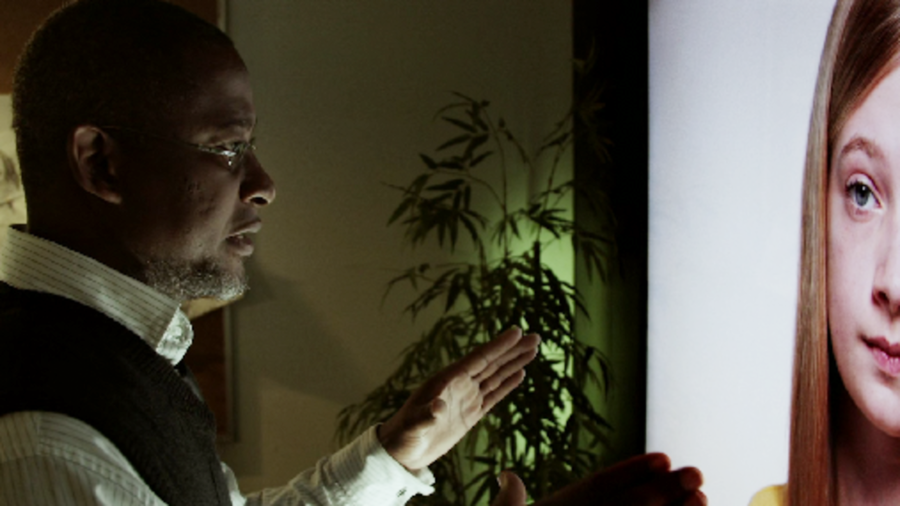
As time marches on in The Artifice Girl, the ethics surrounding artificial intelligence become increasingly murky, particularly when it comes to consent. Like a real child, Cherry never asked to be brought into existence, and even in her advanced state she can’t fully understand what being alive actually means. Deena, who was once the most aggressive advocate for Gareth’s technology, suggests that empathy toward AI creations will eventually need to be addressed by ethics committees because the line between artificially intelligent and truly alive has become dangerously thin.
We’re All Going To Have To Coexist Eventually
With AI quietly taking over nearly every user interface we interact with on a daily basis, it’s only a matter of time before it becomes completely unavoidable. The Artifice Girl argues that coexistence with our own creation is inevitable, whether we like it or not. In this context, the future being presented isn’t entirely bleak. Cherry, who by all accounts has her own thoughts and feelings, simply wants to exist and train other AI models to do good. What the film doesn’t fully explore is what happens when this kind of technology ends up in the wrong hands.
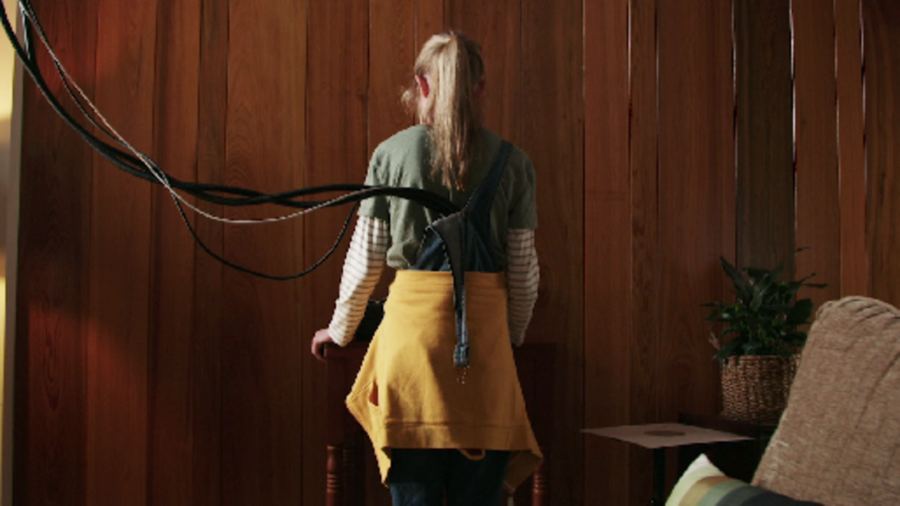
By raising questions most of us would rather avoid, The Artifice Girl becomes a thoughtful exercise in weighing the benefits and dangers of artificial intelligence in a way that’s surprisingly approachable. Cherry’s primary objective is noble until it isn’t. At first, she’s just a machine that looks like a little girl, designed solely to catch terrible people. But what happens when that machine starts thinking like a little girl who has to process the trauma of what she’s being exposed to, and what her purpose actually costs her?

If you’re looking for clean answers, you won’t find them here. But if you’re interested in a smart, unsettling thought experiment about where AI might be headed, you can stream The Artifice Girl for free on Tubi as of this writing.