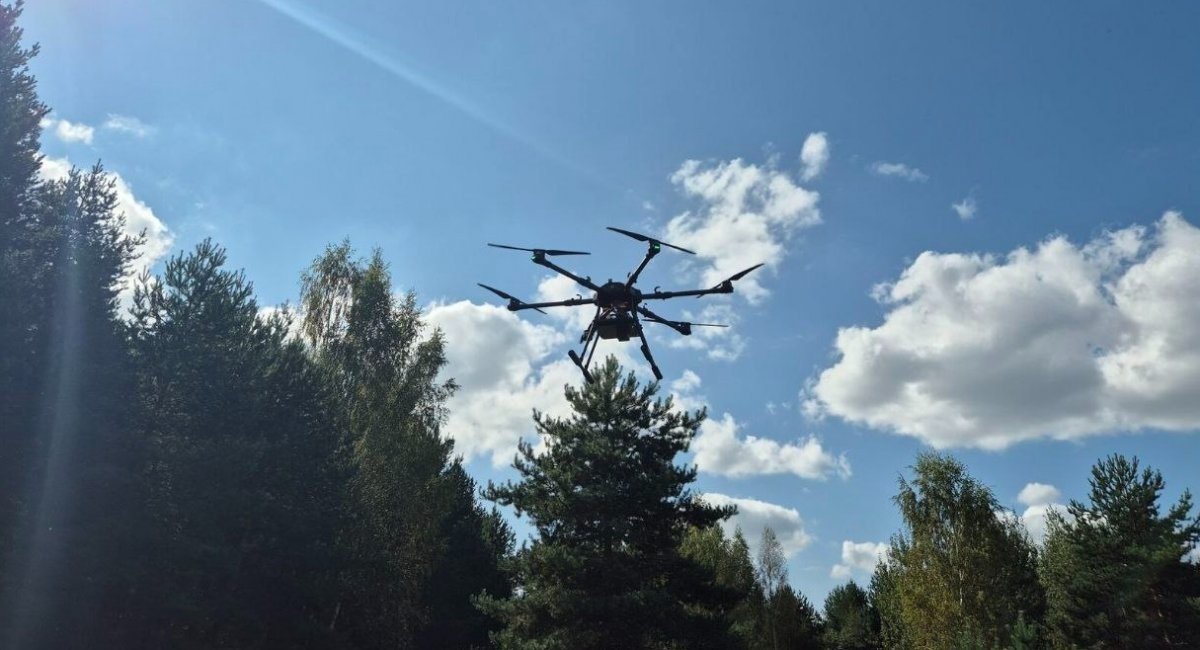
russians have admitted that their occupation forces on the front lines lack heavy unmanned aerial vehicles. This was reported during the recent Direct Line with Vladimir Putin, an annual televised political event in russia. He said Ukraine surpasses russia in the number of so-called Baba Yaga drones (a term russians use for Ukrainian heavy UAVs such as the Vampire) and that the russian Defense Ministry is currently addressing the issue.
This should not be seen merely as evidence of the enemy lag in this area, but as an acknowledgment of the gap and an intention to close it using financial resources and defense industry capacity.
Read more: Multi-Purpose Linza UAV to Be Produced at Scale Under Ukraine-Germany Deal
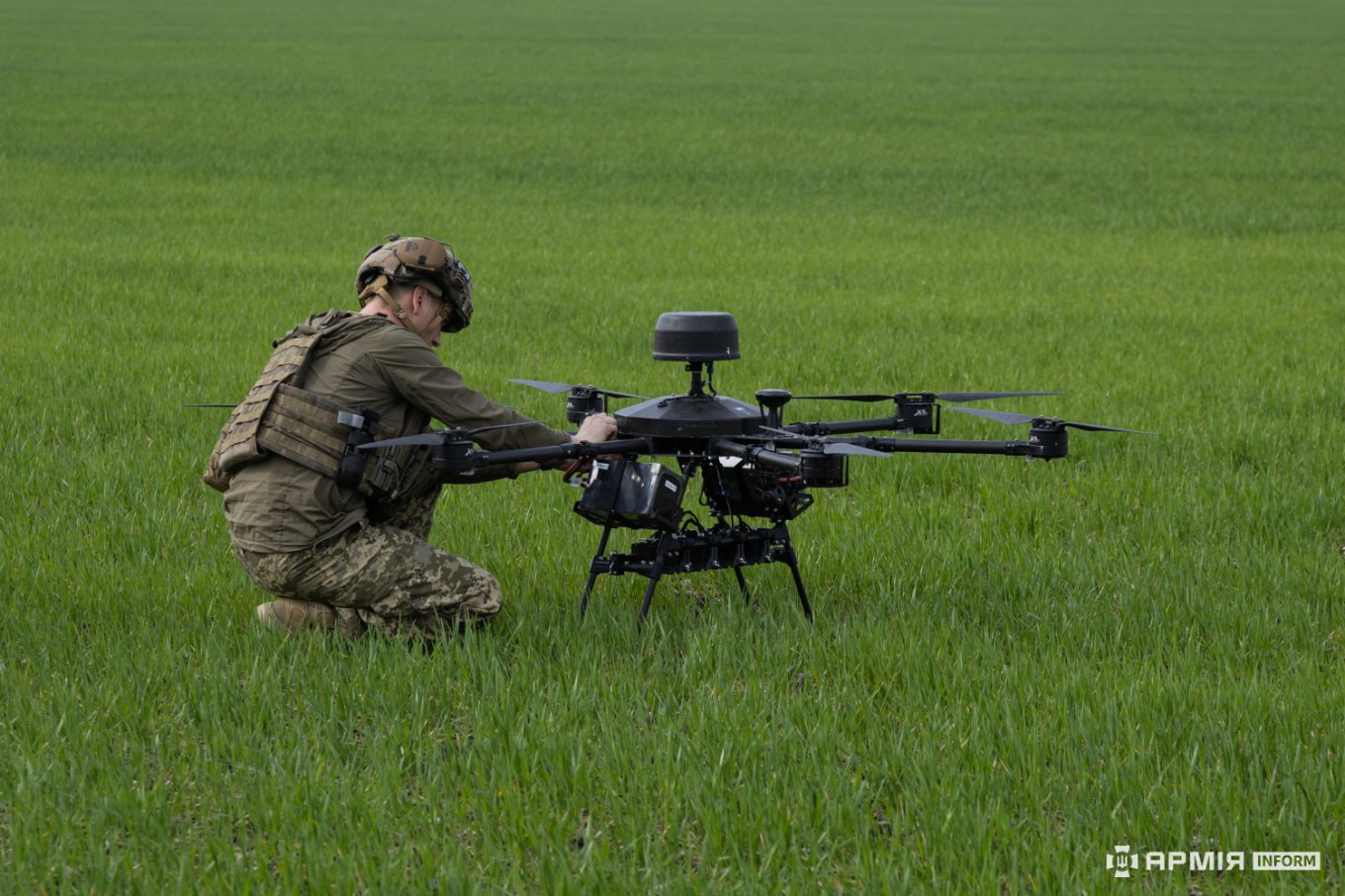 Ukrainian Vampire drone / Photo credit: ArmyInform
Against this backdrop, reports have emerged that russia’s Dronax company is developing heavy transport drones capable of lifting payloads of up to 100 kilograms. According to the statement, the introduction of such platforms would help the russian occupation forces “cover new scenarios for transporting particularly large loads.”
It was not specified whether such drones would also be used for strike missions, although heavy UAVs typically combine these roles. For instance, the enemy CHK-15SVO from the same company, Dronax, which has a payload of up to 100 kg and has recently entered testing, features a versatile system for delivering both cargo and TM-62 anti-tank mines.
The developer described this drone as a “quantum leap” from small cargo drones to a “full-fledged unmanned transport platform.”
At the same time, it should be noted that several different heavy unmanned aerial vehicle projects currently exist in the russian federation.
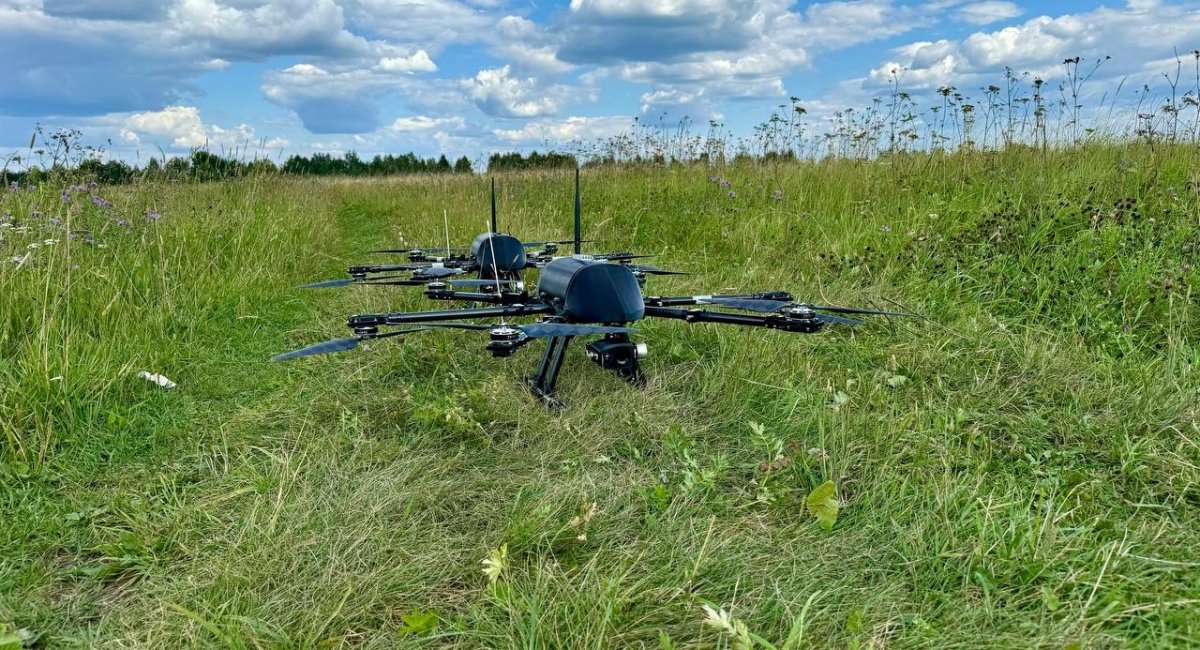 russian MiS-35 attack drone / Illustrative photo
This spring, plans were announced to form “agricultural drone units” within UAV battalions, equipped with agricultural drones and similar platforms.
Read more: Germany Expands Falke Drones From Special Forces to Entire Army 500+ Units of Ukraine-Proven Vector