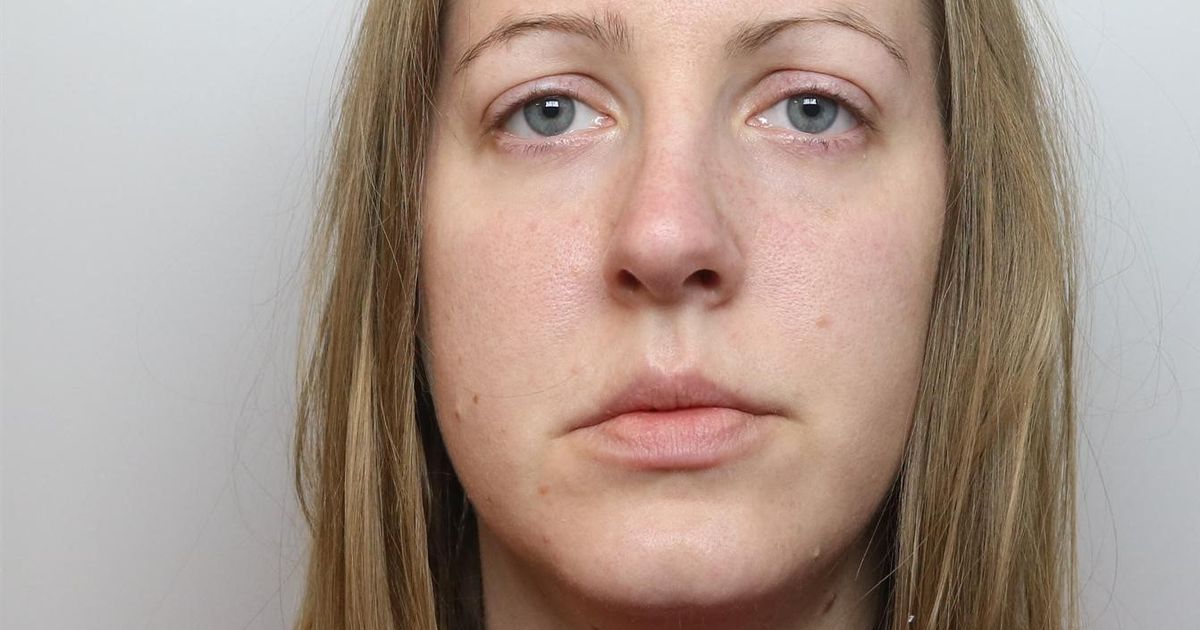
WARNING: DISTRESSING CONTENT. From Victorian poisoners to modern hospital killers, these are Britain’s most notorious female serial killers, the women whose crimes shocked the nation, influenced policy and rocked public trust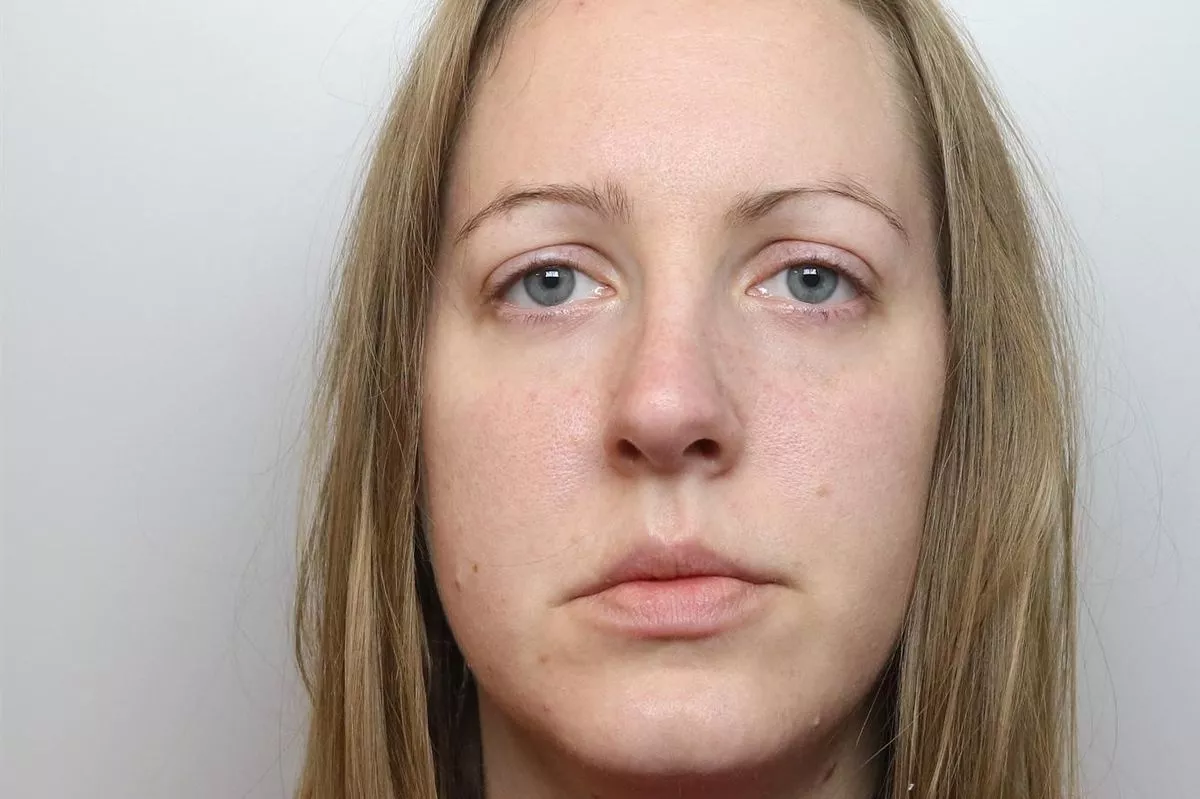 A significant percentage of female serial killers work in caring professions(Image: Cheshire Constabulary/AFP via Ge)
Serial killers are still overwhelmingly male; however, female serial killers have also made their mark throughout British history.
Whilst serial killers are mostly male, there are key differences in the way male and female serial killers operate, which is what often leads to female serial killers evading capture. Research reported by Crime Investigations concludes that male serial killers are nearly six times as likely to kill a stranger, whereas female serial killers are almost twice as likely to kill a person with whom they’re already familiar.
They even report that some 65.4 per cent of male serial killers, to one degree or another, stalked their victims before murdering them, compared to just 3.6 per cent of female serial killers. The motive and means for those who become their prey and eventual victims are very different. However, there are female serial killers throughout British history who have committed some of the country’s most shocking acts.
READ MORE: ‘Cosy’ slippers and ‘beautiful’ pyjamas that ‘help with night sweats’ are 20% offREAD MORE: Audible slashed to 99p a month offering another way to get Stranger Things fix
Speaking to Rest Less, Associate Professor of Psychology, Marissa Harrison, from Penn State University, suggested that the “roles” assigned to each gender play a key role in explaining the way in which they kill. She said: “Historically, men hunted animals as prey and women gathered nearby resources, like grains and plants, for food. As an evolutionary psychologist, I wondered if something left over from these old roles could be affecting how male and female serial killers choose their victims.”
Through research for Harrison’s book, Just as Deadly: The Psychology of Female Serial Killers*, Harrison found that 39 per cent of female mass killers work in healthcare professions and are likely to be well educated. From quiet Victorian poisoners to modern hospital wards and killing sprees, these cases, when brought to light, have stunned the nation and sometimes reshaped how police, courts and the public view female violence. Here, the Mirror looks at some of Britain’s most infamous female serial killers.
Mary Ann Cotton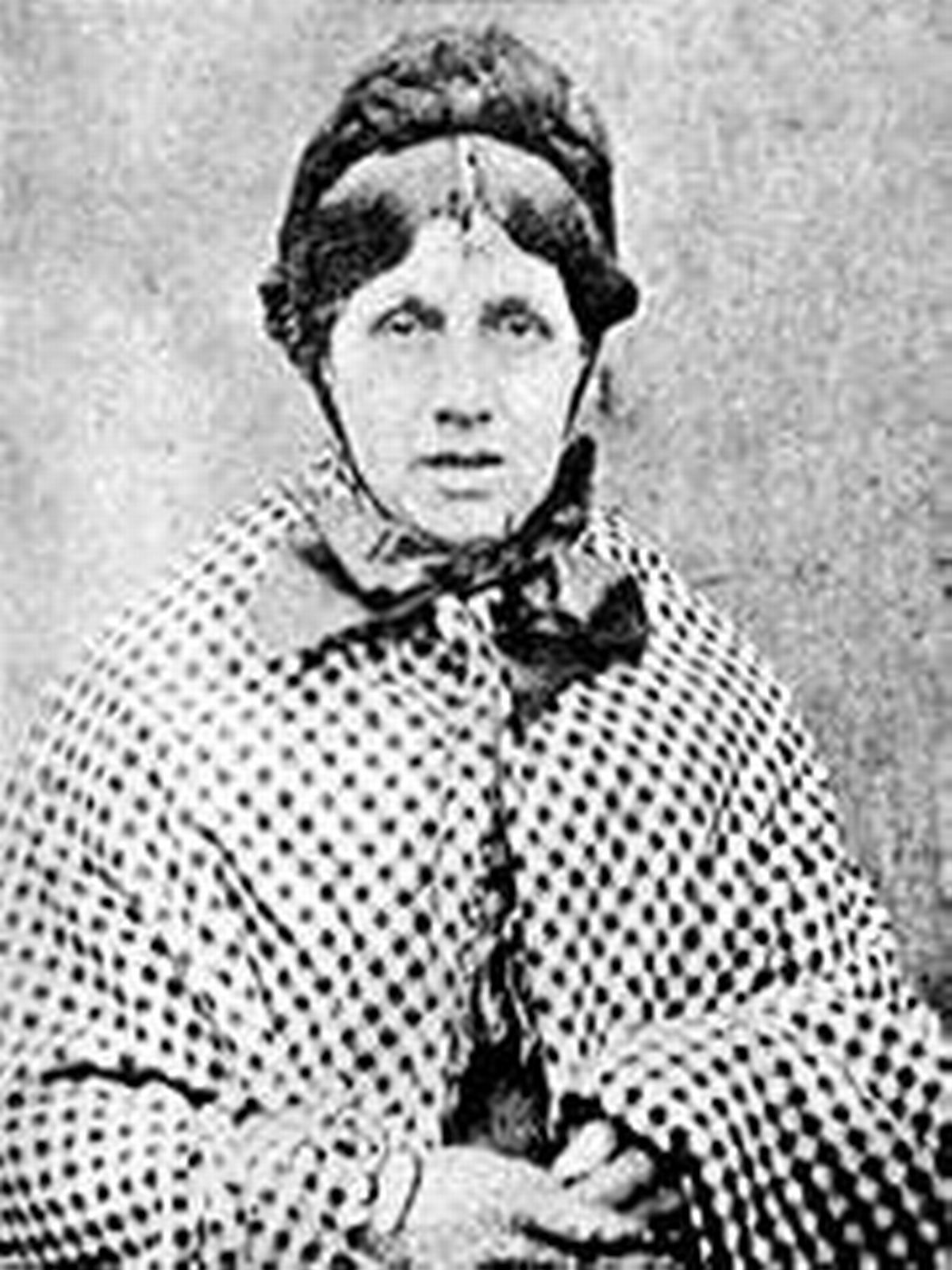 Cotton is known to be the first female serial killer in British history(Image: Newcastle Chronicle)
Whilst being first at something is usually a good thing, this isn’t always the case, and Mary Ann Cotton has gone down in history as the first female serial killer in British history. Born in 1832, in West Auckland, County Durham, Cotton was widely believed to have killed three husbands, 10 children, a lover and her own mother, collecting life insurance for each.
After poisoning her stepson with arsenic, a rushed post-mortem and inquest declared his death was a case of natural causes. However, more tests and a second post-mortem revealed that the lad had been poisoned. Cotton was arrested, put on trial, and sentenced to be hanged in Durham Prison in 1873, and maintained her innocence right up until she was led to the gallows.
Cotton is said to have murdered an estimated 21 people during the mid-19th century; however, she was only sentenced for one murder. Cotton used arsenic poisoning to kill her victims, exploiting the fact that it was widely available and commonly used in household products. Many of her victims died shortly after she took out life insurance policies, raising suspicions only after years of unexplained deaths. Child mortality was tragically common, which also played a part in Cotton evading justice for years.
Myra Hindley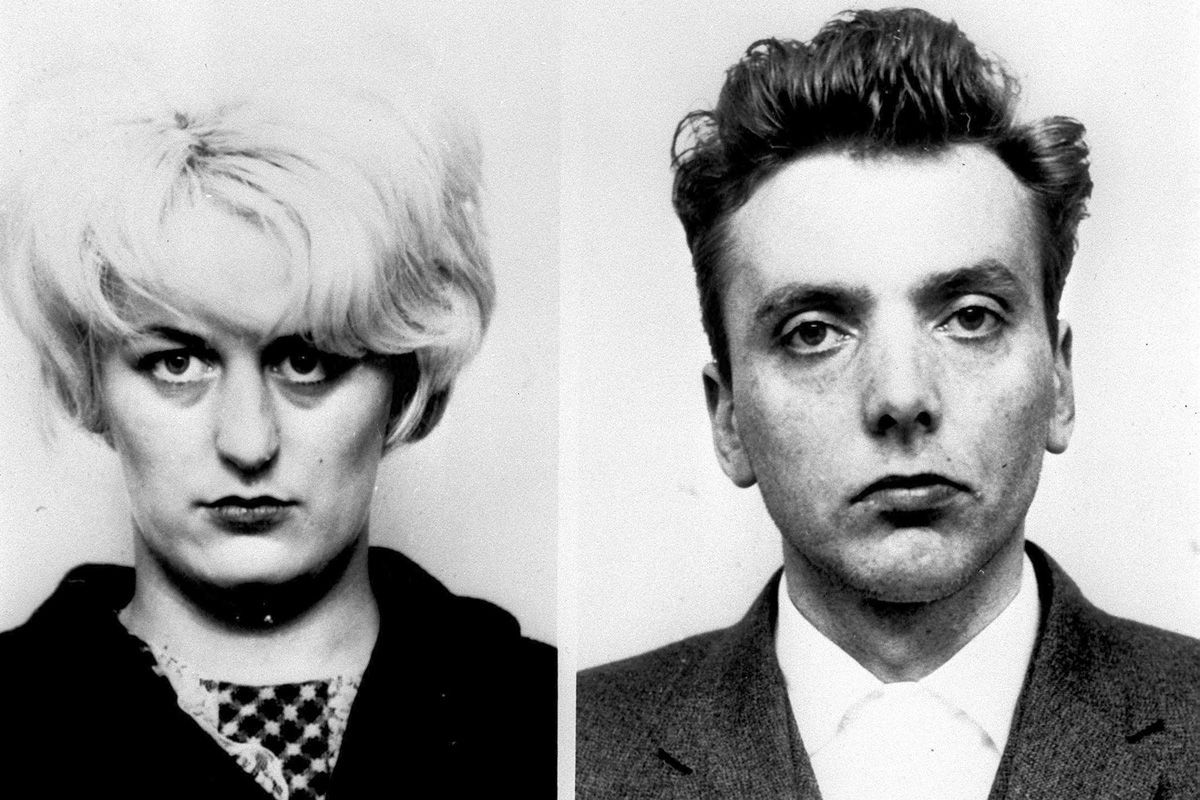 Myra was half of the serial killer pair who carried out the Moors Murders (Image: PA)
Alongside her partner Ian Brady, Hindley was responsible for the Moors Murders, a series of child killings carried out in the 1960s. The pair abducted, sexually assaulted and murdered five children, burying several of their victims on Saddleworth Moor. Myra Hindley was born on July 23, 1942, in Manchester, United Kingdom and grew up with her grandmother. After the drowning death of a close male friend when she was 15, Hindley left school and converted to Roman Catholicism.
Hindley’s mugshot with platinum blonde hair and an unblinking stare became one of the most infamous images in British criminal history. Convicted in 1966, Hindley spent the rest of her life in prison and became the focus of intense debate over parole, which she never got. She died behind bars in 2002. Again, whilst there are differences between the male and female serial killers operate, Myra was an exception even to this rule; her crimes shattered the myth that women were incapable of extreme sadistic violence.
Rose West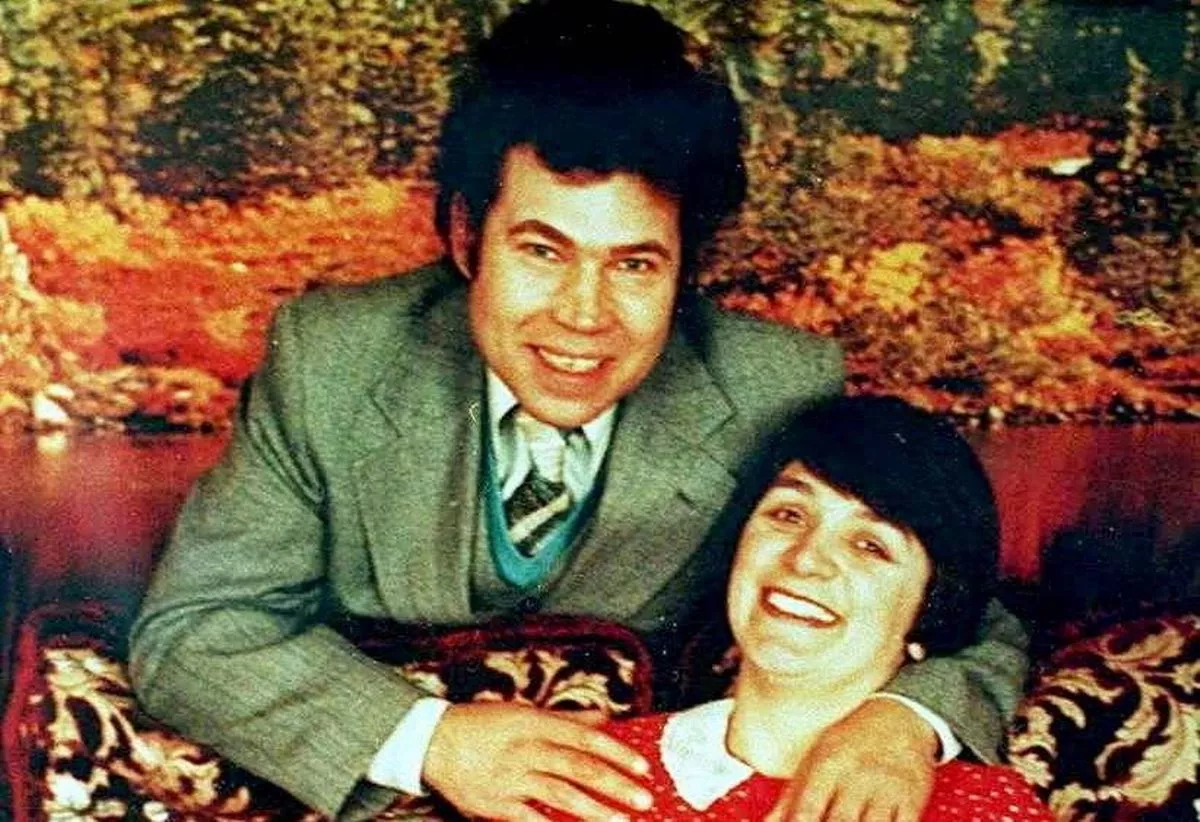 Fred and Rose West were responsible for the rape, torture and murder of at least nine people(Image: SWNS.com)
Rose West, along with her husband Fred West, committed disturbing crimes that Britain has ever seen. Together, they were responsible for the rape, torture and murder of at least nine young women and girls, including members of their own family. West was born Rosemary Pauline Letts on November 29, 1953, in Barnstaple, a small port town in southern England.
Her parents were Bill and Daisy Letts. It’s believed that electroconvulsive therapy administered to her pregnant mother for depression caused prenatal injury, contributing to Rose’s poor school performance and bouts of aggression growing up.
The full scale of the Wests’ crimes emerged in the 1990s when police excavated their Gloucester home, uncovering multiple bodies buried beneath the property. Unlike Fred, who took his own life in prison before trial, Rose was convicted in 1995 and sentenced to life imprisonment without parole.
Beverley Allitt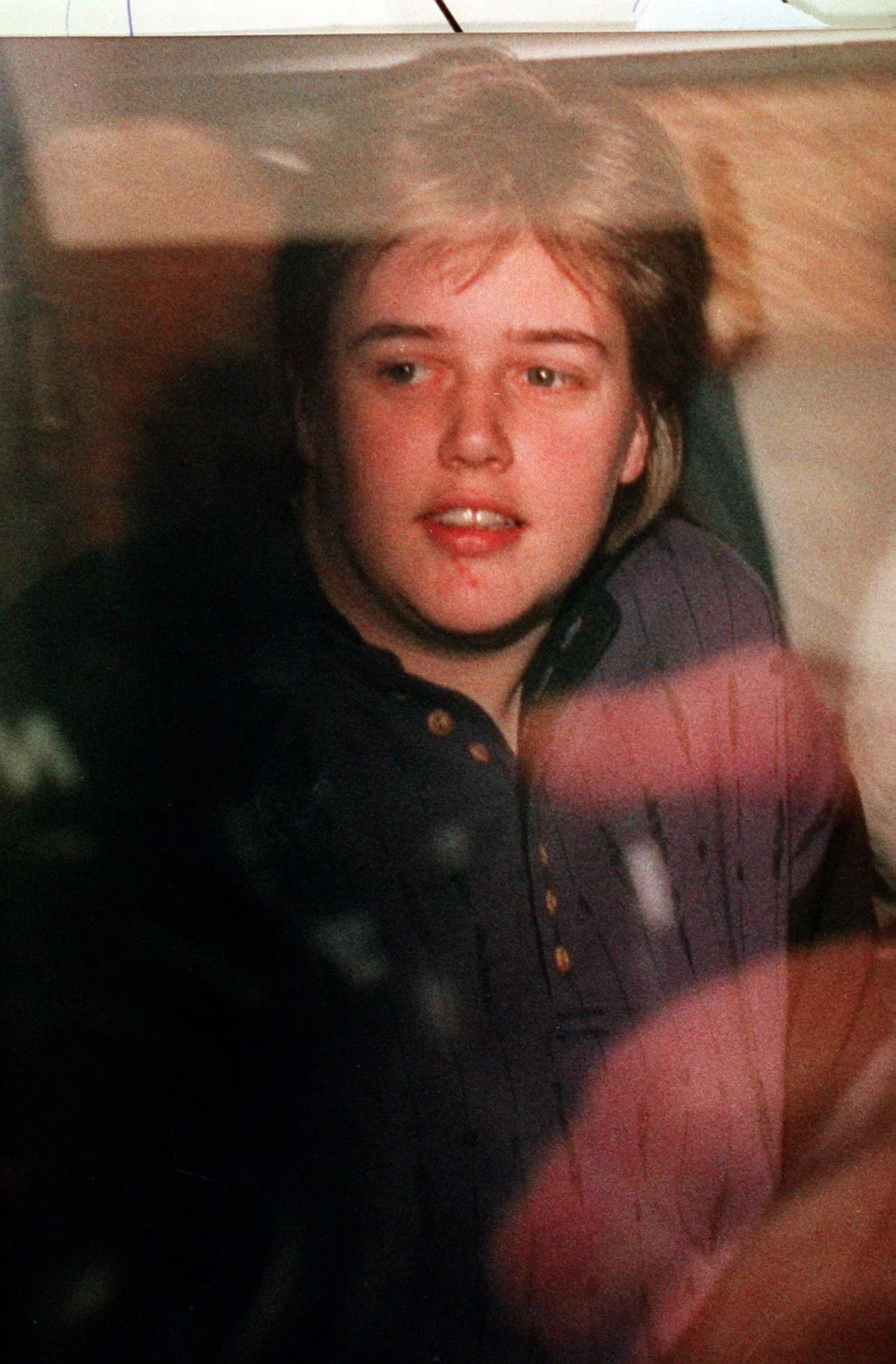 Beverly Allitt’s crimes might make you think of the modern day conviction of Lucy Letby(Image: PA)
Beverly Allitt’s crimes might make you think of the modern-day conviction of Lucy Letby. A paediatric nurse, Allitt, murdered four children and attempted to kill several others while working at Grantham and Kesteven Hospital in the early 1990s.
The healthcare professional injected young patients with drugs and air, causing sudden collapses that initially baffled doctors. These deaths occurred over just 59 days, triggering an investigation that eventually exposed her actions. She was jailed in 1993 for life with a minimum term of 30 years.
Diagnosed with Munchausen syndrome by proxy, Allitt was ordered to be detained indefinitely in a secure hospital. Her case led to major changes in hospital monitoring and patient safety procedures.
Present day
While historic cases dominate, very few murders in Britain meet the legal definition of a serial killer. However, there are two in our recent history that many might have heard of.
Lucy Letby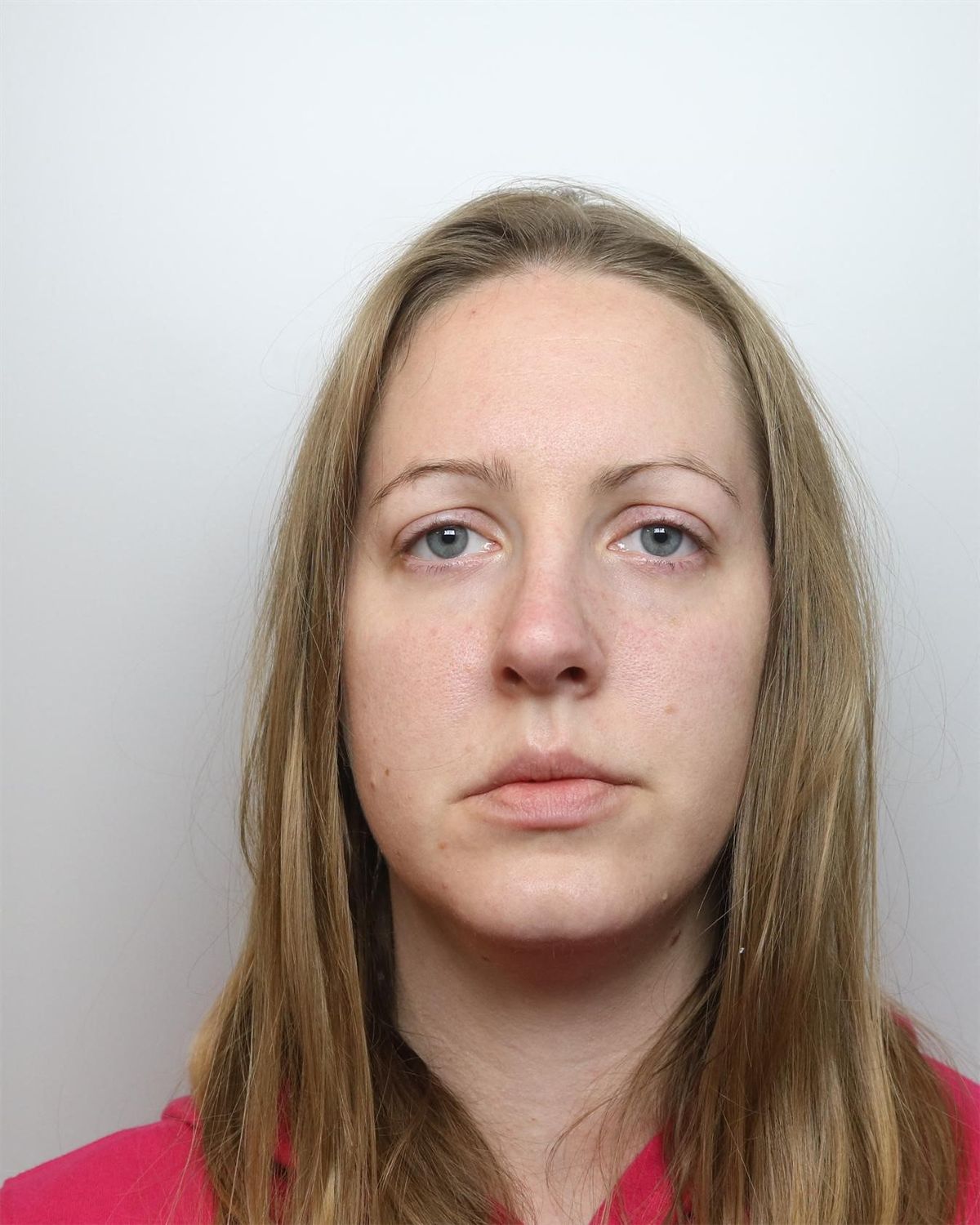 Lucy Letby was convicted of murdering seven babies and attempting to murder six others while working as a neonatal nurse(Image: Cheshire Constabulary/AFP via Ge)
In 2023, Lucy Letby was convicted of murdering seven babies and attempting to murder six others while working as a neonatal nurse. Her crimes, carried out between 2015 and 2016, involved poisoning infants with insulin and interfering with breathing tubes. She was sentenced to life imprisonment with no possibility of release, a punishment reflecting the scale and cruelty of her crimes.
The government has set up a public inquiry, chaired by Court of Appeal judge Lady Justice Thirlwall, to learn lessons from how a serial killer has apparently been operating in an NHS hospital unit.
Joanna Dennehy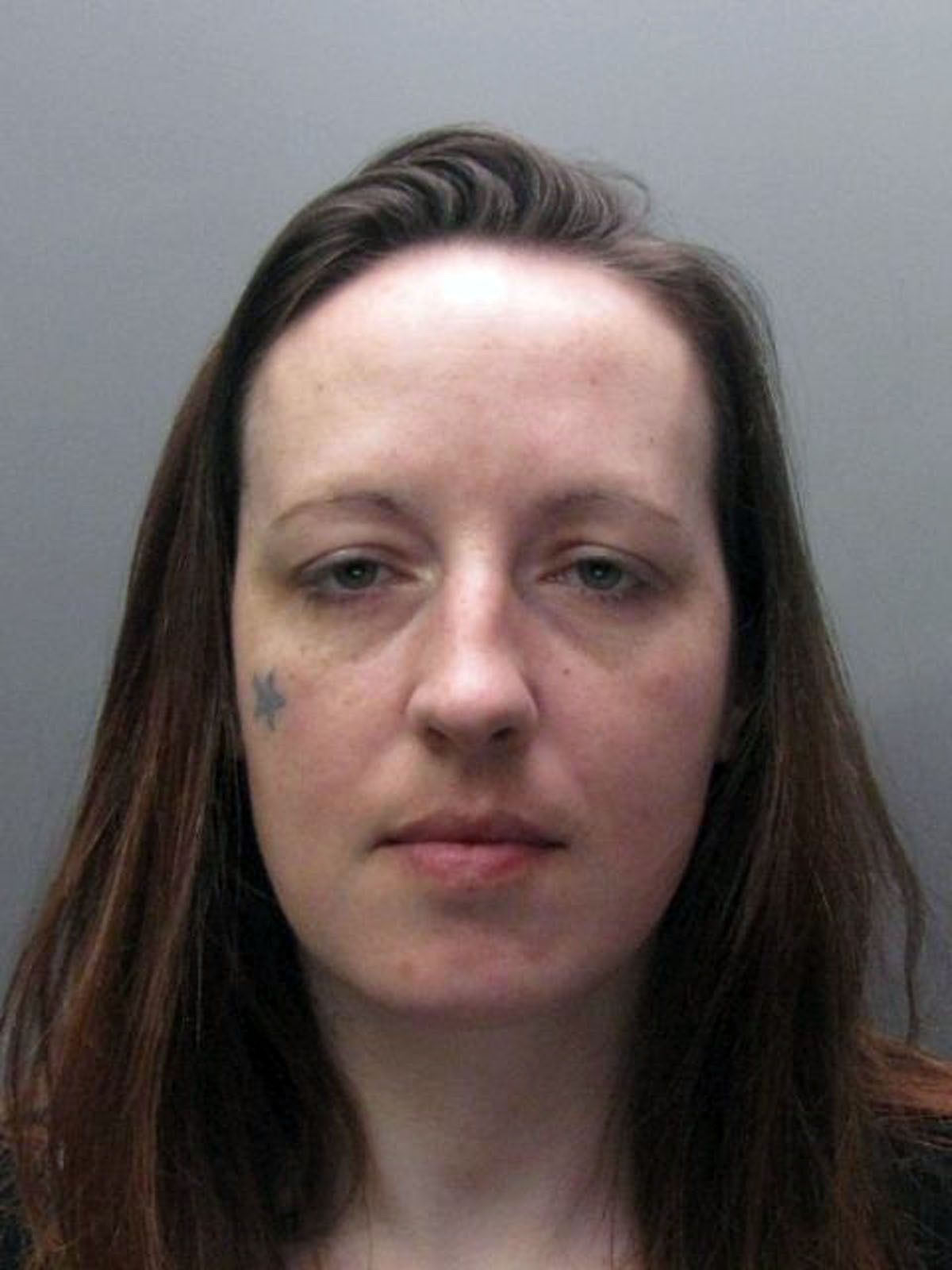 Joanna was also described as being unable to exhibit a normal range of human emotions(Image: PA)
Joanna Dennehy murdered three men in Cambridgeshire in 2013 during a violent spree. Unlike many female serial killers, Dennehy’s violence was overt and public. After killing her third victim, Joanne Dennehy phoned her friend and sang the Britney Spears track “Oops I Did It Again” down the line. She showed no remorse and openly described enjoying the killings.
When sentencing her, the judge said the whole life term was merited because each of the three murders involved substantial degrees of premeditation or planning. He said she had a personality disorder and was diagnosed as suffering from paraphilia sadomasochism, a condition in which sexual excitement is derived from pain and humiliation. She was also described as being unable to exhibit a normal range of human emotions.
Female serial killers, whilst statistically rare, seem to avoid evasion in part because they are underestimated. Historic female killers show that extreme violence doesn’t shouldn’t be limited to gender. Having said that, in the examples of serial killers above, the majority of their crimes exploit positions of trust and domestic settings or caregiving roles, which is also what allows them to go undetected.
Public fury often seems greater because the capacity to inflict harm by women is underestimated. However, female serial killers in Britain have had a huge impact on policy, law and the public, even as they remain a minority.