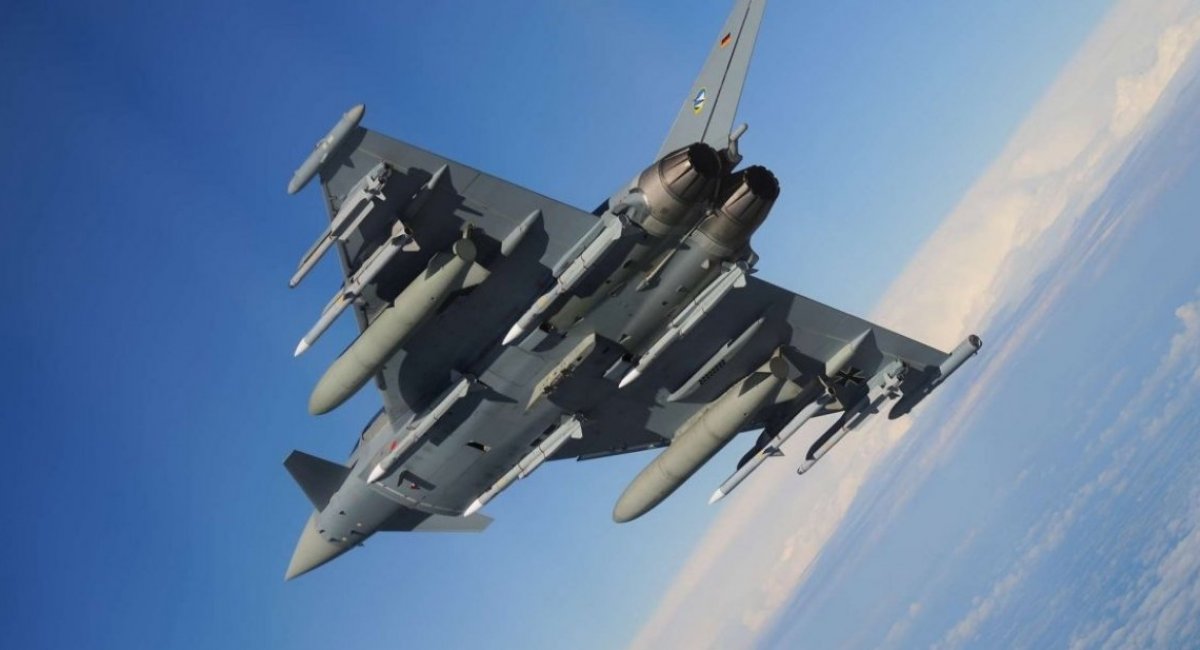
One Eurofighter Typhoon fighter jet costs twice as much as the French Dassault Rafale, according to claims made in the French parliament. Additionally, the overall project cost increased by 75% from initial estimates, while maintenance costs doubled.
These figures are being cited by French lawmakers to argue that creating a joint venture on similar principles would only inflate costs for developing the sixth-generation FCAS fighter. This supposedly justifies why French industry wants to take the lead.
Read more: UK Puts Quality Over Speed Challenger 3 Production Won’t Start Until Testing Is Complete
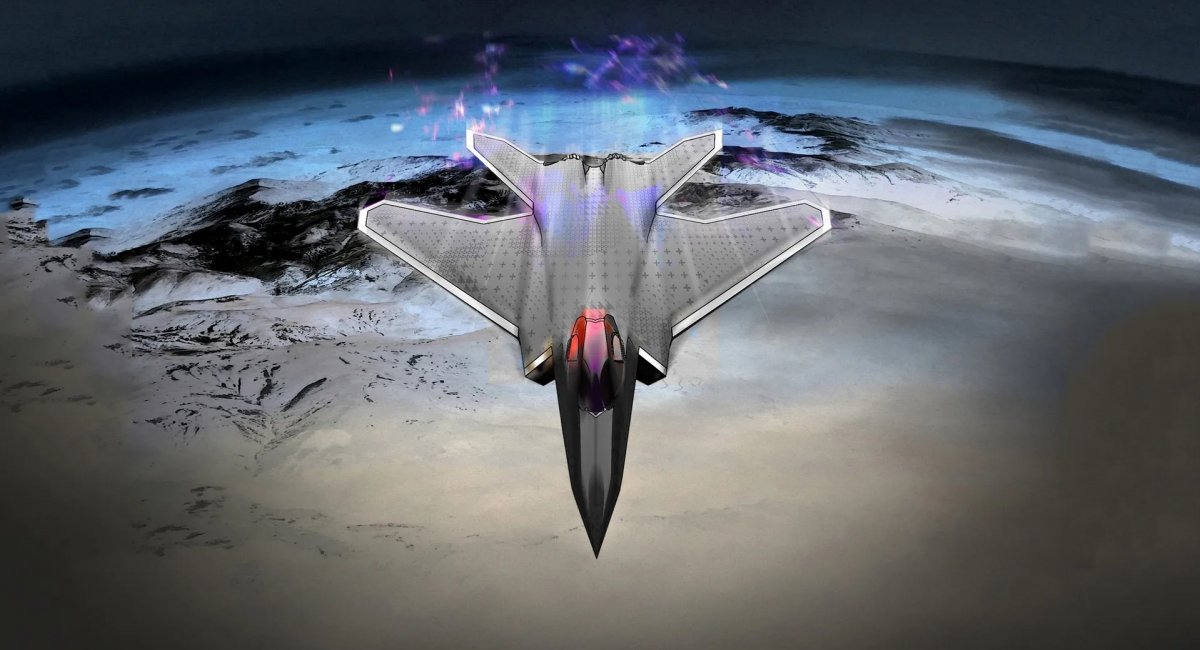 Sixth-generation FCAS fighter concept by Dassault / Open source image
It’s immediately clear this is a carefully selected argument designed to support France’s negotiating position. This contrasts with Airbus’s desire representing both Germany and Spain to divide work equally.
The cost calculations for a single Eurofighter and total procurement expenses reference British National Audit Office figures. These costs are attributed to time lost through negotiations, scaling production lines, and partners acquiring skills they previously lacked.
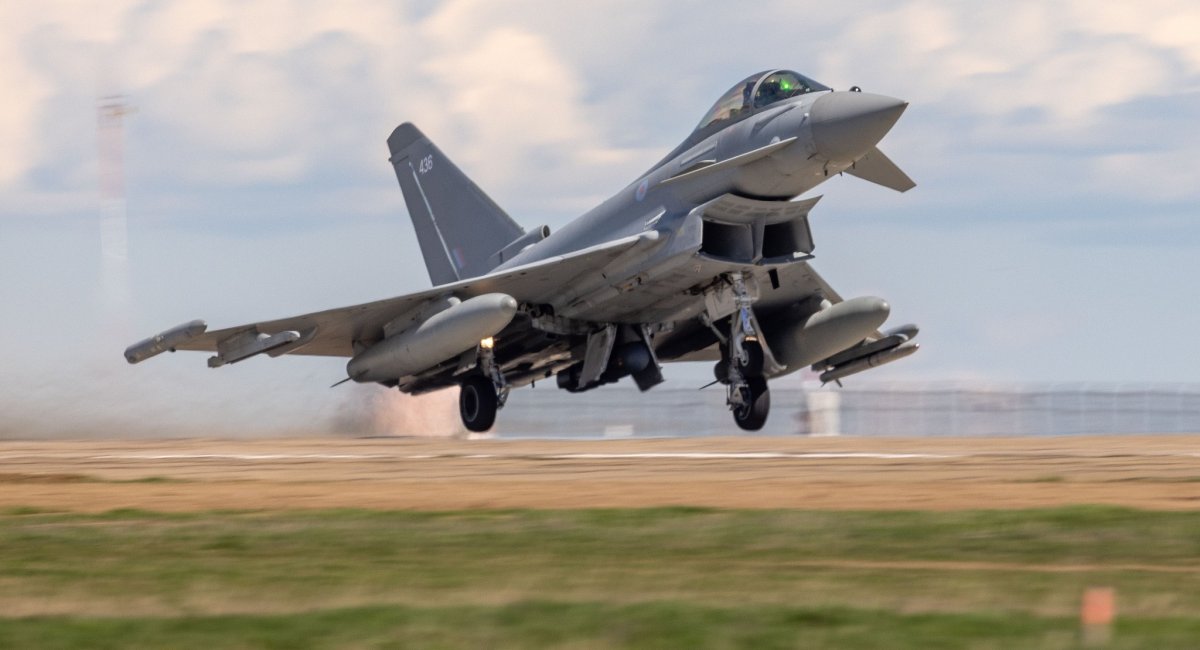 Eurofighter Typhoon fighter jet / Photo credit: RAF
This last point is designed to have serious impact, as France is currently the only European country independently producing fighter jets. Understandably, the prospect of sharing technologies and incurring additional costs looks unappealing.
To seriously assess the situation, it’s worth examining what countries currently pay for domestically-produced combat aircraft versus export prices. Unfortunately, there are inaccuracies here the British haven’t purchased domestically in years, so well need to look at others.
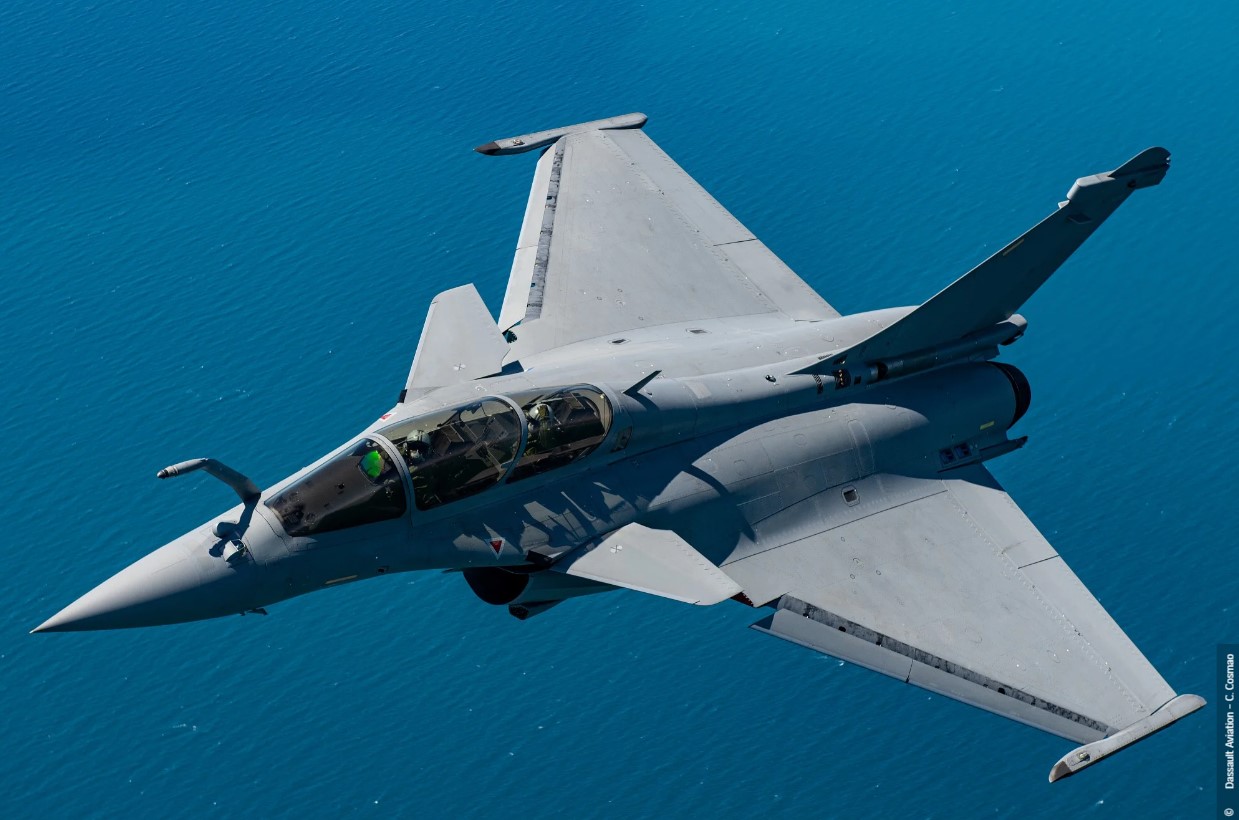 Dassault Rafale fighter jet / Photo credit: Dassault
Germany in 2025 ordered 20 Eurofighter Typhoons in the most modern Tranche 5 configuration for €3.75 billion, or $187.5 million each. In 2024, Spain purchased 25 for €4 billion, or €160 million each. France in 2024 acquired 42 Rafales for over €5 billion more than €119 million each. So the Rafale does come out significantly cheaper by tens of millions of euros per aircraft, explainable by single-country production that simplifies logistics and reduces the number of suppliers requiring coordination.
Regarding exports, 20 Eurofighter Typhoons for Turkey cost an astronomical $7.2 billion (€6.1 billion with weapons, or €4.5 billion bare), meaning €305 and €225 million each. The firm price for Rafale with all services and weapons hovers around €225-230 million per aircraft still cheaper.
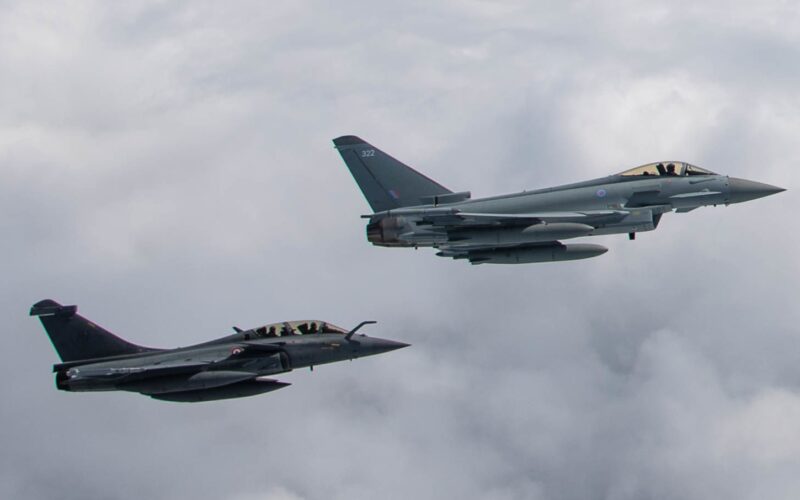 Dassault Rafale and Eurofighter Typhoon fighters / Open source photo
So yes, the French side is correct about fighter prices, where the difference manifests in tens of millions of euros per aircraft though not quite double. However, whether this justifies collapsing the FCAS project and risking being left without resources to develop sixth-generation capability is an entirely different question.