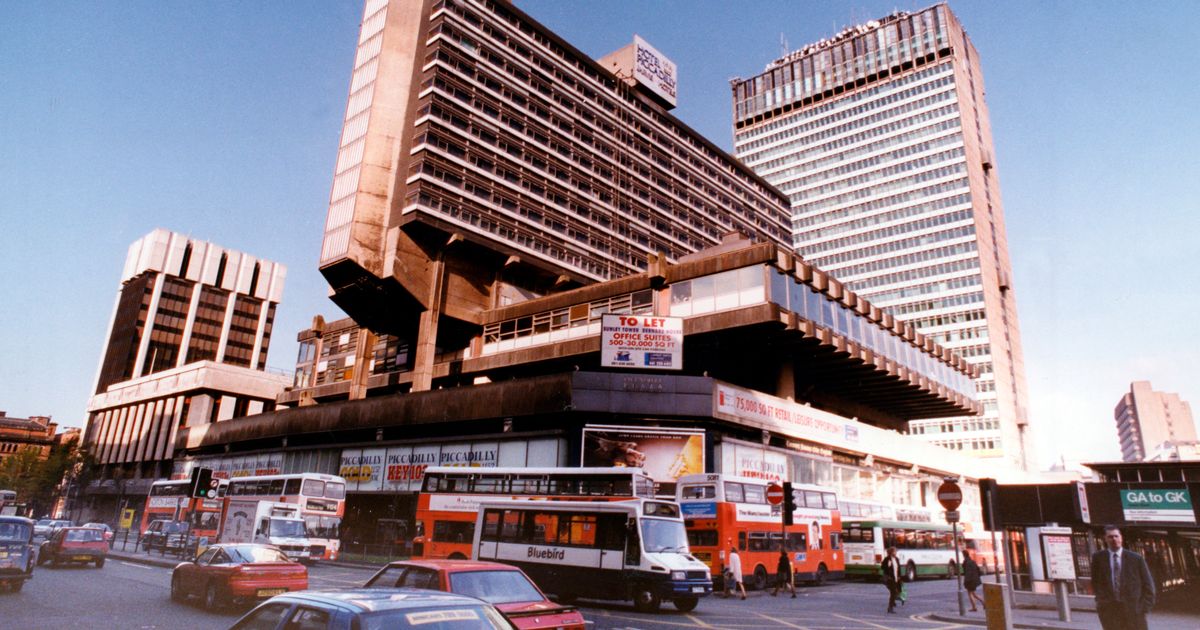
It’s been 60 years since Piccadilly Plaza and its hotel became a city landmark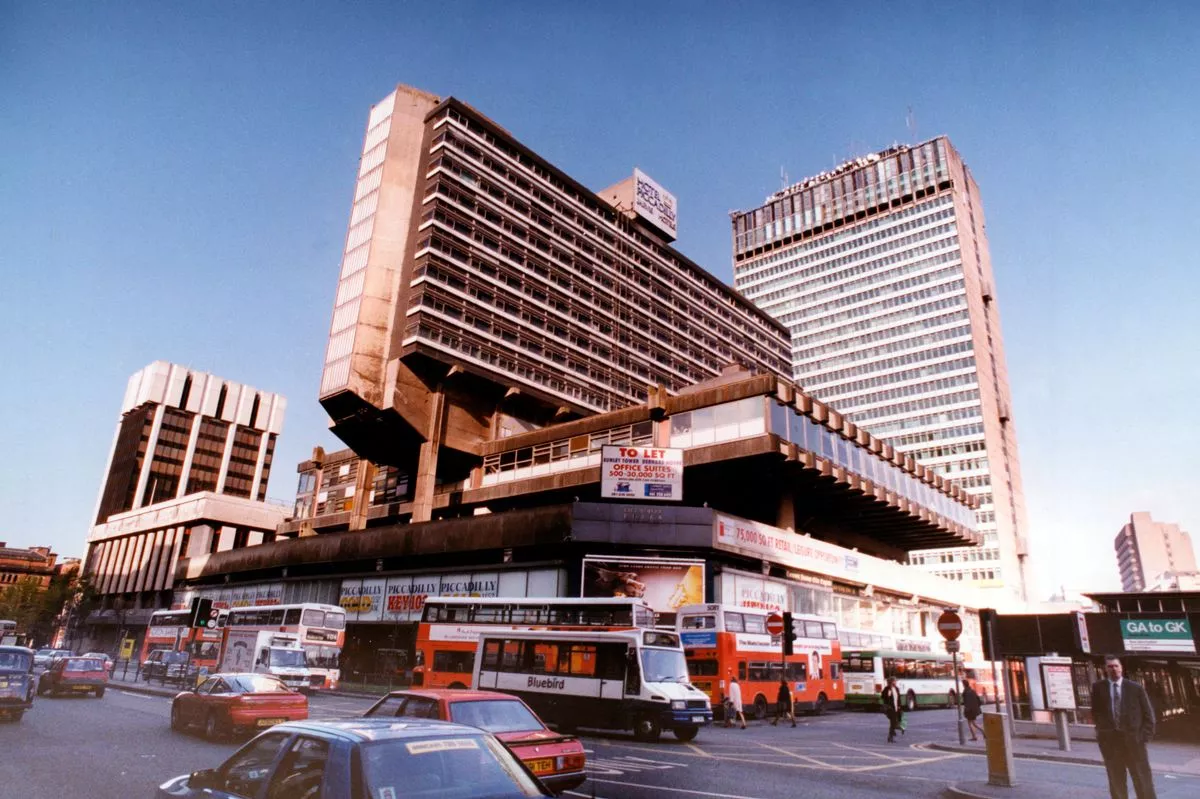 Piccadilly Plaza in 1995
For 60 years, the Mercure Piccadilly Hotel has been a landmark in Manchester. A prominent feature on the city skyline, known as much for its stark Brutalist architecture as for its history in hospitality.
Now set for a transformation and a rebrand, its existence is tied directly to the post-war redevelopment of Manchester and the creation of the Piccadilly Plaza complex in the 1960s. Before the hotel was built, the site was part of the grounds of the former Manchester Royal Infirmary, which moved to Oxford Road in 1908.
Following the demolition of the old hospital and the bomb damage sustained during World War Two, the site remained largely vacant, predominately used as a sunken garden and later as a car park, until the late 1950s. When the decision was eventually made to build Piccadilly Plaza, it would become symbolic of Manchester’s post-war ambition to become a modern, forward-looking city.
The Plaza would be a modernist, mixed-use complex consisting of three structures: The Hotel (originally the Piccadilly Hotel), an office tower (originally Sunley House), and a smaller block called Bernard House, which has since been demolished.
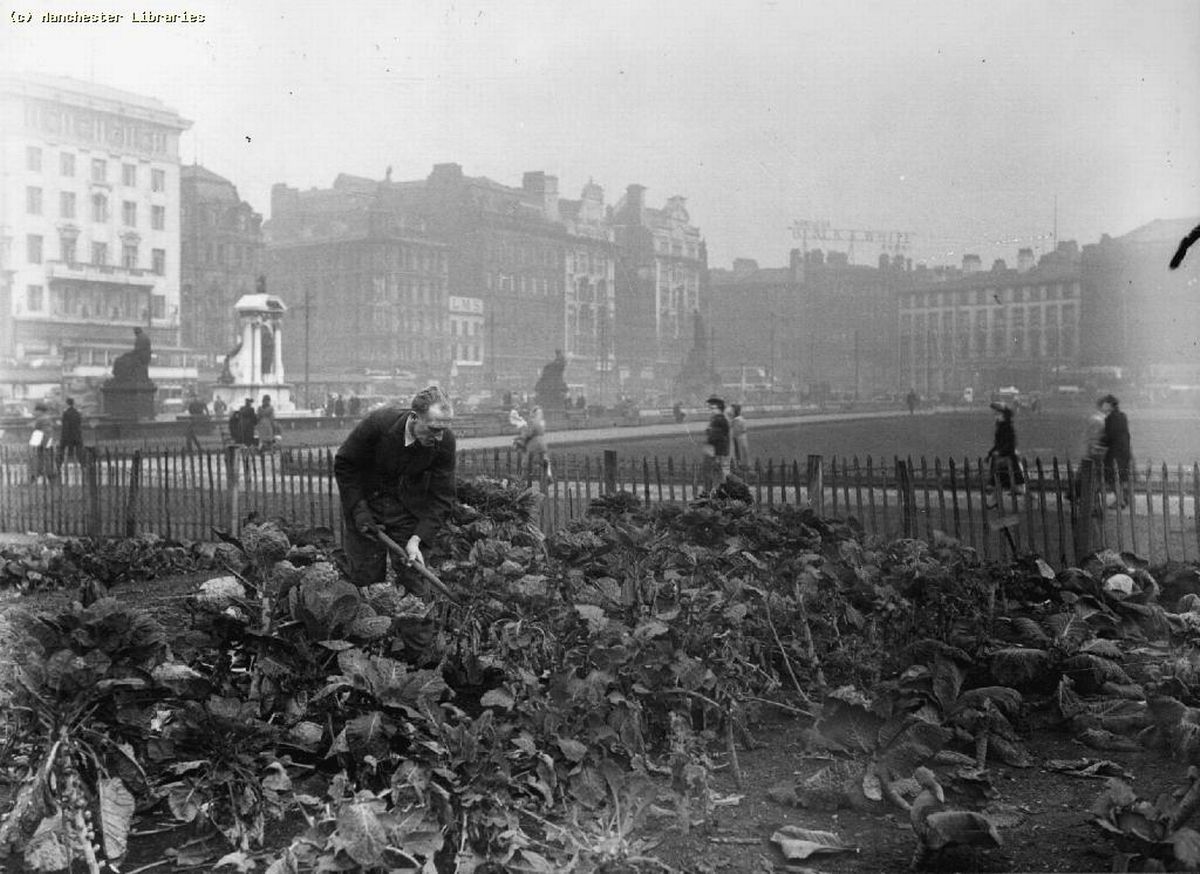 Piccadilly Gardens being used as allotments, 1947
Developed by Bernard Sunley and Sons, the Piccadilly Plaza complex was completed in 1965. The hotel was built in the form of an inverted ‘T’ on stilts above a two-storey shopping complex.
Standing 160ft tall and costing £2 million, it was the largest hotel to be built outside of London since the war. Dubbed as much a hotel for cars as people, the entrance was at the second level with motorists driving up a spiral car ramp directly into the foyer through an “invisible wall” of warm air.
As they checked in, their cars were parked by the hotel’s porters. Described as a revolution, the hotel was built to be modern and luxurious in every aspect.
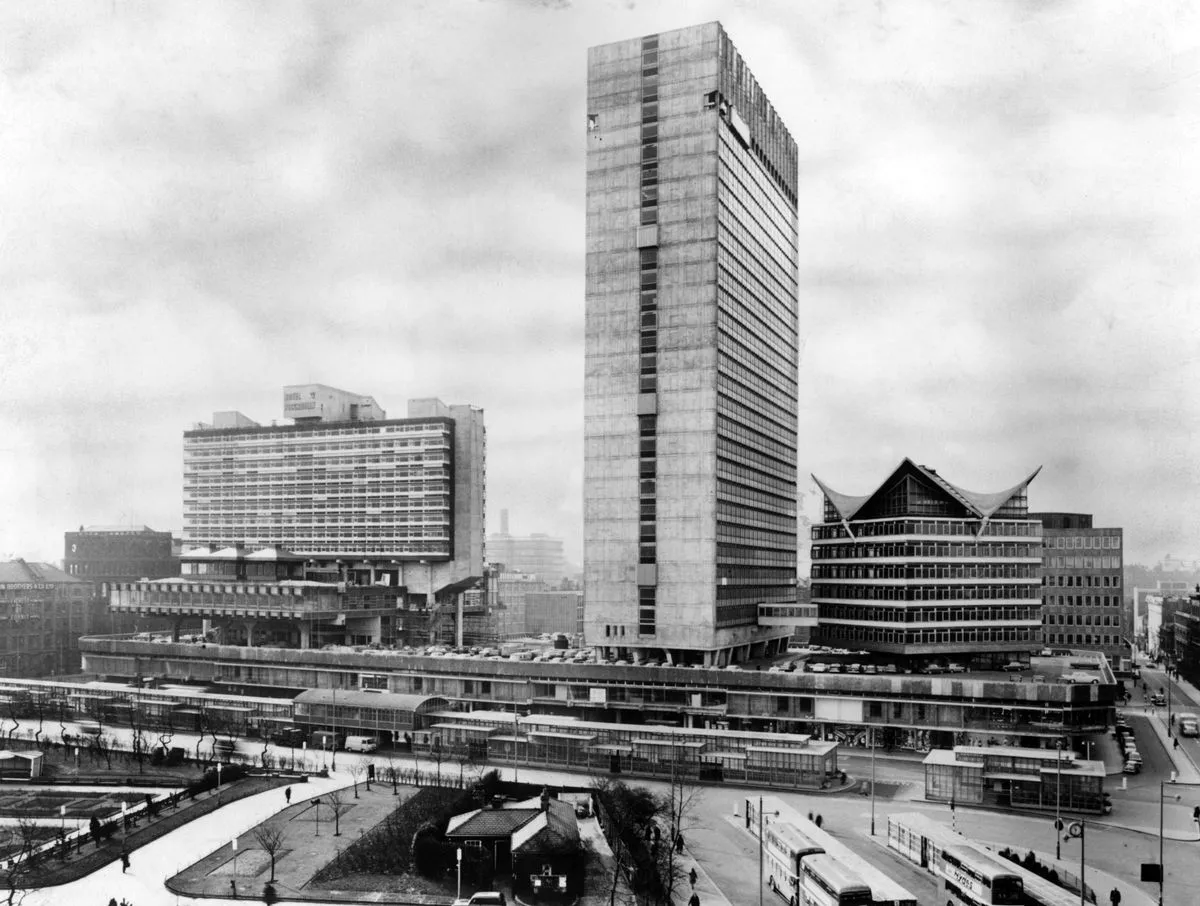 Piccadilly Plaza and Gardens, Manchester. 9th July 1968. (L to R: Piccadilly Hotel, Sunley House tower, Bernard House)(Image: Mirrorpix)
The team of experts behind the hotel had toured Europe studying the latest trends in hotel design, as well as fittings and furnishings. It was like nothing the city had seen before.
The team’s leader, Neville Thomson, said: “We have tried to produce what we believe will be the finest executive hotel in Europe – I think we have succeeded.”
In the hotel’s main banqueting hall, known as the Peacock Room, six brilliantly coloured glass chandeliers specially imported from Venice sparkled over the heads of diners. There was also the intimate Champagne Bar, where only champagne and champagne cocktails were served at marble-topped tables.
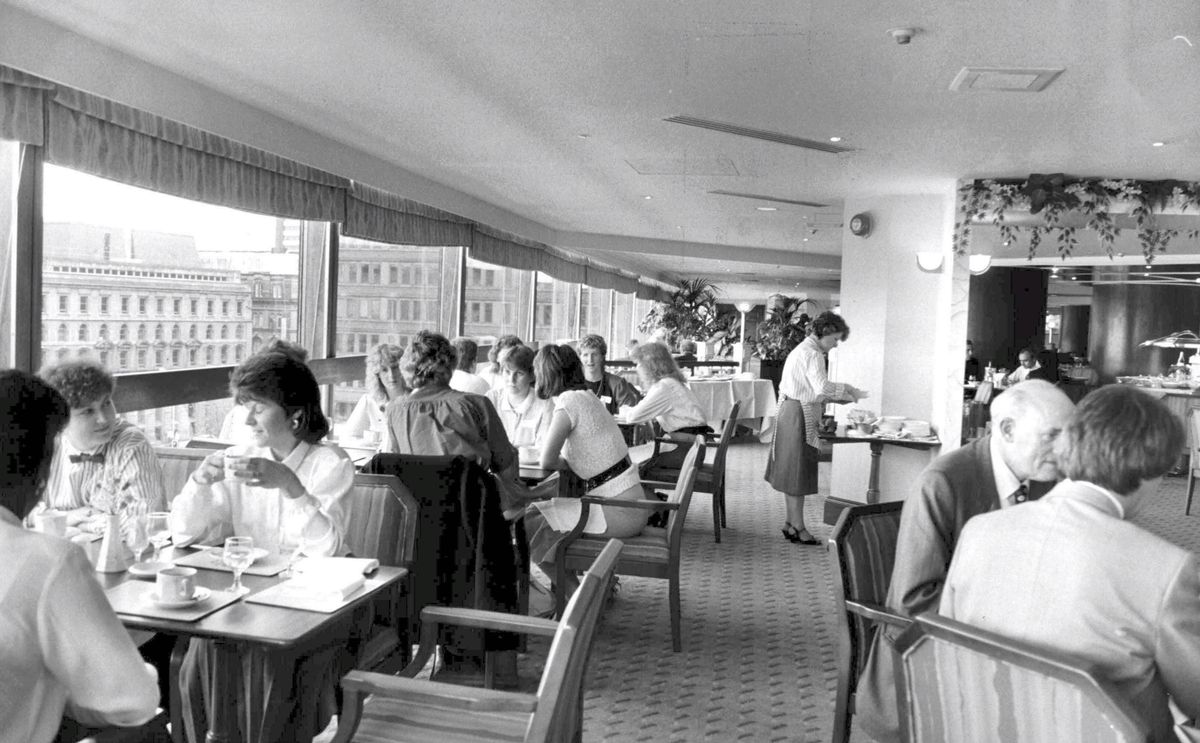 Piccadilly Hotel restaurant
During this era, the hotel was not merely a place to stay – it was a symbol of Manchester’s “Swinging Sixties” ambition.
And while it is often judged today by its weathered concrete exterior, in its heyday, it was a futuristic, luxury destination that literally elevated its guests above the grime of the city below.
The famous ‘Helix’ ramp
The defining feature of the hotel during this era was the spiral concrete ramp (the Helix) that led cars from the street directly up to the reception and the rooftop car park. This ramp became a pop-culture icon in its own right.
The ramp was immortalised in the opening credits of the wildly popular ’60s chat show Dee Time. The host, Simon Dee, was filmed driving an E-Type Jaguar up the hotel’s spiral ramp. It also featured prominently in the 1967 film Charlie Bubbles.
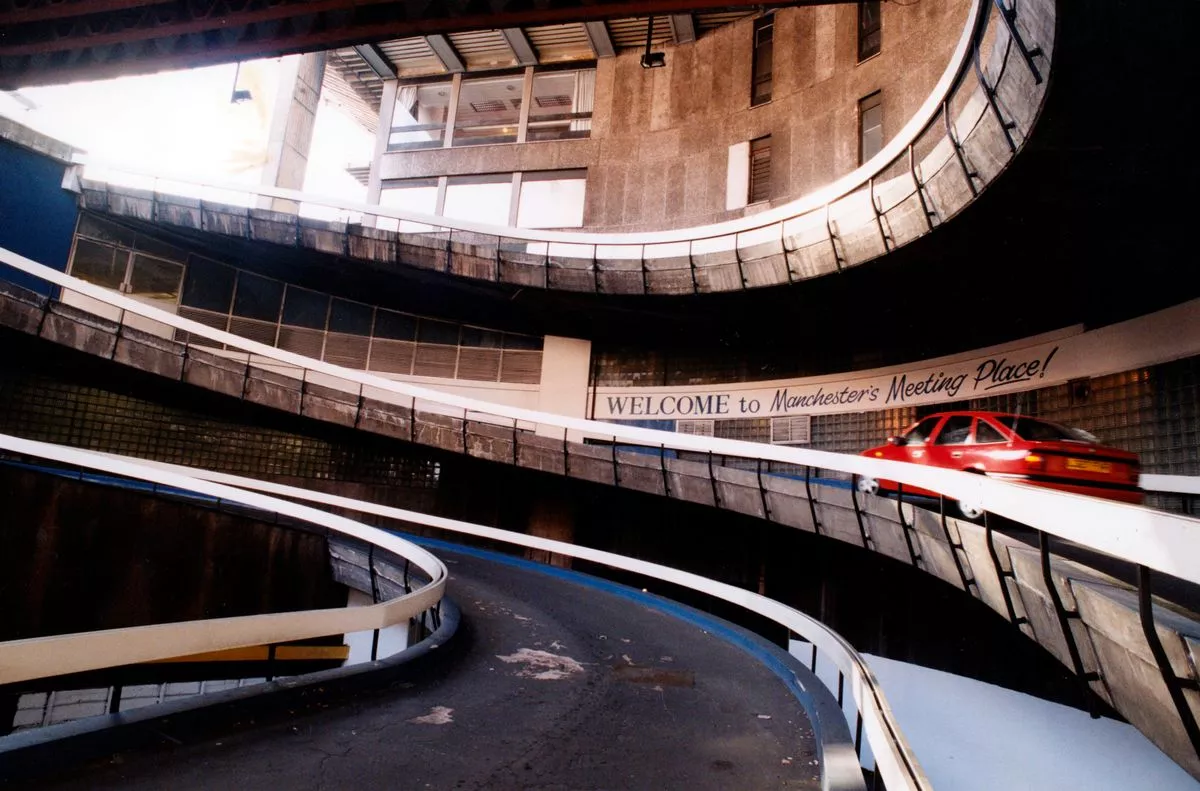 Ramp leading up to the Piccadilly Hotel
Albert Finney (playing a rich writer returning to his northern roots) drives his gold Rolls-Royce up the ramp. The film portrays the hotel as a glossy, detached observation deck from which the main character gazes down at the changing city.
A story involves the US funk/soul band The Commodores, then featuring future star Lionel Richie. According to local legend, a van broke down on the steep ramp. The people who jumped out of the car behind to help push the van up the hill turned out to be the band members themselves, much to the shock of the reception staff at the top.
And when the celebrity clientele weren’t helping stranded motorists, they sipped champagne at the bar or luxuriated in the private dining-room suites on the fourth floor.
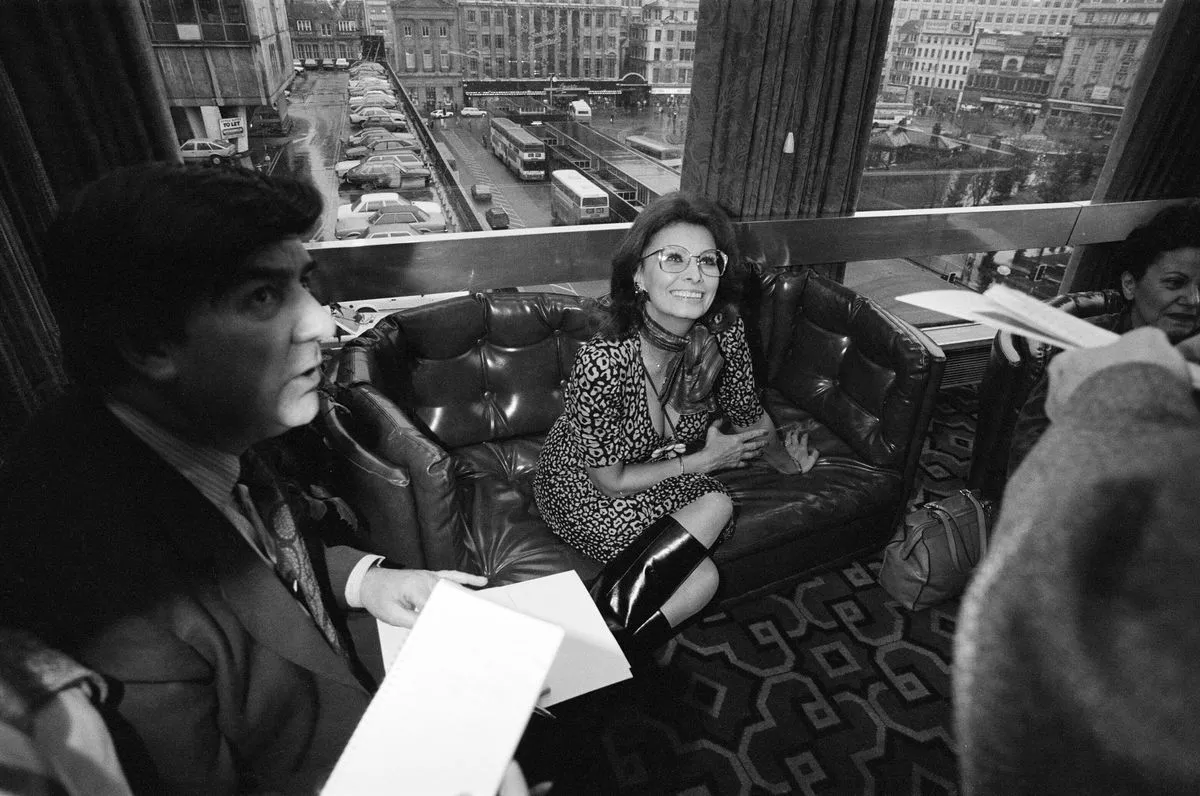 Actress Sophia Loren pictured at the Piccadilly Hotel Manchester, December 1982
The suites consisted of a row of three interconnected rooms and two garden terraces, collectively known as King Arthur’s Court. The three rooms, overlooking the then more aesthetically pleasing Piccadilly Gardens, were named Queen Guinevere, Sir Lancelot, and Sir Percival, and the two internal garden patios were called White Dragon and Red Dragon Gardens.
In front of King Arthur’s Court was a large lily pond, illuminated at night and containing live ducks. Each banqueting room also had its own bar.
In 2017, head concierge Paul Costello shared his memories and stories about the hotel. At the age of just 15, Paul started his first shift at the Hotel Piccadilly as a page boy on December 21, 1970.
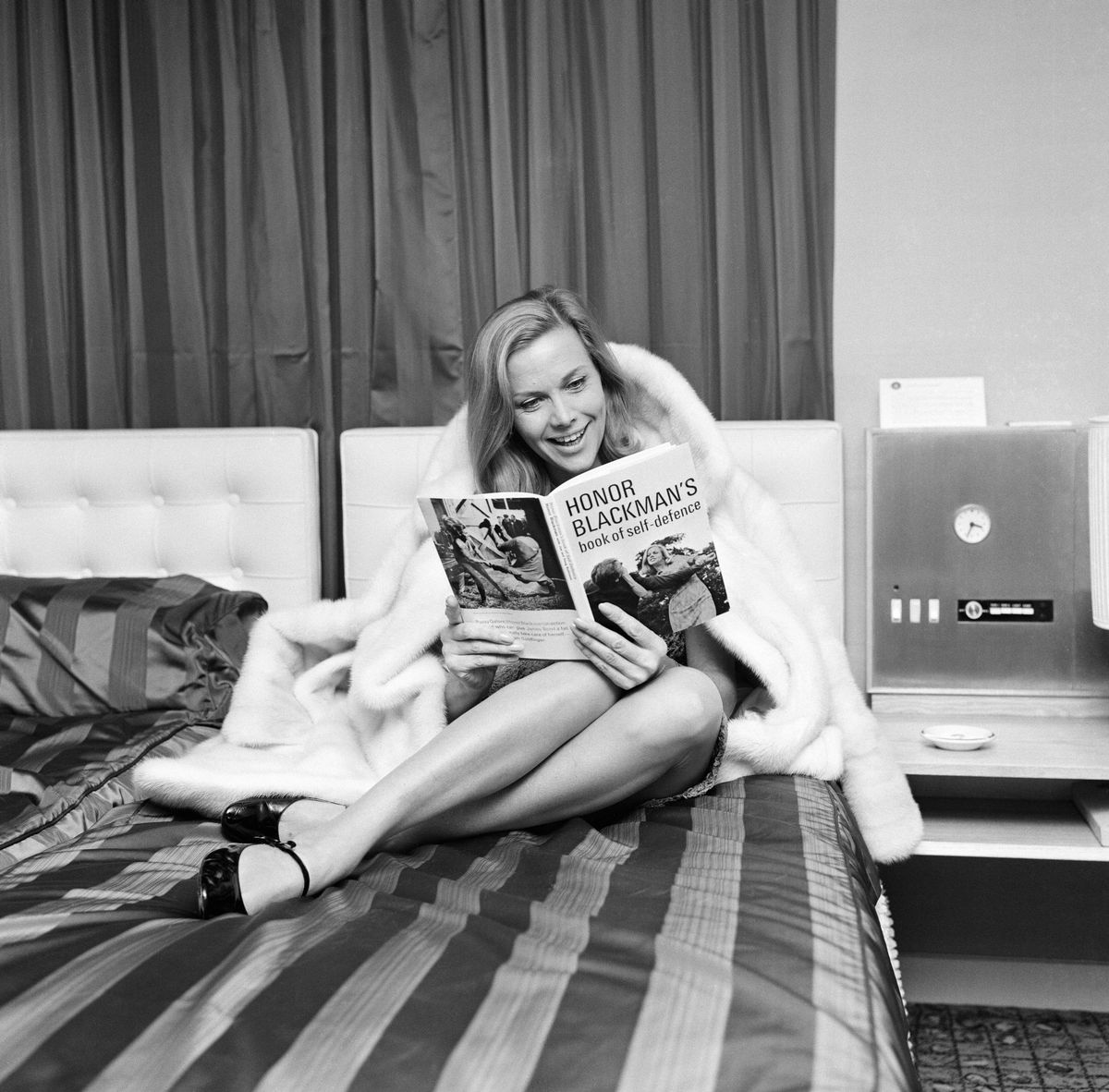 Actress Honor Blackman at the Piccadilly Hotel, Manchester, Monday 22nd November 1965
Paul told the M.E.N: “It was very different in the 1970s to how it is now. When I started, we were the only five-star hotel in Manchester, so we had lots of famous people, like pop stars, who used to visit, as well as plenty of business people.
“I have met all sorts of people over the years – Rod Stewart, Elton John, Meatloaf – but the one that really stands out for me was when I met the President of the United States, George Bush, and the First Lady.
“I showed them up to their suite and chatted to them. That was very special.”
Other famous faces the hotel has hosted include Welsh singer and heartthrob Tom Jones, comedian Tommy Cooper, actor and comedian Sir Norman Wisdom, and comedian and actor Les Dawson – all of whom Paul had greeted.
“The restaurant used to be called the Ambassador, and we had the King Cotton bar,” he said.
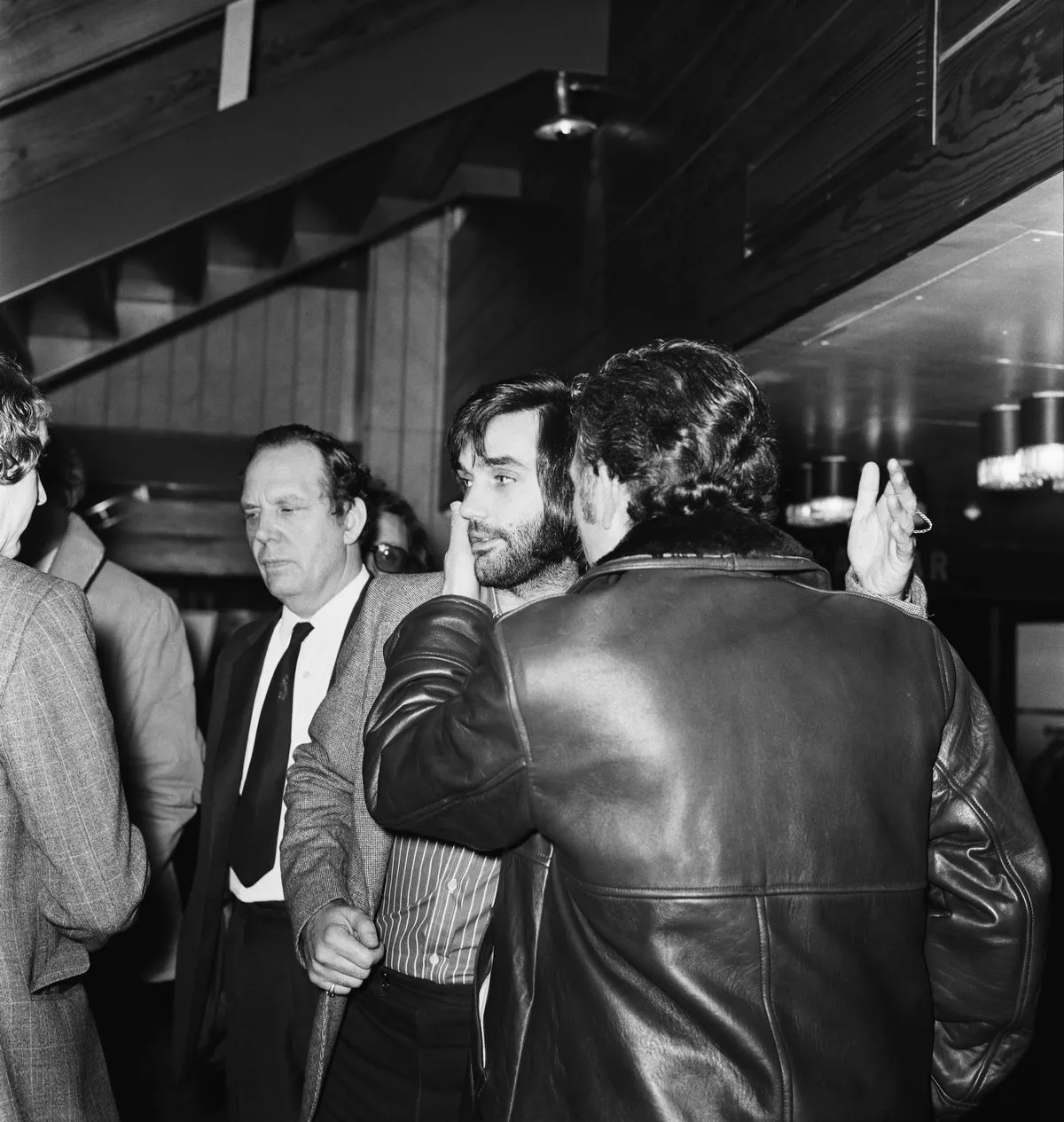 Manchester United player George Best leaves the Piccadilly Hotel in Manchester after being put on the transfer list by Manchester United. 19th December 1972
“When I first started there was a café in what is now the lobby that the locals called the Horseshoe Bar. It was open 24 hours so people used to come in from the nightclubs in the early hours for something to eat.”
As the novelty of Brutalism wore off and the building aged, the hotel underwent changes in ownership and branding. The hotel was acquired by Jarvis Hotels in the 1990s. In the early 2000s, the hotel was rebranded again as the Ramada Manchester Piccadilly, operating under a franchise agreement with the French hospitality giant Accor.
Following the liquidation of Ramada Jarvis, the hotel was acquired by Jupiter Hotels and rebranded as the Mercure Manchester Piccadilly Hotel. Since then, the hotel has seen significant investment to capitalise on its central location.
Plans have now been submitted to Manchester Council, which reveal that it is to be rebranded as a new Lyf Hotel, with an application to introduce a significant new look to the entrance on Portland Street.
Today, the 4-star hotel still remains a polarising example of 1960s concrete architecture. However, it is celebrated by some modernist enthusiasts as a key piece of Manchester’s architectural heritage.