The ’shroom boom is no joke – Fortune Business Insights valued the functional mushroom market at $31.09 billion in 2024, and it is expected to reach $62.18 billion in 2032 at a compound annual growth rate (CAGR) of 9.14%. Various species of mushrooms are widely recognized for supporting several facets of health, including immunity, cognition, metabolism and cardiovascular health.
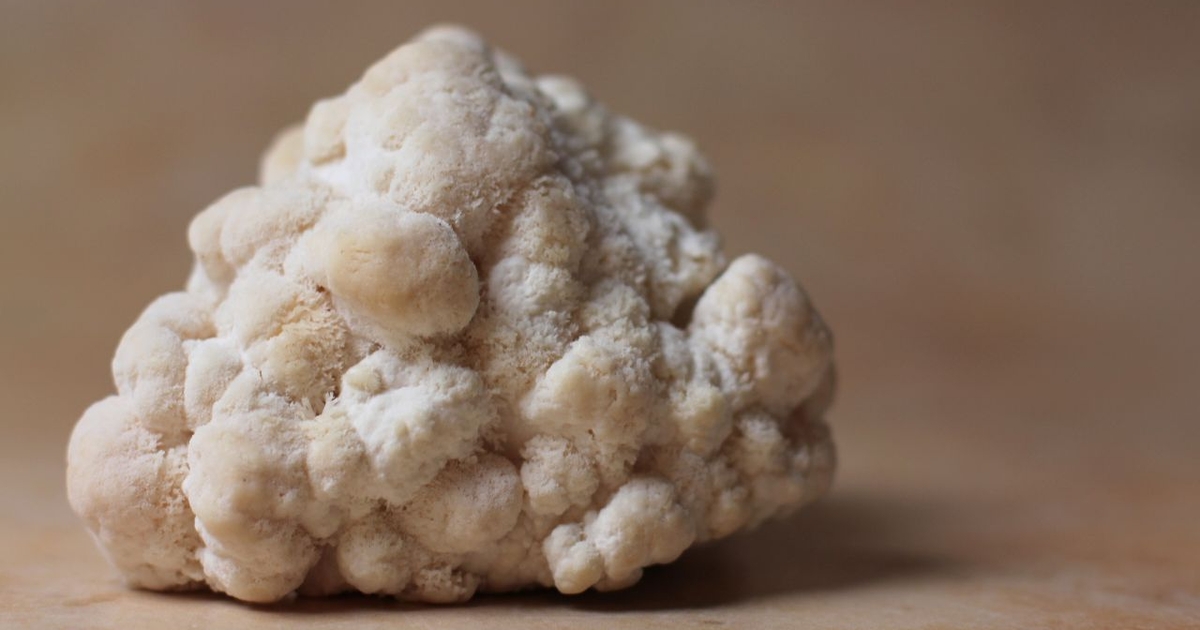
Lion’s mane (Hericium erinaceus), touted widely as an adaptogen with neuroprotective abilities, offers several benefits, including anti-inflammatory, antioxidant and antimicrobial properties. Scientists at Fungi Perfecti, maker of Host Defense Mushrooms supplements in Olympia, Washington, evaluated the impact of this mushroom species on immune health and found interesting differences between extracts from two different parts of the mushroom.
Why is this preclinical study important?
The study directly compared extracts from two parts of the mushroom – the mycelium and fruiting body. Both components contain several active constituents, including polysaccharides, aromatic compounds and terpenes. Understanding these differences is crucial, as the new study shows they may elicit contrasting effects in the body.
The supplement and ingredient industry must continue its work validating and standardizing mushroom ingredients, which are big focal points for the newly formed Functional Mushroom Council.
What are the key takeaways from this in vitro study?
The authors said it best, that lion’s mane mycelium extract “promotes a balanced and adaptable immune response, primed for potential cellular challenges while avoiding excessive activation.”
The same cannot be said for the fruiting body extract, however, which under certain conditions may aggravate inflammation and cause overactivation of the immune system.
What mushroom ingredient was studied?
Researchers evaluated lion’s mane mycelium and fruiting body extracts in the preclinical trial.
What were the details of the preclinical trial?
The study authors used peripheral blood mononuclear cells (PBMCs) and cytokine assays to understand the impact of the mycelium mushroom extract on immune responses, as well as its antioxidant capacity and iron chelating ability.
It is important to note that the scientists prepared an ethanolic extract from the mycelium, while using a hot-water extract for the fruiting body. The authors stated they prepared the hot-water extract to preserve the 30% beta-glucan content advertised in the fruiting body powder.
The fruiting body extract was used in the cytokine assay for interleukin-1 beta (IL-1 beta) and the iron chelating tests. IL-1 beta is a pro-inflammatory cytokine.
What were the results of this in vitro study?
The PBMC and cytokine assays demonstrated that the mycelium mushroom extract elicited a very balanced immune response, upregulating anti-inflammatory markers and decreasing expression of pro-inflammatory responses.
The fruiting body extract increased IL-1 beta whereas the mycelium extract downregulated the cytokine when evaluated under inflammatory conditions, showing the fruiting body extract may cause inflammation and an overactive immune system.
The mycelium extract demonstrated significant antioxidant activity at all evaluated concentrations. The mycelium extract also showed significant iron chelation ability, significantly higher than the fruiting body extract at all concentrations.
How does this build upon prior research on lion’s mane mushrooms?
No clinical trials were found evaluating the impact of lion’s mane on immune health. Researchers have studied the impact of this species on cognitive health in two reports, one of which showed acute supplementation with 3 grams fruiting body extract had no significant change in mood or cognition.
The other study evaluated acute administration of 1 gram lion’s mane fruiting body extract, in which participants reported improved cognition and feelings of happiness within a few hours.
It should be noted that the first study utilized a beverage for supplement delivery and participants took capsules in the second study. However, the lack of results with three times the dosage clearly illustrates the need for improved standardization of mushroom extracts.
Several preclinical trials have investigated the effects of Hericium erinaceus. A systematic review and meta-analysis pointed out erinacenes, a class of active components in lion’s mane, exhibit dose-dependent effects on cognitive health in animal models.
Erinacines also are responsible for the anti-inflammatory and antioxidant properties of lion’s mane, although polysaccharides in the mycelium show potential for reducing intestinal inflammation.
Lion’s mane may also have potential for regulating glucose metabolism according to an in vitro study.