
Full disclosure: I’m profiling an organisation I once worked for. I wondered if that counts as a conflict of interest – but I couldn’t edit a print edition themed on youth justice without mentioning them.
Right before joining the Cable, I spent a year as the ‘Storyteller,’ working on communications for Rising Arts Agency. So, I should have the pat down now, right? Here’s the story.
Founded in 2016 by artist Kamina Walton, Rising was created to tackle the systemic failings young people face in the arts and culture sector. In Bristol, as across the UK, the industry remains dominated by privilege, largely inaccessible and lacking in diversity.

Reporting on the stories that matter to you. Only with your support.
Those who do break in often face precarious, short-term contracts, poor pay, and long hours. You enter on the bottom rung of the ladder, and the ascent from there is gruelling.
So Rising built a thriving community of young people aged 18 to 30 from underrepresented backgrounds—now nearly 100 strong. They offer free training, mentoring, and a crucial network of support.
As an agency, Rising connects its community with paid creative commissions, from design work to mural painting. It also runs consultancy projects on diversity, governance, and recruitment for organisations ready to do things differently.
They push for young people to take up space. Their best-known campaign, #WhoseFuture saw 37 young creatives take over nine billboards and 370 poster sites across Bristol in summer 2020, with art work confronting racism and inequality.
Their OnBoard programme meanwhile positions young people in decision-making roles on boards and panels across the city. “Young people as leaders now,” goes the Rising motto—and it’s not just talk.
From the start, Kamina had planned to hand over leadership after five years. In 2021, she passed the reins to co-directors Jess Bunyan and Euella Jackson. Now, as Rising approaches its tenth birthday, the agency is preparing for its next transition.
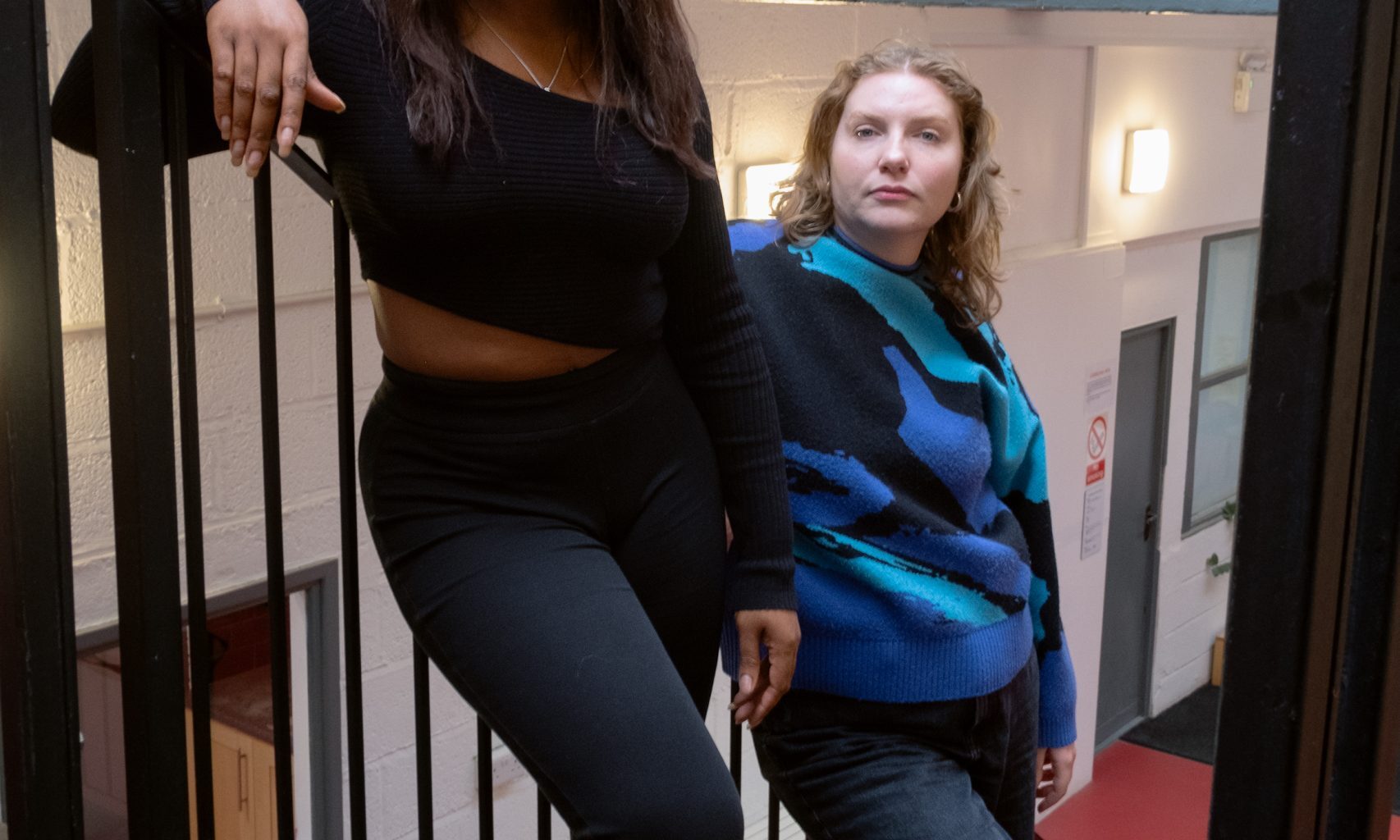
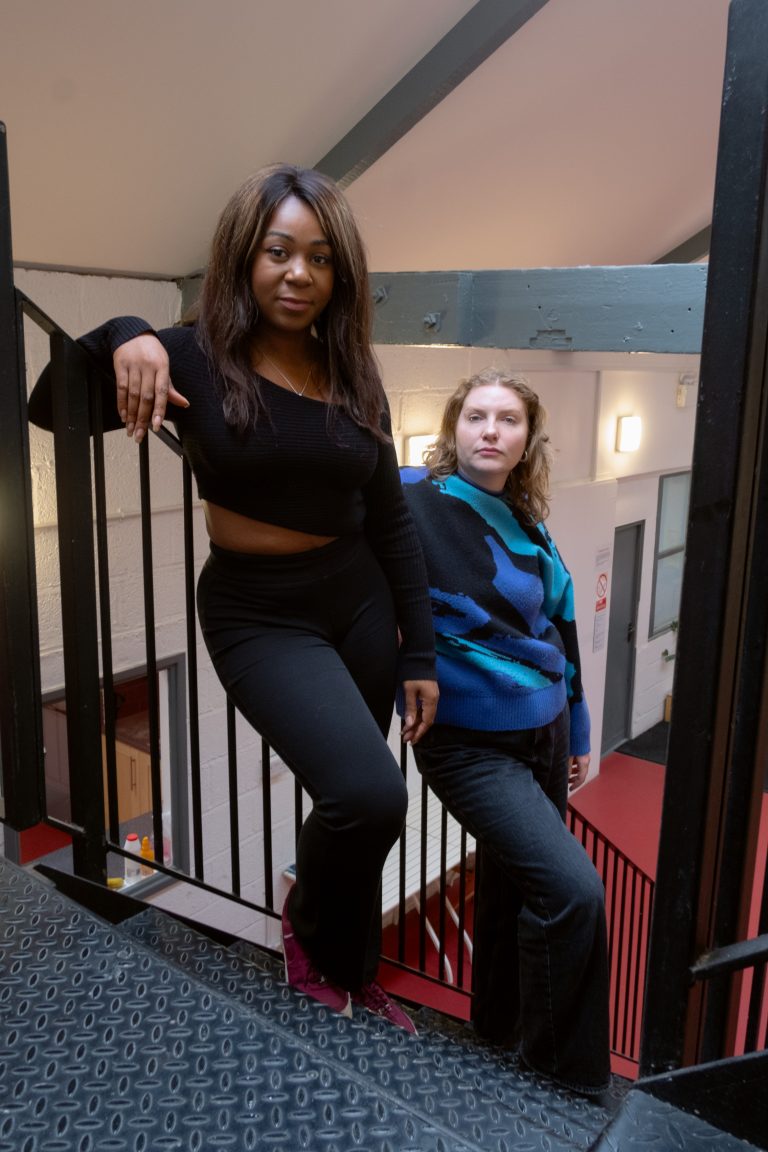
As they reach this milestone, I sit down with Euella and Jess, (my badass former bosses) to explore the power of youth leadership and their hopes for the creative sector ahead.
So, next year is the leadership transition. Is it hard to let go?
Euella: No! We became co-directors knowing we’d step down after five years. It changes your relationship to the organisation — how you lead, how you hold things. We’ve always been thinking about legacy. It feels like the right moment. We’re excited to see who takes on the role next and what they’ll do with it.
How do you reflect on the past five years? What are you proud of?
Jess: Before us, Rising was always a blockbuster project on the go, which was great for reputation and momentum. When we came in, we intentionally focused on governance, policies – securing the organisation’s foundations. It’s not sexy work, but it shows we’re here to stay!
Euella: We led a cultural strategy for a North Devon town, all while Jess was pregnant! We worked on research with King’s College London about power and partnerships. That project won an award and is still referenced as an example of how grassroots organisations can work with bigger institutions. We also launched caring work cultures training.
What kind of issues are you hearing from your members at the moment?
Jess: Housing. Racism. A lot of our members are talking about climate justice.
Euella: Many work precarious hours or zero-hours contracts. They can’t afford to go fully freelance but can’t get a salaried job either. There’s a lot of precarity.
Do you think young people are set up to fail?
Jess: Sometimes. I’m not even sure they’re given the chance to fail. We push back against that. The more you’re allowed to experiment, fail, and challenge the status quo, the better! But the pressure is enormous, like if you’re the first young person, or the first Black person, in a role, the pressure is enormous.
Euella: There’s so much creativity and ingenuity in being young. When you’re given space to fail, real innovation happens — most artists you love started out making things in their bedrooms. Today, opportunities like that are rare; tokenism is more common.
Young leaders bring fearlessness. They question why things are done a certain way, and they’re inquisitive and curious
Euella
Jess: And naming failure. The sector rarely does that. A few years ago, one of our impact reports was actually a failure report, listing what hadn’t worked! Our Transforming Leadership programme centred failure – and celebrated it.
Creativity is at the heart of Rising’s approach right?
Jess: Absolutely. We want a world where anyone can be an artist, feel comfortable in cultural spaces, and speak truth to power. Time and again, we’ve seen that when young people use creativity, they generate new ideas, make information more accessible, and model different ways of working. The key is respecting them as equals — shifting power to them disrupts the status quo.
But getting young people in the room is the first challenge, what about once they get there?
Euella: Exactly, there are “seats at the table” for young people but often the table’s broken! That’s where Rising steps in: we assess the table, make everyone aware of what’s there, and work with young people and partners — sometimes over years — to rebuild it.
Jess: A lot is about vibe checks with partner organisations. Can a young person safely work here? How much support do they need? Sometimes a team member goes with them.
Euella: The opportunities we push for are not entry-level, you don’t need to start at the bottom. Young people can meaningfully influence projects, not just fill token roles.
Jess: There is still exploitation in the sector, an attitude of: “You need this opportunity more than I need you.” But the community has power. If everyone says, “This is my minimum day rate,” no one can undervalue people. We prioritise sharing opportunities rather than gatekeeping, like – if someone moves on from a role, they can pass it on within the community.
Jess: We’ve also introduced something called reparative rest fees, which came from our Resourcing Racial Justice project. If someone’s being asked to take part in work that centres their lived experience — say, a focus group for Black teens in a predominantly white area — we ask partners to pay a rest fee. It acknowledges the emotional labour involved in that kind of work. Often, when we convene groups whose work overlaps with their lived experience, we include that fee as standard.
Euella: We’ve also introduced Access Riders across our team and community. It’s basically a short statement that outlines your access needs, how you prefer to work, and how people can get the best out of you. It levels the playing field and normalises access as part of the conversation — especially for disabled or neurodivergent people.
What do young people bring to leadership roles?
Euella: Young leaders bring fearlessness. They question why things are done a certain way, and they’re inquisitive and curious. There’s an element of play and creativity that allows them to move fast and mobilise around issues they care about.
Jess: There’s almost a lack of respect for traditional ways of doing things. They try new approaches and take risks others won’t, and that’s a huge superpower. It means you can actually do things differently. The reasons for doing things a certain way are often not very good! Young people’s willingness to question that — or just come in and do things differently if they have the agency to do so — is what’s so exciting.
Jess: Young people are agile—they move fast, adapt, and mobilise communities, bringing creativity traditional leadership often doesn’t. Their fearlessness means taking risks others shy away from, asking tough questions, and seeking new ways of doing things.
Euella: They bridge multiple spaces—cultural, social, digital—and solve problems others might not. It’s not just nimbleness; they bring empathy, collaboration, and an understanding of intersectionality, precarity, and diversity, making their leadership highly relevant.
There’s still a lot of value put on age and experience in society. It’s still seen as a risk to take a gamble on a young person.
Jess: Sure — but the greater risk is not listening to young people. Then you end up out of touch, with no audience. You become irrelevant.
Independent. Investigative. Indispensable.
Investigative journalism strengthens democracy – it’s a necessity, not a luxury.
The Cable is Bristol’s independent, investigative newsroom. Owned and steered by more than 2,600 members, we produce award-winning journalism that digs deep into what’s happening in Bristol.
We are on a mission to become sustainable, and to do that we need more members. Will you help us get there?