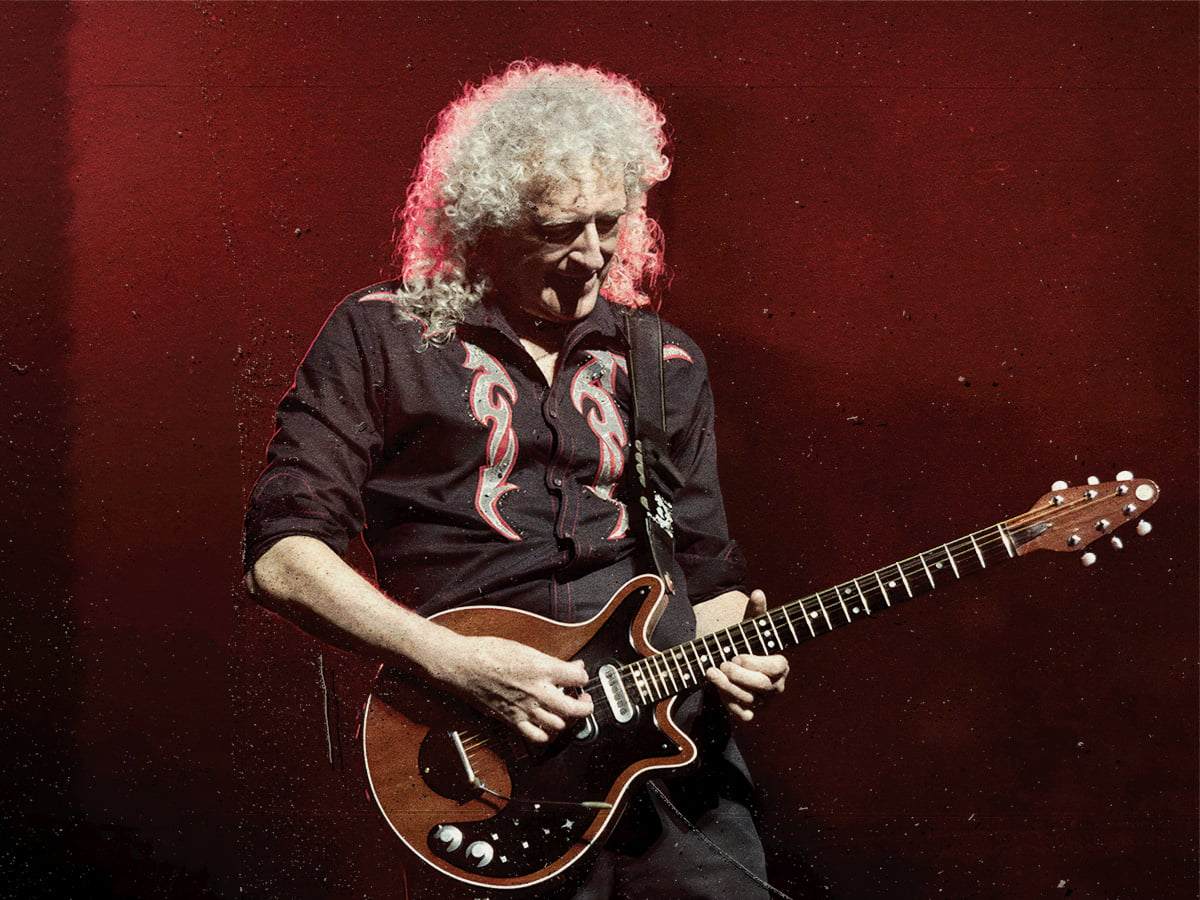
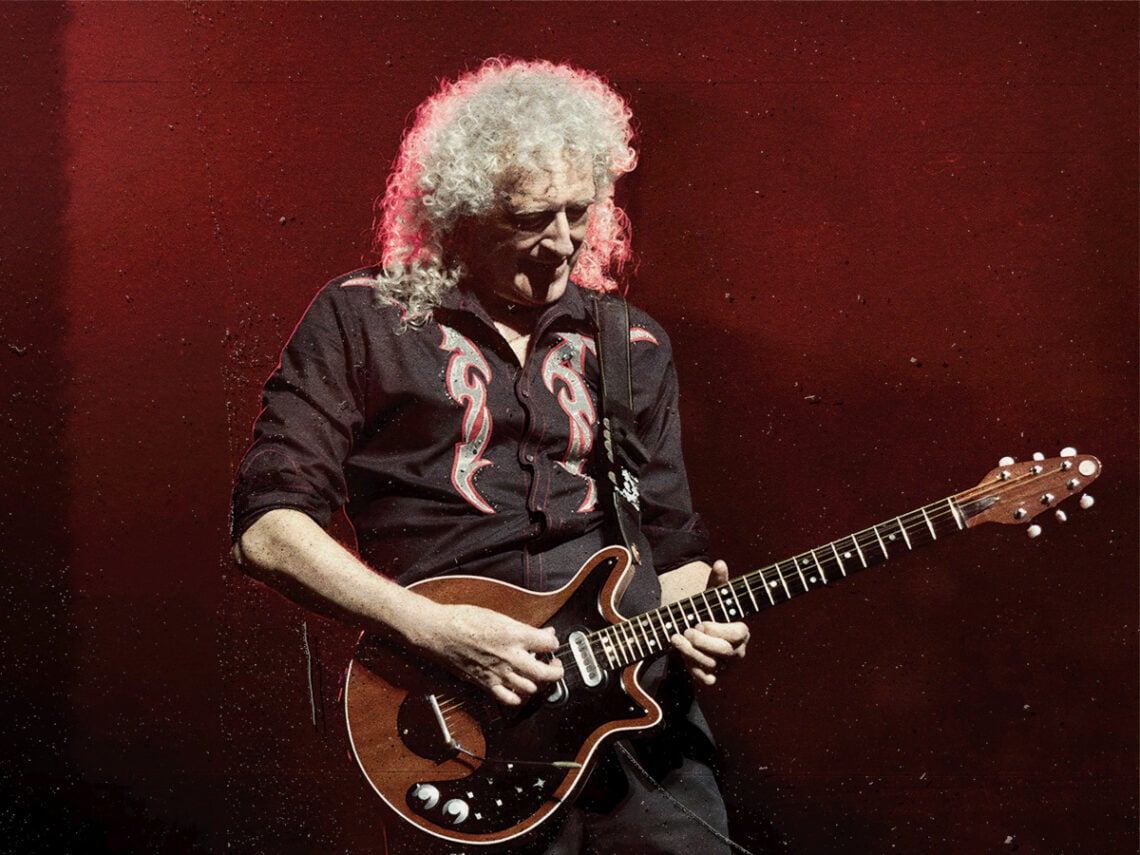
(Credits: Far Out / Raph_PH)
Mon 29 December 2025 8:40, UK
Queen have always existed in cycles of cultural relevance. Few bands of their stature have drifted so fluidly between being canonised, dismissed, rediscovered, and reclaimed. At various points, they have been celebrated as stadium-conquering innovators, written off as bloated relics of excess, and later embraced again by younger audiences discovering their catalogue without the baggage of rock’s internal politics.
That constant reassessment has often hinged less on the music itself than on who was listening. When trends swung toward austerity or irony, Queen’s theatrical bombast fell out of fashion. When sincerity, virtuosity, and emotional spectacle came back into focus, their songs surged once more. It is within those shifting tides that Brian May would later come to credit one musician with making Queen feel vital again, not through reinvention, but through unfiltered admiration.
Following his death, tributes to Taylor Hawkins continued to pour in from across the music world, with artists ranging from Rage Against The Machine’s Tom Morello to Ozzy Osbourne, John Mayer, Sam Fender and Ringo Starr all paying their respects to the Foo Fighters drummer. Among those reflecting on Hawkins’ legacy was Queen guitarist Brian May.
The pair had been friends for many years and collaborated on several occasions, with May frequently speaking about the depth of their bond. “Taylor was very close to [Queen], he’s been in my studio a few times. In my life, I talked to him often,” May told Variety. “We talked about everything, about Dave [Grohl], about what life is like, his joys, frustrations, being in Foo Fighters.”
As it turns out, Hawkins was a lifelong Queen devotee, and it was largely through his enthusiasm that Foo Fighters regularly paid tribute to the band onstage. During one performance at Lollapalooza Argentina, Hawkins stepped out from behind the kit to take lead vocals on a rousing cover of ‘Somebody To Love’, with Grohl switching to drums.
May later expanded on their relationship, explaining how quickly they connected. “We instantly bonded because Taylor and Pat Smear were the most informed Queen fans,” he said. “They knew more about us than we did. We were shocked to find out how much they felt about us.”
Queen were among Hawkins’ earliest musical obsessions, and he first saw them live at the age of ten. That admiration carried through into his own performances, shaping both his sense of showmanship and his understanding of what a rock band could be.
What struck May most was not just Hawkins’ knowledge, but the way he carried that reverence forward. Rather than treating Queen as a museum piece, Hawkins spoke about the band with the excitement of someone discovering them for the first time. His enthusiasm felt contagious, reframing Queen not as legacy artists but as a living, breathing influence still capable of inspiring new generations of musicians and fans alike.
That ability to bridge eras was something Hawkins did effortlessly throughout his career. By openly celebrating his heroes without irony or distance, he helped strip away the idea that classic rock needed to be rehabilitated or modernised. Instead, Hawkins presented it as timeless, passed down through passion rather than nostalgia, making it feel relevant simply by loving it loudly and unapologetically.
Related Topics