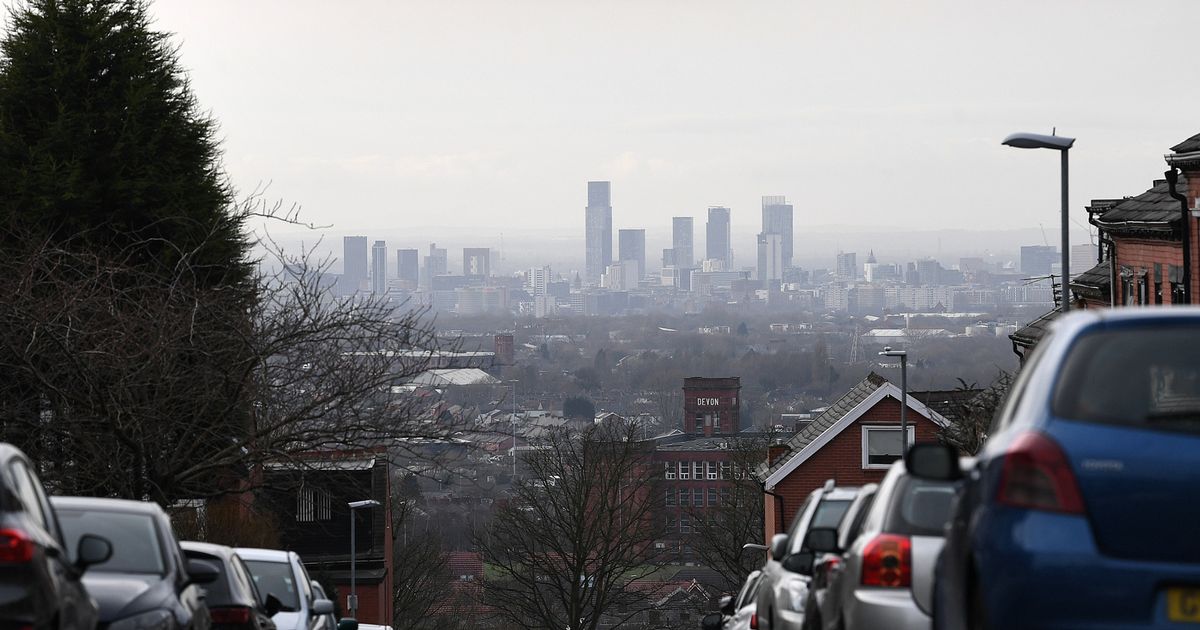
In his new book, Charlie Winstanley, a former political advisor in Greater Manchester, explains where he thinks it all went wrong
07:20, 29 Dec 2025Updated 07:21, 29 Dec 2025
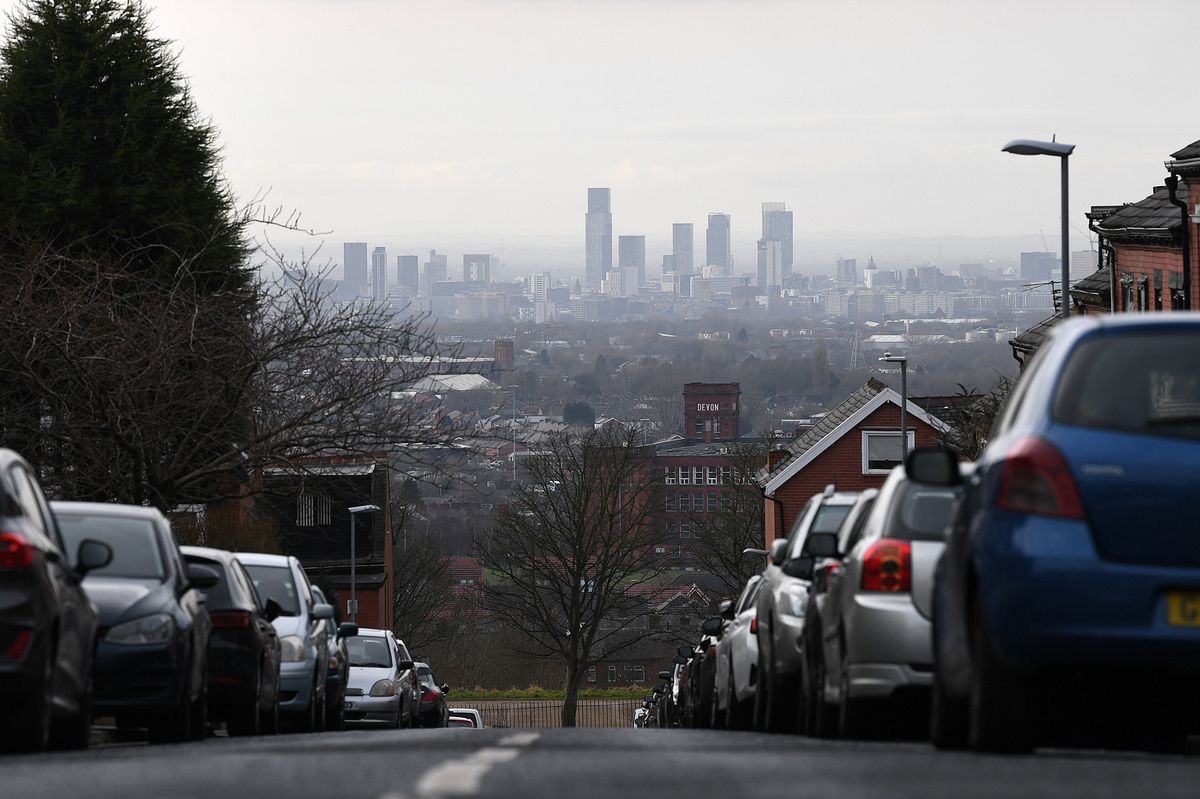 Has Greater Manchester’s growth actually made life worse for some of its residents?(Image: Sean Hansford | Manchester Evening News)
“The only time I’ve been up one of the towers was when I was doing some removals in a penthouse,” Sean McGlynn says of the skyscrapers that now dominate Manchester’s skyline. “I could see Hulme. I could’ve spent the whole day just watching it all. Like God.”
“It’s changed,” Elaine Douglas, 70, from Moss Side says of the area she’s called home for 30 years. “You cannot recognise the place these days. It’s gone upmarket. The buildings are full of rich people.”
“I’m okay with it,” she adds. “I’ve not felt the benefit of it myself, but I’m happy with what’s going on.”
Greater Manchester’s transformation over the last three decades has been extraordinary. In the last 10 years alone, the city-region has achieved an average annual rate of economic growth of 3.1 pc – higher than anywhere else in the country, including the capital.
But despite this remarkable success story, many of the issues that Manchester faces have only got worse. Amid a building boom which has seen luxury flats transform the city centre’s skyline, the housing crisis has seen more people become homeless.
More children in Greater Manchester are now living in poverty compared to a decade ago as deprivation has increased with more of the UK’s lowest earners living here. And while social mobility has marginally improved in Manchester itself, the same cannot be said of all its neighbours, with some Greater Manchester boroughs going in the wrong direction, according to the Social Mobility Commission.
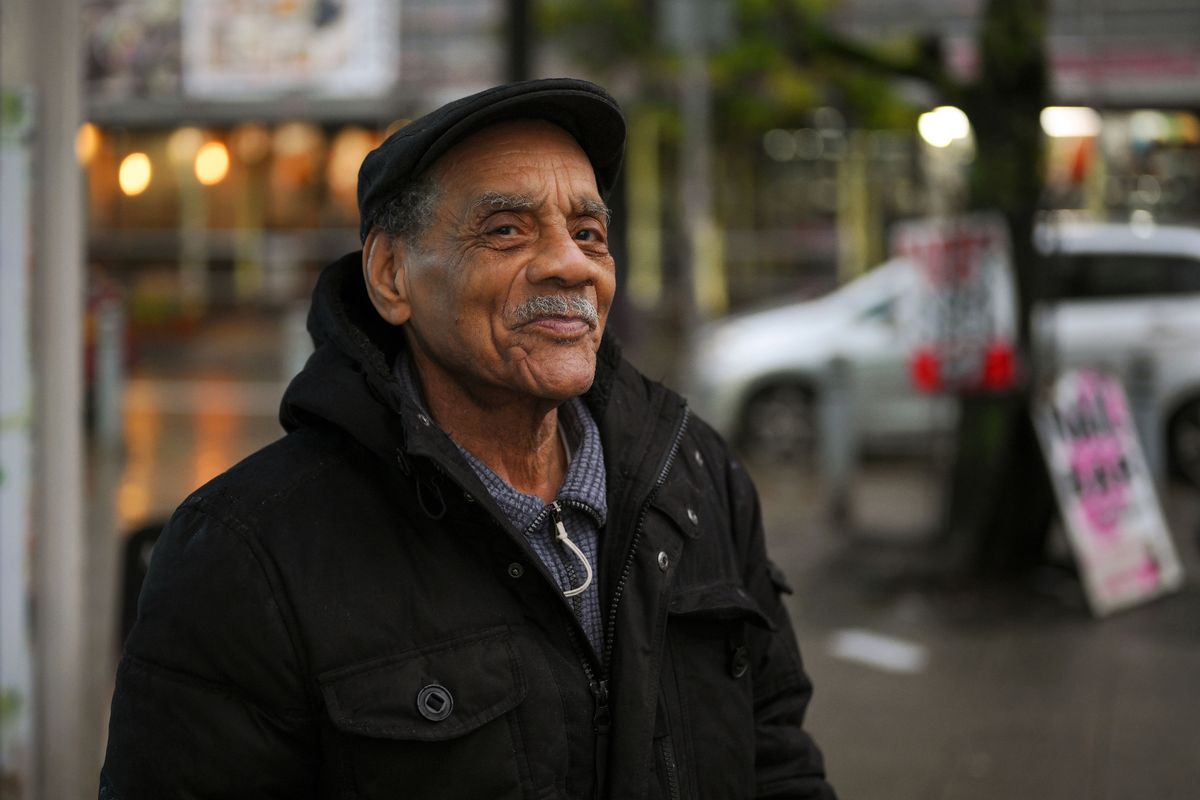 Wallace Patrick, 88, has lived in Hulme for 72 years(Image: Gary Oakley)
Ordinary Mancs say they’re no better off – despite living within sight of the steel-and-glass landmarks. But they’re not all bothered.
“I’ve not really seen the benefit,” Yvette Sulley says. “Everything is expensive now. I’m struggling all the time.”
“Who was going to make me richer?” Wallace Patrick, 88, from Hulme, jokes when asked if he’s benefited from Manchester’s boom.
Last month, Andy Burnham unveiled his attempt to address the imbalance which has seen growth mainly concentrated in Manchester city centre, promising to spread this success across the city-region. The £1bn Good Growth Fund will start by backing 30 projects – three in each borough – using proceeds from more lucrative investments to help fund schemes areas that have been left behind.
The Labour mayor credited the late Manchester council chief executive Sir Howard Bernstein as the inspiration for the initiative. But Mr Burnham admitted that the city’s success, which was kickstarted by the maverick regeneration boss, has not been felt by everyone.
What he would not concede is that this recent economic growth has actually, in some ways, made life worse for many people in Greater Manchester. That’s the argument Charlie Winstanley makes in Bricking It – his new book about the UK’s housing crisis.
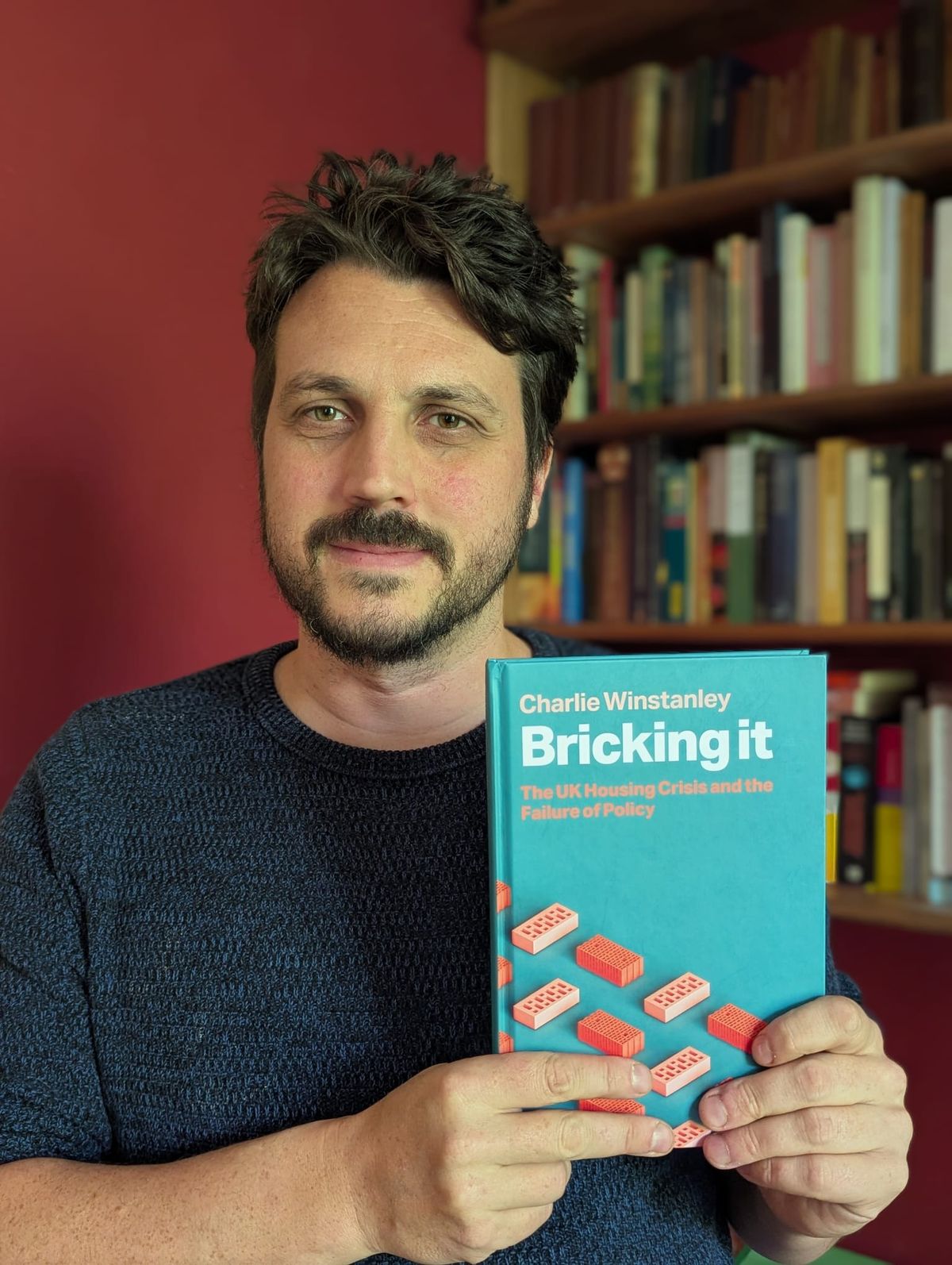 Charlie with his new book(Image: Charlie Winstanley)
The former advisor to Salford mayor Paul Dennett was on the frontline of it all, trying to make Greater Manchester’s leaders face up to the reality of the housing and homelessness crisis. And while he says some things have changed, he believes there’s no turning back.
The problem, he says, started in the 1980s when Manchester was ‘unbelievably run down’. Understandably, local leaders wanted to do something about it – but rather than attempting to reverse the deindustrialisation of the city, they decided to pursue a different path.
“What they were trying to do was rejuvenate the public realm,” Charlie says. “But underlying this as well was this kind of idea of a new economic model for Greater Manchester, moving away from the smelly industry of the past and towards a service economy and in order to do so, making the city centre a more habitable, culturally interesting, effectively gentrified place was a kind of pre-requisite.”
That’s the charitable account of their intentions, Charlie says. However, he believes there was an ideological element to it too.
“The city leaders had fully bought into the neo-liberal revolution and believed in the idea of creating a new kind of Greater Manchester,” he explains. “I think they were quite happy and content for this shift to occur via the import of people from outside.
“In that respect I think you get an attitude towards the existing population of Greater Manchester which to be frank is quite snobby.
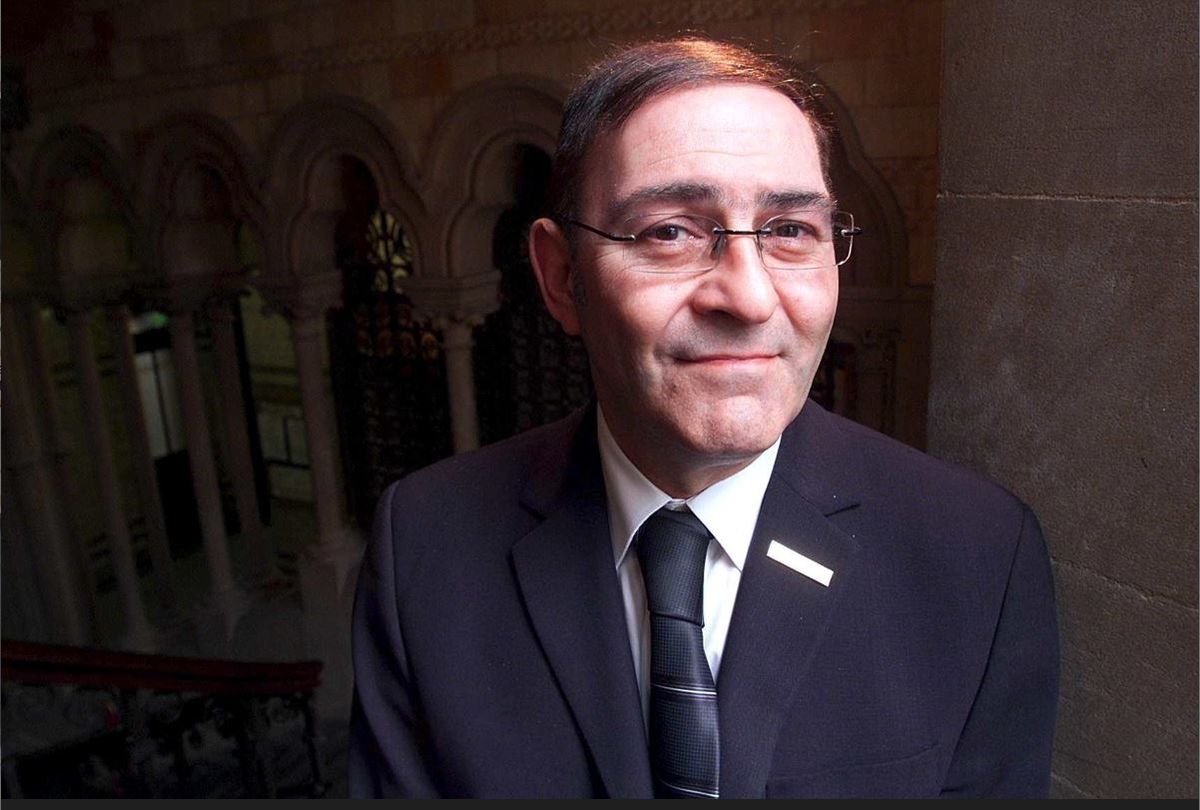 Charlie is critical of the approach taken by former Manchester council chief executive Howard Bernstein(Image: MEN)
“They’re basically too feckless, too poor, too uneducated for the leaders of Greater Manchester. What we need is well-educated people from other places to come and effectively dilute the pool of welfare provision and housing subsidy and other such things.”
There’s no denying that the city’s leaders wanted to ‘import’ people to Manchester where the population had been haemorrhaging for decades. Repopulating the city was explicitly part of their plan – but it is the way in which this was done that Charlie takes issue with.
His main criticism is the pursuit of ‘quite deliberate’ policies designed to create a housing market, raising the value of land to make Manchester more investable. He believes that this market is now ‘overheating’, making housing unaffordable to many Mancunians.
And while there was plenty of social housing available when leaders first embarked on this strategy, he claims they stood in the way of building the affordable homes that are so desperately needed in the city now. Those in charge at the time of course deny this, claiming they wanted to build more affordable housing, but the lack of public subsidy from the government made it impossible.
Defenders of the legacy also reject claims that the city’s existing residents were given short shrift. They point to improvements made to council estates, which were in ‘low to no demand’ at the turn of the century, through investment and tackling anti-social behaviour.
And when it comes to improving the lives of those growing up in the city, there is one statistic they are particularly proud of. In 2001, nearly a third (32.7 pc) of Greater Manchester residents had no formal qualifications – but 20 years later, this figure fell to around 20 pc.
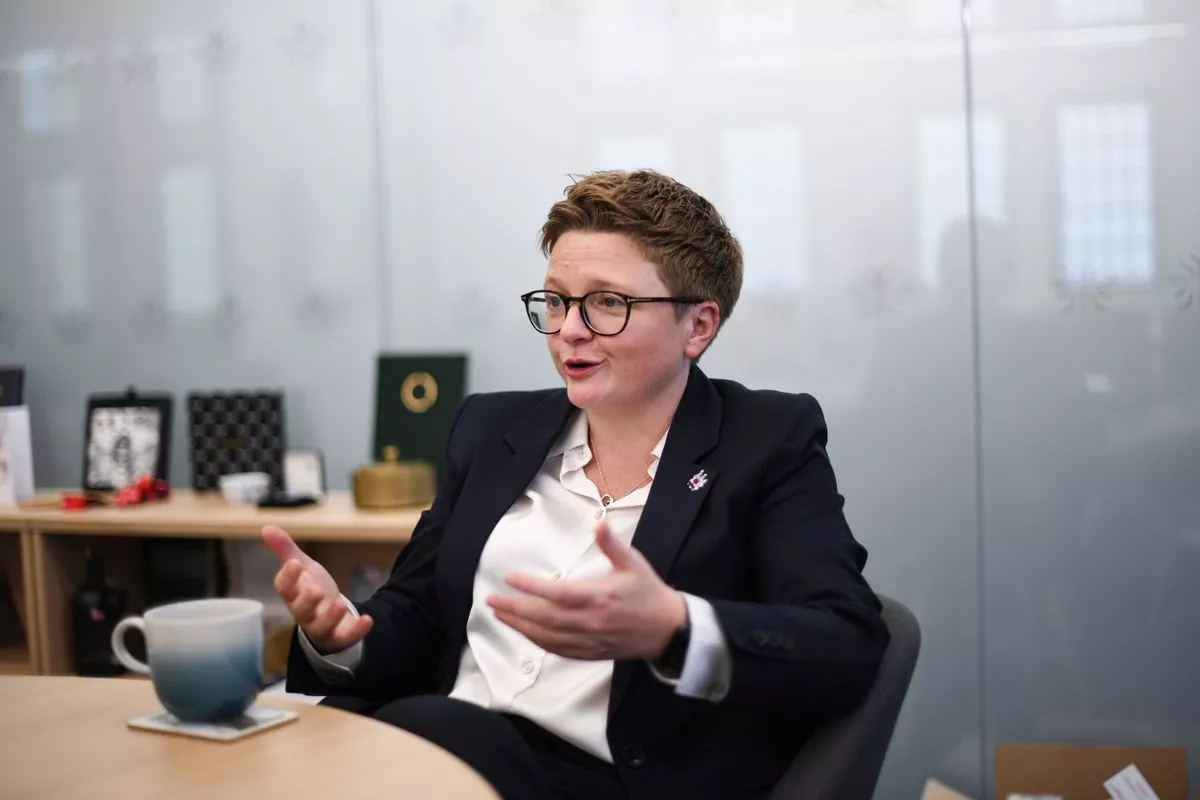 Manchester Council Leader Bev Craig(Image: ABNM Photography)
“It sounds incredibly boring and multi-generational,” Manchester council leader Bev Craig says, “but it’s investing in early years, getting kids school ready, getting them to a primary school of good quality with good quality children’s services, getting their academic attainment to be at or above the national average, getting them to stay in college and then getting them into jobs.
“Where Manchester has the chance of truly being different to just being another European city that attracts just global talent is that we’ve kind of done everything we said we’d do.
“We’ve got over 90 pc of schools that are Good or Outstanding. We’ve got Ofsted that is now Outstanding for the first time in Manchester’s history. We’ve got kids achieving at or above the national average at GCSE for the first time since records began.”
However, not all of the data is positive. The proportion of children living in poverty across Greater Manchester has increased over the last decade with Oldham (9.9 pc), Bolton (8.6 pc) and Manchester (8.7 pc) accounting for the largest rises in the city-region since 2015.
Greater Manchester is now home to more of the most deprived parts of the country. And while more areas in the city-region are now among the highest earning in the UK, most residents have seen their incomes stagnate or decline relative to the rest of the country.
Perhaps the starkest symbol of this divide is in housing. As cranes started to fill the city’s skyline a decade ago, more people were sleeping rough – but according to Charlie, politicians and officials in Greater Manchester were in denial about what was happening.
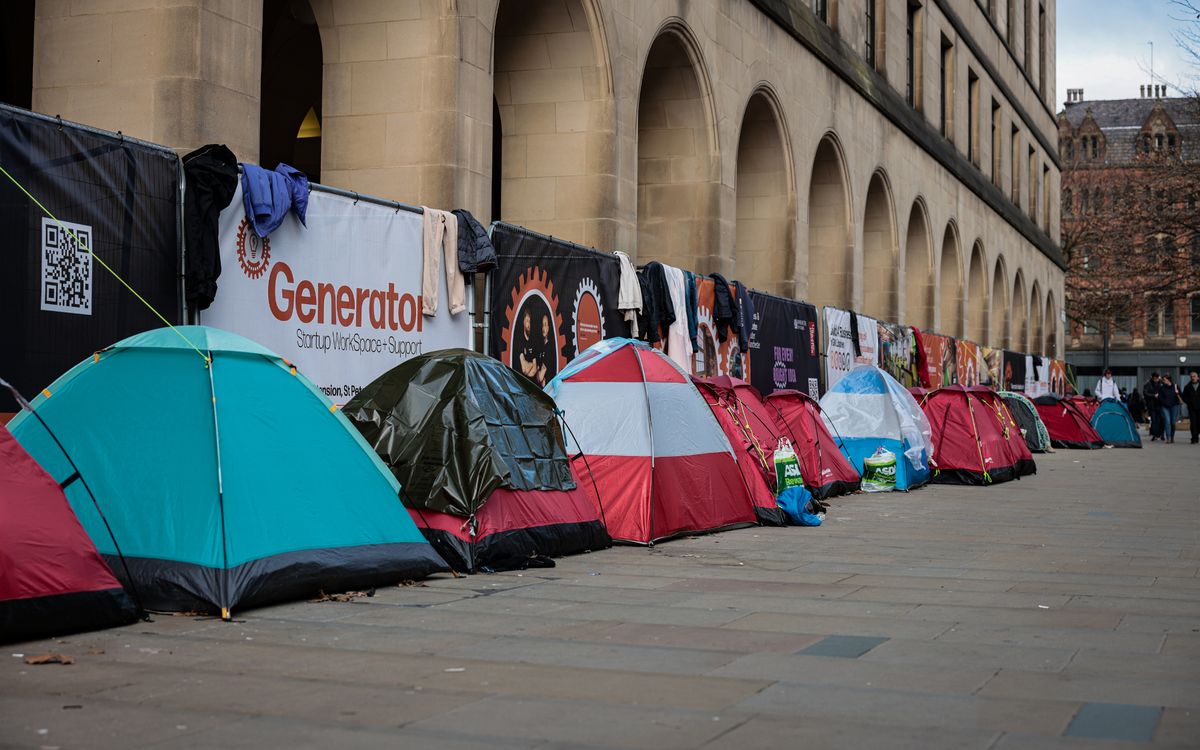 Tents have recently reappeared in the city centre(Image: Kenny Brown | Manchester Evening News)
“We were living in a parallel reality,” Charlie tells the Manchester Evening News. “At the time that Paul was elected, we were literally not engaging with the facts. We were constructing fantabulous arguments to avoid facing up to the realities of what was happening.”
When he was first elected as Greater Manchester mayor in 2017, Mr Burnham promised to end rough sleeping. And while tents, mainly inhabited by recently-arrived homeless refugees, have popped up in the city centre again in recent years, some progress was made.
But while homelessness may have become less visible, the problem has not gone away. Earlier this month, housing charity Shelter revealed that one in every 61 people in Manchester are currently homeless – more than anywhere else in the North West of England.
“Manchester is only second to London in its increasing housing affordability crisis and associated issues such as homelessness and rough sleeping,” Charlie says, attributing the issues primarily to austerity and the impact of welfare reforms under the Conservatives.
What makes Manchester less affordable than other places hit by austerity, he argues, is its approach to economic growth. “Everywhere in the country, housing is less affordable than it used to be,” he says. “But in Manchester it’s even less affordable than in most places.
“It’s the variable element – what was different here as opposed to elsewhere? I think it was the model of growth we chose to adopt.”
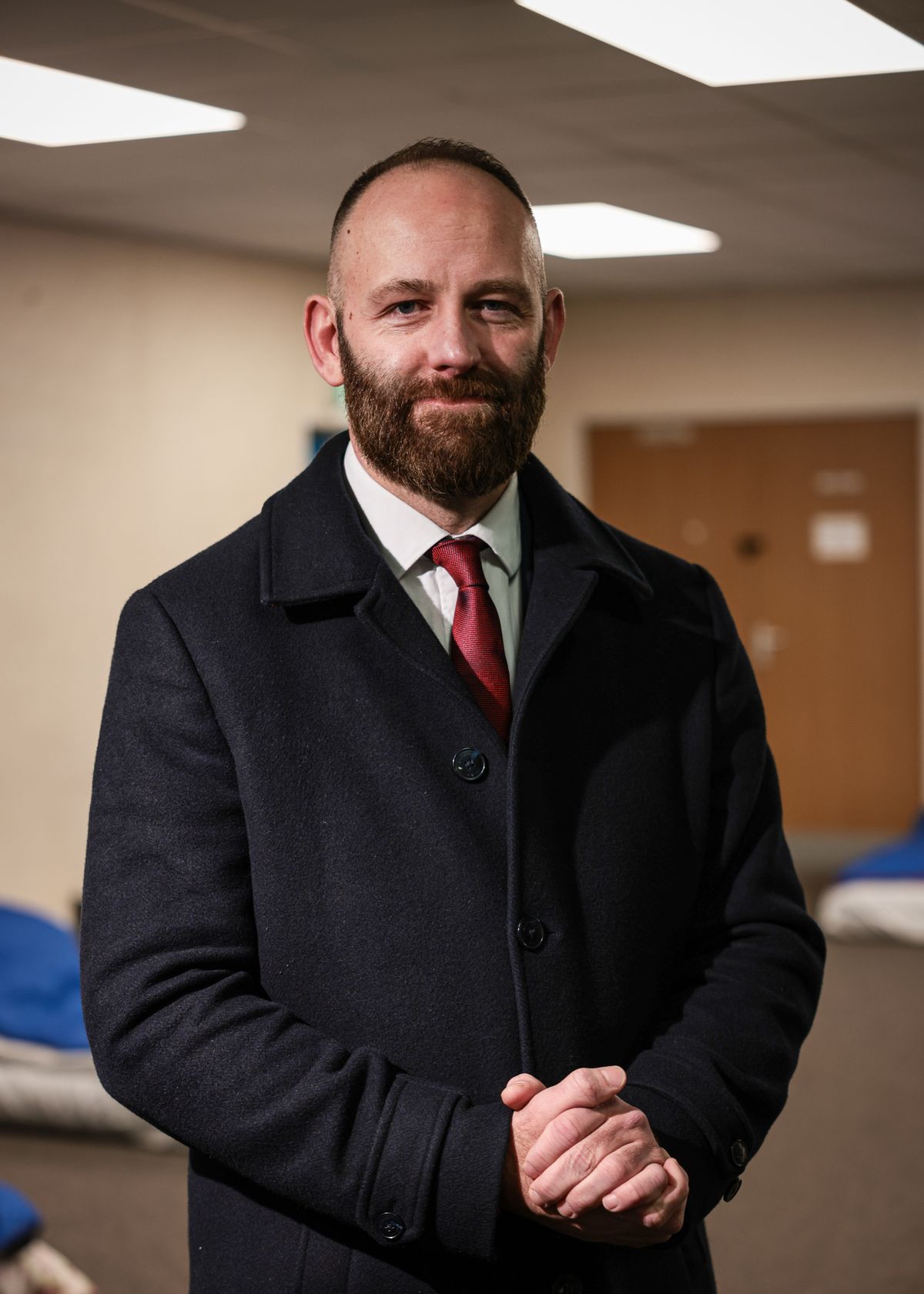 Charlie used to work for Salford mayor Paul Dennett
In his previous job, working for Salford’s ‘sensible socialist’ mayor, Charlie helped set up the council’s own development company with the promise of delivering the largest public housebuilding programme in decades. Even in Salford, they faced internal opposition, he says, while in Greater Manchester circles, talk of building council housing was dismissed as an ‘attack on aspiration’, Charlie claims.
He praises his former boss, who holds the housing and homelessness brief for Greater Manchester, for ‘heroic interventions’ which he says forced leaders to confront the crisis. But while more affordable housing is now being built, it’s far from enough to meet demand.
In his book, Charlie sets out a critique of the UK’s housing policy and how it has contributed to the crisis unfolding nationwide, offering several recommendations for change. But when it comes to Greater Manchester’s approach, he believes it’s too late to turn around.
“Historically, I think we just picked the wrong kind of growth model,” he says. “We picked a growth model which has brought tremendous amounts of money into the city centre.
“But I would argue that the data shows relatively negligible benefits for what you might call the long-standing residents of the city.”
“The juggernaut has already been set,” he adds. “This is already motoring.
“Would it be beneficial to anybody to actually put the brakes on this at this stage? I think that if you don’t, the affordability crisis will get worse, but equally, we’ve invested so heavily in this particular model of growth at the expense of any other.
“There’s not much else going for Greater Manchester’s prospects other than continuing down this path.”
“I think there’s a recognition that there’s a political problem and things are getting unpopular,” he reflects on recent developments since he left his job in Salford. “But I actually think in practical terms they’re doubling down on the same flawed approach.”