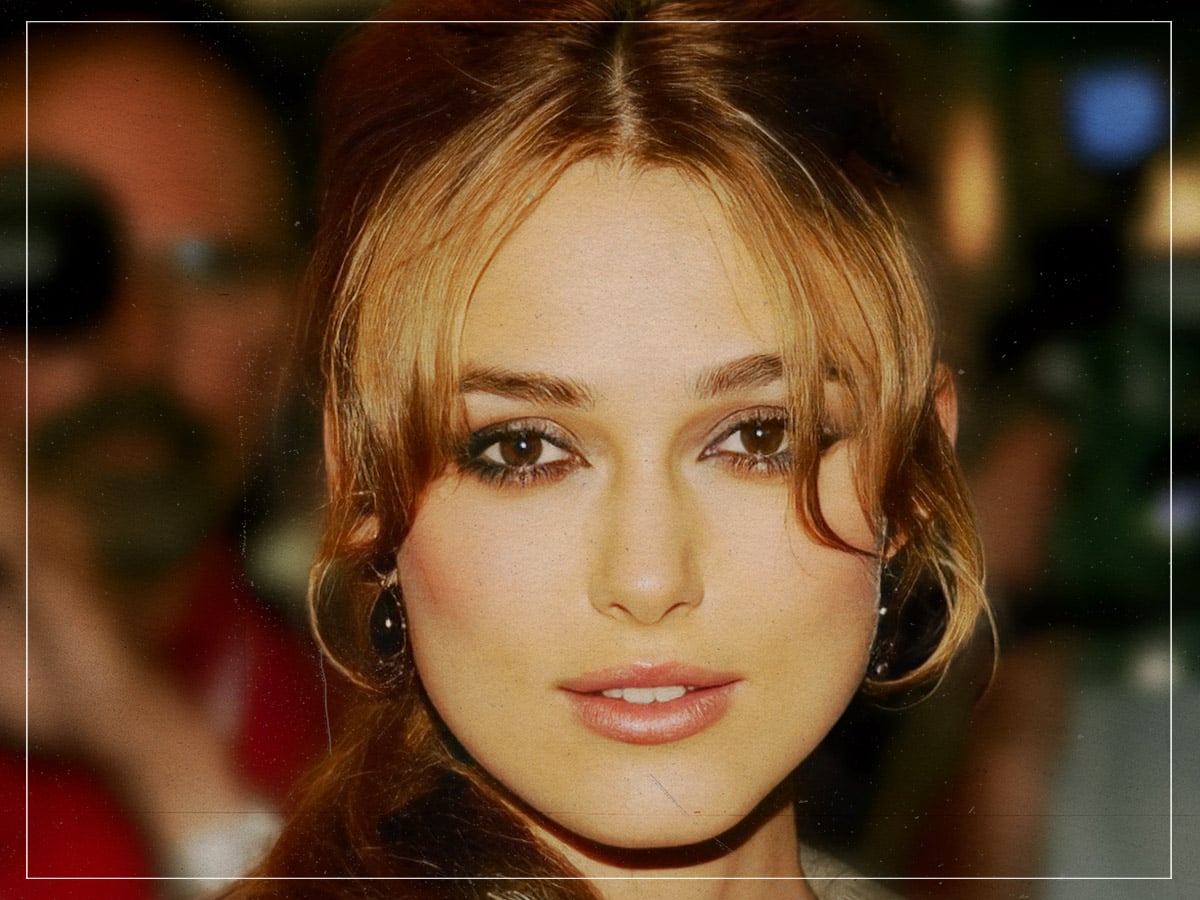
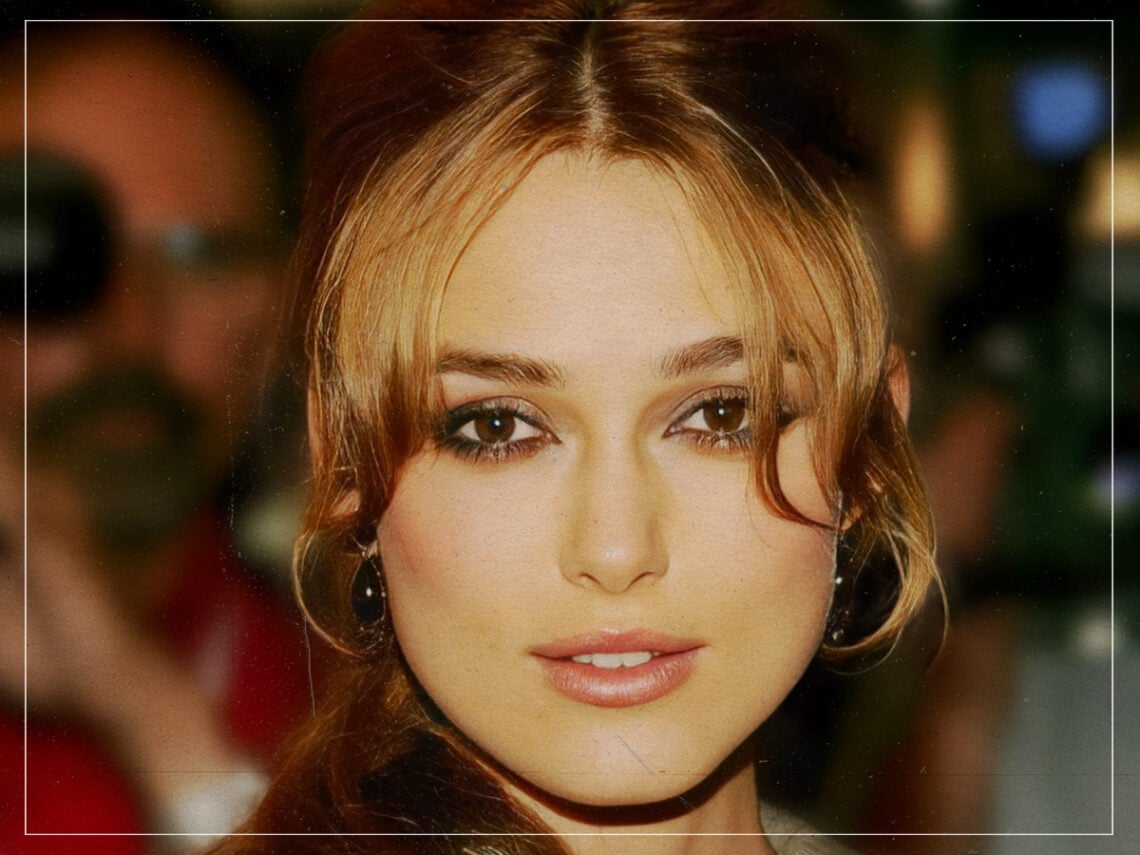
(Credits: Far Out / Tony Shek)
Mon 29 December 2025 9:00, UK
Most people remember the 2005 take on Pride & Prejudice – the one with Keira Knightley as a brilliantly stubborn Elizabeth Bennet, Matthew Macfadyen brooding his way through Mr Darcy, and Donald Sutherland turning in what might just be the worst attempt at an English accent ever. It’s still a go-to for loads of younger millennials, and you’d be forgiven for thinking it was the only time director Joe Wright and Knightley tackled a period novel together. But that’s not quite right.
Seven years after Pride & Prejudice hit screens, Wright and Knightley (Wright-ley?) returned with Anna Karenina. With a script from the late Tom Stoppard – based on Leo Tolstoy’s classic novel – the movie sees Knightley’s title character embark on a dangerous affair with a noble soldier (Jude Law) against the backdrop of the Russian Empire.
As was the case with Elizabeth, the chance to play Anna was a major string to Knightley’s bow. Previously, the part had been taken by such luminaries as Claire Bloom, Greta Garbo, and one of Knightley’s favourites, Vivian Leigh. As exciting as this prospect seemed on paper, however, she came across a few issues when getting under the character’s skin.
“She’s a wonderful character, but very strange and complex,” she revealed. “There were times when I thought, I really hate this person. She is needy and manipulative and then there are sides of her that are vulnerable and innocent, and I sometimes think it’s the innocence that pulls her down… You completely see where she’s coming from, but you want to choke her at the same time because at no point can she see what is right in front of her.”
Literary analysts might agree with Knightley’s opinion that Anna doesn’t help herself. Much like Elizabeth, she is a woman determined not to be confined by the standards of her time. She is already married when she meets her suitor, but firmly believes that this should stop her from pursuing a genuine romance. Even after her fall from grace, she dares to return to high society, even though her former friends now view her as a ‘spoiled woman’. This attitude might strike a modern audience as brave, but within the confines of Russian society at that moment, it is ultimately her undoing.
As anyone who remembers their English lessons at school will know, a character can be about so much more than an individual. Anna also represents Russia as a whole, which was undergoing a massive social revolution when Tolstoy was writing.
A complicated female protagonist who stands on her own values is a perfect metaphor for a rapidly modernising nation. Equally, her unfortunate fate could also represent more conservative fears about where the nation was heading.
Unfortunately, it seems as if Anna was too complicated a character to entice a crowd. The 2012 film version was a bit of a flop, especially considering the names involved. Critics weren’t particularly thrilled with it either, with the general consensus being that Wright’s overly stylised approach detracted from the plot. Reviewers were kinder to Knightley’s performance, though.
Clearly, all that soul-searching paid off.
Related Topics