Across the year, the Island’s wildlife saw both wins and losses, according to the nature conservation charity.
Whlile last summer was a ‘dead zone’ for wild bees because of the previous long wet winter, there has been a change this year.
Paul Davies, countryside manager for the Isle of Wight, said: “We saw numbers of the rare potter flower bee on Culver Down, attracted by its food source plant, ground ivy, which has been more plentiful this year because of our conservation work which included targeted sheep grazing.
“And although we weren’t even surveying for the cliff furrow bee we saw it at multiple sites this summer, including Bembridge, Compton, Brook and St Catherine’s.
“It feeds on birdsfoot trefoil which was doing well in the early part of the summer.
“Anyone growing fruit and veg would have seen the difference that having plenty of bees makes.
“Last summer, my own runner bean plants failed to produce anything because there were no bees to pollinate them, but this summer I got a good crop.
“The health of our pollinating wildlife has a direct impact on us.”
It was a mixed bag for butterflies, however.
Though long-term all butterfly species are in decline, the Adonis butterfly, which has its UK stronghold here on the Island, mainly at Compton and Mottistone Downs, was ‘well above’ its five year average.
Paul said: “Their food plant, the horseshoe vetch, did well in the warm spring and helped to produce lots of adult Adonis in August and September.
“Like most plants though, this vetch would have suffered in the drought later on, which may impact on butterfly numbers next year.
“It was not good news for the dark green fritillary butterfly.
“It feeds on the hairy violet, which is very sensitive to drought.
“On Mottistone Down we didn’t record a single dark green fritillary this year, which is a real anomaly.”
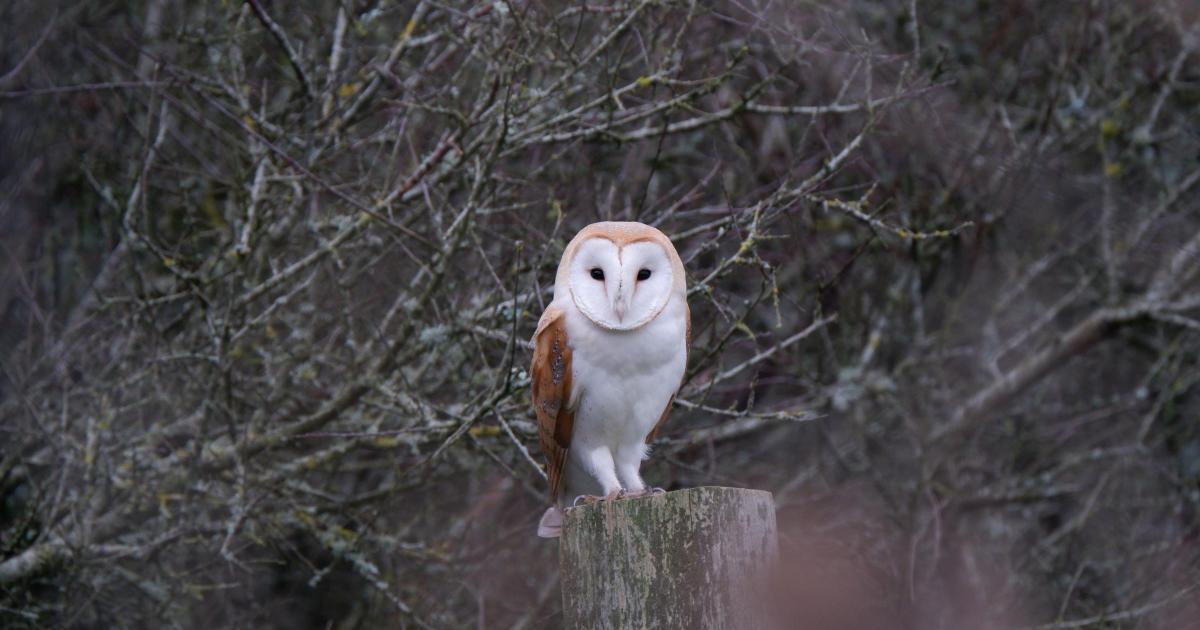
For breeding raptors, especially barn owls and kestrels, it has been a ‘very bad year’.
Ian Ridett, area ranger for the Isle of Wight, said: “This is partly because of the cyclical nature of vole populations – high last year, resulting in more rapture chicks surviving, which in turn would have reduced vole numbers this year.
“But undoubtedly the drought also restricted grass shoot growth, which is a key component of the vole’s diet.
“Barn owl and kestrel nests that we know have been successful for years failed to produce a brood.”