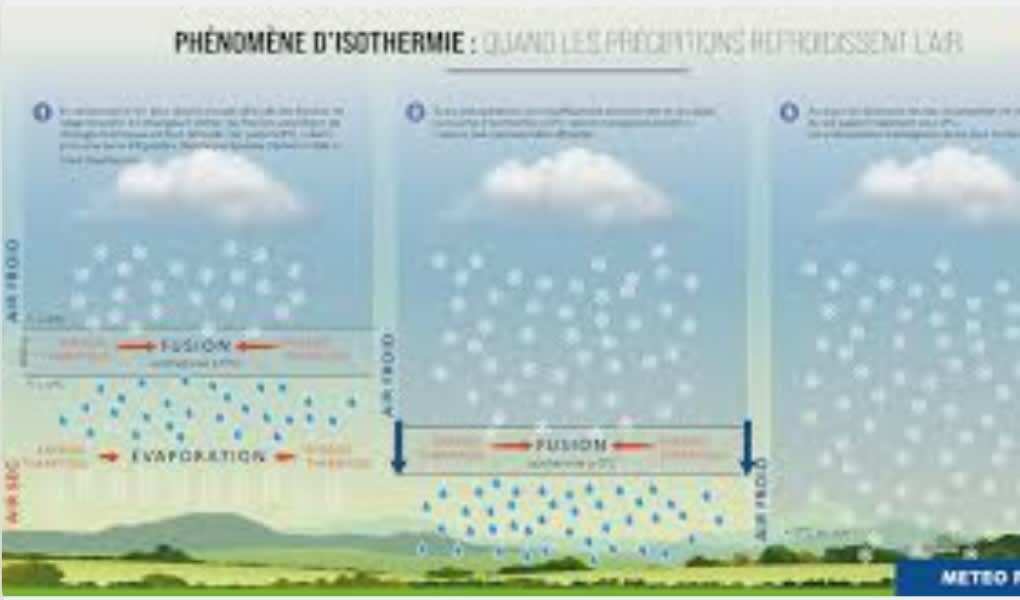
Every winter, snow becomes one of the most closely watched weather events in France. From the peaks of the Alps and Pyrenees to unexpected snowfalls in northern and central regions, météo neige has the power to disrupt routines, reshape landscapes, and spark both excitement and concern. Snow in France is more than a seasonal occurrence—it is a national event that affects transport, economy, and public safety.
Where Snow Falls Most in France
France’s geography makes it particularly sensitive to snow conditions. Mountain regions such as the Alps, Pyrenees, Jura, and Massif Central experience regular and heavy snowfall during winter months. These areas depend on snow for tourism, especially ski resorts that drive local economies.
However, snow is not limited to mountainous zones. Northern France, eastern regions, and even parts of central France can experience sudden snow events when cold air masses move south. Coastal regions and the south generally see less snow, but rare events can cause widespread disruption due to lack of preparation.
How Snow Affects Daily Life
When snow arrives, daily life in France can slow down dramatically. Roads become hazardous, schools may close, and public transport schedules are often disrupted. Even moderate snowfall can lead to traffic jams and delays, particularly in urban areas not accustomed to frequent snow.
For many people, snow brings a mix of inconvenience and wonder. While commuters struggle with icy roads, children and families enjoy transformed landscapes. This contrast highlights snow’s dual role—both disruptive and enchanting.
Transport and Infrastructure Challenges
Snow poses a serious challenge to France’s transport network. Highways, railways, and airports must quickly adapt to ensure safety. Snowplows, salt trucks, and emergency services are deployed to keep major routes open, especially in regions prone to heavy snowfall.
Despite preparation, extreme weather events can overwhelm systems. Delays in high-speed trains, canceled flights, and road closures are common during severe snow alerts. These disruptions underline how closely modern mobility depends on weather stability.
Snow Alerts and Weather Warnings
French meteorological services issue snow and ice alerts to warn the public of potential danger. These warnings help authorities and citizens prepare for hazardous conditions such as black ice, reduced visibility, and extreme cold.
Color-coded alert systems inform people about the severity of weather risks, encouraging caution and preparedness. In recent years, awareness campaigns have emphasized the importance of respecting these alerts to reduce accidents and injuries.
Climate Change and Changing Snow Patterns
Snowfall in France is also becoming a topic of climate discussion. While some winters bring intense snowstorms, long-term trends show changes in snow frequency and duration, particularly at lower altitudes. Ski resorts increasingly rely on artificial snow as natural snowfall becomes less predictable.
This variability raises questions about the future of winter tourism and water resources. Snow acts as a natural reservoir, slowly releasing water into rivers during spring. Changes in snowfall patterns can therefore impact agriculture, ecosystems, and energy production.
Economic Impact of Snow Weather
Snow has a significant economic impact in France. For mountain regions, snow is essential to tourism revenue. A good snow season can sustain local businesses, while a lack of snow can result in financial losses.
On the other hand, heavy snowfall in urban and agricultural areas can increase costs related to road maintenance, emergency response, and infrastructure repair. Businesses may experience slowdowns due to transport difficulties and reduced mobility.
Public Safety and Preparedness
Authorities emphasize preparation during snow events. Drivers are encouraged to use winter tires or carry snow chains in mountainous areas. Households are advised to stock essentials and limit travel during severe weather alerts.
Public safety campaigns highlight simple but effective measures—driving slowly, checking weather forecasts, and respecting closures. These actions can significantly reduce accidents during snow conditions.
Snow as a Cultural Experience
Beyond its practical impact, snow holds cultural significance in France. Snow-covered villages, Christmas markets, and alpine chalets are deeply embedded in winter imagery. For many, snowfall represents tradition, celebration, and seasonal beauty.
Photographs of snow-covered landmarks often circulate widely, reminding people of nature’s ability to transform familiar places into something extraordinary.
Looking Ahead
As France continues to face climate uncertainty, snow weather will remain unpredictable. Preparing infrastructure, adapting tourism models, and raising public awareness are key to managing future snow events effectively.
Snow will continue to fall—but how France responds to it will define whether it remains a source of disruption or resilience.
Conclusion
Météo neige in France is more than a weather forecast—it is a reflection of geography, climate, and daily life. From mountain peaks to city streets, snow shapes experiences, challenges systems, and captures imaginations.
Whether admired from a window or navigated with caution on icy roads, snowfall remains one of winter’s most powerful forces, reminding France each year of nature’s enduring influence.