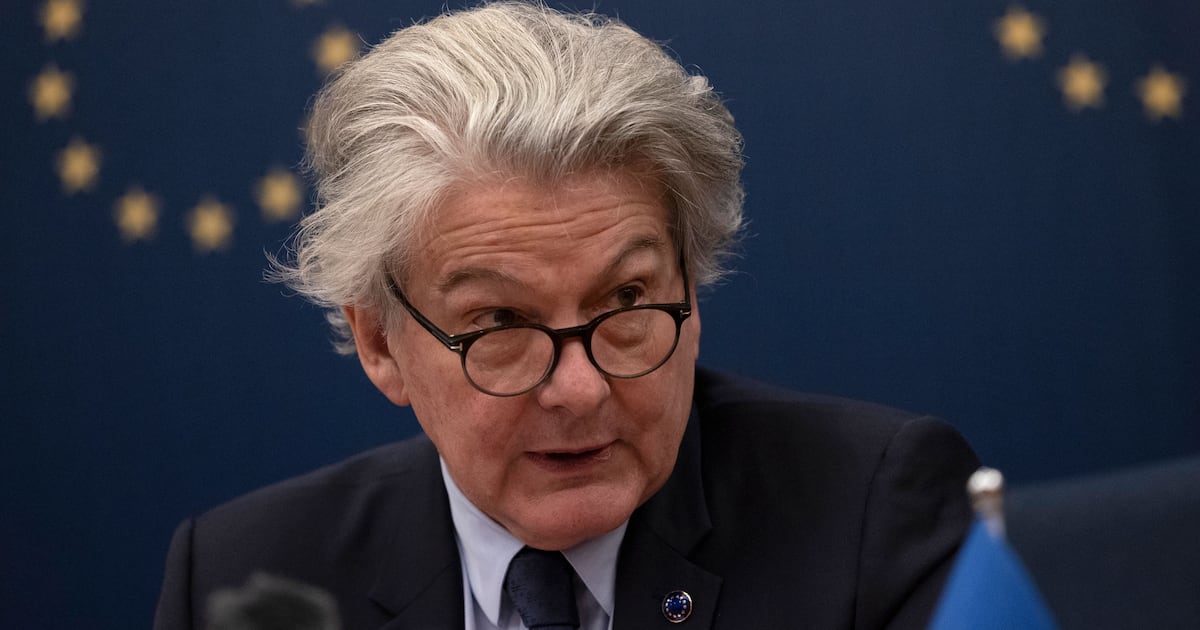
There are signs of trouble ahead between the US and the EU on the issue of regulation of big tech. Just before Christmas, the Trump administration announced that it had barred former EU commissioner Thierry Breton and four other people involved in online safety monitoring from entering the US.
US secretary of state Marco Rubio, writing – appropriately – on X said that Europe was seeking “to coerce American platforms to punish American viewpoints they oppose.” Figures from the “censorship-industrial complex” would be barred from entering the US, he said, and the administration stood ready to expand the list “if others do not reverse course.”
Breton was singled out because, as EU commissioner between 2019 and 2024, he introduced the Digital Services Act, which obliges big digital media firms to police their content. The US is also targeting the Digital Markets Act which aims to curb monopolistic practices. The other four people banned were from campaign groups who seek to highlight inappropriate content and hate speech online.
There is more than a little irony in an administration which cracks down on dissenting voices at home taking this kind of action. It is being driven in large part by the big US digital tech companies but also a US desire to allow platforms to promote Trump’s far-right agenda in Europe.
Ireland, as the European home of many US digital tech firms, will be at the centre of this developing row. Some of these firms are already lobbying the Government and it is quite possible that Irish regulators could be targeted.
The damage that can be done by online content and the monopolistic practices of some of the companies mean it is vital that the EU continues to regulate what goes on in its own market. The European Commission has promised a firm response, but what this will amount to is unclear. It cannot back down on fundamental principles –and particularly the need to control what appears online– in the interests of citizens and of democracy.