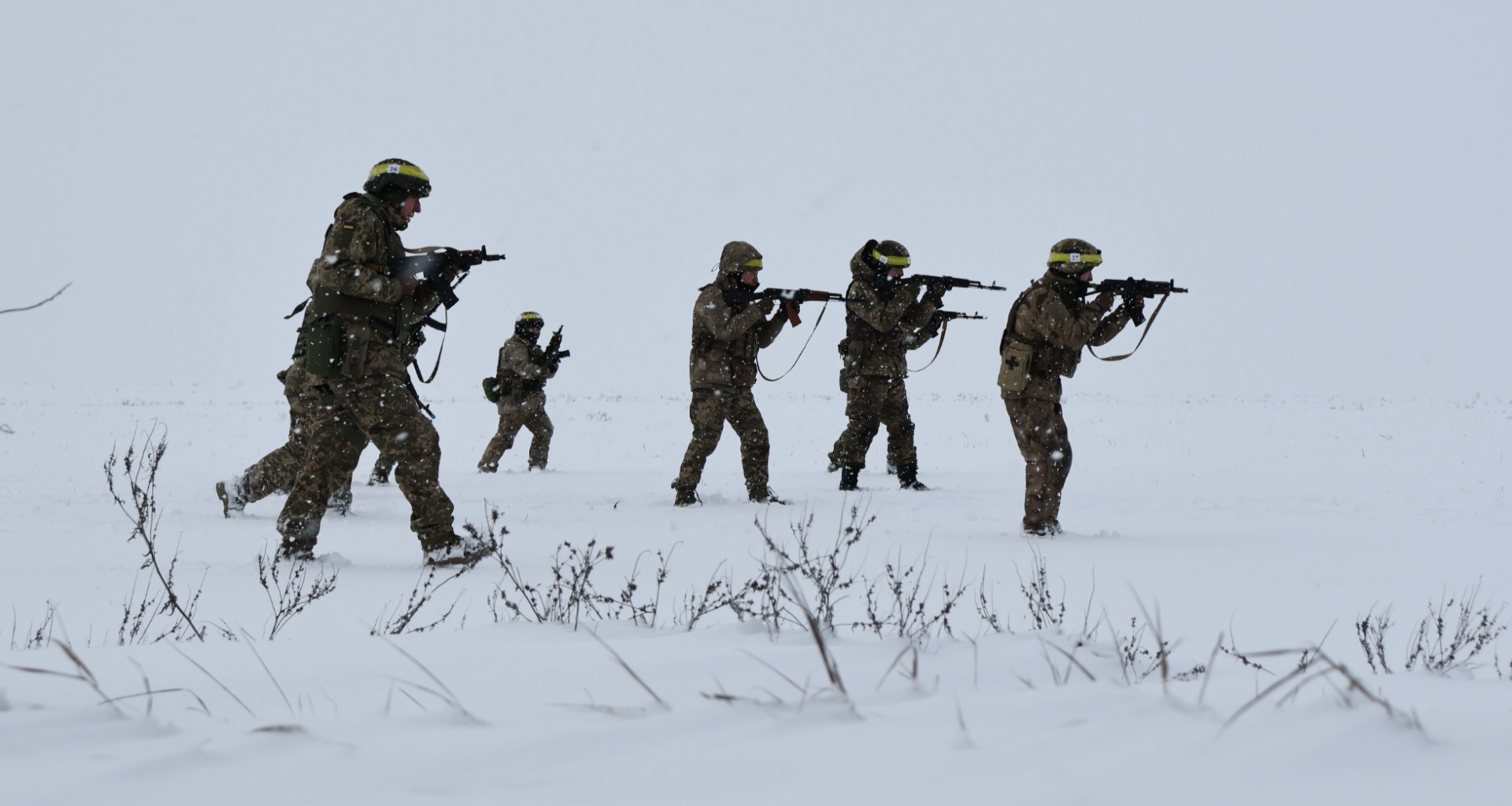
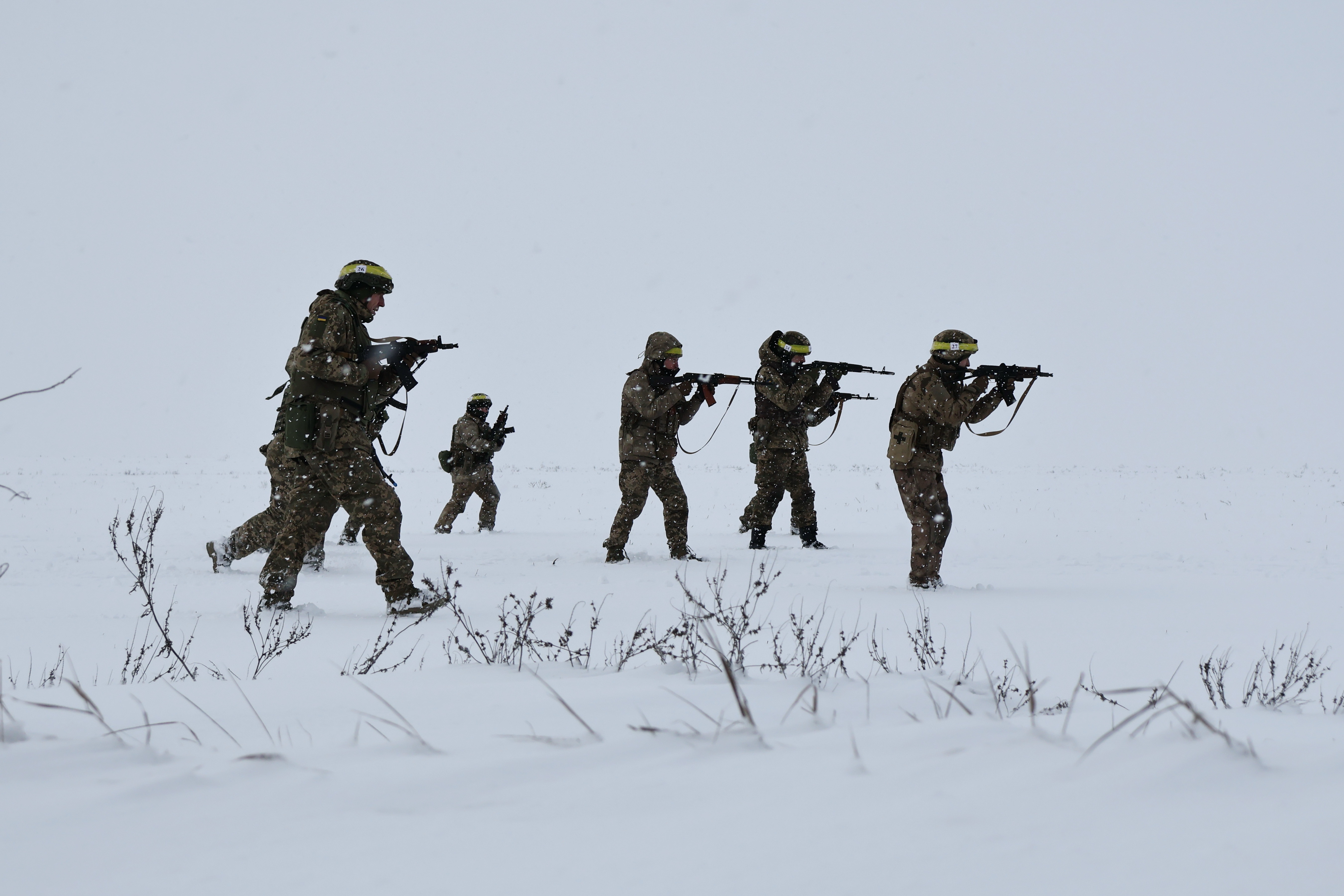
 In this photo provided by Ukraine’s 65th Mechanized Brigade press service, recruits attend drills at a training ground in the Zaporizhzhia region, Ukraine, Dec 29, 2025. (PHOTO VIA AP)
MOSCOW/KYIV/WASHINGTON – Russian Foreign Minister Sergei Lavrov said Monday that Kyiv launched an overnight drone attack targeting the presidential residence in Russia’s northwestern region of Novgorod.
“On the night of December 28-29, the Kyiv regime launched a terrorist attack using 91 long-range strike drones on the state residence of the President of the Russian Federation,” Lavrov said.
He added that all incoming drones were shot down by air defense systems of the Russian Armed Forces, and no reports of casualties or damage caused by drone debris were received.
Lavrov emphasized that the attack was carried out amid intensive Russia-US negotiations aimed at resolving the Ukraine crisis.
He warned that such reckless actions would not go unanswered, confirming that the Russian Armed Forces had already identified the targets for retaliatory strikes and set the timing for their execution.
Lavrov also noted that Moscow had no intention of withdrawing from the negotiation process with the United States.
Ukrainian President Volodymyr Zelensky on Monday denied the accusation of the attack, calling it “another lie from the Russian Federation.”
He said such claims are intended to justify Russian attacks on Ukraine, including strikes on the capital, as well as Russia’s own refusal to take necessary steps to end the crisis.
“They’re simply preparing the ground to carry out strikes, probably on the capital and probably on government buildings,” he said.
“This alleged ‘residence strike’ story is a complete fabrication,” Zelensky said.
He stressed that Ukraine does not take steps that can undermine diplomatic efforts, but Russia “always takes such steps.”
Putin, Trump hold phone call
Russian President Vladimir Putin held a phone call with US President Donald Trump on the progress in the latest US-Ukraine negotiations, Russian Presidential Aide Yuri Ushakov said Monday.
“President Trump and his key advisors participating in the call provided a detailed, comprehensive briefing on the main outcomes of the previous day’s negotiations with the Ukrainian delegation held at Mar-a-Lago,” Ushakov told the press.
Trump also informed Putin that he had advised Zelensky against seeking a military respite for Ukraine, urging instead a focus on reaching comprehensive and binding agreements, Ushakov said.
Putin emphasized that the Russian side intends to continue engaging in close and productive cooperation with its US partners to explore pathways toward achieving peace, Ushakov said.
Ushakov also revealed that Trump was shocked and outraged by the news of Kyiv’s overnight drone attack on the Russian presidential residence in Novgorod, saying that the US president “could never have imagined such reckless actions on the part of Ukraine.”
In 2025, Putin held 17 contacts with US representatives, including 10 phone calls with Trump, according to Ushakov.
The White House also confirmed the phone call between Trump and Putin on Monday morning, the second conversation between the two presidents in the past two days.
“President Trump has concluded a positive call with President Putin concerning Ukraine,” White House Press Secretary Karoline Leavitt wrote on X, without providing further details.
ALSO READ: Trump, Zelensky confer on Ukraine peace deal, breakthrough eludes
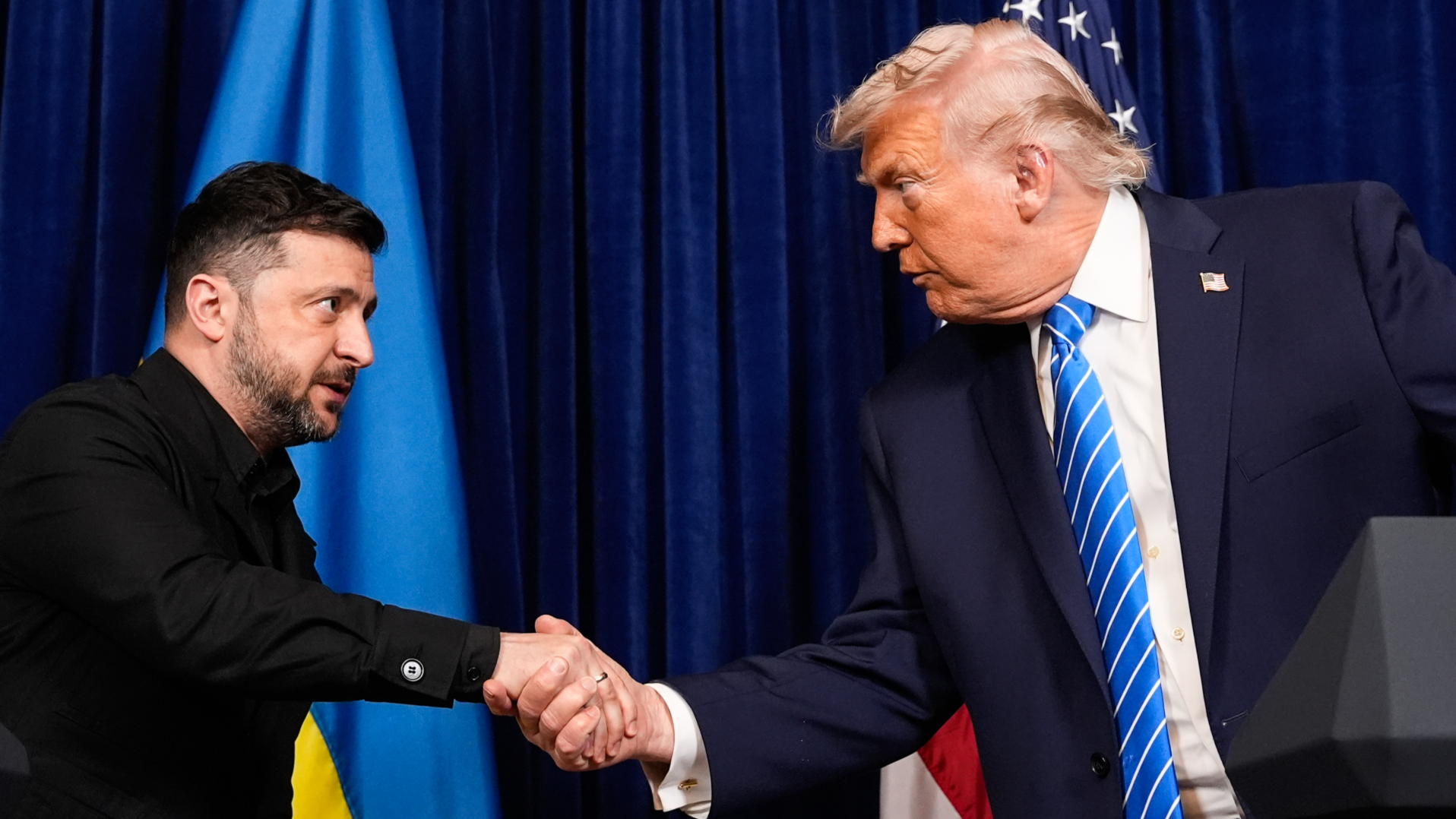 US President Donald Trump and Ukraine’s President Volodymyr Zelensky shake hands at the start of a joint news conference following a meeting at Trump’s Mar-a-Lago club, Dec 28, 2025, in Palm Beach, Fla. (PHOTO / AP)
US security guarantees
Zelensky said the US security guarantees for Ukraine have been fully agreed, the Interfax-Ukraine news agency reported on Monday.
Speaking with reporters after he met with Trump, Zelensky said a 20-point peace plan, part of the proposed peace deal, is 90 percent agreed upon, and the trilateral security guarantees involving the United States, Europe and Ukraine are “almost agreed.”
Zelensky said the Ukrainian and US teams will meet in January to finalize the issues discussed during his meeting with Trump.
He confirmed that a draft peace framework to end the war with Russia includes 15-year US security guarantees for Ukraine, with the possibility of extension.
Zelensky said that Ukraine will cancel martial law only after receiving security commitments from partners.
The presence of international troops in Ukraine is a necessary condition for security guarantees, he noted, stressing that the presence of international troops would be a crucial part of these guarantees and that ratification by partner nation parliaments is expected.
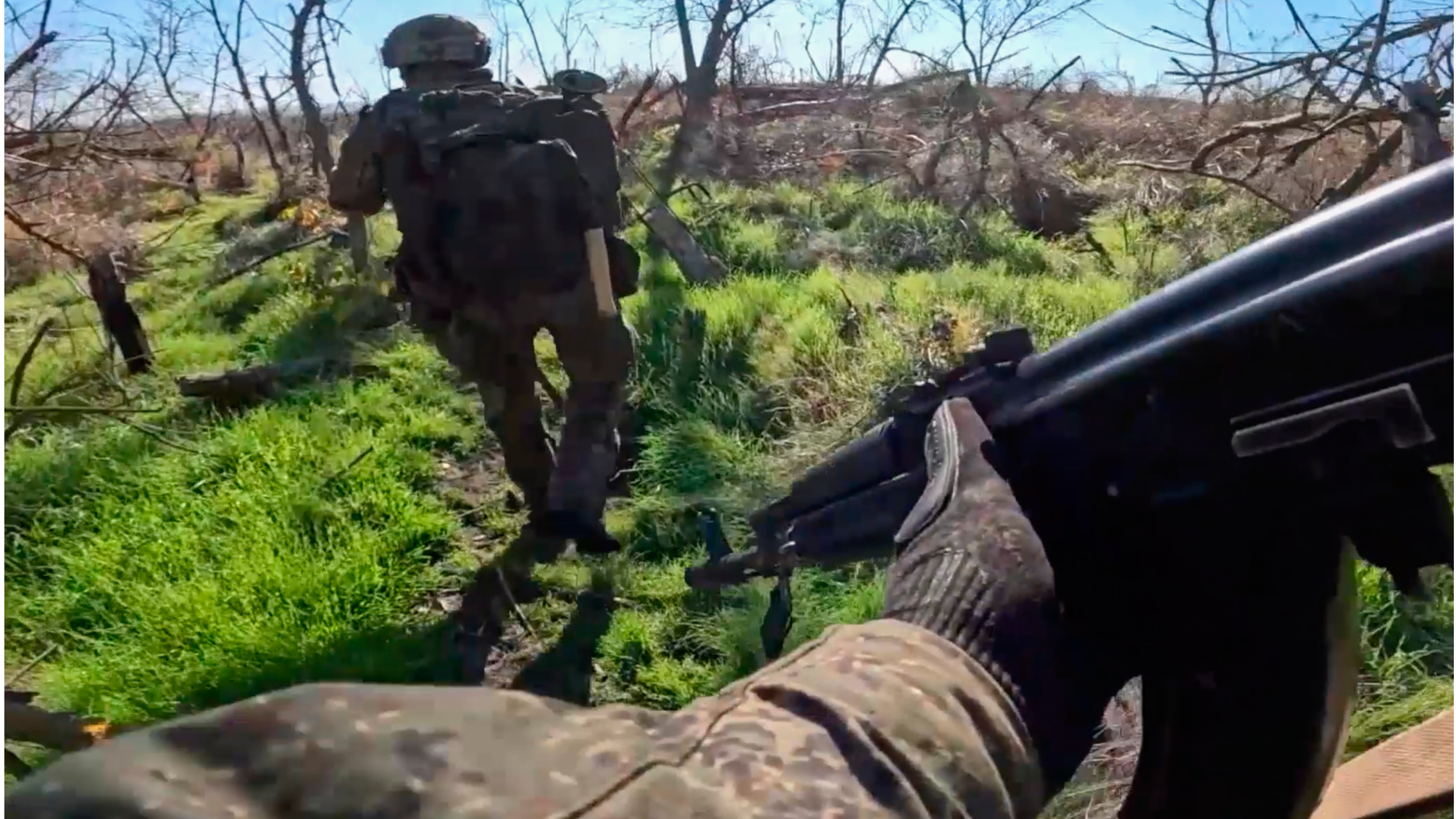 In this image made from video provided by Russian Defense Ministry Press Service on, Dec 17, 2025, Russia Army soldiers advance towards Ukrainian positions at the area of Huliaipole, Zaporizhzhia region, Ukraine. (PHOTO/RUSSIAN DEFENSE MINISTRY SERVICE VIA AP)
Village of Dibrova
The Russian military has taken control of the village of Dibrova in the Donetsk region, the Russian Defense Ministry said on Monday.
Russian troops have “completed the liberation” of Dibrova, following active combat operations and overnight strikes, the ministry said in a statement.
“Operational-tactical aviation, strike unmanned aerial vehicles, missile troops and artillery of the Russian Armed Forces launched strikes against temporary deployment points of Ukrainian military formations and foreign mercenaries in 153 locations,” it said.
The Ukrainian side has not commented on Russia’s claim.
Foreign court rulings
Putin has signed a new law banning the enforcement in Russia of rulings issued by foreign and international courts, local media reported on Monday.
According to RIA Novosti, the law stipulates that Russia will not enforce decisions of foreign courts exercising criminal jurisdiction if such authority was conferred by other countries without Russia’s participation.
It also states that rulings of international courts will not be enforced in Russia if their jurisdiction is not based on a treaty signed by Russia or on the United Nations Security Council resolutions adopted under Chapter VII of the UN Charter.
Chapter VII authorizes the Security Council to take enforcement measures when it identifies “any threat to the peace, breach of the peace, or act of aggression.”
The document was published on Russia’s official website for legal acts.