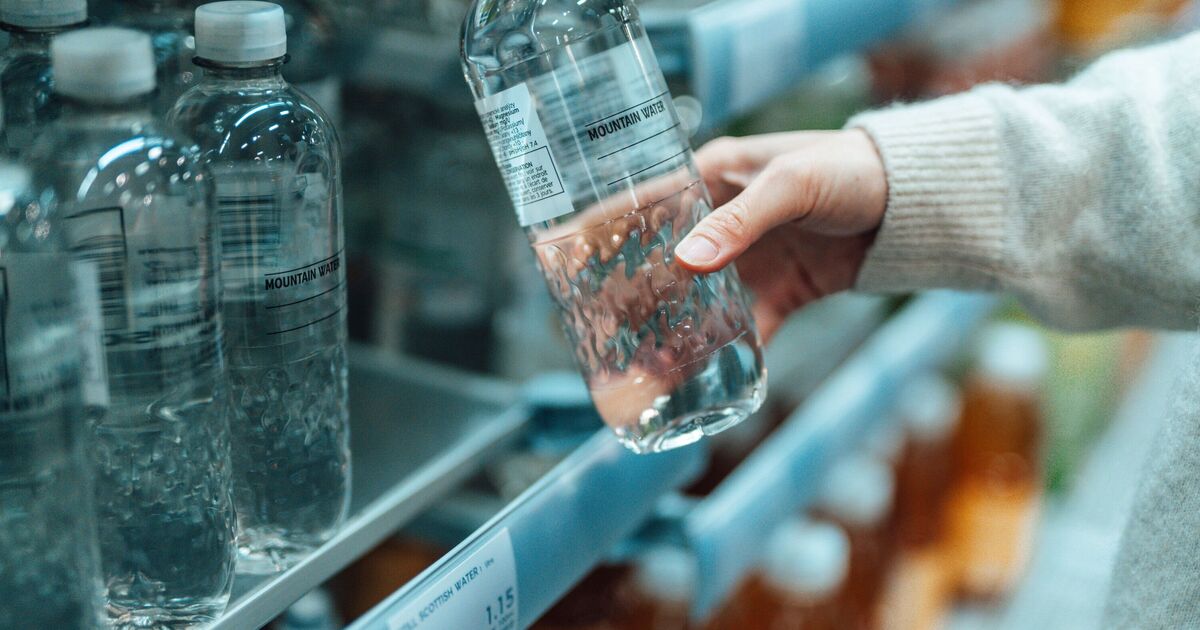
New research has revealed that those who drink bottled water on a daily basis ingest over 90,000 more microplastic particles than those who drink tap water. Now, experts are calling for urgent regulations to manage the risks associated with daily consumption.
The new review, published in the Journal of Hazardous Materials, also revealed that people ingest a yearly average of between 39,000 and 52,000 microplastic particles, which range in size from a thousandth of a millimetre to five millimetres. Researchers at Concordia University in Canada explained that plastic bottles release these microplastics during manufacturing, storage and transport, when they a broken down by sunlight exposure and changes in temperatures.
They also warned that the consequences of ingesting them “can be severe,” reports The Independent.
Sarah Sajedi, lead author of the recent review, said: “Drinking water from plastic bottles is fine in an emergency, but it isn’t something that should be used in daily life.”
Microplastics enter the bloodstream when they reach vital organs, and they can cause chronic inflammation, respiratory issues, cellular stress, hormonal disruption, impaired reproduction, neurological damage, and an increased risk of cancer. However, the long-term effects remain misunderstood because of a lack of standardised testing methods to assess them within tissues.
Research also looked at the global impact of tiny particles ingested from single-use plastic bottles as part of the review. They drew information from more than 140 scientific articles to find the impacts on human health.
The review suggests that people meeting their daily recommended water intake solely from single-use plastic bottles may ingest an additional 90,000 microplastics per year compared to those drinking only tap water, who ingest 4,000 microplastics a year.
The study also notes that while existing research tools detect even very small particles, they do not reveal what the particles are made of.
The tools used to identify the composition of plastic particles typically miss the smallest of them, prompting researchers to call for the development of standardised global testing methods that will allow the particles to be measured accurately.
Researchers wrote: “The review highlights the chronic health issues linked to exposure to nano- and microplastics, including respiratory diseases, reproductive issues, neurotoxicity, and carcinogenicity.
“We highlight the challenges of standardised testing methods and the need for comprehensive regulations targeting nano- and microplastics in water bottles.”
The need for a transition from single-use plastics to more sustainable and long-term water access was also addressed in the review.
It noted: “Addressing public access to safe drinking water and improving water infrastructure are vital in reducing reliance on single-use plastics.
“Comprehensive research is still needed to fully understand the health and environmental impacts of nano- and microplastics in bottled water.”