Home » AIRLINE NEWS » Travel Disruption in Europe as Belgium, Netherlands, Germany, UK, France, Switzerland, Austria, Denmark, Norway, Spain, Portugal, Italy and Poland Delay 4,145 and Cancel 40 Flights, Impacting Brussels Airlines, KLM, Lufthansa CityLine, easyJet and Others in Munich, Amsterdam, Paris, Berlin, Frankfurt And More
Published on
December 30, 2025

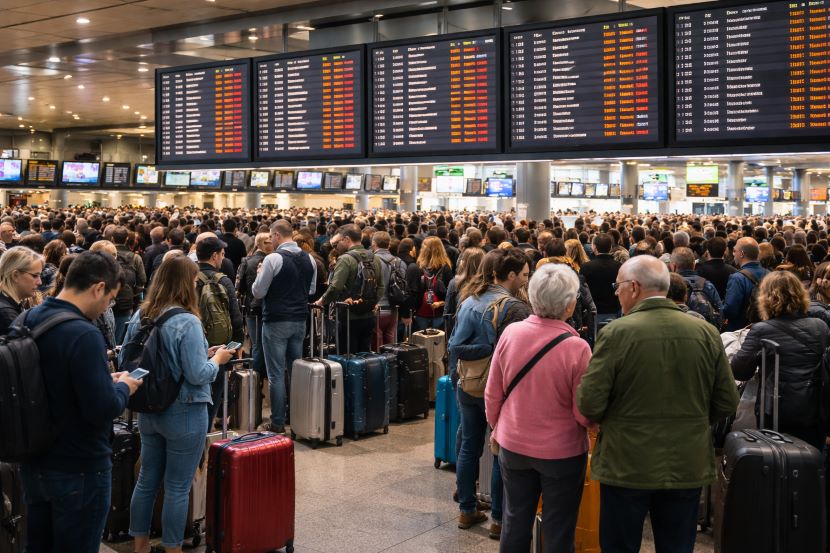
Travel disruptions across Europe have escalated as major airports in Belgium, the Netherlands, Germany, the UK, France, Switzerland, Austria, Denmark, Norway, Spain, Portugal, Italy, and Poland are grappling with severe flight delays and cancellations. The latest data shows that a total of 4,145 flights were delayed, and 40 flights were canceled, causing widespread chaos for passengers throughout the continent. Airlines such as Brussels Airlines, KLM, Lufthansa CityLine, easyJet, and others have been heavily impacted, particularly at major hubs in Munich, Amsterdam, Paris, Berlin, and Frankfurt. These disruptions are compounded by both operational challenges and adverse weather conditions, leaving travelers stranded or facing long waiting times. As the holiday season approaches, the pressure on European airports and airlines is likely to intensify, leading to further uncertainty.
 Cancellation by Airports
- Brussels Airport (BRU): Brussels has seen 5 cancellations and 150 delays, making it one of the more affected airports in Europe this week. With a busy international hub, the delays are contributing to major passenger inconvenience.
- Amsterdam Schiphol Airport (AMS): Known as one of the busiest airports in Europe, Schiphol has recorded 3 cancellations and a staggering 298 delays. The large number of delays is causing frustration among travelers heading to international and domestic destinations.
- Munich Airport (MUC): Although Munich Airport experienced no cancellations, 284 flights were delayed, significantly impacting travelers on connecting flights throughout Europe.
- London Heathrow Airport (LHR): London’s largest airport faced 2 cancellations and 211 delays. Heathrow’s extensive flight network means that even minor disruptions can ripple through the system, leading to widespread delays.
- Paris Charles de Gaulle Airport (CDG): Paris saw 5 cancellations and an impressive 467 delays, marking one of the highest numbers recorded across the continent. As the primary airport serving Paris, these disruptions are causing extended waiting times for passengers.
- Zurich Airport (ZRH): Zurich’s operations were also affected, with 1 flight canceled and 153 delays. Although not as severe as others, the delays have impacted flights across multiple destinations.
- Vienna International Airport (VIE): Vienna recorded 177 delays but fortunately no cancellations. However, the high volume of delays is still causing significant disturbances for those traveling through the Austrian capital.
- Berlin Brandenburg Airport (BER): With 160 delays but no cancellations, Berlin’s airport is also facing disruptions, with travelers finding it challenging to make timely connections.
- Frankfurt Airport (FRA): Frankfurt experienced 2 cancellation and 328 delays, with the number of delayed flights indicating a larger systemic issue within the German aviation network.
- Copenhagen Airport (CPH): Denmark’s busiest airport recorded 6 cancellations and 212 delays, contributing to considerable delays in both domestic and international air traffic.
- Oslo Gardermoen Airport (OSL): Oslo has been severely impacted, with 7 cancellations and 208 delays. The snow and cold temperatures have had a clear effect on operations, with significant knock-on delays across Europe.
- Madrid Barajas Airport (MAD): With 1 cancellation and 237 delays, Madrid’s major international hub has faced disruptions, particularly in its busy transatlantic routes.
- Lisbon Airport (LIS): Although Lisbon experienced no cancellations, it saw 260 delays, affecting flights bound for popular European destinations as well as longer-haul international routes.
- Milan Malpensa Airport (MXP): Milan recorded 3 cancellations and 181 delays, with passengers facing extended waiting times. These delays have disrupted travel plans for both leisure and business travelers alike.
- Rome Fiumicino Airport (FCO): Italy’s busiest airport faced 1 cancellation and 230 delays, impacting flights throughout Europe and the Mediterranean.
- Geneva Airport (GVA): Geneva, often a key gateway for international flights, recorded 1 cancellation and 91 delays. Though not as heavily affected, travelers are still experiencing waiting times at one of Europe’s most important airports.
- Porto Airport (OPO): Porto faced no cancellations but experienced 64 delays, primarily affecting flights within the Iberian Peninsula.
- Edinburgh Airport (EDI): With 96 delays and no cancellations, Edinburgh is another European airport where travelers are experiencing significant waiting times.
- Dublin Airport (DUB): Dublin recorded 2 cancellations and 158 delays, causing additional strain at one of Ireland’s busiest international gateways.
- Warsaw Chopin Airport (WAW): In Poland, Warsaw saw 2 cancellations and 180 delays, making it one of the key airports facing the fallout from the winter season disruptions.
In a tabular format
Air travel across Europe has been heavily affected by cancellations and delays, especially during the busy winter season. These disruptions have led to long wait times, and travelers have been facing significant inconveniences at major European airports. Below is a detailed table that outlines the number of cancellations and delays reported at key European airports.
The table above provides a clear snapshot of the flight cancellations and delays at some of Europe’s busiest airports. The high number of delays, especially at major hubs such as Paris Charles de Gaulle, Amsterdam Schiphol, and Frankfurt, showcases the ongoing challenges faced by the aviation sector, especially during peak seasons. Travelers are advised to stay informed about their flight status and check for updates regularly, as these disruptions continue to affect air traffic across Europe.
Some affected airlines due to this cancellation
Brussels Airlines
Brussels Airlines, one of Belgium’s prominent carriers, is currently experiencing notable flight disruptions. With 4 cancellations and 63 delays, passengers are facing inconvenience, especially during the busy travel period. These disruptions are adding to the travel challenges in Europe, with affected travelers advised to stay updated on their flight statuses.
KLM Flight
KLM, the flagship airline of the Netherlands, has experienced disruptions recently, with 1 flight cancellation and 133 delays reported. These delays are adding to the growing frustrations for travelers, particularly during the busy winter travel season. Passengers are advised to check with KLM for updates and rebooking options, as delays continue to affect travel plans across Europe and beyond.
Air France
Air France, one of Europe’s leading airlines, has reported 4 delayed flights but no cancellations. While the number of delays is relatively low, passengers are still encouraged to check their flight statuses for any potential schedule changes.
Austrian Airlines
Austrian Airlines has experienced minimal disruptions, with no cancellations reported and only 6 delays. This relatively smooth operation highlights the airline’s efficiency in maintaining timely schedules, offering passengers a reliable travel experience.
Lufthansa CityLine
Lufthansa CityLine, a regional airline under the Lufthansa Group, has experienced minimal disruptions, with only 4 delays reported. Thankfully, no flights were canceled, indicating smooth operations overall. However, even a small number of delays can cause inconvenience for passengers, particularly those on connecting flights. Travelers flying with Lufthansa CityLine are advised to stay updated on their flight status and prepare for potential slight delays.
EasyJet Flight
EasyJet, one of Europe’s leading low-cost airlines, has reported minimal disruptions with 0 cancellations and just 2 delayed flights. While the delays are relatively low, travelers are still advised to keep an eye on their flight status for any last-minute changes.
A Quick Overview
Overview of Flight Cancellations in Europe
Flight cancellations and delays continue to impact air travel across Europe, particularly affecting major airlines during busy travel periods. Brussels Airlines reported 4 cancellations and 63 delays, while KLM faced 1 cancellation and a significant 133 delays, indicating potential operational challenges at the airline. Air France, Austrian Airlines, Lufthansa Cityline, and easyJet reported relatively fewer disruptions, with Air France experiencing no cancellations and just 4 delays, while easyJet had no cancellations and only 2 delays. Austrian Airlines and Lufthansa Cityline also faced minimal disruptions, each with just a few delays.
These numbers highlight the ongoing challenges in European air travel, where delays are more common than cancellations, yet even small disruptions can significantly affect passengers’ schedules. Travelers are encouraged to stay informed about flight statuses and be prepared for potential delays, especially during peak seasons when air traffic tends to surge.
What Passengers Can Do
- Stay Updated: Regularly check the airline’s website or mobile app for real-time updates on flight statuses, cancellations, and alternative arrangements.
- Contact the Airline: Reach out to the airline’s customer service for assistance in rebooking or to explore options for compensation, such as meal vouchers or hotel accommodations.
- Consider Alternative Routes: If your flight is canceled, inquire about other flights to your destination, whether with the same airline or through partnerships with other carriers.
- Prepare for Longer Waits: During busy periods, especially at major airports, expect longer wait times at check-in and customer service desks. Bring entertainment, snacks, and any necessary essentials to stay comfortable.
- Keep All Documentation: Retain all receipts, boarding passes, and correspondence with the airline, as these may be required when requesting compensation or filing a claim.
Conclusion
As the ongoing flight disruptions continue to affect air travel across Europe, passengers are urged to stay informed and prepared for potential delays or cancellations. With over 4,000 delays and 40 cancellations affecting numerous airports, including Brussels, Amsterdam, Paris, and Frankfurt, travelers need to know their rights and stay in contact with their airlines. While some airlines have managed to minimize cancellations, many, including Brussels Airlines, KLM, and easyJet, have faced major setbacks. To avoid additional stress, it’s crucial for travelers to check for real-time updates, understand compensation options, and seek alternative routes when necessary. Despite these challenges, proactive communication with airlines and awareness of passenger rights under EU regulations will help mitigate the negative impact of these disruptions. As winter travel ramps up, passengers should remain vigilant and flexible in their travel plans.
Source:- FlightAware and Different Airports