Many of the year’s biggest news stories have shown human beings at their worst. The Times science team, however, has the means to provide an antidote.
By covering the most exciting (and unusual) discoveries, we found human beings at their best: expanding the frontiers of knowledge, improving people’s lives and unlocking some of the biggest mysteries in the universe.
Fewer than one in ten — just 9.3 per cent — of people over the age of 70 are truly healthy. Scientists have drawn up a list of simple tips that, combined, can help us all to join this elite band.
We regularly hear that spending too much time on digital devices can dull our brains, but in good news for silver surfers, the reverse may be true as we age. Those who use smartphones and computers regularly after the age of 50 experience slower cognitive decline.
Si vous parlez plusieurs langues, vous vieillirez moins vite. If you don’t need this translated, that is a good sign. Because people who can speak more than one language appear to age less rapidly.
Spending time on your feet, rather than on your behind, is always good. Try to fit your steps into one long walk per day, rather than just adding up lots of dribs and drabs. Talking of behinds, make sure to keep an eye on yours. The changing shape of your buttock muscles may provide an early warning system for the risk of developing type 2 diabetes.
Got a few billion to spare? Why not join the group of investors bankrolling efforts to defeat ageing altogether? We took a glimpse inside the laboratories where scientists are trying to “reprogramme” bodies to turn back the ravages of time.
Spaced out
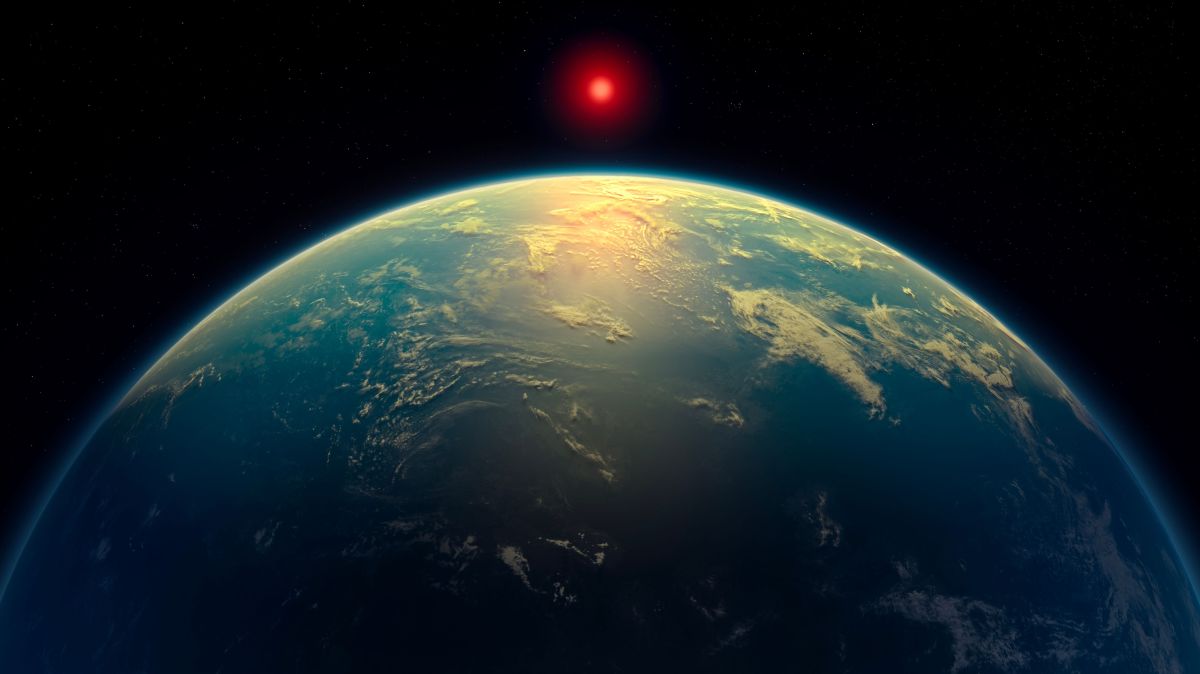
One of the most promising signs of alien life ever found lies on a planet 124 light years from Earth. Read why the lead scientist asked: “How do we kill it?”
The first female Astronomer Royal in the role’s 350-year history was appointed. Michele Dougherty’s discoveries about the moons of Saturn astonished the world.
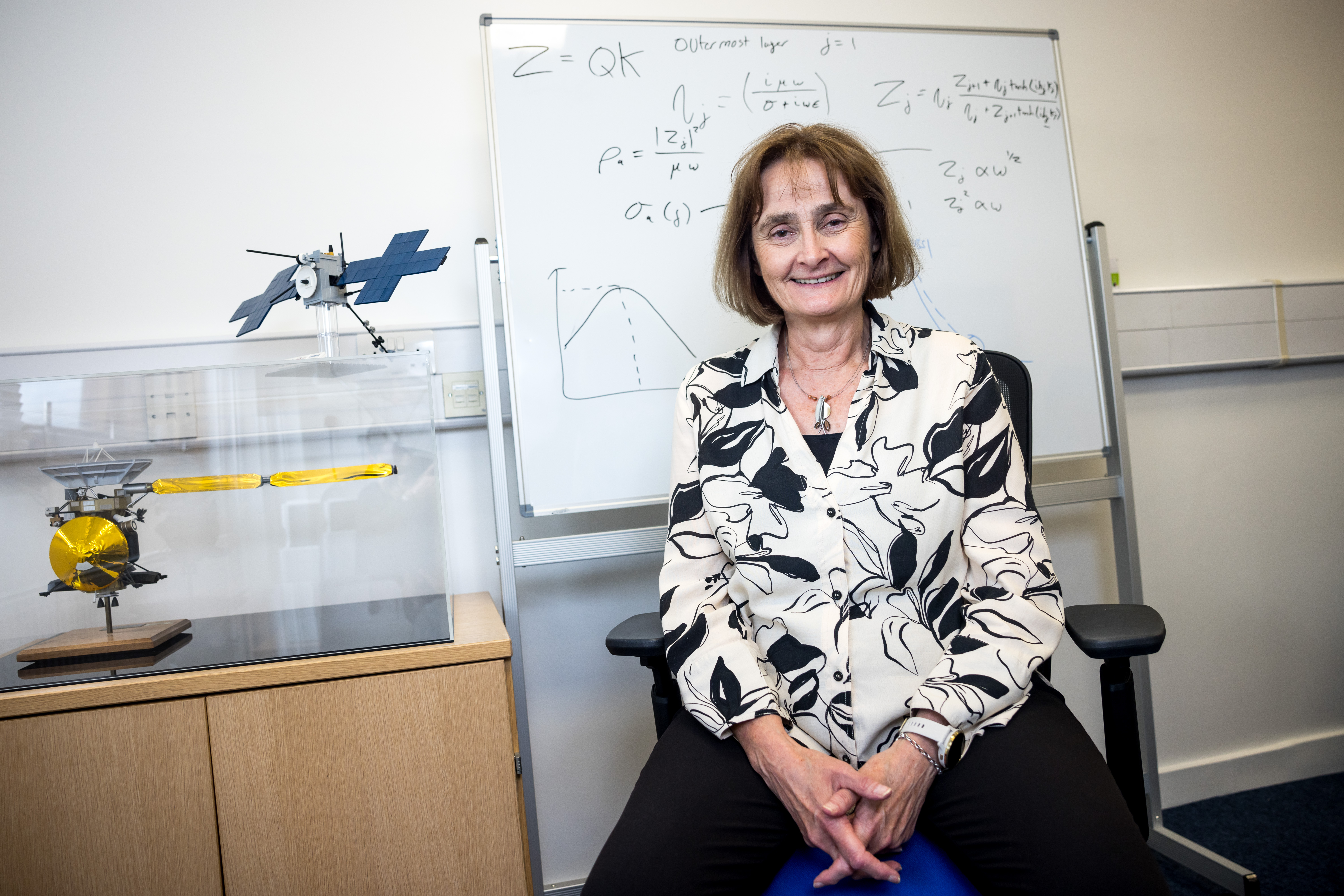
Michele Dougherty
JACK TAYLOR FOR THE TIMES
Next year, a crew of four will blast from our world and make a half-a-million-mile round trip to orbit the moon and return to Earth aboard Artemis II. A launch window date has been set for this remarkable mission, which would mark the biggest leap for mankind since 1972.
Originating from beyond the edge of our solar system, a mysterious visitor from the deepest reaches of the galaxy streaked within 150 million miles of Earth. It was only the third interstellar entity to be recorded but, alas, no sign of any alien hitchhikers aboard.
The first disabled astronaut in history is a former British Paralympian, John McFall, who has been cleared to travel to space after an unprecedented programme to assess the challenges in blasting an amputee with a prosthetic leg into orbit.
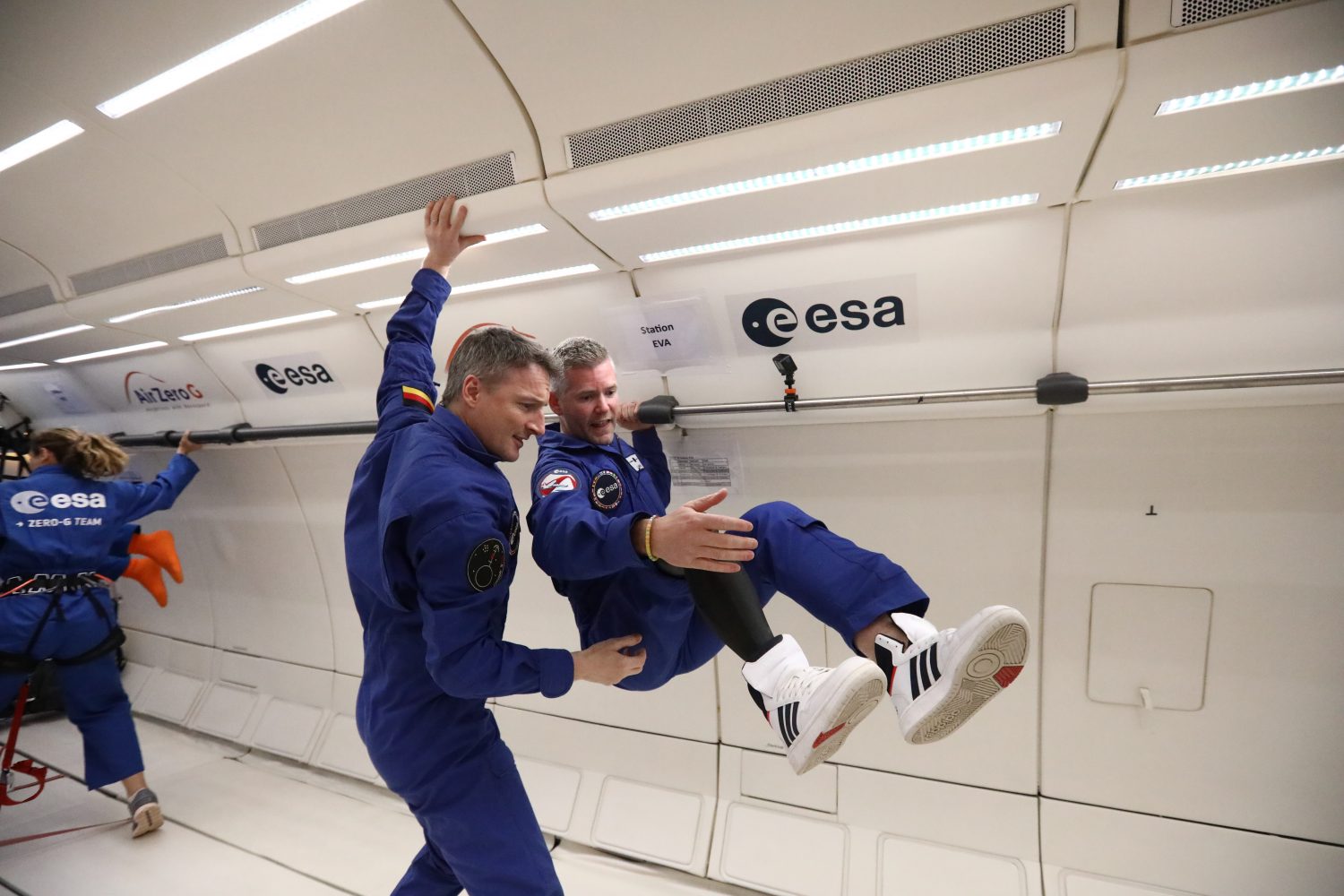
John McFall in training
ESA
A design competition revealed the winning entry for a spacecraft that could sustain generations of humans as they head out into the wilderness of the Milky Way.
The rest is history
In Britain, scientists discovered the oldest evidence of humans making fire, 350,000 years earlier than previously thought.

Excavations at a disused clay pit in Suffolk indicates humans were making fire 350,000 years earlier than previously known
JORDAN MANSFIELD/PA
Do you remember your first kiss? For humanity, it was about 21 million years ago, when our distant ape ancestors first locked lips.
A million-year-old skull found in China cast doubt on where and when our Homo sapiens ancestors first emerged. Is it possible that we split off as our own species hundreds of thousands of years earlier than thought?
Even for a cold case, 688 years is a long time to solve a murder. But the killing of the priest John Forde in 1337 may finally have been explained.
A pregnancy test that provides a result thousands of years after conception may also seem a little slow. But, in this case, it was devised to ascertain whether ancient skeletons were pregnant or had recently given birth when they died.
Can a mouse give birth to a mammoth? It may be possible, after scientists created a “woolly mouse” and hailed it as a key step in bringing the ancient elephantine beasts back from extinction.
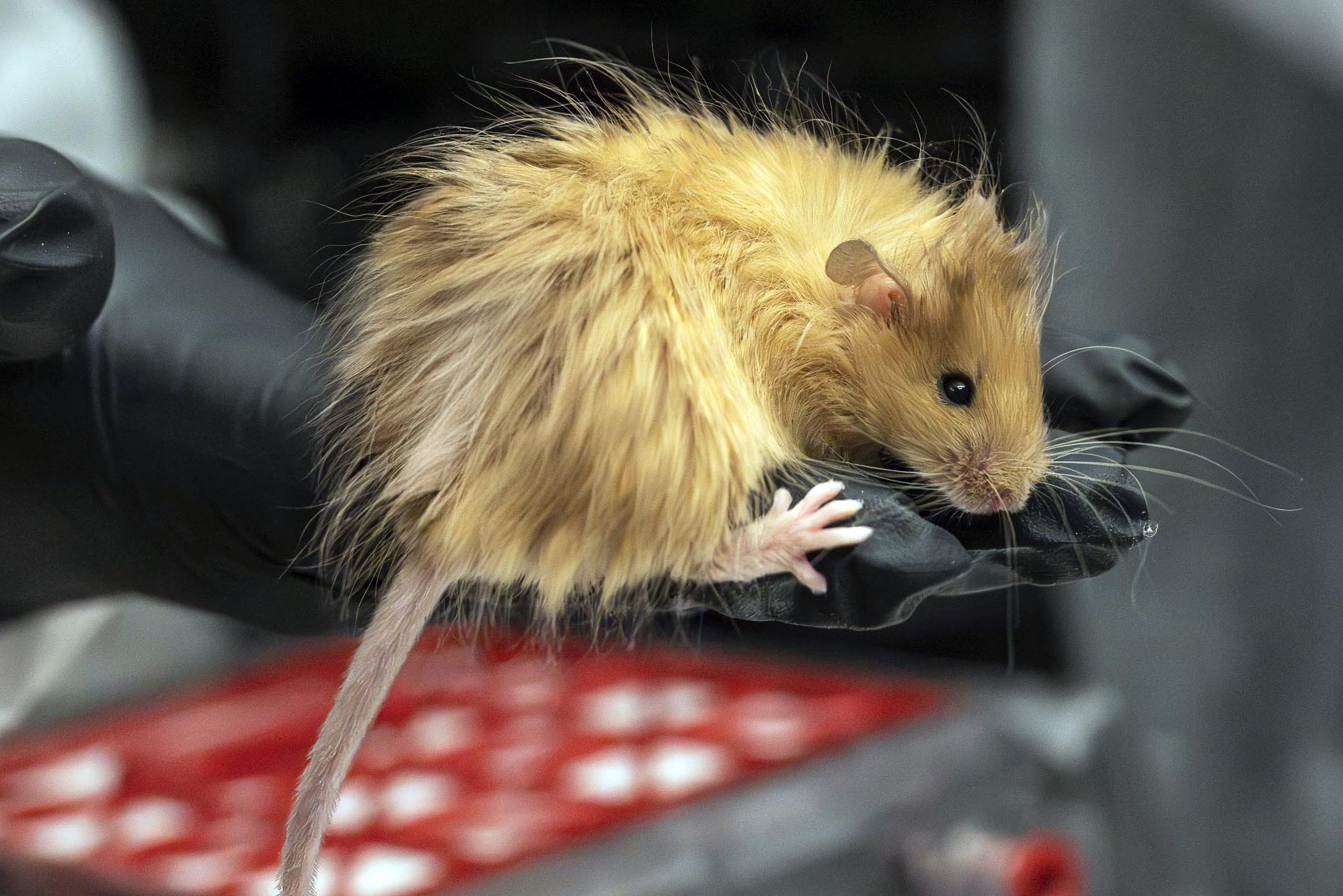
A genetically edited woolly mouse at a lab in Dallas, Texas
AP
There is £13.6 billion worth of loot lying on the seabed somewhere off Colombia — prompting treasure hunters to race to find the “holy grail” of shipwrecks.
Animal instincts
Are dogs causing falling birthrates? Canines are increasingly being thought of as “child surrogates” by owners who choose a pet over a baby, a study suggested.
Where did all of Britain’s bright green, exotic parakeets come from? Our investigation has finally put to bed the urban legends (sorry, it was nothing to do with Jimi Hendrix).
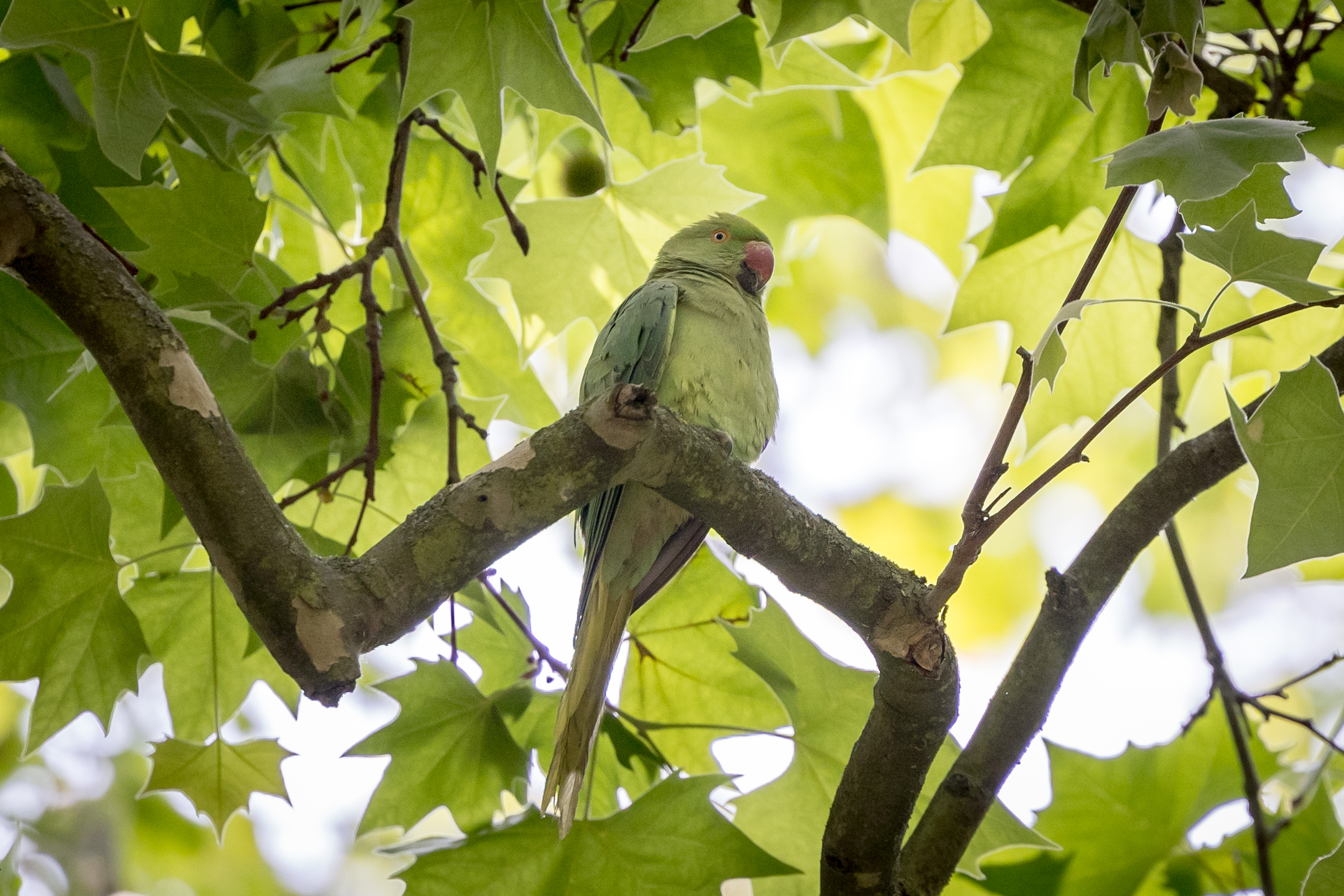
A parakeet perches on the branch of a plane tree in Victoria Park, London
JACK HILL FOR THE TIMES
Being bitten by an ancient Egyptian mosquito sounds like something out of a film about a pharaoh’s curse. But it could come true on the London Underground, after scientists traced the ancestry of the mozzies living in the capital’s tunnels.
Contrary to reports, dinosaurs were not already in serious decline when an asteroid came in to finish them off. They were actually “thriving”.
Cravings, withdrawal symptoms and obsession — all the signs of addiction are there in dogs who grow just a little bit too attached to their toys, leading them to become “ball junkies”.
Breaking through
Hailed as the holy grail of clean energy, the ability to harness nuclear fusion has come a step closer after British and Austrian researchers found a much simpler and faster way to simulate how the ultra-hot fuel will behave in a power plant.
Doctors were able to rewrite the DNA of a baby with a rare and life-threatening genetic disorder using a remarkable technique to correct a deficiency and delivering the treatment straight into his liver.
A three-year-old boy with a devastating childhood disease is now making good progress after becoming the first person to receive gene therapy for Hunter syndrome.
A husband and wife became the 100,000th and 100,001st people to sign up for full body scans to complete a colossal database at the UK Biobank.
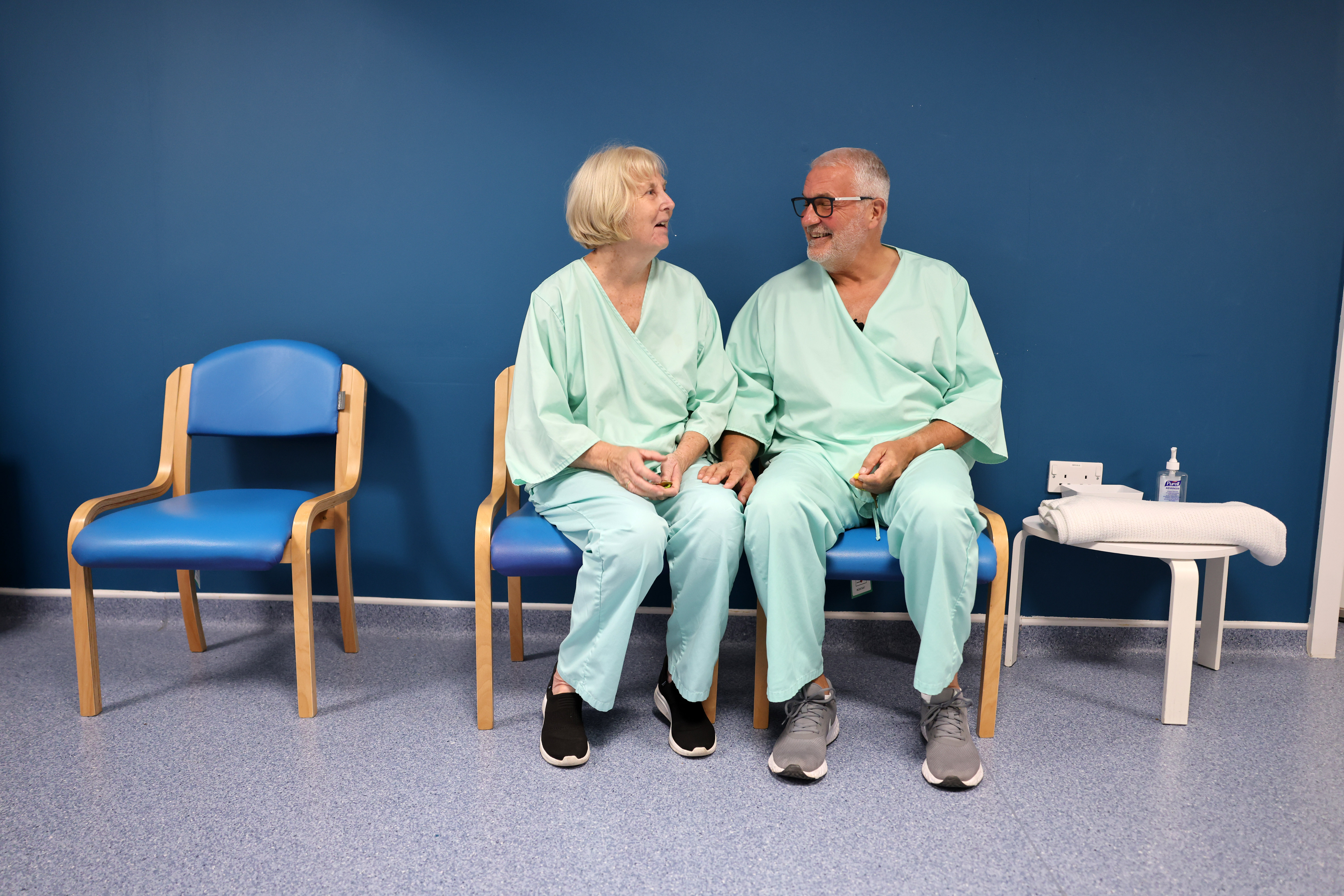
Stephen and Lesley Crossley wait for their scans at the UK Biobank centre near Reading
TIMES PHOTOGRAPHER RICHARD POHLE
A man whose face was catastrophically damaged when he was run over while cycling became one of the first to have his face rebuilt with the aid of 3D scanning and printing on the NHS.
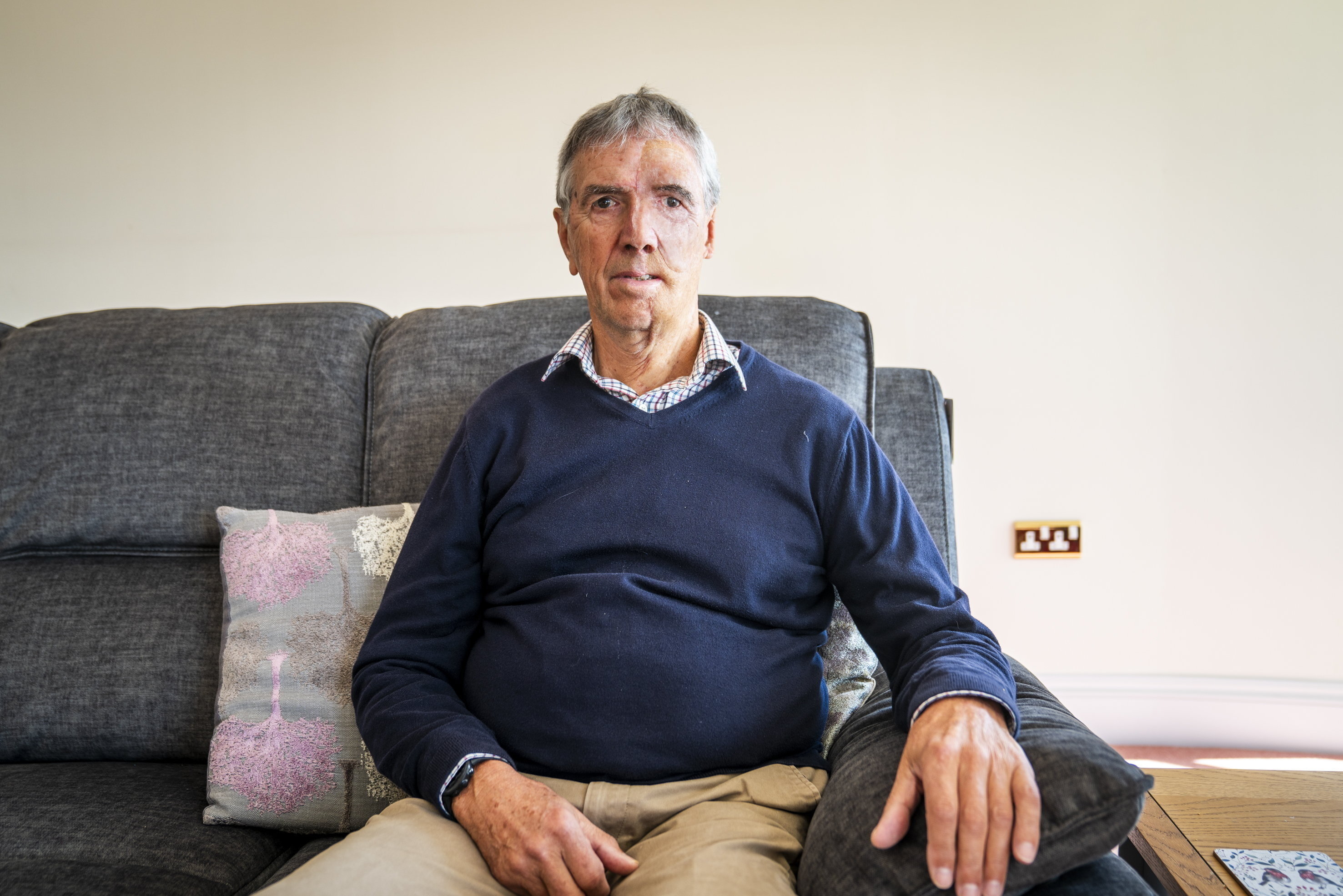
Dave Richards
WILLIAM DAX/SWNS
One breakthrough that scientists must avoid at all costs is the creation of “mirror microbes”. Creating bacteria with internal wiring that is reversed from their natural configuration could wipe out all life on Earth.
Marvellously miscellaneous
Do you suffer from car sickness? Try listening to happy, upbeat music. A study found that it can relieve the nausea.
Do you get annoying pop songs stuck in your head, particularly cheesy Christmas music? Try chewing gum to get rid of that ear-worm.
It turns out that heterosexual men’s love of breasts is not down to cultural norms, but exists even in cultures where topless women are everywhere.
How do you dig a new road through hot lava? Or build an astonishingly hi-tech telescope on top of an active volcano? We went to the Canary Islands to see how La Palma was recovering from its devastating eruption.
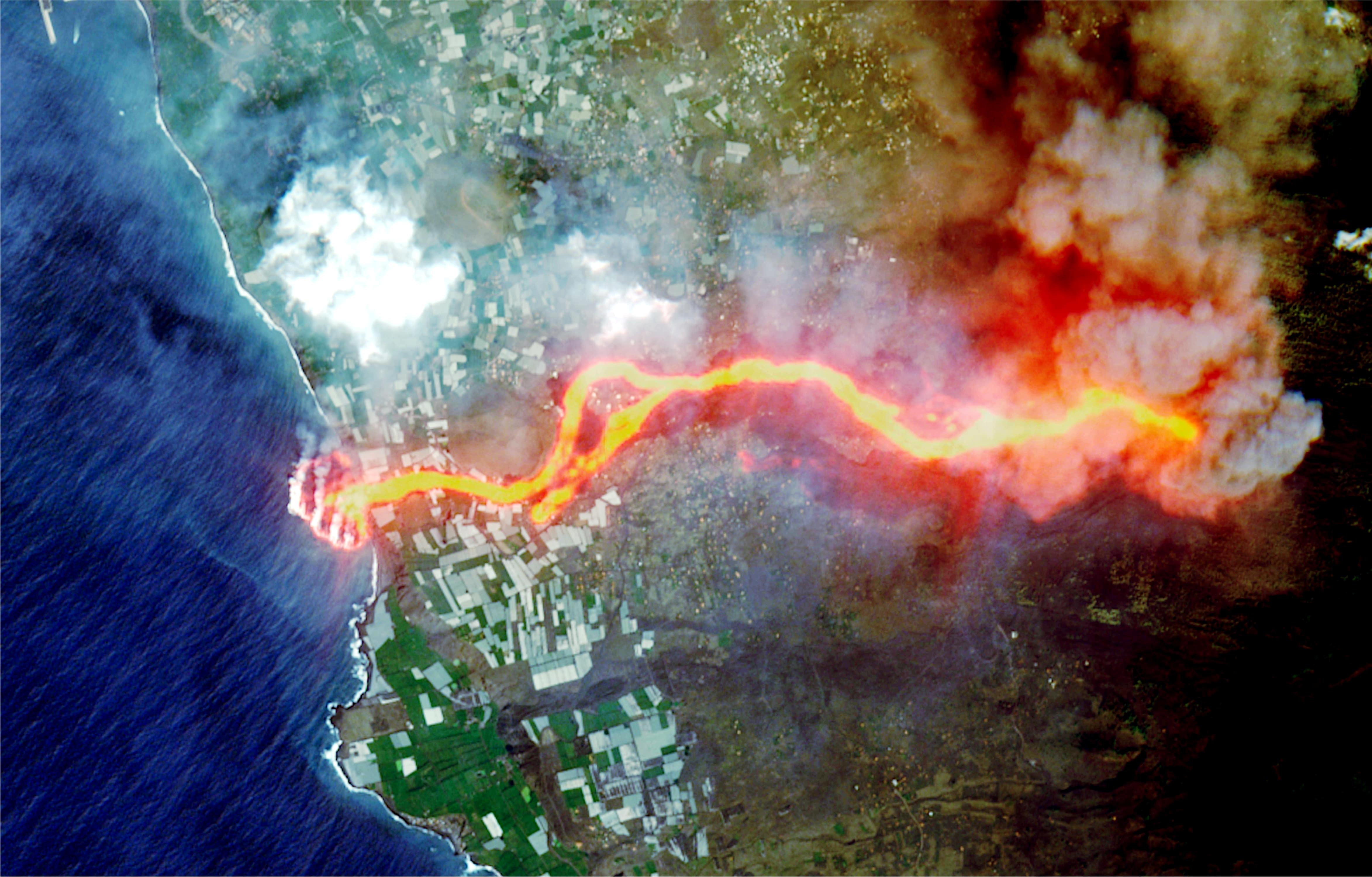
Lava flow following the eruption of a volcano on La Palma
EUROPEAN UNION/COPERNICUS SENTI/REUTERS
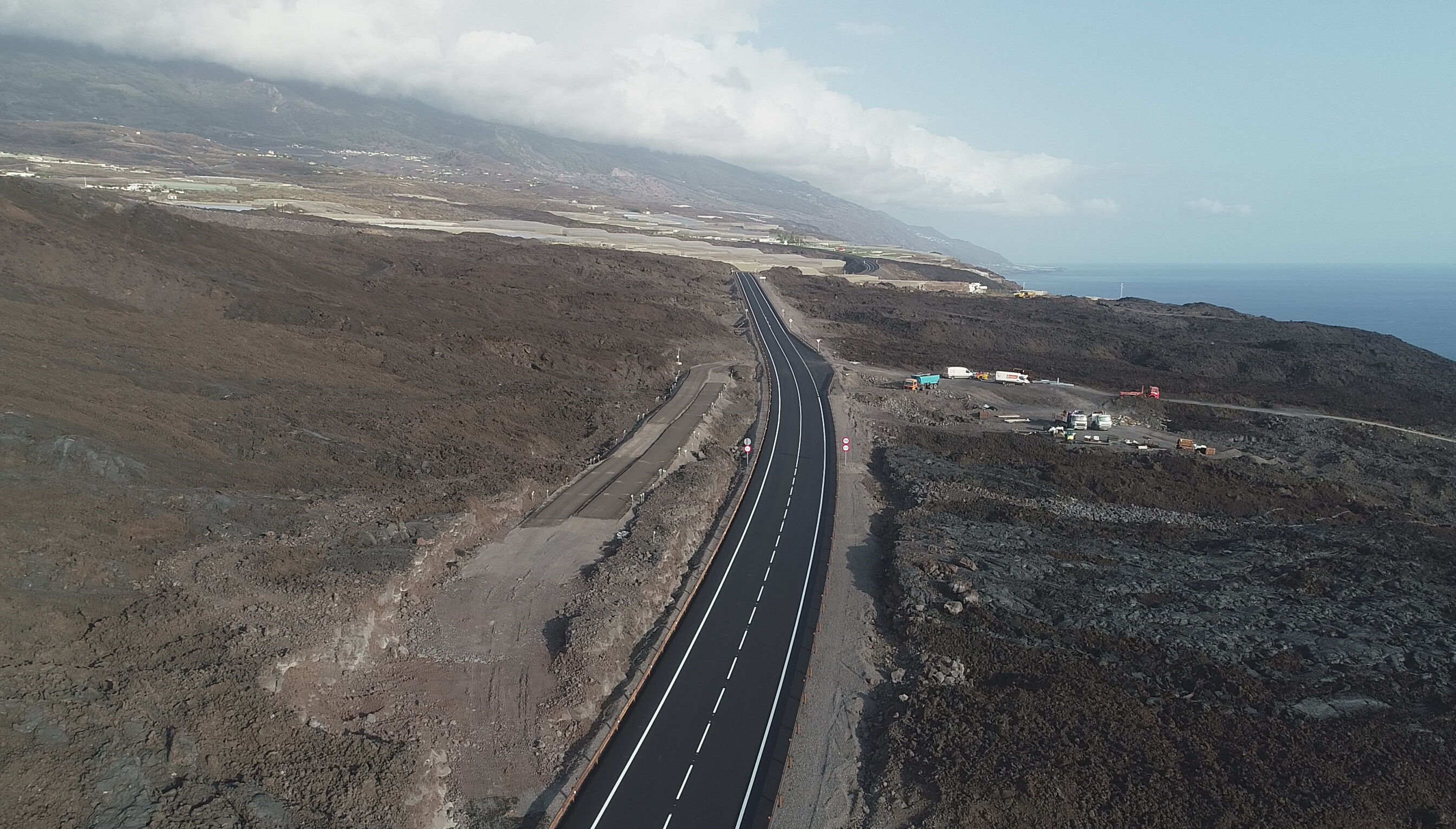
The new road built through freshly solidified lava on the Canary Islands
Do scientists sit by the phone, hoping to hear they have won a Nobel prize? Not Fred Ramsdell. He was “off-grid” hiking in the Rocky Mountains and had no idea for 12 hours that he was a new laureate until they finally arrived into an area with phone signal.
Should Elon Musk be expelled as a Royal Society fellow for his “attacks” on science? Or for his “language of violence” at far-right rallies? The prestigious scientific institution discussed both, but the Tesla boss has not so far been ousted.
The James Webb space telescope is showing us what the authors of the Bible could not, the new Pope said as he hailed the machine for showing us the “seeds God has sown in the universe”.