Home » European Travel News » Eurostar resumes operations after power outage and blocked tunnel disrupt vital Europe UK route – Everything You Need to Know
Published on
December 31, 2025

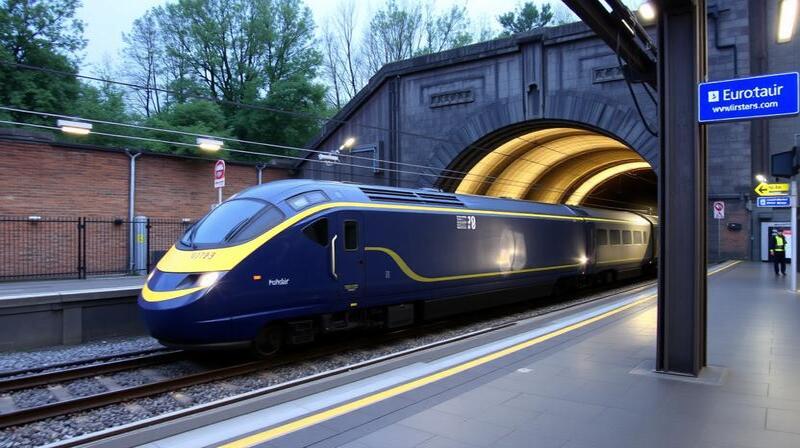
International rail travel between the United Kingdom and mainland Europe experienced major disruption before gradually returning to normal after technical failures inside the Channel Tunnel brought services to a standstill. Eurostar, the high-speed rail operator connecting London with several major European destinations, confirmed that its trains were able to resume operations following hours of suspension caused by power supply problems and a blocked tunnel section.

The incident began when a fault developed in the overhead electrical system that powers trains travelling through the undersea tunnel. This infrastructure issue alone was enough to interrupt traffic, but the situation became more complex when a vehicle shuttle train transporting cars and freight became immobilised within the tunnel. With the route partially blocked and power systems compromised, rail authorities had little choice but to halt all services moving in and out of London via the Channel Tunnel.
Eurostar services were immediately affected, bringing international passenger travel to an abrupt pause. Trains linking London with Paris, Brussels, Amsterdam and other popular destinations were suspended, leaving thousands of passengers uncertain about their travel plans. The timing of the disruption added to its severity, as the tunnel typically carries exceptionally high volumes of passengers and vehicles during the holiday and New Year travel period.
As services were suspended, congestion quickly built up on both sides of the Channel. On the UK side, long lines of cars, vans and heavy goods vehicles formed as shuttle trains were unable to operate. Freight operators faced delays that threatened supply chains, while holidaymakers travelling with vehicles encountered long waiting times and limited information on when services would resume.
Eurostar issued clear guidance urging passengers to delay their journeys and avoid travelling to stations unless they already held tickets. This advice aimed to reduce crowding at terminals and ensure safety while engineers worked to resolve the technical faults. The operator also warned that even after services restarted, delays and altered schedules were likely as rail traffic gradually returned to normal.
Behind the scenes, repair teams focused on restoring the overhead power supply, a critical system for both passenger and vehicle-carrying trains. At the same time, efforts were made to move the immobilised shuttle train and clear the affected tunnel section. These complex operations required careful coordination, as safety standards within the tunnel are among the strictest in the world.
As repairs progressed, authorities confirmed that traffic would be reintroduced in stages rather than all at once. This gradual restart helped prevent further congestion and allowed systems to be monitored closely for stability. Eurostar later confirmed that services to and from London had resumed, providing relief to passengers who had been waiting for updates throughout the day.
The disruption underscored the importance of the Channel Tunnel as one of Europe’s most critical transport links. Every day, the tunnel supports the movement of thousands of passengers and a substantial volume of freight between the UK and continental Europe. When operations are interrupted, the impact is felt far beyond the tunnel itself, affecting rail networks, ports, roads and even airline bookings as travellers seek alternative routes.
To help manage the situation, ferry services across the Channel increased flexibility, allowing affected travellers to cross using a more open, turn-up-and-go approach. This additional capacity helped absorb some of the displaced demand and eased pressure on terminals while rail services were suspended. For many travellers, ferries became the most practical short-term alternative.
Although Eurostar trains are running again, the effects of the disruption are expected to linger. Delayed services, rescheduled journeys and crowded departures may continue as operators work through the backlog created during the shutdown. Passengers are being encouraged to check live travel updates, allow extra time for their journeys and remain flexible with their plans where possible.
The incident has also renewed attention on infrastructure resilience and contingency planning for critical international transport corridors. As demand for cross-border rail travel continues to grow, particularly as travellers seek more sustainable alternatives to flying, maintaining reliable operations through the Channel Tunnel remains a top priority.
With services restored and monitoring ongoing, Eurostar and other tunnel operators are focused on stabilising schedules and rebuilding passenger confidence. While the disruption caused significant inconvenience, the swift restoration of services highlights the importance of coordinated response efforts in keeping one of Europe’s busiest rail routes moving.