You may need to see a GP if you do not feel better after a few changes
Sophie Buchan Money and Lifestyle Writer
13:24, 30 Dec 2025
 Speak to your GP if you are worried(Image: Getty)
The NHS has issued a message to people experiencing leg issues at night. According to the health service, it could all be down to a common condition which can affect how you sleep.
The NHS suggest that it could be restless legs syndrome (RLS). This is a condition characterised by a strong urge to move your legs, usually at night.
The symptoms may vary from person to person, but often there is a strong sensation such as throbbing or tingling. You may also feel pain, and it’s often more noticeable at night or during periods of rest.
What are the symptoms of restless legs syndrome?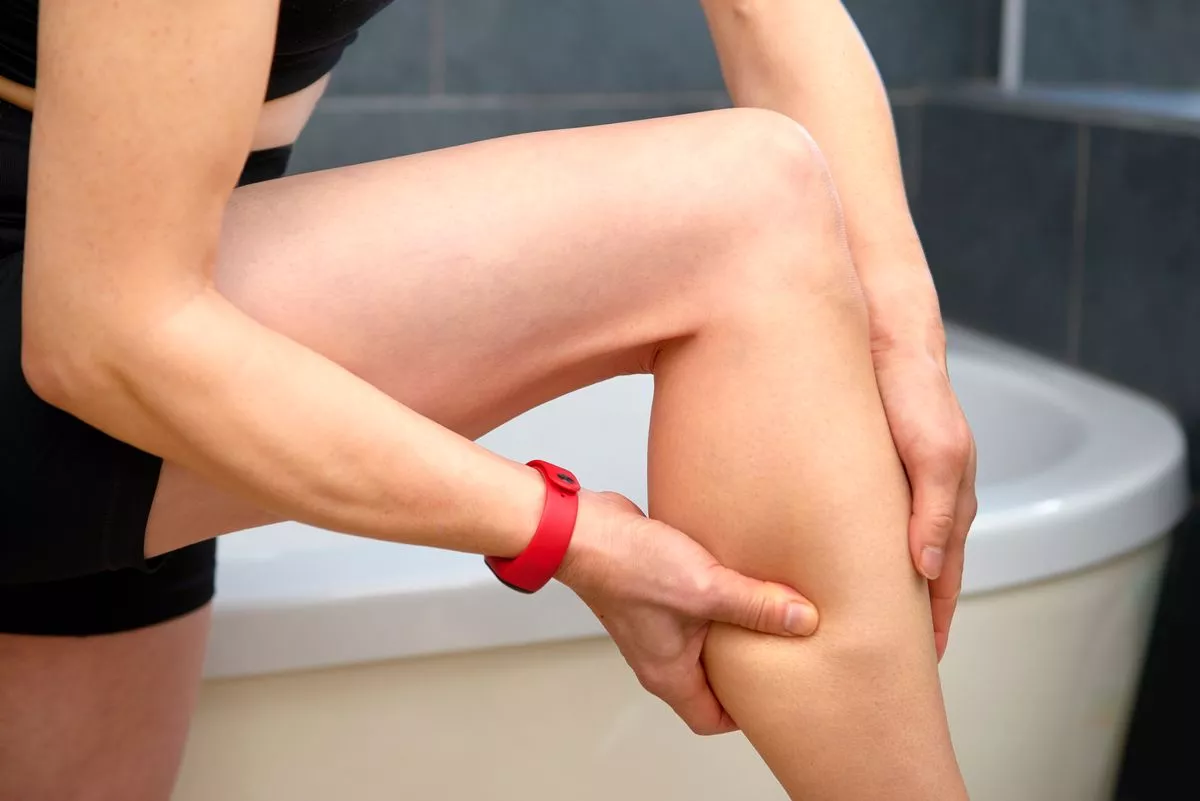 You may feel a tingling or sensation that makes you feel uncomfortable(Image: Dazeley)
Symptoms of restless legs syndrome include these three signs:
- a strong need to move your legs
- uncomfortable feelings in your legs, such as tingling, throbbing or itching
- pain in your legs
The NHS states that “symptoms are usually worse at night when resting and can affect your sleep. Some people also have symptoms in other parts of the body, such as the arms.”
It may not just be RLS at play, as other conditions can share similar symptoms, such as leg cramps and peripheral neuropathy. If you are struggling to sleep at night and you find the symptoms all-consuming, you should seek help from your GP, as they may be able to prescribe medication.
You should mention to them if it stops you sleeping, if it affects your mental health or if you’ve tried things you can do yourself but they have not helped.
Do this at home
You can try the following at home to see if it helps ease symptoms:
- exercise during the day
- try to go to bed and wake up at the same time every day
- make sure your bedroom is dark and quiet – use curtains, blinds, an eye mask or ear plugs if needed
- try having a warm bath or using heat pads on your legs before you go to bed
- try walking, stretching or massaging your legs when you’re having symptoms
- try doing things to distract yourself from your symptoms, such as reading or doing a game or puzzle
- get help to stop smoking
You should not:
- have caffeine, such as tea, coffee or energy drinks, after midday
- drink alcohol for at least 2 hours before going to bed
- eat a big meal or do strenuous exercise late at night
- use electronic devices, like smartphones, right before going to bed
- nap during the day
Why do I get restless legs? You may struggle to sleep(Image: Getty)
The NHS believes that the cause is largely related to the levels of iron and the brain chemical dopamine in the body. Whilst there is no clear answer, you’re also said to be more at risk of experiencing this if someone in your family also has it.
It can also be linked to other things, such as:
- pregnancy (symptoms usually go away after giving birth)
- iron deficiency anaemia
- kidney disease
- some medicines
How to get diagnosed with RLS
As listed by NICE, for a diagnosis of RLS to be made, the following criteria must all be present:
- An urge to move the legs, usually accompanied, or felt to be caused, by unpleasant sensations.
- Symptoms begin or worsen during periods of rest or inactivity such as lying down or sitting.
- Symptoms are partially or totally relieved by movement, such as walking or stretching, at least as long as the activity continues.
- Symptoms during rest or inactivity only occur, or are worse, in the evening or night.
- The above features are not primarily caused by another medical or behavioural condition (for example, leg cramps, or habitual foot tapping).
You may need a referral to a neurologist or sleep specialist if there is doubt about the diagnosis or if initial treatment is unsuccessful. You can read more here.