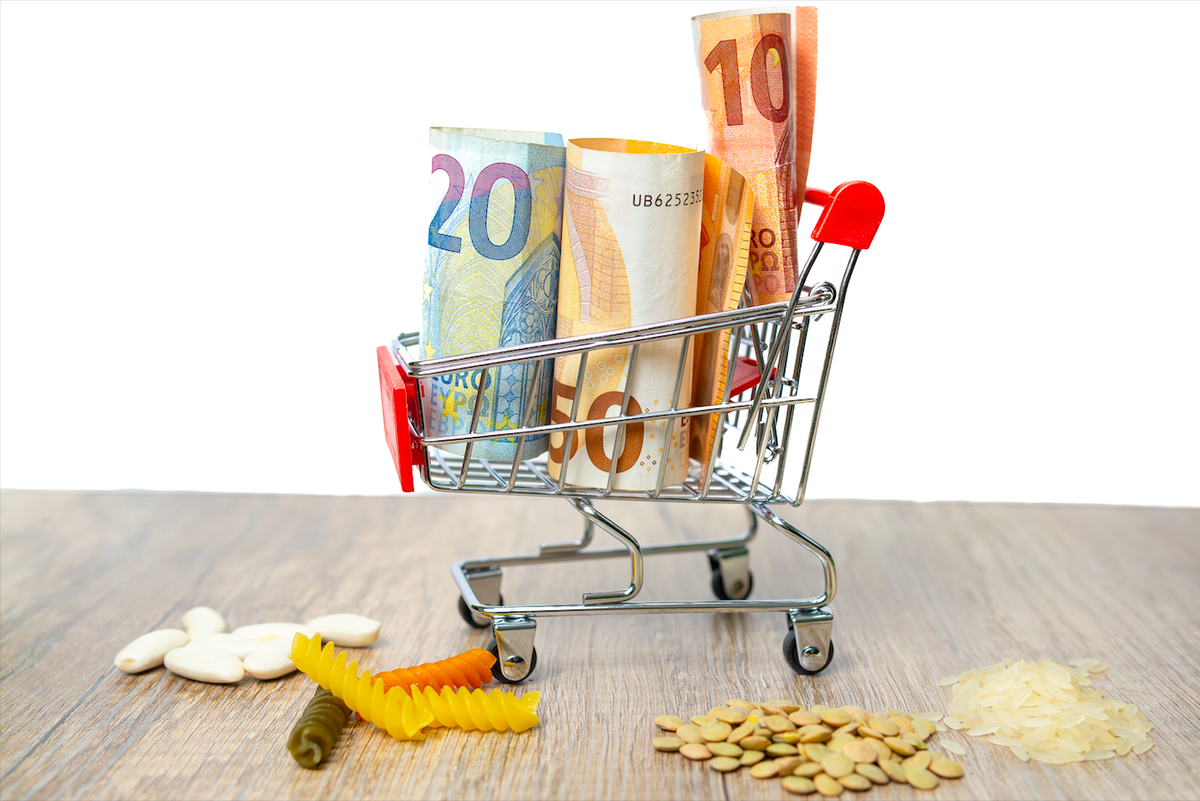
The changing saving behaviour is accompanied by a rise in household financing needs. Photo Credit: photosoria/Shutterstock
Spain’s household saving rate has fallen to its lowest level in nearly two years as families grapple with rising everyday costs that are outpacing income growth. Data published by the Bank of Spain shows that the gross household saving rate dropped to 12 per cent of gross disposable income in the third quarter of 2025, down from 14 per cent in the same period a year earlier.
This reading is the weakest since late 2023 and reflects a broader trend of households allocating more of their income to consumption rather than adding to savings. While the rate is still above pre‑pandemic averages, the downward trajectory suggests that many families are increasingly strained by inflationary pressures on daily expenses.
The saving rate measures the portion of income that households manage to retain after meeting consumption needs and tax payments. A lower rate can indicate that households are spending more to keep up with rising prices for essential goods and services.
Most Read on Euro Weekly News
Rising costs and increased borrowing
Households turn to external financing
The changing saving behaviour is accompanied by a rise in household financing needs. The Bank of Spain reports that Spanish households recorded a net financing need of 7.5 billion euros in the third quarter of 2025, compared with 3.6 billion euros in the same period the previous year. This measure reflects the gap between how much households spend and what they earn.
A larger financing need suggests that households are increasingly supplementing their income with borrowing to meet everyday costs, rather than relying on savings. Consumer credit and use of credit cards have grown as families seek to smooth consumption in the face of persistent cost pressures.
Several cost categories have contributed to this change. Food prices have continued to increase in 2025, with staple items such as vegetables, dairy and meat experiencing higher than average inflation. Energy costs, including electricity and gas, also remain elevated, notwithstanding government support measures aimed at cushioning price spikes. In some areas, water tariffs and waste service charges have risen, adding to the cost of household budgets.
Summary of household savings trends
- Household saving rate falls: Spain’s saving rate dropped to 12 per cent of gross disposable income in the third quarter of 2025, the lowest since late 2023.
- Rising costs squeeze budgets: Prices for food, utilities, transport and other essentials are increasing faster than income growth.
- Increased reliance on financing: Households recorded a financing need of 7.5 billion euros, up from 3.6 billion euros a year earlier.
- Savings remain above historical norms: Despite the decline, the rate is still higher than pre‑pandemic levels, indicating some resilience in household behaviour.
Impact on household finances
How families are adjusting spending
The continued downward trend in the saving rate is expected to influence how households make spending decisions in the months ahead. Families under financial strain may prioritise essential costs such as food, utilities and housing over discretionary spending on leisure, travel and non‑essential goods.
Economists suggest that households with limited savings buffers are likely to curtail non‑urgent purchases and focus on managing fixed expenses. This shift could have a dampening effect on sectors of the economy that depend on consumer discretionary spending.
Advisers also highlight the importance of financial planning tools and budgeting practices as families navigate uncertainty. Measures such as comparison shopping for utilities, prioritising debt repayment and maintaining emergency funds are recommended to help households cope with rising living costs.
Longer‑term implications
Looking ahead to 2026
While the fall in the saving rate signals short‑term pressure on household finances, analysts do not currently view it as a sign of systemic financial distress. The Bank of Spain and other economic institutions suggest that continued government support measures, combined with modest wage growth, may help stabilise household finances in 2026.
Nonetheless, the cost of everyday necessities remains a challenge for many families. Inflation in key expense categories, such as food and energy, continues to affect how much households can put aside after meeting consumption needs. Future changes in interest rates on loans, rent adjustments and labour market developments will also influence saving behaviour.
Policymakers are monitoring the situation closely, as a prolonged decline in the household saving rate could heighten vulnerability to economic shocks. A higher reliance on borrowing makes households more sensitive to changes in credit conditions, including interest rate movements, which could affect monthly repayment burdens.
Financial pressures shape household behaviour
Spain’s household saving rate reaching a two‑year low underscores the ongoing impact of rising living costs on family budgets. With essential prices increasing faster than incomes in many areas, households have shifted towards higher consumption and increased use of external financing, reducing their capacity to save.
As the country moves into 2026, the interaction between inflation, income growth and consumer behaviour will be a key factor shaping economic resilience. While some relief may come from stabilising prices and government measures, careful financial planning by households will remain critical in an environment of persistent cost pressures.