Home
»
European Travel News
»
Eurostar Nightmare! UK-France Tourism Hit Hard by Channel Tunnel Shutdown on New Year’s Eve
Published on
December 31, 2025
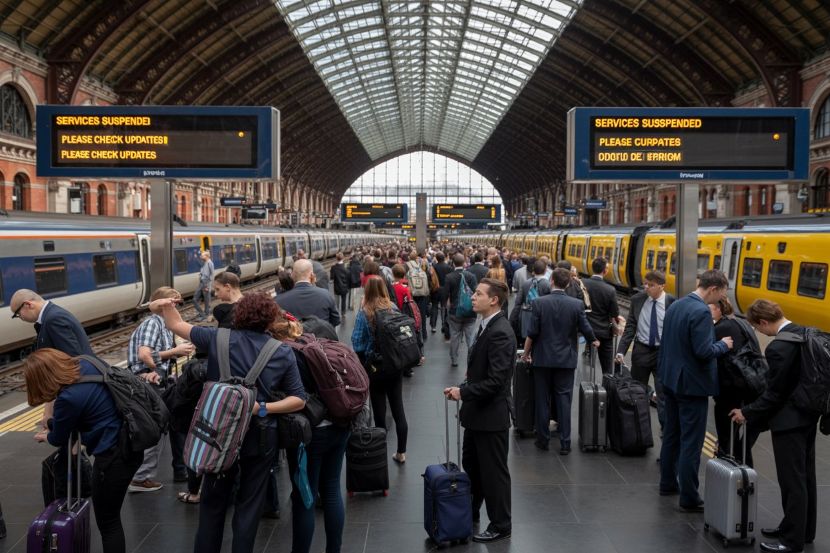
The sudden disruption to Eurostar services on December 2025 caused major turmoil for holidaymakers between the UK and France, leaving thousands of tourists stranded at major train stations in London and Paris. The issue arose from a power supply failure in the Channel Tunnel, halting all Eurostar services between the two countries at a time when many were traveling to celebrate the New Year. This event not only caused major disruptions for tourists but also highlighted the importance of reliable rail links for international tourism.

At the height of the holiday season, when tourists flock to iconic cities like Paris, London, and Brussels, the outage had immediate consequences on both cultural tourism and economic activity. The Channel Tunnel, connecting the UK with the European mainland, is a vital transportation link for thousands of visitors traveling to top tourist destinations. For many, it’s not just about reaching their destination—it’s about experiencing the journey, particularly during the festive season when the UK and France see a spike in visitor numbers.
As soon as the technical fault was detected, Eurostar, the high-speed rail operator, halted services entirely, leaving thousands of passengers waiting at platforms. Many were heading to Paris to see the famous Eiffel Tower light show or visit the Christmas markets, while others were making their way to London for holiday events such as the New Year’s Eve fireworks at the Thames. The disruption meant a loss of business for local tourism operators who had prepared for a peak season, relying on the steady flow of visitors arriving from nearby European countries.
This glitch came at a time when the rail system had been heavily relied upon by international tourists seeking eco-friendly travel options. The Eurostar provides a quick, sustainable alternative to flying between major cities, a preferred option for environmentally conscious travelers. The sudden suspension served as a reminder of how vulnerable this vital link is to such disruptions, especially during a peak travel period.
Travel advisories were immediately issued by the UK Government, urging all travellers to check Eurostar updates before traveling. The Foreign and Commonwealth Office advised those planning to travel on Eurostar to expect severe delays and to reconsider unnecessary trips to Paris, Brussels, and other major cities on the Eurostar network until services could be restored. While authorities scrambled to fix the issue, it was clear that the disruption was causing ripples in the tourism industry.
The halt in services affected key tourism destinations like London and Paris, causing visitors to reconsider their travel plans. Hotels in both cities experienced fluctuating occupancy rates as some guests, unable to continue their journey, opted to extend their stay. On the other hand, some tourists, eager not to miss out on their plans, looked for alternative transport options such as flights or ferries, which led to longer wait times and higher costs. As many travellers were left scrambling for new travel arrangements, tourism operators faced challenges in managing last-minute changes.
This incident further emphasized the significance of improving transportation infrastructure for tourism. Efficient and resilient transport networks are essential for boosting tourism, especially during holidays when millions of visitors travel across borders. The Eurostar line, along with the Channel Tunnel, represents more than just a transport system; it is a tourism lifeline connecting the UK with Europe. From art galleries in Paris to theatres in London, this rail connection enables the smooth exchange of tourists, ideas, and experiences between two culturally rich regions.
Governments and tourism boards must consider this disruption as an opportunity to strengthen the infrastructure that supports tourism. Investments in better transport systems, especially in high-traffic areas like the Channel Tunnel, are critical in maintaining the flow of visitors to popular tourist spots. While the repair of the tunnel’s power supply is crucial for the short term, long-term solutions to improve system resilience will ensure that tourism remains unaffected during future peak periods.
Despite the chaos, the tourism industry remained optimistic. Eurostar provided timely refunds and rebooking options for affected travellers. Many tourism agencies in Paris and London worked with transport services to assist stranded passengers in finding alternative routes or extending their stays. The collaborative efforts to ensure visitors’ comfort and security played a crucial role in minimizing the long-term effects of the disruption on local tourism.
As Eurostar resumed partial services by 31 December 2025, the tourist destinations of London and Paris began to recover. Many travellers who had been affected by the disruption were finally able to complete their journey, contributing to a slight uptick in New Year celebrations. The event also sparked discussions about enhancing the reliability of rail networks to support tourism growth in the future.
While the Eurostar disruption temporarily stifled travel plans for many, it also highlighted the crucial role transportation systems play in fostering international tourism. As both the UK and France prepare for future travel surges, this incident serves as a reminder that robust, resilient transport infrastructure is not just an operational necessity but a key factor in supporting and growing the global tourism industry. The swift resolution of this issue will ensure that visitors continue to enjoy seamless travel across Europe, making the region an even more attractive destination for future travellers.
