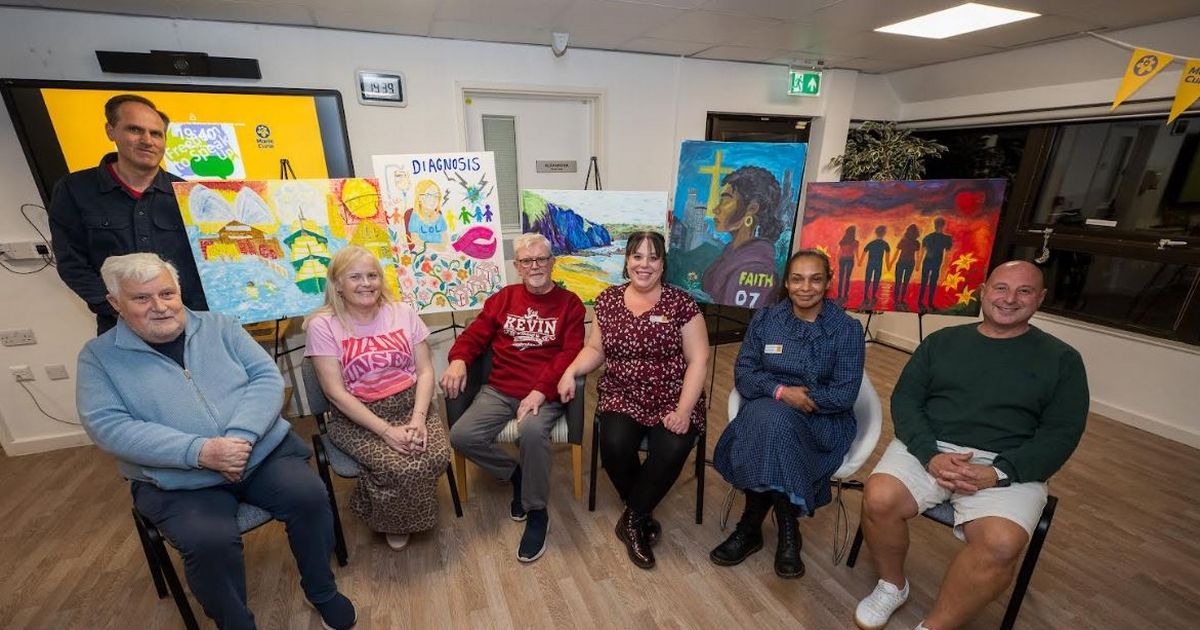
One nurse said she ‘had never laughed more in a job’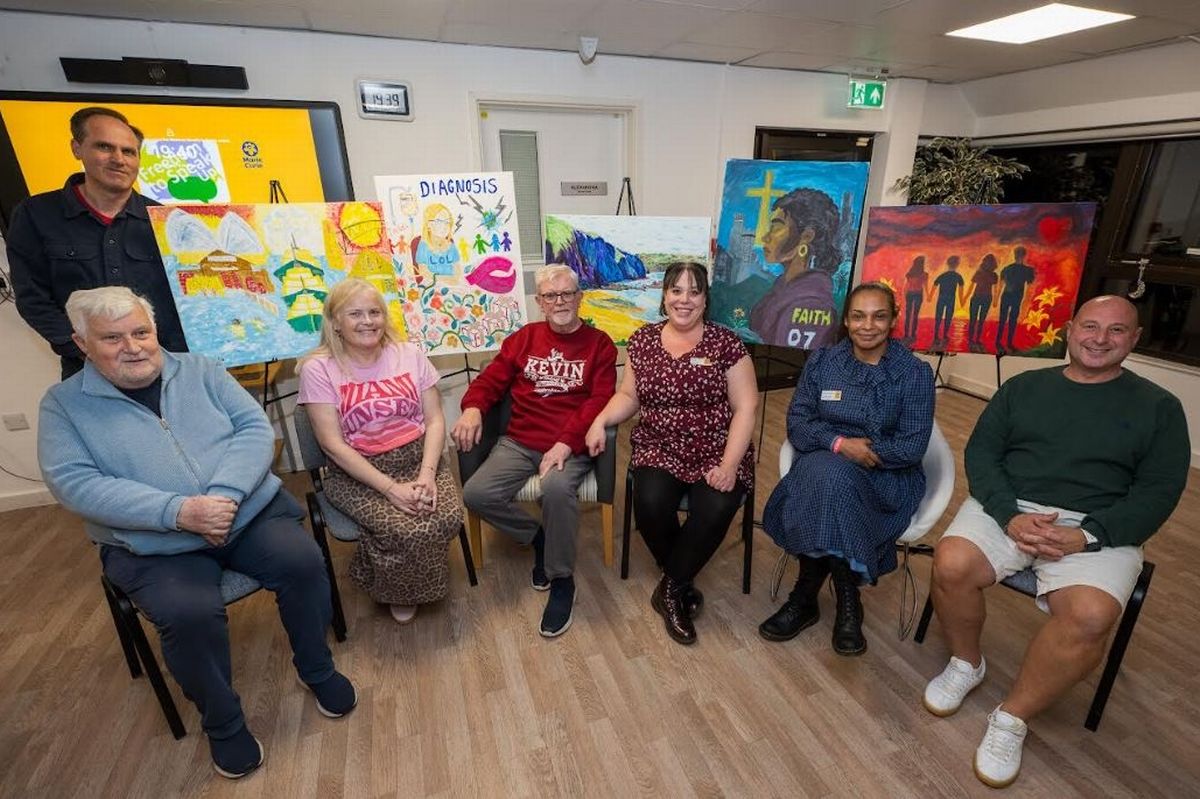 I learnt that a hospice is more than just a building where people come to die – it’s a community(Image: Marie Curie)
The word “hospice” so often arrives carrying the same uninvited companion: death. For many of us the two seem inseparable. Before ever stepping inside one most people already hold a vivid mental picture of a place of endings and with that comes an understandable sense of fear and hesitation.
When I told people I was visiting a Marie Curie Hospice for the first time the reactions were immediate and predictable. A soft, pitying look. “Oh, that’s awful,” some said. “Bless them.” And if I’m being honest I felt much the same myself. In my mind a hospice was just a smaller, sadder version of a hospital equipped with the sharp smell of antiseptic, exhausted faces, and an ever-present shadow of grief hanging in the air.
But what I walked into was something entirely different. I left that day with my assumptions challenged and my understanding of what a hospice truly represents completely changed. And now I want to myth-bust the preconceived ideas so many of us carry about these places – often without ever having set foot inside one.
The Marie Curie Hospice, Cardiff and the Vale, occupies a prominent spot in Penarth, set along a beautiful street lined with tall trees and residential homes where it seems to blend naturally into its surroundings. From the upper floors the windows open out onto views of Penarth Pier and the sweeping coastline. Even on overcast days the outlook brings a sense of light and openness to a place where many people spend meaningful periods of time.
One common misconception worth addressing early on: this is not a place that only supports people with cancer. Marie Curie provides end-of-life care to people with a wide range of terminal illnesses including dementia, Alzheimer’s disease, MND, and heart disease as well as cancer. Support is also available to families and loved ones before and after death.
Beyond that something that genuinely surprised me was how different it felt from a hospital. The distinctive hospital smell was gone. Over the radio in the café volunteers played Donna Summer’s Hot Stuff. It felt more like a community centre than a gateway to doom and gloom.
Patients, visitors, and staff moved with a calmness rarely seen in hospitals. Some were living with terminal illness while others were supporting someone they loved. But there are also people here for reasons you might not expect.
I was shown around by Rachel Moses-Lloyd who has worked with Marie Curie for almost a decade. She said: “We welcome everyone into the café. Not just people at the end of life or their families.
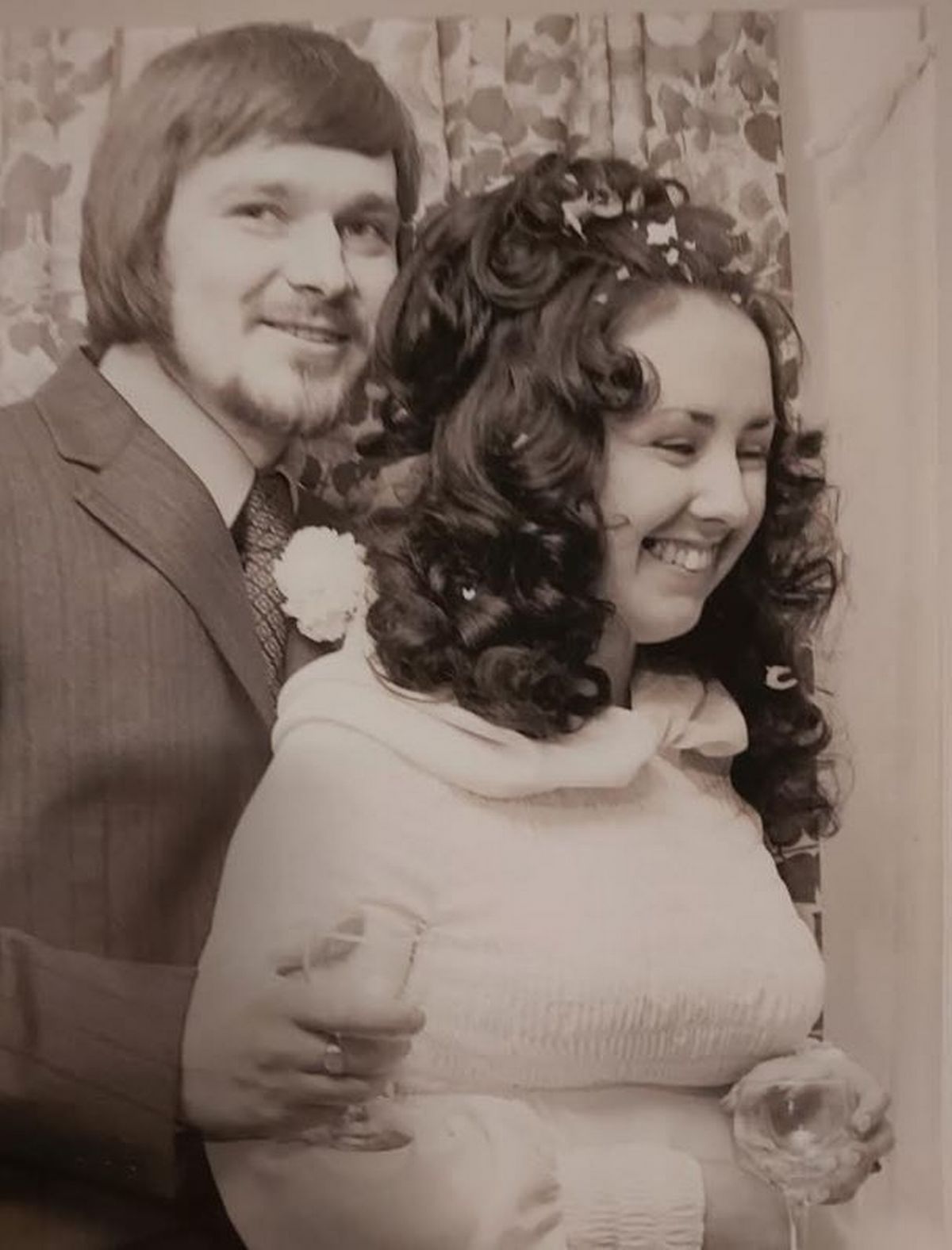 Behind every person is a story such as Dave and Carmel Mulligan(Image: Marie Curie)
“Our café is open to the whole community – anyone. Local running groups, neighbours, whoever wants to drop in for a coffee and a chat. It brings a sense of normality here but not many people realise that.” And that was exactly how it felt: more routine than overwhelming, practical rather than clinical, composed rather than chaotic.
Staff are deliberate about this difference. If a patient presses a buzzer someone responds quickly. Doctors are approachable and there is 24-hour coverage. Kath Guerico, a healthcare assistant nurse in the palliative care unit, said she had left the NHS to work at Marie Curie a few years ago, where she says she feels she has time to care.
However at the hospice, even on busy days, there is a sense of calm. Paperwork and tasks are handled but the atmosphere doesn’t feel rushed or pressured. “Every little detail is personal,” she said.
“People don’t come here to die… they come to live the last of what time they have left. We make sure they have everything they could need. From painting nails and moisturising hands to drying hair and making baubles. These small things clearly matter. It’s not about showmanship – it’s about noticing what makes someone feel cared for.”
The hospice also accommodates larger gestures. The halls are decorated for events be it Wimbledon, autumn, birthdays, or Christmas. Weddings have even taken place here, with priests and local florists involved, all to fulfil people’s last wishes. “We go the extra mile – we are aware that this could be someone’s last Christmas This year we bought arts and crafts for a mum who was celebrating her last Halloween with her children. We wanted it to be special, something they’d remember.”
And yet it isn’t solemn all the time. Kath said: “I have never laughed so much in a job. That stress we used to face daily in the NHS is gone. If it gets too much or my head’s in the shed I know I can just go and sit down with a cup of tea and chocolate biscuit.”
But for Kath it’s the people around her that make the job. “We have a member of our housekeeping team volunteer, Nicky, who is the life and soul of this place. You know when she’s in because all you can hear is her incessant singing. She’s become well known throughout the hospice. It’s people like her that bring joy to the job.”
The team forms a safety net. Even in difficult weeks they support one another. “Honestly, not bull – we are all here,” Kath said. That simple statement felt significant. The interactions between staff and patients create a space where care is not only medical but also human – where people can simply be themselves.
Patients can also venture downstairs where Marie Curie offers holistic care at their wellbeing and support hub. This is run by Anne Edwards who moved from London to Penarth around five years ago.
Unlike large cities such as London, where transport links, access to services, and population diversity create a different set of challenges, Wales presents its own unique needs. Communities are more spread out and people can feel isolated. That is why Marie Curie in Penarth works flexibly, constantly adjusting its approach to reach more people across the Vale of Glamorgan and beyond.
“There are gaps in services,” Anne said. “But we’re fortunate to have a lot of strong social groups in the area. What’s impressive is how the hospice helps to fill those gaps and bring people together.”
The hospice runs a wide-ranging information and support programme that focuses on different aspects of living with illness. This includes sessions on breathlessness, fatigue, and planning for the future. There is also a growing recognition of the need for more specialised support for people with advanced dementia ensuring that they, too, are not left behind.
Care at Marie Curie is deeply holistic. Alongside medical and nursing support patients can access complementary therapies, music sessions, crafts, games, and social spaces designed to reduce isolation. From quiet crafting for those who prefer to sit and reflect to lively games like cornhole and interactive group activities everything is shaped around what people actually want and need.
“We work out what people need and we stay flexible,” Anne said. “Not everyone engages in the same way and that’s okay. What matters is that everyone feels welcome and supported.”
A key message Anne is passionate about is that palliative care works best when it begins early – not just in the final days or weeks of life. “People often think palliative care is only for the very end,” she said. “But actually it’s about supporting people throughout their journey, at different stages, whatever that looks like for them.”
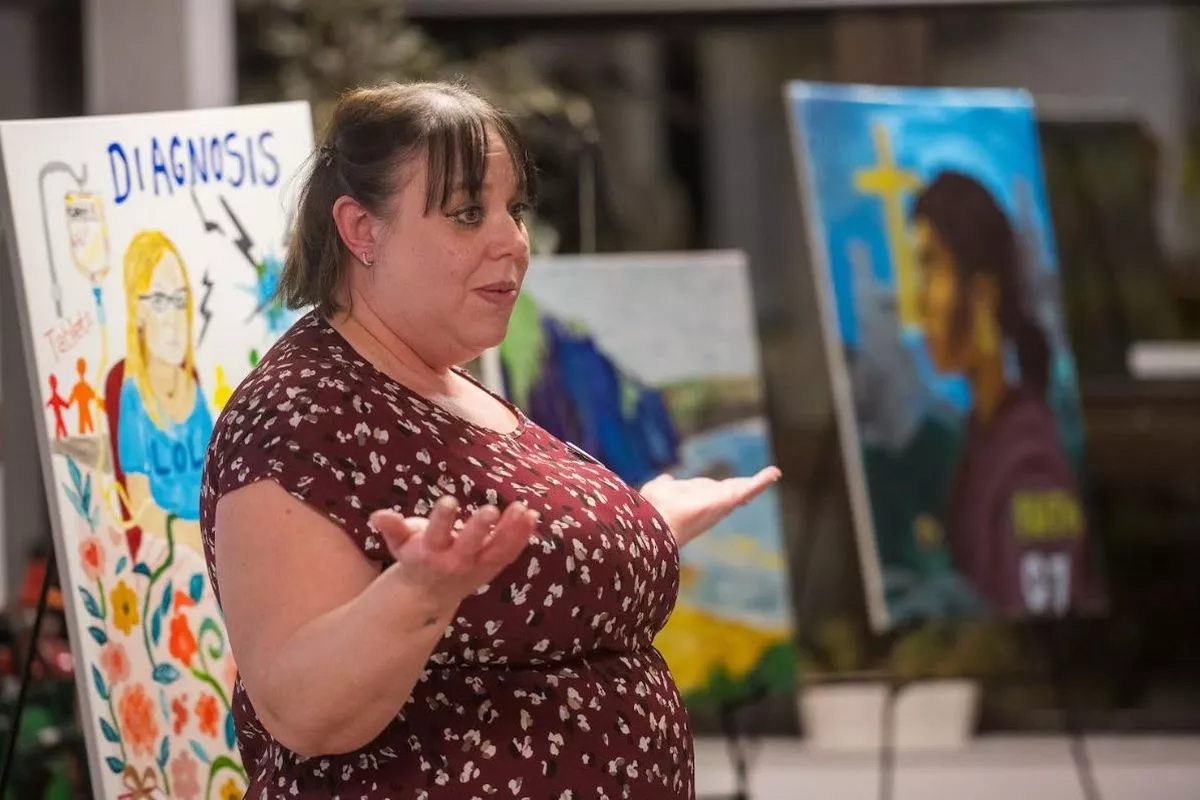 Anne Edwards proudly runs the wellbeing and support hub at Marie Curie(Image: Marie Curie)
By engaging earlier the hospice can help people have open conversations about what matters most to them, what their priorities are, and how they want to live and, eventually, how they want to die.
“We plan for having a baby,” Anne said. “So why wouldn’t we plan for death?”
These conversations can feel difficult but opening them early allows individuals and families to feel more in control, more prepared, and less afraid. It also shifts the focus away from illness alone and back onto the person.
“I always work on the basis of asking: “What matters to you? Who are you?’” Anne said. “Not just: ‘What illness do you have?’ There is a whole story underneath.”
Marie Curie Cardiff and the Vale doesn’t operate in isolation. It works closely with memory clinics, community groups, and other national organisations. People can be referred by professionals but many also self-refer – both as individuals and as part of whole groups seeking support.
The hospice also connects with organisations such as the MS Society and Neuro Café ensuring that people with neurological conditions are also included. A monthly death café provides a safe and informal space where people are encouraged simply to come in and talk openly about death – something that remains deeply taboo in many communities.
There is also practical support available. Citizens Advice attends with guidance on welfare benefits, helping people navigate complex systems at a time when energy and capacity may already be low.
One thing I also spotted was the number of teenagers and young people. Anne said volunteers are absolutely central to everything the hospice does. There are currently around 25 active volunteers with 16 of the applicants being students. Many of these are medical students who are using the experience to learn how to speak to people before they become doctors – how to listen, how to sit with uncertainty, and how to treat the person, not just the condition. Six students have expressed a desire to continue as volunteers within end-of-life care.
Perhaps the most important achievement of the hospice is changing how people feel about it. “It’s about making the hospice a less scary place,” Anne said. “About finding out what people need and then connecting them — with us, with social groups, with others who understand what they’re going through.”
One such group is the Mad Men’s Café, a support group co-founded by David ‘Dave’ Mulligan and Nathan ‘Nate’ Strong. This is made up of a small band of men who meet every Thursday. At first glance, the name might seem unusual but the group is far from a novelty – it is a place for men to connect, share, and support one another through some of life’s toughest challenges.
 Nathan Strong (left) and Dave Mulligan joined forces to bring a support group to the hospice(Image: Marie Curie)
Dave, now in his mid-70s, explained why the group started. “My wife Carmel was diagnosed with dementia – it was a strange time but I didn’t want her going into care. Shortly after I was diagnosed with prostate cancer that had spread to my spine. I realised that I did need the support so started exploring different options.
“I wasn’t initially aware of the breadth of support available at the hospice. But I came to realise that it’s not just some place for you to come to for a couple days to pop your clogs. A lot of our diseases take time and this became a place that could help us live to our fullest. Carmel and I attend numerous groups here at the wellbeing and support hub and with the Mad Men’s Café, it started out of wanting to give something back.”
Nate, whose wife Nadine was diagnosed with brain metastases from secondary breast cancer in October 2023, recalled a similar realisation. “Both of us thought the hospice was just a place for dying but we didn’t realise the breadth of services available. Nadine and I attend various support groups and Dave and I created this group after a trial men’s session. We wanted a space where men could feel supported and connected.”
The café is a simple concept. There’s no agenda, no pressure – just a place to meet, talk, or sit quietly with a cup of tea. Nate said: “It’s not all about sickness. It’s general chit-chat, dropping in for a cuppa, sharing what we feel that day. To be honest it’s become a bit of escapism for me. It’s good to talk to people about something outside of what is going on in everyday life.”
Dave added: “Even if it was just the two of us if this benefits one person it’s a success. Mad Men for now – go with it.” Stay informed on the latest health news by signing up to our newsletter here.
For some participants the group is a lifeline. Kevin Pletts, who is facing end-of-life illness himself, said: “I came here after the hospital, Velindre, said I had cancer. I needed support especially as my wife – like Dave’s – had been diagnosed with dementia. Because of my condition I turned to palliative care for help. Shortly after we arranged it Marie Curie came knocking on my door.
“They did lots of things for me – like helping me around the house to make it more comfortable and then they invited me to a gardening club. I started to come down here regularly, which is when I was approached to join Mad Men’s, and here I am.”
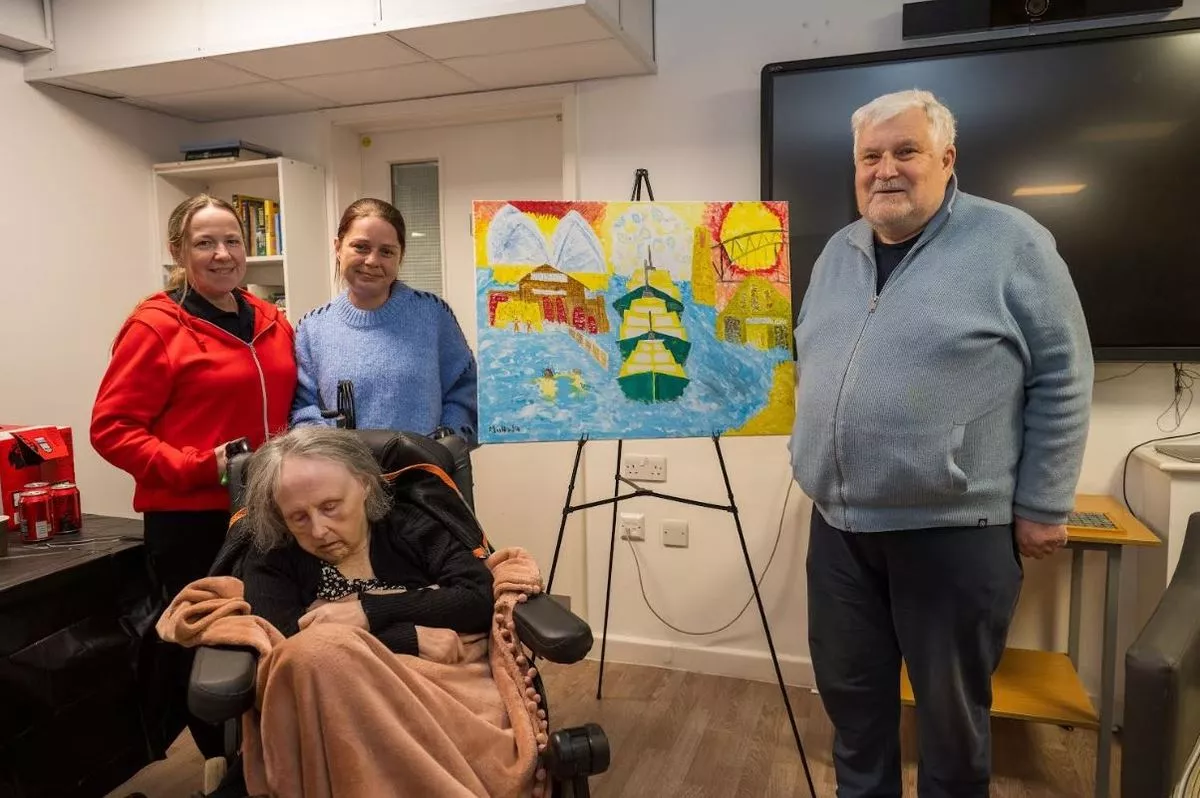 Dave and Carmel Mulligan have found a family at the hospice(Image: Marie Curie)
The group also offers practical help. Gardening projects, home adjustments, and volunteer assistance all provide tangible support. “There’s a situation where I can’t run the garden,” Kevin said. “But then I turned to these guys and everyone ended up coming to help out. It’s our little project. In the summer we have a greenhouse. These guys give great help and volunteers have been amazing.”
Even the smallest acts are meaningful. Nate describes a Thursday routine: “My mother-in-law sits with my wife while we do activities and then come to Mad Men’s. We zone out and chill. We’ve started a jigsaw. Bits are missing but it’s just a time for a break.”
Nate remembered his first impression: “My immediate image was Alcoholics Anonymous. A lot of men think of that when going to a men’s group. But we found something completely different – a place to feel normal, even with serious illnesses in our lives.”
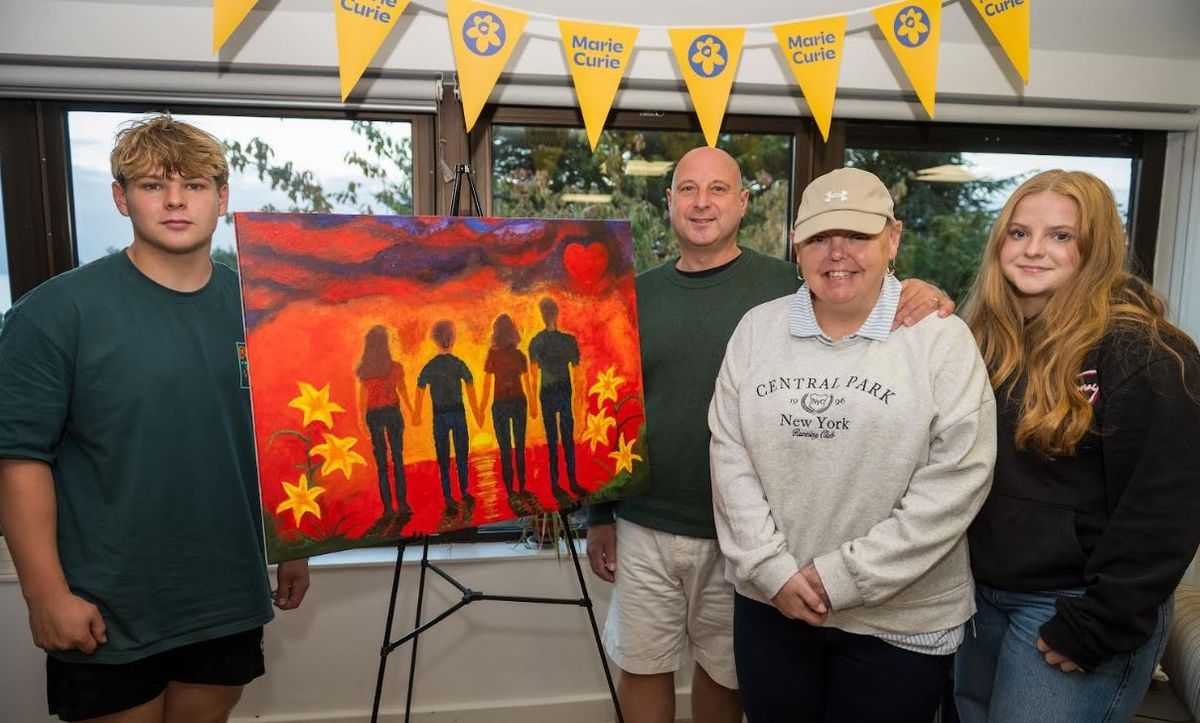 Nate said the hospice have been vital in supporting him and his family(Image: Marie Curie)
The group draws participants from across the region including Cardiff and Port Talbot. Visitors are referred through hospices or care networks and some have experienced weeks to years of benefit from different sessions.
Treatments, meditation, reflexology, and practical support are all discussed, helping men manage not only illness but life outside it. Nate pointed out: “Unless you talk to people you don’t know about things like council tax reductions or what you’re entitled to. That’s something I learnt from Dave by coming here. I was looking into an early retirement and he explained how that could be possible. We help each other navigate that outer world.”
Despite the focus on illness, light-heartedness and humour remain central. Dave is “the group clown,” keeping everyone entertained, while Nate noted the importance of treating partners normally. “My wife has this attitude of wanting to be treated normal. She’s diagnosed but at the end of the day – she is not contagious. She doesn’t want to be treated with pity.”
The café’s ethos is clear: provide support without judgment, foster friendship, and offer a space for men to speak, listen, and learn from one another. Dave summed it up simply: “In my feeling it doesn’t matter what you call yourself. Support we preach. Experience peer – general chat helps. We bounce off each other in different ways.”
For those involved the Mad Men’s Café is more than a weekly meeting. It’s a place to breathe, to laugh, to share fears, and to find comfort in knowing that no-one has to face life’s hardest moments alone. Nate added: “It’s just a time for a break – more of a man to talk about it than not.”
In a world where male vulnerability is often overlooked the café provides a rare and vital space for connection, compassion, and support, which encapsulates the overall message of Marie Curie itself.